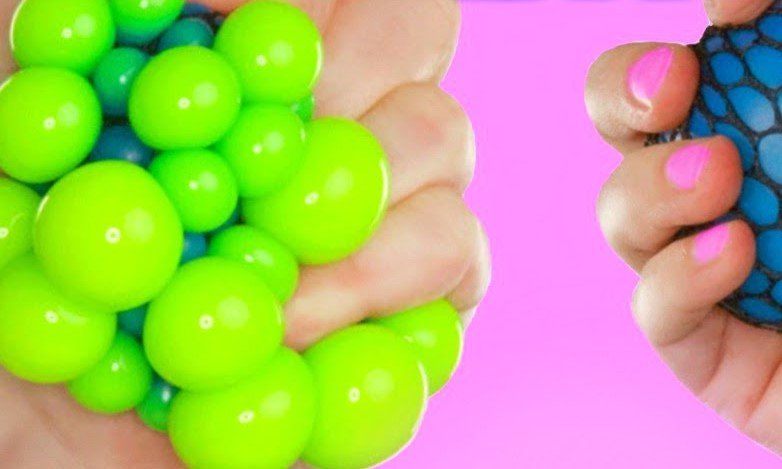
Making your own stress toy is a fantastic, budget-friendly way to manage daily anxiety and improve focus. By using common household items, you can create a personalized, tactile tool that helps you stay calm whenever life gets a little too busy.
In our fast-paced world of 2026, finding a moment of peace can feel like a challenge. We are constantly surrounded by screens, notifications, and endless to-do lists. Sometimes, the simplest solution to regain your balance is right in the palm of your hand. If you have been searching for a way to stay calm, learning how to make your own stress toy is a game-changer. Not only is it fun, but it also gives you complete control over how your toy feels, looks, and functions.
You do not need to be a professional crafter to succeed here. Most of the materials you need are likely already sitting in your junk drawer, pantry, or closet. By taking thirty minutes to create something tactile, you are investing in your own mental wellness. Whether you need something to squeeze during a tense meeting or a soft object to fidget with while you read, making your own stress toy provides the perfect sensory outlet for your unique needs.
Key Takeaways
- Cost-Effective Relief: Making your own stress toy saves money compared to buying expensive retail versions while offering the same sensory benefits.
- Customizable Textures: You can choose the exact firmness, weight, and material of your stress toy to suit your specific sensory needs.
- Mindful Crafting: The process of building your own stress toy acts as a meditative exercise, helping to reduce stress even before you finish the project.
- Eco-Friendly Options: Using recycled household materials to make your own stress toy is a sustainable choice that reduces plastic waste.
- Versatile Applications: DIY stress tools are perfect for home, the office, or school environments to help improve concentration and emotional regulation.
The Science of Squeezing
Why does holding a stress toy work? It is all about the nervous system. When we feel overwhelmed, our bodies enter a fight-or-flight mode. Physical activity, even something as small as squeezing an object, helps discharge that built-up nervous energy. This process is called grounding. It pulls your focus away from anxious thoughts and anchors you firmly in the present moment.
Sensory Input and Regulation
Our brains process a massive amount of information every single day. When we use our hands to manipulate an object, we provide our brains with “proprioceptive input.” This input helps us regulate our emotions. For many people, knowing how to make your own stress toy allows for a specific type of resistance—maybe you like a firm, rubbery feel, or perhaps you prefer something squishy and soft. By creating your own, you can customize the density to provide the exact level of resistance that makes you feel most secure.
Why DIY Matters
Retail stress toys are often mass-produced and may contain materials that you do not enjoy touching. When you know how to make your own stress toy, you eliminate the guesswork. You can choose fabric that feels soft against your skin, or you can fill your toy with non-toxic materials that provide the perfect weight. Plus, there is a deep sense of accomplishment that comes from creating something with your own hands. That pride itself acts as a natural mood booster.
The Classic Balloon Squeeze Toy
The balloon-based stress toy is the gold standard of DIY relaxation. It is incredibly cheap, durable, and takes less than ten minutes to assemble. This design is perfect if you want something that offers a “squishy” tactile experience, similar to professional high-end putty.
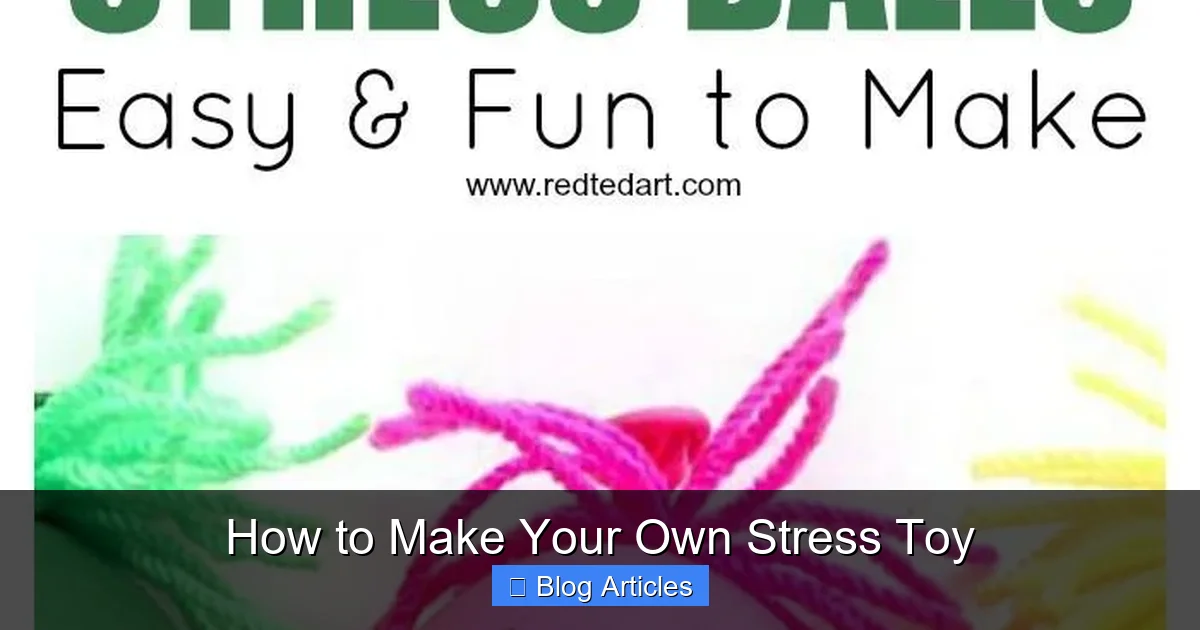
Visual guide about How to Make Your Own Stress Toy
Image source: i.pinimg.com
Materials You Will Need
To get started, grab a few thick balloons, a funnel, and your choice of filler. Flour is the most common choice, but cornstarch creates a silky, dough-like texture that many people prefer. You will also need a pair of scissors and perhaps a permanent marker if you want to draw a face on your new companion.
Step-by-Step Assembly
Start by stretching your balloon out a bit. Place the funnel into the neck of the balloon. Gradually pour your filler into the funnel. Use a pencil or a chopstick to gently push the flour or cornstarch down into the balloon. Once it reaches the desired size, tie a secure knot at the top. If you want to make it extra sturdy, take a second balloon, cut off the neck, and wrap it around the first balloon to hide the knot and add an extra layer of protection against pops.
Fabric-Based Fidgets
If you prefer a softer, more fabric-like texture, learning how to make your own stress toy using scraps of cloth is a great option. These are quiet, making them perfect for classrooms or professional office settings where a squeaky balloon might be a distraction.
Selecting the Right Fabric
Cotton, fleece, or even old socks work wonders here. Fleece is particularly comforting because it provides a bit of “fuzziness” which can be very soothing for people who enjoy sensory textures. Avoid slippery fabrics like silk, as they can be difficult to sew and handle.
Stitching and Filling
You do not need to be an expert seamstress. A simple running stitch is enough. Cut your fabric into two equal shapes—circles or hearts work well. Place them together and sew around the edges, leaving a small gap. Turn the fabric inside out so the seams are hidden. Stuff your toy with dried rice, beans, or even lavender-scented cotton balls for an added aromatherapy benefit. Close the gap with a few final stitches, and you have a durable, reusable stress relief tool.
Advanced Textures: Slime and Putty
For those who love a gooey, flowing sensation, making your own slime-based stress toy is the ultimate goal. While this requires a bit more supervision, the result is a highly effective tool for deep stress relief. It is like a liquid fidget that changes shape under your fingers.
Safe Ingredients for 2026
Avoid harsh chemicals. Most modern DIY slime recipes use school-grade glue mixed with a saline solution and a bit of baking soda. If you are worried about skin sensitivities, you can also make “edible” or non-toxic versions using cooked cornstarch and water. These are incredibly safe and offer a satisfying resistance as you knead them.
Maintaining Your Slime
The secret to long-lasting slime is storage. Keep your creation in an airtight container when you are not using it. If it gets too sticky, a few drops of saline solution will help it firm up. Teaching yourself how to make your own stress toy out of slime also teaches you basic chemistry and helps you understand how different materials react to one another.
Designing for Purpose and Personalization
Now that you know the basics, let’s talk about design. A stress toy is most effective when it resonates with you personally. If you find blue to be a calming color, use blue fabric or balloons. If you respond well to scents, add a drop of essential oil to your stuffing.
Adding Weighted Elements
Sometimes, weight is the key to comfort. If your toy feels too light, you can add small glass beads or dried beans to the filling. The added weight makes the toy feel more substantial in your palm, which can simulate the feeling of being held. This is a common technique in sensory therapy for adults with high levels of daily stress.
Personal Touches
Don’t be afraid to decorate your creations. Use fabric paint, googly eyes, or ribbons to give your stress toy a personality. When you look at your toy and see something friendly or funny, your brain releases a hit of dopamine, which naturally counters the cortisol associated with stress. It sounds simple, but a happy face on a stress ball can truly brighten your outlook during a difficult day.
Conclusion
Learning how to make your own stress toy is about much more than just a craft project. It is about taking a proactive approach to your mental health in an increasingly busy world. By utilizing simple materials, you create a personalized tool that serves as a physical reminder to breathe, pause, and focus.
Whether you choose the squishiness of a balloon, the softness of a fabric fidget, or the flow of homemade slime, the process remains the same: you are choosing to prioritize your peace of mind. Start with one today, share the activity with a friend, and discover the quiet power of having a simple tool to navigate the challenges of 2026. You have the power to create your own calm, one squeeze at a time.
Frequently Asked Questions
Is it safe for children to make their own stress toys?
Yes, but adult supervision is recommended, especially when using small fillers like beads or rice that could be choking hazards. Always ensure that the materials used, such as glues or cleaning solutions, are non-toxic and skin-safe.
How long do DIY stress toys last?
With proper care, a homemade balloon stress toy can last several weeks, while fabric-based toys can last for months or even years. Store them in a cool, dry place to ensure they stay in good condition.
Can I wash my DIY stress toy?
It depends on the material! Fabric toys stuffed with beans or rice should be spot-cleaned, while balloon-based toys can be wiped down with a damp cloth and mild soap. Never submerge fabric toys filled with organic matter in water.
What is the best filler for a firm stress ball?
Dried rice or small plastic pellets are the best options if you want a firmer, more resistant feel. Flour and cornstarch provide a much softer, more dough-like consistency.
Are these toys suitable for office environments?
Absolutely! Quiet fidgets like fabric stress hearts or non-sticky putty are excellent for meetings or desk work. They allow you to channel nervous energy without creating noise that might disturb colleagues.
What should I do if my DIY stress toy leaks?
If you used a balloon, it is best to discard it and make a new one, as the material has likely reached the end of its life. If your fabric toy tears, simply sew the seam shut again to continue enjoying your creation!