
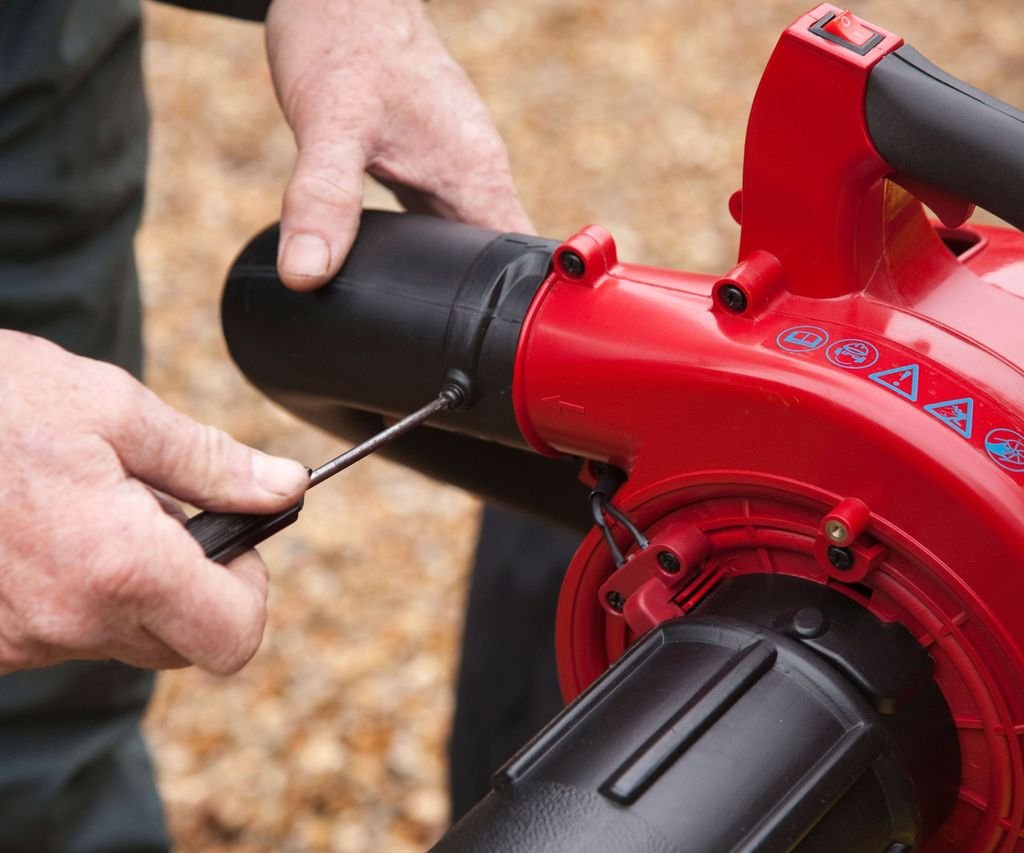
Introduction
If your leaf blower is overheating, the most common causes are blocked air vents, a dirty air filter, a clogged blower tube, a dull or damaged fan, low engine oil, or an incorrect fuel mix. Battery and electric models can also overheat because of a weak battery, a failing motor, a damaged cord, or a controller fault.
Stop using the blower when it becomes unusually hot, smells like burning plastic or fuel, loses power, smokes, or shuts itself off. Let it cool fully before you inspect it. Never put your hand near the fan, remove a hot spark plug, or open a fuel system while the engine is hot.
This guide explains how to find the cause safely on gas, corded electric, and battery-powered leaf blowers used in the United States.
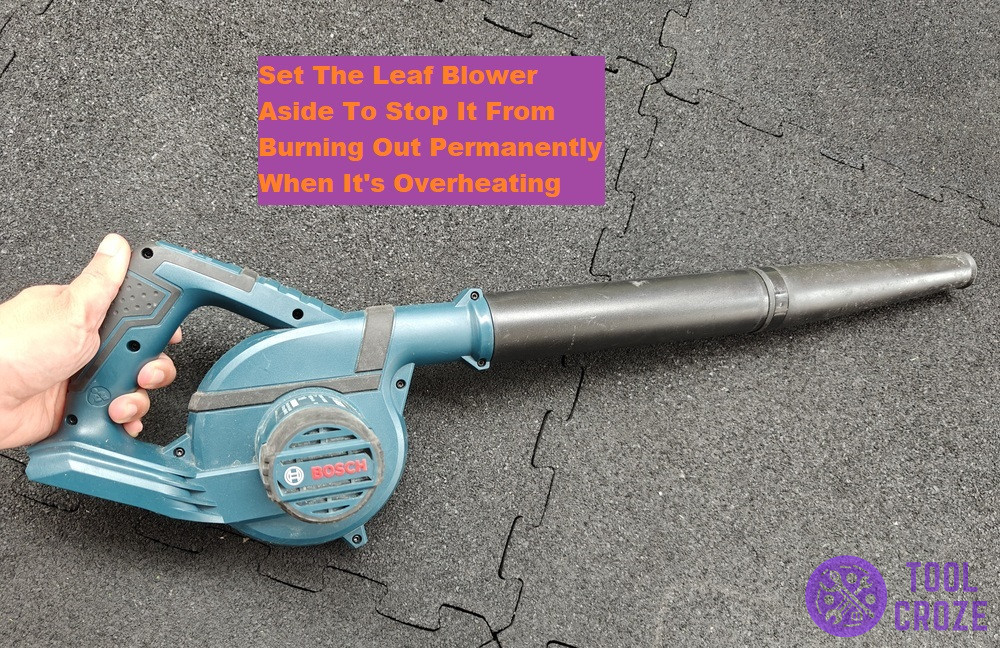
What “Overheating” Means on a Leaf Blower
A leaf blower runs warm during normal use. The motor or engine creates heat, and the cooling system must move that heat away. Overheating happens when heat builds faster than the blower can release it.
The signs can differ by blower type:
- Gas blower: The engine may lose power, surge, stall, smoke, or become hard to restart.
- Battery blower: The battery, motor housing, or charger may feel very hot. The unit may stop until it cools.
- Corded electric blower: The motor may slow down, smell hot, trip a circuit breaker, or cause the plug or cord to heat up.
- Any blower: You may notice a burning smell, melted plastic, unusual noise, or reduced airflow.
A thermal shutdown does not always mean the blower is permanently damaged. Many electric and battery models use protection that cuts power when internal temperature rises too far. However, repeated shutdowns point to a problem that needs attention.
The first question is not “How hot is too hot?” Most owners do not have a safe way to measure internal motor or engine temperature. Instead, look for a change from normal behavior: a new odor, a sharp power drop, smoke, abnormal noise, or heat that continues to rise during light work.
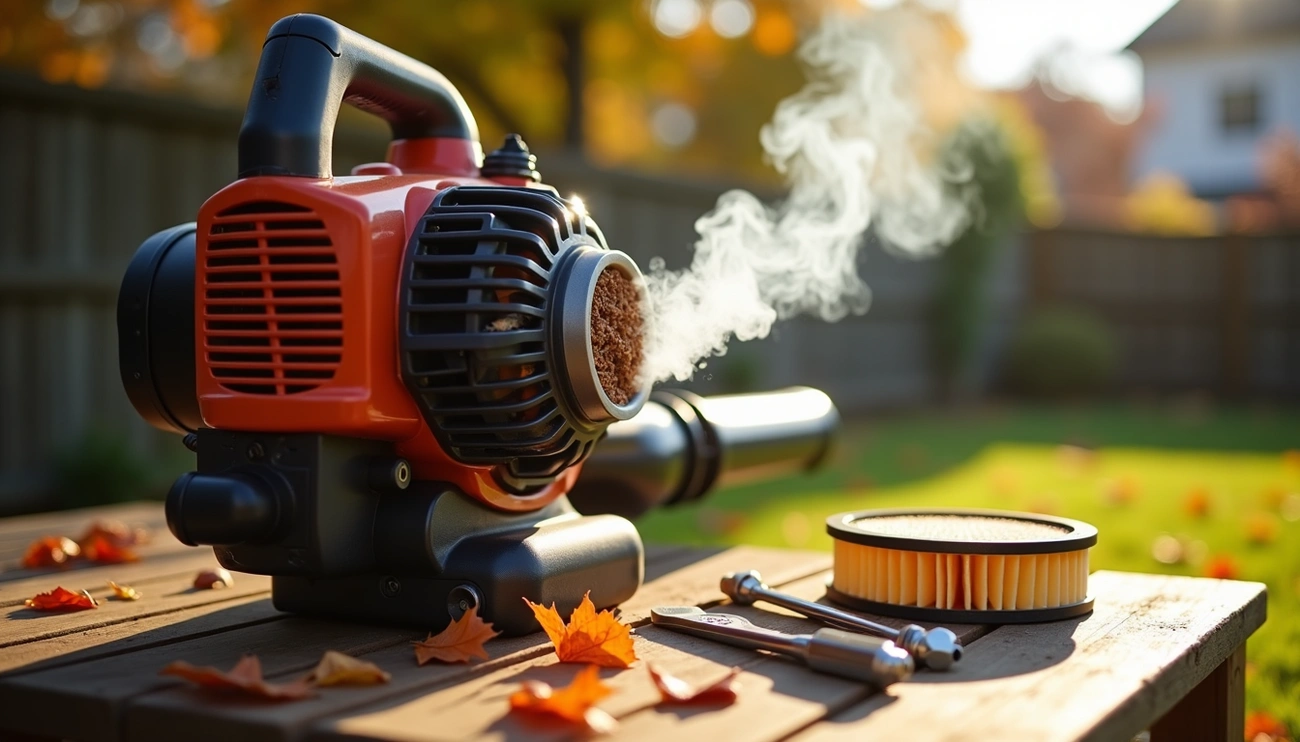
The Most Common Reasons a Leaf Blower Overheats
The cause is often simple: the blower cannot get enough air, cannot move air through its tube, or is working harder than it should.
1. Blocked cooling vents
Cooling vents pull air across the motor or engine. Grass, leaves, dust, and cobwebs can cover these openings.
When vents are blocked, hot air stays inside the housing. The blower may still run at first, then lose power or shut down. Fine dust is especially troublesome because it can pack into the vent openings and filter material.
Fix: Turn off the blower and disconnect the battery or power cord. On a gas model, stop the engine and wait until it is cool. Brush the vents with a soft brush or use low-pressure compressed air from a safe distance. Do not push debris deeper into the housing.
2. A clogged air filter on a gas blower
A dirty air filter limits the air that enters the engine. The engine then receives too much fuel compared with the available air. This can cause poor combustion, smoke, weak power, and extra heat.
A foam filter may need cleaning and fresh filter oil if the manual allows it. A paper filter usually needs replacement rather than washing. Some small-engine filters must stay dry, while others use a specified oil.
Fix: Remove and inspect the filter as described in the owner’s manual. Replace it if it is torn, soaked, badly packed with dust, or no longer returns to shape. Do not run the engine without its filter. Dust can enter the engine and cause wear.
3. A blocked blower tube or nozzle
A tube packed with wet leaves makes the fan work against resistance. The same can happen when a nozzle is pressed into a pile of debris or when the outlet is partly covered.
Restricted airflow reduces cooling and may overload the motor. It can also create a loud change in sound or a pulsing airflow.
Fix: Shut the blower down. Remove the battery or cord, or stop the gas engine. Clear the tube with a suitable tool, not your fingers. Never inspect the fan while the unit can start.
4. A dirty, damaged, or unbalanced fan
The fan, often called the impeller, moves air through the blower. Small stones, sticks, and wet material can chip or bend its blades. Dirt buildup can also make the fan unbalanced.
An unbalanced fan often causes vibration, rattling, or a new humming sound. That vibration can increase motor load and damage bearings or the housing.
Fix: Inspect the visible fan area only after the blower is disconnected and cool. Do not operate the machine if the fan is cracked, bent, loose, or rubbing against the housing. Fan repairs may require parts and tools specified by the manufacturer.
5. The blower is being pushed too hard
Long periods at full throttle can create high heat, especially in hot, dry weather. A gas blower may also struggle when used to move wet leaves, gravel, or heavy debris.
A blower is designed to move air, not to act as a vacuum for heavy material unless it has a proper vacuum kit. Blocking the nozzle against the ground can also raise the load.
Fix: Use the correct nozzle and setting for the task. Keep the air outlet clear. Take breaks during long jobs, especially when the outdoor temperature is high. If the blower overheats during light work, do not assume heavy use is the only cause.
6. Old, wrong, or contaminated fuel
Gas blowers need the fuel type and oil-to-gas ratio listed in the manual. Two-stroke models need the correct amount of two-cycle oil. Four-stroke models usually need separate engine oil and gasoline.
Old gasoline can lose quality. Water, dirt, or the wrong oil ratio can cause hard starting, poor running, deposits, and excess heat. Gasoline sold in the United States may also contain ethanol; use only the fuel blend approved in the manual.
Fix: Check the manual and fuel label. Drain and dispose of bad fuel according to local rules. Do not pour gasoline into soil, drains, or household trash. Refuel only outdoors, with the engine cool, and away from sparks or flames.
7. Low engine oil on a four-stroke model
A four-stroke blower with low oil may develop friction and heat. Some engines have a low-oil shutdown, but that feature should not replace regular checks.
A two-stroke blower does not use a separate crankcase oil reservoir. Adding engine oil to the wrong place can cause damage, so identify the engine type first.
Fix: Check the oil level on a cool four-stroke engine on a level surface. Use the grade and amount in the owner’s manual. Do not overfill. If the oil is very dark, smells like fuel, or contains metal particles, stop using the blower and seek service.
8. A failing motor, bearing, or electrical part
A worn bearing can create friction and heat. A failing motor winding, switch, speed controller, or battery connection can also cause overheating.
These faults often come with a burning electrical smell, grinding, buzzing, smoke, melted insulation, or repeated thermal shutdown. They are not normal maintenance issues.
Fix: Stop using the blower. Do not bypass a thermal protector or continue testing it while it smells burned. A qualified small-engine or electrical repair technician should diagnose internal faults.
How to Troubleshoot an Overheating Leaf Blower
Use this sequence because it starts with safe, visible checks and moves toward repairs that may require service.
Step 1: Stop the blower and let it cool
Move the blower to a clear outdoor area. Turn it off and wait until the housing, engine, battery, and exhaust parts are cool.
Disconnect the battery or power cord. For a gas blower, place it where the fuel tank and exhaust cannot contact dry grass, leaves, or other flammable material.
Do not spray water on a hot motor or engine. Sudden cooling can damage parts, and water can reach electrical components.
Step 2: Record the symptoms
Before cleaning anything, note what happened:
- Did the blower shut off by itself?
- Did the power drop slowly or stop at once?
- Was there smoke or a burning smell?
- Did the battery or plug feel hot?
- Did the engine surge, stall, or make a new sound?
- Did overheating occur during heavy work or within minutes of startup?
These details help separate an airflow problem from a fuel, battery, or internal motor problem.
Step 3: Check the intake vents and outlet
Inspect the cooling vents, air intake, tube, and nozzle. Remove leaves and dust with a soft brush.
Look for melted plastic, dark marks, cracks, and areas where the housing rubs against the fan. Do not use the blower to clear its own blocked intake. That can pull more debris into the machine.
Step 4: Check the tube and fan area
Make sure the tube is correctly installed and not crushed. A loose tube can leak air. A blocked tube can increase load.
If the fan is visible, check for damage without touching it. If you hear scraping or feel strong vibration during operation, stop the test. Do not run the blower with missing covers or guards.
Step 5: Check the power source
For a battery blower, inspect the battery contacts for dirt, moisture, corrosion, or heat damage. Check whether the battery is swollen, cracked, leaking, or unusually hot. Do not use a damaged lithium-ion battery. Follow the battery maker’s instructions for storage and charging.
For a corded blower, inspect the entire cord, plug, extension cord, and outlet. Use only an extension cord suited to the tool and outdoor use. A long or undersized cord can cause voltage drop and heat. If the plug, outlet, or cord is hot or discolored, stop using it.
For a gas blower, inspect the fuel lines, tank, cap, and filter. Any fuel leak requires immediate attention. Do not operate a leaking blower.
Step 6: Check the gas engine’s filter and fuel
If the model is gas powered, service the air filter and fuel only as the manual directs. Confirm the fuel mix for a two-stroke engine. For a four-stroke engine, check oil level and condition.
Do not guess the fuel ratio. For example, adding oil by eye to a two-stroke mix can create a ratio that is too rich or too lean. Use the ratio stated for that model and measure it accurately.
Step 7: Run a short, low-load test
Only test the blower if there is no fuel leak, damaged cord, damaged battery, smoke, or visible fan damage.
Run it outdoors for a short time with the tube clear and the nozzle pointed away from people and loose debris. Stop at once if the smell, sound, vibration, or heat returns.
If the blower stays cool during light work but overheats under load, inspect airflow and the fan again. If it overheats while unloaded, an internal fault is more likely.
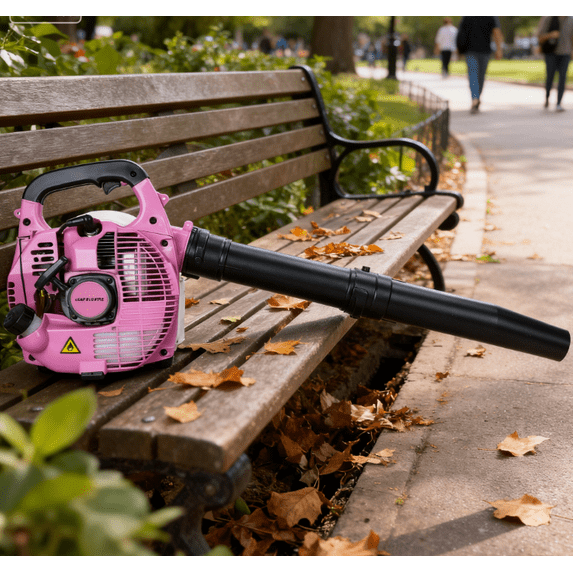
Troubleshooting by Blower Type
The best check depends on the power system. A gas engine and a battery motor can show similar symptoms for different reasons.
Gas leaf blower
Focus first on:
- Air filter condition
- Correct fuel and fuel age
- Two-stroke fuel ratio or four-stroke oil level
- Cooling fins and vents
- Spark plug condition
- Muffler or exhaust restriction
- Carburetor and ignition faults
A dirty spark arrestor screen or muffler can restrict exhaust flow. Because exhaust parts become extremely hot, let the engine cool before inspection. Cleaning or replacing an internal screen should follow the model manual.
Do not adjust the carburetor by random trial and error. Incorrect adjustment can make the engine run poorly and may create excess heat. If the engine surges, runs very lean, or overheats after basic service, use a qualified repair shop.
Battery leaf blower
Battery models often stop because a battery management system or motor controller detects excess temperature. Heat can come from a blocked intake, a failing battery, high load, or a motor fault.
Let the battery cool before charging it. Do not charge a hot, wet, swollen, cracked, or damaged battery. Use the charger approved for that battery system.
If the same battery overheats in more than one compatible tool, the battery may be the problem. If several batteries overheat in one blower, the blower may need service.
Corded electric leaf blower
Check the extension cord, plug, outlet, and circuit. A damaged or undersized cord can heat up and reduce tool performance.
Never use a cord with cuts, exposed wires, loose ends, or heat damage. Keep connections dry and use outdoor-rated equipment. If a breaker or ground-fault device trips repeatedly, stop resetting it and have the tool or circuit checked.

How to Prevent a Leaf Blower From Overheating
Good maintenance lowers heat and makes faults easier to spot.
- Clean cooling vents after dusty or wet work.
- Keep the tube and nozzle free of leaves and stones.
- Inspect the fan area for chips, cracks, and rubbing.
- Clean or replace the gas-engine air filter on the schedule in the manual.
- Use fresh fuel and the correct oil or fuel mixture.
- Check four-stroke engine oil before use.
- Keep battery contacts clean and dry.
- Store batteries in the temperature range stated by the battery maker.
- Use the correct outdoor extension cord for a corded model.
- Avoid running at full power against wet piles for long periods.
- Do not use a blower with a damaged guard, cord, battery, tube, or housing.
Read the owner’s manual for your exact model. Manuals control details such as fuel type, oil grade, filter cleaning, battery temperature limits, and approved accessories. Manufacturer support pages from brands such as STIHL, Husqvarna, and EGO provide model-specific information, but the manual remains the primary source for that machine.
When to Stop Troubleshooting and Get Repair Help
Stop using the blower and arrange service if you find any of these conditions:
- Smoke from the motor, battery, cord, or engine
- A strong burning-plastic or electrical smell
- A fuel leak
- A swollen, cracked, leaking, or very hot battery
- A melted plug, outlet, cord, or battery contact
- Grinding, scraping, or severe vibration
- A cracked or loose fan
- Repeated overheating after cleaning and correct maintenance
- A gas engine that runs very lean, surges, or overheats at idle
- A breaker or ground-fault device that trips repeatedly
Do not open a battery pack. Lithium-ion battery repairs require specialized tools and procedures, and a damaged pack can present a fire risk. Do not bypass a thermal switch, remove a safety guard, or keep operating a tool because it works again after cooling.
For gas models, a small-engine technician can test compression, ignition, fuel delivery, carburetor settings, exhaust flow, and bearings. For electric models, an authorized service center can test the motor, controller, wiring, and thermal protection.
Frequently Asked Questions
Can a leaf blower overheat from being used too long?
Yes. Long periods at full power can raise heat, especially in hot weather or when moving wet, heavy debris. However, a blower that overheats during short, light use likely has a blockage, maintenance problem, weak battery, or internal fault.
Why does my leaf blower get hot and then stop?
Many battery and electric blowers shut down when a temperature sensor detects excessive heat. A gas engine may stall because of restricted airflow, bad fuel, a clogged filter, or ignition and fuel problems. Let it cool, clear the airflow path, and check the power source before trying again.
Is it normal for a leaf blower battery to get warm?
A battery may become warm during use or charging. It should not become swollen, damaged, extremely hot, or release an unusual smell. Stop using a battery with those signs and follow the manufacturer’s safety instructions.
Can a dirty air filter make a leaf blower overheat?
Yes. On a gas model, a dirty filter restricts intake air and can upset the fuel mixture. The engine may lose power, smoke, or run hotter. Clean or replace the filter according to the manual.
Should I replace the leaf blower or repair it?
Repair is often sensible when the fault is a filter, fuel, cord, tube, or battery connection. Replacement may be more practical when the motor, controller, battery pack, or engine has major damage and repair cost approaches the cost of a comparable new blower. Ask for a written estimate before approving major work.
Conclusion
A leaf blower that overheats usually has a blocked airflow path, a dirty filter, an incorrect power source, excessive load, or a damaged internal part. Start by cooling and disconnecting the blower. Then check the vents, tube, fan area, battery or cord, and—on gas models—the filter, fuel, and oil.
If you find smoke, melted parts, a fuel leak, battery damage, severe vibration, or repeated overheating, stop troubleshooting and seek qualified service. The safest repair is the one that restores proper cooling and protection without bypassing the blower’s safety systems.
Practical next action
Let the blower cool completely, disconnect its power source, and inspect the cooling vents and tube first. If they are clear, follow the checks for your blower type and stop immediately if the unit shows smoke, burning odor, damaged wiring, fuel leakage, or battery damage.