The best educational toys for 3 year olds mix hands-on play, early learning, creativity, and simple problem-solving skills.
Many parents want toys that do more than fill a playroom. A three-year-old needs movement, practice, and room to explore. The right toy can turn letter practice into a game, help small hands build control, or make counting feel fun. I reviewed five useful options for preschool children, including magnetic games, art tools, tracing books, STEM building sets, and take-apart dinosaur toys. These picks suit different learning styles, budgets, and play habits.
See the differences between my top picks at a glance.
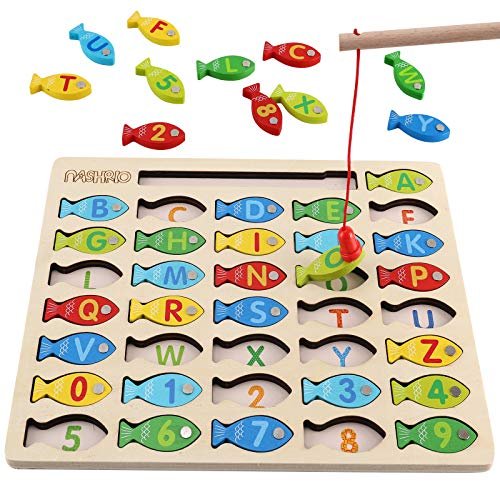
Magnetic Wooden Fishing Game Toy
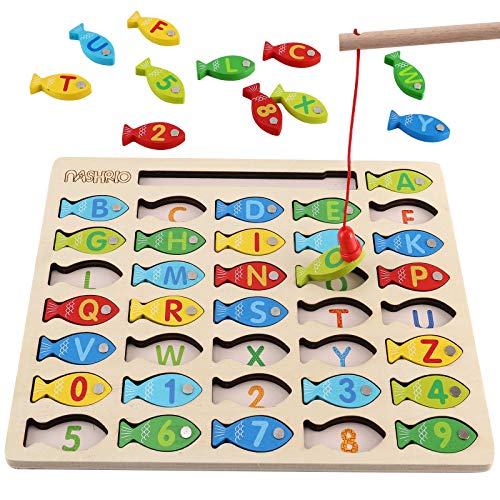
This magnetic fishing game combines pretend play with early ABC and number practice. The child uses a small fishing rod to catch wooden fish, which gives the activity a clear goal. Matching letters and numbers can help parents turn a short game into a simple learning lesson. The fishing motion also asks a child to aim, steady the rod, and control a small movement.
I like this format for children who learn best through touch and action. A parent can ask the child to find a letter, count the fish, or place the pieces in order. The toy can also support color naming and turn-taking during shared play. Since the pieces may be small, an adult should supervise play and follow the product’s age and safety guidance.
Pros:
- Combines alphabet practice and counting
- Uses hands-on play instead of screen time
- Supports aim, grip, and hand-eye coordination
- Works for solo play or parent-led games
- Offers several ways to change the activity
- Wooden pieces create a simple, classic play format
Cons:
- Small pieces need careful storage
- Some children may need help using the fishing rod
- It may feel less engaging after repeated play without new games
What Amazon Buyers Are Saying
Buyer feedback for this type of magnetic fishing toy often focuses on its bright pieces, simple rules, and value as a preschool activity. Adults commonly like that they can add their own counting or letter games. Some reviews may mention that young children need a little practice before they can catch the fish smoothly. Storage also matters, because loose pieces can become scattered after play.
My Recommendation
I recommend this toy for a three-year-old who enjoys games with a clear task. It is especially useful when a parent wants to practice letters and numbers without making the lesson feel formal. It is not the best choice for a child who often puts small objects in the mouth. Overall, it offers strong learning value for its simple design.
| Category | Rating |
|---|---|
| Learning Value | 4.5/5 |
| Fine-Motor Practice | 4.5/5 |
| Play Variety | 4/5 |
| Ease of Use | 4/5 |
| Overall Rating | 4.3/5 |
Double-Sided Art Easel for Kids

This double-sided art easel gives children a place to draw, write, and experiment with marks. One side uses a whiteboard format, while the other uses a chalkboard format. The adjustable design can help the easel fit children at different stages of preschool growth. Magnetic features may also give children a way to display or arrange learning pieces, depending on the included accessories.
Art play supports more than creativity. A child can practice lines, circles, shapes, and early name writing while building hand control. I also like that two children may use opposite sides at the same time, although the available space depends on the setup. Parents should place the easel on a stable surface and check which art supplies come with the specific listing.
Pros:
- Offers both whiteboard and chalkboard play
- Supports drawing and early writing practice
- Encourages open-ended creativity
- Adjustable format can grow with the child
- May support shared play with a sibling
- Gives art supplies a dedicated play station
Cons:
- Needs more floor space than a small tabletop toy
- Chalk and markers can create messes
- Adults must check stability and supervise setup
What Amazon Buyers Are Saying
Reviews for children’s easels often praise the chance to draw on a larger surface and the appeal of having two art modes. Buyers tend to value an adjustable frame when several children use the easel. Common concerns with this product category include cleanup, assembly, and the need to buy replacement art supplies. Parents should read current listing details carefully because included accessories can vary.
My Recommendation
This is my top creative pick among these educational toys for 3 year olds. I recommend it for children who enjoy drawing, pretend school, or making pictures every day. It provides more long-term play than a single worksheet, but it needs a clear place in the home. Buy it when you want to build a regular art habit rather than offer a quick activity.
| Category | Rating |
|---|---|
| Creative Value | 4.5/5 |
| Writing Practice | 4.5/5 |
| Play Space | 4/5 |
| Long-Term Use | 4.5/5 |
| Overall Rating | 4.4/5 |
Reusable Preschool Letter Tracing Workbook

This reusable preschool workbook focuses on letter tracing and early writing practice. It gives a three-year-old a clear path to follow instead of asking the child to write from memory. Repeated practice can help children learn the basic motion of lines, curves, and letter shapes. The workbook format also works well for short sessions at a table, during travel, or before preschool.
I suggest using this book for five to ten minutes at a time. A child may enjoy tracing a few letters, taking a break, and returning later. Adults can say the letter sound, name a matching object, or ask the child to find the same letter elsewhere. This type of activity builds early skills, but it should support play rather than replace movement and free exploration.
Pros:
- Targets early letter and writing skills
- Reusable format can support repeated practice
- Easy to use at home or while traveling
- Encourages short, focused learning sessions
- Needs less storage space than large toys
- Can support parent-child learning time
Cons:
- Some children may find workbook play less exciting
- Requires an appropriate writing tool and adult guidance
- Tracing alone does not cover all preschool learning needs
What Amazon Buyers Are Saying
Parents who choose reusable tracing books often like the repeat-use format and the simple routine. Buyers commonly see value in having a quiet activity for letter practice. Some children need help holding the writing tool or staying within the lines. Feedback can also differ based on a child’s interest in table work, so this book works best when paired with games, stories, and active play.
My Recommendation
I recommend this workbook for a three-year-old who is starting to show interest in letters. It is a practical choice for parents who want a low-cost, low-space learning activity. I would not use it as the only educational toy in the home. As part of a wider mix, it earns a strong rating for early writing support.
| Category | Rating |
|---|---|
| Letter Practice | 4.5/5 |
| Ease of Use | 4.5/5 |
| Portability | 4.5/5 |
| Play Variety | 3.5/5 |
| Overall Rating | 4.2/5 |
125-Piece STEM Building Toy Set

This STEM building set includes 125 pieces for construction and creative play. A child can connect parts, make simple structures, and test what stays together. The large piece count gives parents many ways to change the activity over time. The included storage box can also make cleanup easier than storing loose building parts in a drawer.
At age three, children may need an adult to show one simple build before they work alone. I would start with easy tasks, such as making a tower, line, bridge, or color group. Building play can support planning, spatial thinking, hand strength, and flexible problem-solving. Because the set is labeled for ages three and up, adults should still inspect the pieces and follow the maker’s safety guidance.
Pros:
- Offers many parts for open-ended building
- Supports early STEM and design play
- Encourages planning and trial-and-error learning
- Can grow with a child’s building skill
- Storage box may simplify cleanup
- Works for solo play or guided projects
Cons:
- A three-year-old may need help at first
- Many pieces can spread across the play area
- Small parts require active supervision and sorting
What Amazon Buyers Are Saying
Buyers of preschool building sets often value the number of pieces and the chance to create different designs. Parents tend to like toys that can serve more than one age or skill level. Common concerns include pieces being easy to lose and younger children needing help with more complex builds. Reviews may also discuss the storage case, so I suggest checking current product photos and details before ordering.
My Recommendation
This set is a strong choice for a child who likes to build, take apart, and try again. It ranks among the best educational toys for 3 year olds when the goal is open-ended STEM play. I would choose it for a home with space for construction projects and a parent who can guide the first few sessions. Its flexibility gives it excellent long-term value.
| Category | Rating |
|---|---|
| STEM Learning | 4.5/5 |
| Creative Freedom | 4.5/5 |
| Age Accessibility | 4/5 |
| Storage Value | 4/5 |
| Overall Rating | 4.4/5 |
Take-Apart Dinosaur STEM Toy

This take-apart dinosaur toy brings tool play into a child-friendly STEM activity. The child can use the included electric drill to loosen or tighten parts and then build the dinosaur again. That process can make cause and effect easy to see. It also gives a young child a fun reason to practice turning, holding, matching, and assembling.
The dinosaur theme may attract children who would ignore a plain construction kit. I recommend starting with adult help, since a three-year-old may need support with the tool and the correct order of parts. The activity can become a shared project, then offer more independent play as the child gains confidence. Keep all parts together after use and inspect the toy before each session.
Pros:
- Uses a popular dinosaur theme to invite play
- Introduces basic tool and assembly skills
- Supports fine-motor control and hand strength
- Shows cause and effect in a clear way
- Encourages repair, rebuilding, and persistence
- Can appeal to children who enjoy project play
Cons:
- Young children may need close adult help
- Parts can be lost if they are not stored together
- Battery needs depend on the included or required drill setup
What Amazon Buyers Are Saying
Feedback on take-apart dinosaur toys often highlights the fun theme and the appeal of using a drill. Adults commonly like that the toy turns assembly into a game rather than a plain task. Some buyers note that younger preschoolers may need help with the screws, alignment, or tool control. Since batteries and accessory details can change by listing, I recommend checking the current Amazon page before purchase.
My Recommendation
I recommend this dinosaur toy for a hands-on child who likes machines, animals, or building tasks. It offers a good mix of pretend play and early engineering practice. It is not the best pick for unsupervised play or for a child who becomes frustrated with multi-step tasks. With adult support, it can provide rewarding repeat play.
| Category | Rating |
|---|---|
| Hands-On Learning | 4.5/5 |
| Fine-Motor Skills | 4.5/5 |
| Theme Appeal | 4.5/5 |
| Independent Use | 3.5/5 |
| Overall Rating | 4.2/5 |
How to Choose the Best Educational Toys for 3 Year Olds
Choosing the best educational toys for 3 year olds takes more than picking the toy with the most parts. A good choice should match the child’s current skills, interests, attention span, and play space. I also look for toys that invite repeated use. The strongest preschool toys teach a skill through play, not through pressure.
1. Match the Toy to the Skill You Want to Build
Start with one clear goal. For letter learning, choose a tracing book, alphabet game, or art surface. For early math, look for counting pieces and simple matching tasks. For hand strength and problem-solving, building sets and take-apart toys can work well.
Do not expect one toy to teach every skill. A balanced play space may include one quiet learning item, one creative toy, and one building or movement activity. This mix supports language, fine-motor control, early math, imagination, and social play.
2. Check the Play Level and Safety Details
A toy should feel challenging but not impossible. If a child cannot start without constant adult help, the toy may be too advanced right now. That does not make it a bad toy. It means the toy works best as a shared activity until the child gains skill.
Read the age range and safety notes on the current product listing. Check for small parts, loose pieces, batteries, sharp edges, and cleaning needs. A three-year-old still needs adult supervision with many educational toys, even when the package lists age three or older.
3. Compare Durability, Storage, and Real Value
Look at how the toy will fit into daily life. A large easel may offer excellent creative value but need a permanent spot. A workbook stores easily but may hold attention for less time. A building set can provide many play ideas, yet loose parts need a bin or case.
I also compare repeat play value instead of judging only by the piece count. A toy earns its place when a child can use it in several ways. Before buying, check current photos, included accessories, customer questions, return terms, and recent listing information on Amazon.
Final Verdict: Which Should You Buy?
My top overall pick is the double-sided art easel because it supports drawing, writing, creativity, and long-term open play. The magnetic fishing game is best for ABC and counting practice, while the STEM set suits young builders.
The best educational toys for 3 year olds should fit the child, home, and learning goal. Choose one that invites repeat play and use it with simple guidance.
FAQs Of best educational toys for 3 year olds
What are the best educational toys for 3 year olds?
The best choices include art easels, magnetic alphabet games, tracing books, building sets, and simple take-apart toys. Pick the option that matches the child’s interests and current skills.
Are STEM toys suitable for a three-year-old?
Yes. Choose simple STEM toys made for age three and provide adult help at first. Building, sorting, joining, and taking apart can support early problem-solving.
What educational toy helps a three-year-old learn letters?
A magnetic fishing game or reusable tracing workbook can support letter learning. Short sessions work best, especially when adults add letter sounds and simple word games.
Should a three-year-old use an art easel?
Yes. An age-appropriate easel can support drawing, early writing, color learning, and creative expression. Place it on a stable surface and supervise art supplies.
How long should a three-year-old play with an educational toy?
There is no fixed time. Follow the child’s interest. Five to fifteen minutes may suit a tracing task, while open-ended building or art play may last much longer.
Are educational toys better than regular toys?
Not always. Good regular toys can support imagination and social skills. The best educational toys add a clear learning chance while still allowing the child to have fun.