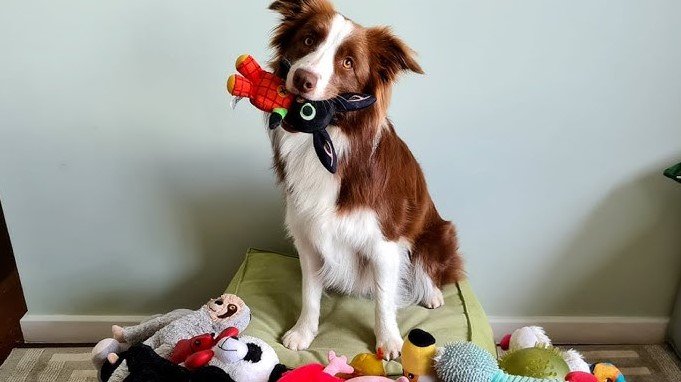
Dogs find toys essential because these objects tap into their natural hunting, foraging, and social instincts. By providing physical and mental stimulation, toys prevent boredom and help your furry friend lead a happier, healthier life in your home.
If you have ever watched your pup pounce on a squeaky plushie or frantically tug on a rope, you have likely asked yourself: why do dogs like toys so much? It is a common scene in households across the globe in 2026. Whether it is a worn-out tennis ball or a high-tech puzzle feeder, our canine companions seem to possess an endless fascination with their playthings. This behavior is far more than just a cute quirk; it is a fundamental part of who they are.
Understanding why dogs are so attached to their toys requires looking back at their ancestry. While they have lived alongside humans for thousands of years, the instincts of the wild wolf remain tucked away in their DNA.
Toys are the modern-day outlet for these ancient drives. When we explore the psychology behind the play, we begin to see that a simple squeaky toy is actually a vital tool for a balanced and fulfilled life.
Key Takeaways
- Evolutionary Roots: Toys mimic prey, allowing dogs to express natural instincts like chasing and shaking safely.
- Mental Health: Engaging with toys provides cognitive challenges that keep your dog’s brain sharp and reduce anxiety.
- Physical Well-being: Active play with toys helps maintain healthy weight and strengthens muscles through movement.
- Bonding Opportunities: Playing together with a toy strengthens the emotional connection between you and your dog.
- Self-Soothing: Soft toys can act as “security blankets,” helping dogs calm down during stressful or lonely moments.
- Behavioral Prevention: Providing appropriate toys teaches dogs what they are allowed to chew, protecting your furniture and shoes.
The Evolutionary Instincts Behind Play
To really answer why do dogs like toys so much, we must examine their history as predators. In the wild, dogs and their ancestors spent much of their day hunting. Even though your dog gets a bowl of food delivered twice a day, their brain still craves the “hunt.”
Mimicking the Hunt
Toys serve as a substitute for prey. When a dog chases a ball, they are practicing their stalking and chasing skills. When they shake a toy, they are mimicking the behavior used to secure food. This is not about aggression; it is about fulfillment. By providing toys, you allow your dog to complete these natural sequences safely within the home environment.
Foraging and Problem Solving
In the wild, much of a dog’s day was spent searching for food. Today, our homes are often too quiet and predictable. Puzzle toys and treat-dispensing devices tap into this foraging drive. When your dog works to get a treat out of a complex plastic toy, they are engaging their problem-solving skills, which provides a level of mental exhaustion that a walk alone simply cannot match.
Toys as Mental Stimulation and Anxiety Relief
Mental health is just as important for dogs as it is for humans. In 2026, we understand more than ever that a bored dog is often a destructive dog. Toys are the primary defense against boredom and the anxiety that often follows it.

Visual guide about Why Do Dogs Like Toys So Much
Image source: i.ytimg.com
Fighting Boredom Through Play
A dog left to their own devices in a house will find “toys” of their own—usually your favorite shoes, the legs of the dining table, or the corner of the rug. By providing a rotation of engaging toys, you keep their mind occupied. When a dog is busy working on a long-lasting chew or trying to figure out a puzzle, they are less likely to seek out forbidden items.
Self-Soothing Behaviors
Have you ever noticed your dog carrying their favorite stuffed animal around when they are tired or after a long day? Many dogs use soft toys as comfort objects. This behavior is similar to a child with a security blanket. The act of gentle gnawing or cuddling a plush toy releases endorphins that help the dog settle down and feel secure in their environment.
The Importance of Physical Exercise
While mental stimulation is crucial, we cannot overlook the physical aspect of why do dogs like toys so much. Movement is essential for a dog’s heart, joints, and overall metabolism. Toys make exercise fun rather than a chore.
Building Muscle and Coordination
Games of fetch are a great example. Jumping to catch a flying disc or sprinting after a tennis ball builds agility, coordination, and cardiovascular strength. Unlike walking on a leash, which is a steady pace, toy-based play allows for interval training, which is excellent for maintaining a healthy weight in domestic pets.
Customized Activity Levels
Not every dog needs the same type of exercise. Older dogs or those with mobility issues might prefer soft, interactive toys that require less running but still provide stimulation. Younger, high-energy breeds might require heavy-duty tug toys. Having the right variety of toys ensures that your dog gets exactly the amount of physical activity they need for their specific life stage.
Bonding Through Interactive Play
The most powerful reason why do dogs like toys so much is the social aspect. Dogs are pack animals, and they thrive on interaction with their “pack” members—you! Toys act as the bridge between your world and theirs.
The Power of Tug-of-War
Many owners worry about playing tug-of-war, thinking it creates aggression. However, when done correctly, it is one of the best ways to bond. It requires focus, communication, and clear rules. It shows your dog that you are a fun partner in play, which builds trust and improves their response to your commands.
Strengthening the Human-Animal Connection
When you sit on the floor and engage with your dog using a toy, you are speaking their language. It is a shared activity that creates positive associations. Over time, your dog will start to view you as the source of all fun things, which naturally increases their desire to listen to you and stay near you.
Choosing the Right Toys for Your Dog
Now that we understand why do dogs like toys so much, it is important to pick the right ones. Not every toy is suitable for every dog, and safety should always be your top priority.
Safety Considerations
Always inspect toys for loose parts that could be swallowed. If a toy is damaged, remove it immediately. In 2026, we have access to incredibly durable, non-toxic materials, so choose products that are specifically designed for your dog’s chewing strength. If your dog is a heavy chewer, avoid thin plastics or toys with small squeakers that can be easily removed.
Rotation and Novelty
If you leave all of your dog’s toys on the floor at once, they will soon lose interest. Think of it like a toy box for a toddler. By keeping some toys put away and rotating them every few days, you keep the “newness” alive. Your dog will feel like they just got a brand-new toy every time you bring out an old favorite from the closet.
Conclusion
The answer to why do dogs like toys so much is simple yet profound: toys represent an essential connection to their true selves. They provide a safe space for hunting instincts, a outlet for restless energy, a way to build confidence, and a vital tool for bonding with their owners. As we move through 2026, the market for dog toys continues to evolve, offering more ways than ever to keep our pets sharp and happy.
Next time your dog drops a slobbery toy at your feet, do not just see it as a nuisance. See it as an invitation to engage with their instincts, support their mental health, and deepen the unique friendship you share. Play is not just a game; it is the heartbeat of a happy dog’s life.
Frequently Asked Questions
Why does my dog only like one specific toy?
Just like people, dogs develop preferences based on scent, texture, and the type of play they enjoy most. That specific toy might feel the most like “prey,” or it may simply have a scent associated with a happy memory or bonding time with you.
Can toys actually help with separation anxiety?
Yes, puzzle toys and heavy-duty chew toys can be great distractions when you leave the house. By providing a challenging, rewarding task, you help redirect their focus from your departure to a positive, engaging activity.
Are squeaky toys bad for dogs?
Squeaky toys are generally safe, but you should monitor your dog to ensure they don’t rip the toy open and swallow the squeaker. If your dog is an aggressive chewer, consider tougher, non-squeaky alternatives to prevent choking hazards.
How many toys should a dog have?
There is no magic number, but having 5 to 10 toys that you rotate is usually plenty. Having too many toys out at once can lead to clutter and can actually cause your dog to lose interest in all of them.
Should I let my dog win at tug-of-war?
Yes, letting your dog win occasionally is great for their confidence and keeps the game fun for them. It encourages them to continue playing and views the game as a team effort rather than a battle for dominance.
Why does my dog shake their toys violently?
Shaking a toy is a deeply ingrained predatory behavior used by dogs in the wild to disable prey. Even the most pampered house pet will perform this “kill shake” when they are excited and fully engaged in play.