
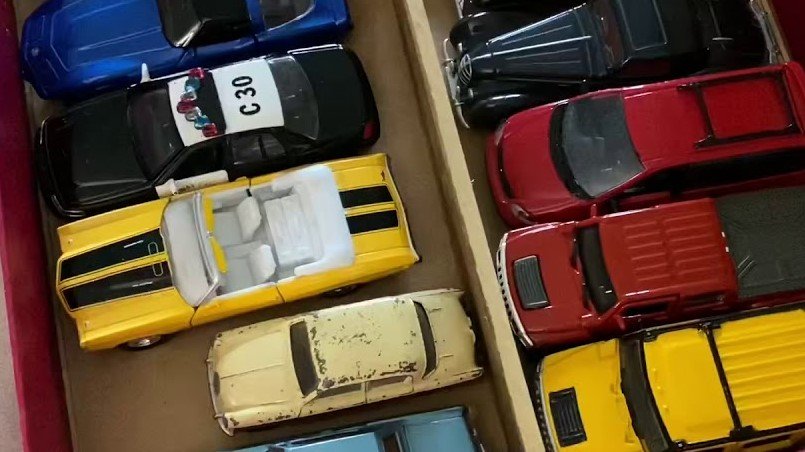
Preserving your collection requires a strategic balance between aesthetic display and environmental protection. This guide covers how to display and store collectible car toys properly by managing light, humidity, and structural integrity to keep your fleet in mint condition for years to come.
There is something truly magical about a perfectly curated collection of miniature automobiles. Whether you are a fan of vintage die-cast muscle cars or the latest high-precision supercars, these tiny machines represent more than just plastic and metal. They are pieces of history, design, and personal joy. However, as any seasoned collector in 2026 knows, the real challenge begins once you bring those treasures home.
Many beginners make the mistake of leaving their cars in cardboard boxes in a damp basement or placing them on an open shelf in direct sunlight. Over time, these conditions can lead to “zinc rot,” fading paint, or brittle wheels. Learning how to display and store collectible car toys properly is not just about aesthetics; it is about preservation. With a little planning, you can ensure your collection stays as vibrant as the day you unboxed it.
Key Takeaways
- Control the Environment: Keep collections away from direct sunlight, extreme heat, and high humidity to prevent paint bubbling and metal fatigue.
- Choose the Right Materials: Use archival-quality plastics and acid-free display cases to avoid chemical reactions that can melt or discolor car finishes.
- Prioritize Dust Prevention: Enclosed cabinets are essential for reducing cleaning frequency and preventing fine scratches on delicate model surfaces.
- Organize for Accessibility: Categorize your collection by scale, manufacturer, or theme to make rotations easier and more enjoyable.
- Document Your Assets: Create a digital inventory of your collectible car toys for insurance purposes and to track current market values.
Understanding Environmental Factors
The biggest enemies of a die-cast collection are invisible. Before you pick a shelf or a cabinet, you must evaluate the environment of your room. Temperature fluctuations and moisture are the primary culprits behind long-term damage.
The Dangers of Sunlight and Heat
Direct sunlight is the natural enemy of your display. UV rays are aggressive; they will bleach the vibrant paint jobs on your favorite models within months. Even if your car toys are sealed in their original packaging, the sunlight will weaken the plastic bubble and turn it an unsightly shade of yellow. Aim to place your display in a room with indirect light or use UV-filtering film on your windows.
Humidity and Temperature Control
Metal models are susceptible to oxidation. If you live in a humid climate, moisture can cause microscopic pitting on the metal bodies of your car toys. Ideally, you want a room that stays between 65 and 72 degrees Fahrenheit with low humidity. Avoid attics or basements that lack climate control. If you have no other choice but to store them in a garage or basement, consider using a high-quality dehumidifier to keep the air dry.
The Art of Displaying Your Collection
When you decide how to display and store collectible car toys properly, the visual impact is usually the first priority. A well-designed display turns your home office or hobby room into a private museum. The key is balance—you want to show off the cars without creating a cluttered mess.

Visual guide about How to Display and Store Collectible Car Toys Properly
Image source: m.media-amazon.com
Choosing the Right Cabinet
Glass-front cabinets are the gold standard for collectors. They provide a clear view of your collection while acting as a physical barrier against dust and curious hands. Look for cabinets with adjustable shelving, which allows you to change the layout as your collection grows. If you collect cars of various scales, such as 1:64 scale and larger 1:18 scale models, adjustable shelves are a lifesaver.
Creative Lighting Solutions
In 2026, LED lighting technology has become incredibly affordable and safe for displays. Unlike old halogen bulbs, LEDs emit very little heat, which is perfect for protecting delicate paint and plastic parts. Consider adding magnetic LED strips to the underside of each shelf. This makes each car pop, especially those with intricate engine details or metallic paint finishes. Always choose “cool white” or “neutral” lighting to ensure the colors of your cars appear as natural as possible.
Strategic Storage for Overflow
Even the most dedicated collector eventually runs out of display space. When it comes time to put some items away, doing it the right way is critical. Stacking cars in a bin is the fastest way to break antennas, mirrors, and spoilers.
Using Archival-Grade Storage
When you need to pack cars away, use acid-free storage boxes. Cardboard boxes are fine, but they must be high-quality and sturdy. Wrap each car in acid-free tissue paper before placing it in the box. This prevents the paint from reacting with the box lining or other cars. If you are storing them loose, use clear plastic organizers that have individual compartments for each vehicle.
Labeling and Inventory Management
Never rely on your memory. As your collection grows into the hundreds, it becomes difficult to remember exactly where that special edition roadster is hiding. Use a simple spreadsheet or a dedicated collection app to track your inventory. Note the make, model, scale, manufacturer, and the specific box or bin location. By knowing how to display and store collectible car toys properly, you can rotate your collection seasonally, keeping your display fresh and your stored cars safe.
Handling and Maintenance Basics
You cannot enjoy your collection if you are afraid to touch it, but you must handle your car toys with care. Oils from human fingers can be acidic and may leave marks on polished surfaces over time.
The Importance of Clean Hands
Before handling your models, wash your hands thoroughly to remove natural oils. For high-value or rare items, consider wearing thin cotton gloves. This simple habit prevents fingerprints and long-term chemical reactions between your skin oils and the metal or plastic surfaces of the car.
Dusting Techniques
Dust is abrasive. When you wipe a car with a rough cloth, you are essentially rubbing microscopic dirt into the paint. Instead of traditional dusting, use a soft-bristled makeup brush or a camera lens blower to gently remove dust from crevices. If you must use a cloth, use a microfiber cloth designed for delicate surfaces and avoid applying pressure.
Safety for Kids and Pets
If you live in a household with children or pets, your display strategy needs a security upgrade. A curious toddler or a playful cat can turn a prized collection into a heap of scrap metal in seconds.
Locking Cabinets
If your display is within reach, choose cabinets with locking doors. This is a small investment that offers peace of mind. It prevents accidental falls and keeps your collection safe from those who might not understand the value or fragility of the items.
Height and Location
Place your most valuable or fragile pieces on the highest shelves. Not only does this keep them away from children and pets, but it also creates a great focal point for your room. Lower shelves can be reserved for more durable, less expensive items that you do not mind being handled or viewed from a standing position.
Protecting the Value of Your Investment
Most collectors view their car toys as both a hobby and an investment. Understanding how to display and store collectible car toys properly directly impacts their resale value. Collectors looking to buy in the future will always pay more for items that have been kept in pristine, smoke-free, and dust-free environments.
The Original Packaging Factor
If you choose to keep your cars in their original packaging, make sure you do not lean them against one another. The plastic blisters can warp or crack if there is consistent pressure. If you are a “loose” collector, keep the original boxes in a separate, flat-packed storage area. Storing the original packaging alongside the item can increase its future market value by a significant margin.
Insurance Considerations
Once your collection reaches a certain value, standard home insurance might not cover it. Document your collection with high-quality photos. Every time you add a new piece, take a photo and update your inventory log. Keep these records in a secure cloud drive. Having a visual record is invaluable in the event of theft, fire, or accidental damage.
Maintaining a collection is a marathon, not a sprint. By prioritizing the environment, using the right tools for display and storage, and keeping your inventory organized, you ensure that your passion for automotive history remains a source of pride for years. Start by evaluating your current setup today—your future self, and your collection, will thank you for the extra effort.
Frequently Asked Questions
What is the best way to clean dusty car toys?
Use a soft-bristled brush, such as a clean makeup brush, to gently sweep dust off the car without scratching the paint. For heavier dust, a small, manual air blower used for camera lenses is an excellent, non-contact tool.
Should I keep my car toys in their original boxes?
Keeping them in original packaging preserves their long-term monetary value, but it does limit your ability to see and handle them. If you prefer to display them loose, carefully fold and store the original boxes in a cool, dry place to maintain their resale potential.
Can I display my cars near a window?
It is generally discouraged because UV rays cause fading and yellowing of both paint and plastic parts. If a window is your only option, install UV-blocking window film to filter out the most damaging light.
How do I prevent metal fatigue in die-cast cars?
Metal fatigue, or “zinc rot,” is often caused by impurities in the metal casting process and high humidity. Keep your models in a climate-controlled room with low humidity to minimize the risk of this chemical breakdown.
How often should I rotate my collection?
Rotating your display every three to six months is a great way to keep your hobby engaging. It also gives you the perfect opportunity to inspect your cars for dust or damage during the swap.
What is the best material for custom shelving?
Tempered glass is the best material because it is strong, clear, and easy to clean. If using wood or plastic, ensure that the materials are archival-grade or properly sealed to avoid off-gassing, which can harm the car’s finish over time.