Keeping your children’s toys clean is essential for maintaining a healthy home environment. By following our simple, safe, and effective methods, you can ensure your little one’s playthings stay germ-free without using harsh chemicals.
As we navigate through 2026, keeping our homes clean feels more important than ever. If you are a parent, you know that toys end up everywhere. They go from the living room floor to the sandbox, and often, right into your child’s mouth. While we want to let our kids explore, we also want to keep those pesky germs at bay. Knowing how to disinfect kids toys properly is a skill that saves time and keeps your family healthy.
Many parents worry about using harsh chemicals around their little ones. The good news is that you do not need heavy-duty cleaners to get the job done. Most germs can be eliminated with simple household items or a quick trip through the dishwasher. In this guide, we will break down the best ways to clean, sanitize, and disinfect your child’s favorite items so you can have peace of mind while they play.
Key Takeaways
- Categorize by material: Different toys require different cleaning methods to prevent damage and ensure safety.
- Prioritize safety: Always rinse toys thoroughly after using disinfecting agents to avoid chemical residue.
- Consistency is key: Regular maintenance is easier than deep cleaning accumulated grime and bacteria.
- Use natural alternatives: Vinegar and water solutions are highly effective for everyday surface cleaning on non-porous items.
- Don’t forget the soft items: Stuffed animals and fabric toys often harbor dust mites and require machine washing.
The Difference Between Cleaning and Disinfecting
Before you start scrubbing, it is helpful to understand the difference between cleaning, sanitizing, and disinfecting. These terms are often used interchangeably, but they mean very different things in terms of hygiene.
What Does “Cleaning” Actually Do?
Cleaning is the physical act of removing dirt, dust, and crumbs from a surface. Using soap and water is the gold standard for this. When you wash a toy with dish soap, you are physically lifting germs off the surface and washing them down the drain. For most daily play, soap and water are all you really need.
When to Step Up to Disinfecting
Disinfecting is a stronger process. It involves using chemicals or high heat to actually kill the bacteria and viruses living on a surface. You should reserve disinfecting for times when a child has been sick, after a playdate with several other kids, or if a toy has been dropped in a high-traffic public area. You do not need to disinfect every single toy every single day.
How to Disinfect Kids Toys Made of Plastic
Plastic toys are the easiest to clean because they are durable and usually non-porous. Because they do not absorb liquids, they are less likely to hold onto deep-seated bacteria.
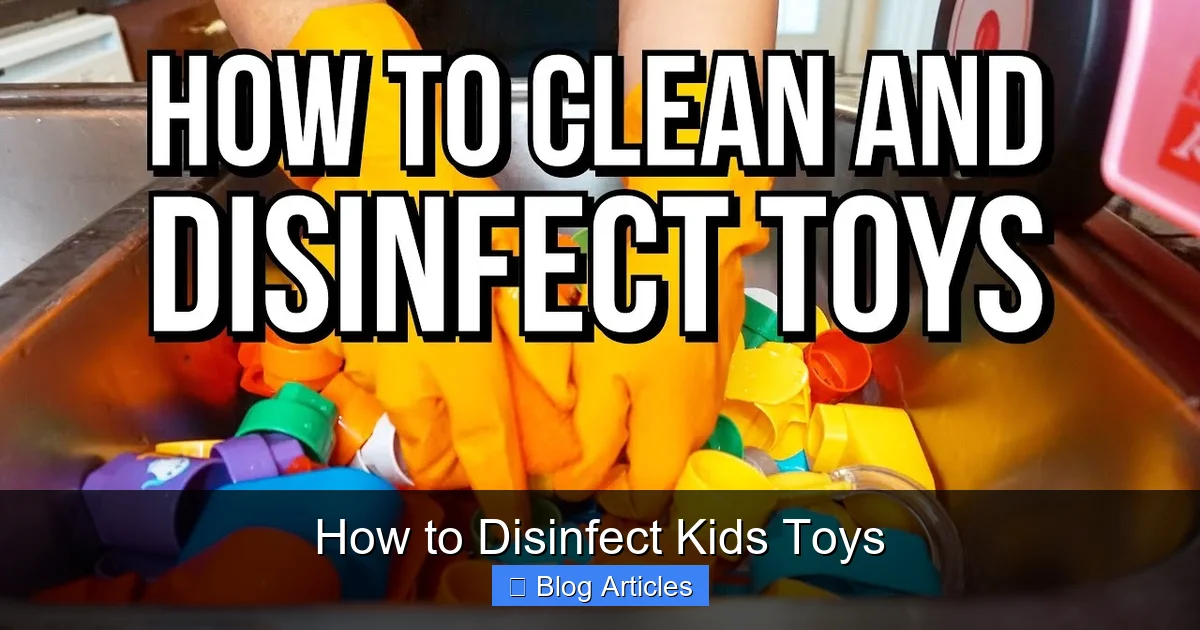
Visual guide about How to Disinfect Kids Toys
Image source: i.ytimg.com
The Dishwasher Method
If you have hard, dishwasher-safe plastic toys, let your machine do the work. Place the toys on the top rack of your dishwasher. Use a normal cycle with a heated dry setting. The high heat of the water and the steam cycle acts as a powerful disinfectant. Just make sure the toys do not have batteries or electronic components before you toss them in.
The Vinegar and Water Solution
For items that cannot go in the dishwasher, reach for white vinegar. Mix one part vinegar with one part warm water in a spray bottle. Vinegar is a natural disinfectant that is safe for little ones. Spray the toys thoroughly, let them sit for a few minutes, and then wipe them clean with a damp cloth. This is a great way to disinfect kids toys without worrying about toxic fumes.
Managing Stuffed Animals and Fabric Toys
Soft toys are like magnets for dust, dander, and saliva. Because they are porous, they are a little trickier to clean. However, keeping them fresh is vital for your child’s health.
Machine Washing Basics
Most stuffed animals come with a tag that tells you if they are machine washable. If they are, place them in a mesh laundry bag or a pillowcase to protect them during the cycle. Use a gentle detergent and a delicate cycle. If the toy is very precious, choose cold water to prevent shrinking or fading.
Deep Cleaning Without a Machine
If a toy cannot be put in the washer, you can spot-clean it. Use a mixture of gentle soap and water to wipe down the surface. For a deeper refresh, place the toy in a bag with a cup of baking soda. Shake the bag well and let it sit for thirty minutes. The baking soda will absorb odors and lift dirt. Afterward, take the toy outside and give it a good shake or use a vacuum hose to remove the powder.
Handling Electronic and Battery-Operated Toys
Electronics are the most challenging items to clean because you cannot submerge them in water. If you get moisture inside the battery compartment, you risk ruining the toy or causing a short circuit.
The Wipe-Down Technique
To disinfect electronic toys, dampen a microfiber cloth with a disinfecting wipe or a light vinegar solution. Ensure the cloth is damp but not dripping wet. Carefully wipe all external surfaces, being extra cautious around buttons and speaker holes. Never spray cleaning solutions directly onto the device; always spray your cloth first.
A Note on Battery Safety
Before you start, remove the batteries. This prevents any accidental activation while you are cleaning. Inspect the battery compartment for any corrosion or dust. If you see white or blue powder in the battery area, use a dry cotton swab to gently wipe it out. Keeping these compartments clean ensures the toy lasts longer and functions safely for your child.
Natural vs. Chemical Disinfectants
In 2026, many parents are choosing greener, more natural cleaning paths. While commercial cleaners are effective, they are not always the best choice for items your child might put in their mouth.
When to Use Natural Cleaners
For daily maintenance, stick to mild dish soap or a vinegar-water mix. These are perfectly safe, inexpensive, and effective at removing surface germs. They do not leave behind harsh residues that your child might ingest.
When to Use Stronger Agents
If someone in your home has been dealing with a stomach bug or the flu, you might feel the need for something stronger. In these cases, a diluted bleach solution (one tablespoon of bleach per gallon of water) is acceptable. However, you must rinse the toys very thoroughly after cleaning with bleach. Let them air dry completely before handing them back to your child. Safety should always be your top priority when using stronger chemicals.
Establish a Routine for Toy Maintenance
The best way to keep your house clean is to make toy hygiene a habit. It is much easier to wipe down a few items than it is to spend an entire weekend deep cleaning every single toy your child owns.
Create a “Dirty Toy” Bin
Designate a specific box or basket for toys that have been played with outside or have been handled by other children. When toys go into the “dirty bin,” they stay there until they get a quick wash. This prevents germs from spreading to the rest of the play area.
Involve the Kids
As your children get older, involve them in the process. Make it a game! Kids often enjoy helping “wash” their toys in a soapy bucket of water. Not only does this teach them responsibility, but it also helps them understand why we keep our things clean. By following these steps to disinfect kids toys, you are creating a safer, healthier, and happier home for everyone.
Remember, you do not have to be perfect. The goal is to reduce the spread of germs, not to create a sterile laboratory. By staying consistent and choosing the right methods for each material, you are doing a great job protecting your little ones. Happy cleaning!
Frequently Asked Questions
How often should I disinfect kids toys?
You should disinfect toys whenever they have been exposed to sick children, shared at a playdate, or dropped in public places. For everyday play, a simple wash with soap and water is usually enough to keep things clean.
Can I put all plastic toys in the dishwasher?
Most hard plastic toys are dishwasher safe, but you should avoid putting in any items with batteries or delicate electronic parts. Always check the toy’s label or manufacturer’s instructions if you are unsure.
Is it safe to use bleach on my child’s toys?
Bleach can be used for deep disinfection, but you must dilute it heavily and rinse the toys thoroughly afterward. It is generally better to use milder, natural alternatives like vinegar unless you are dealing with a significant illness in the home.
What is the best way to clean stuffed animals?
Check the care tag first to see if they are machine washable. If they are, use a mesh bag to protect them in the wash; if they are not, use spot cleaning or a baking soda shake-and-vacuum method.
How do I clean electronic toys without breaking them?
Remove the batteries first and then wipe the exterior with a slightly damp, lint-free cloth. Never spray liquid directly onto the toy, as this can seep into the internal circuits and cause damage.
What should I do if a toy cannot be cleaned?
If a toy is porous, heavily stained, or damaged to the point where it cannot be properly cleaned, it is best to discard it. Toys that accumulate deep grime or mold are not worth the risk to your child’s health.