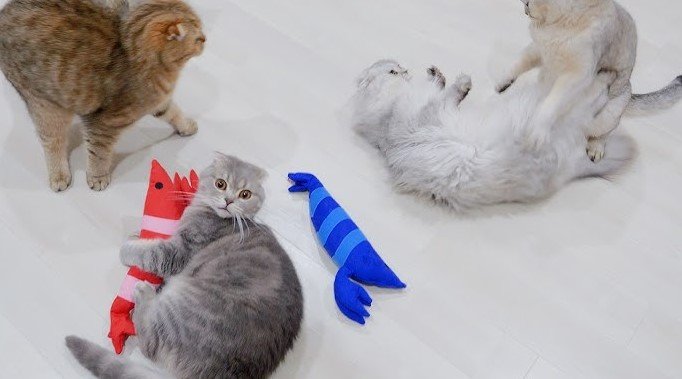
Kicker toys are more than just fun; they serve as a crucial outlet for your cat’s natural predatory instincts. By providing a safe way to simulate hunting and wrestling, these toys help reduce stress and improve physical fitness for cats of all ages.
If you share your home with a cat, you have likely seen it. You are relaxing on the couch when suddenly, your cat grabs a plush toy with its front paws, hugs it tight, and begins a frantic, rhythmic kicking motion with its hind legs. It looks both hilarious and a little bit intense. You might find yourself asking, “Why do cats like kicker toys?” It is a fascinating question that leads us into the heart of what it means to be a feline.
At their core, cats are master hunters. Even if your cat has never stepped outside and relies on a food bowl for every meal, its brain is hardwired for the hunt. The kicker toy is essentially a substitute for prey. By understanding this, we can better appreciate how these simple toys provide necessary stimulation for our domestic pets in the year 2026 and beyond.
Key Takeaways
- Natural Instincts: Kicker toys allow cats to perform the “bunny kick,” a core part of their predatory hunting behavior.
- Stress Relief: Engaging with a kicker toy provides a healthy emotional release for pent-up energy and anxiety.
- Physical Health: Regular play sessions with kickers help maintain muscle tone and support cardiovascular health.
- Safe Play: These toys provide an appropriate target for wrestling, saving your hands and furniture from scratches.
- Bonding Opportunities: Interactive play with kickers can strengthen the bond between you and your feline companion.
- Enrichment: Scented kicker toys, especially those with catnip or silvervine, add a sensory layer to playtime.
The Science of the Bunny Kick
The “bunny kick” is a signature move in the feline repertoire. When a cat catches prey, it doesn’t just bite once. It secures the prey with its front claws and then uses its powerful back legs to rake the belly of the target. This behavior is designed to disable prey quickly and protect the cat from being bitten or scratched by a struggling animal.
How Instincts Drive Play
When your cat attacks a kicker toy, it is not just being silly. It is practicing a survival skill. The anatomy of a cat is specifically built for this motion. Their back legs are significantly stronger than their front legs, containing massive muscle groups that allow for explosive power. A kicker toy provides the perfect amount of resistance for them to exercise these muscles without actually hurting anything.
The Role of Sensory Feedback
Why do cats like kicker toys so much more than a simple ball or a feather wand in certain moods? It is about the “hugging” sensation. Cats enjoy the feeling of tactile feedback. When they wrap their paws around a toy, they receive sensory input that mimics the texture of fur or feathers. This feedback loop makes the game feel authentic, triggering the release of dopamine in their brains.
Physical Benefits for Your Indoor Cat
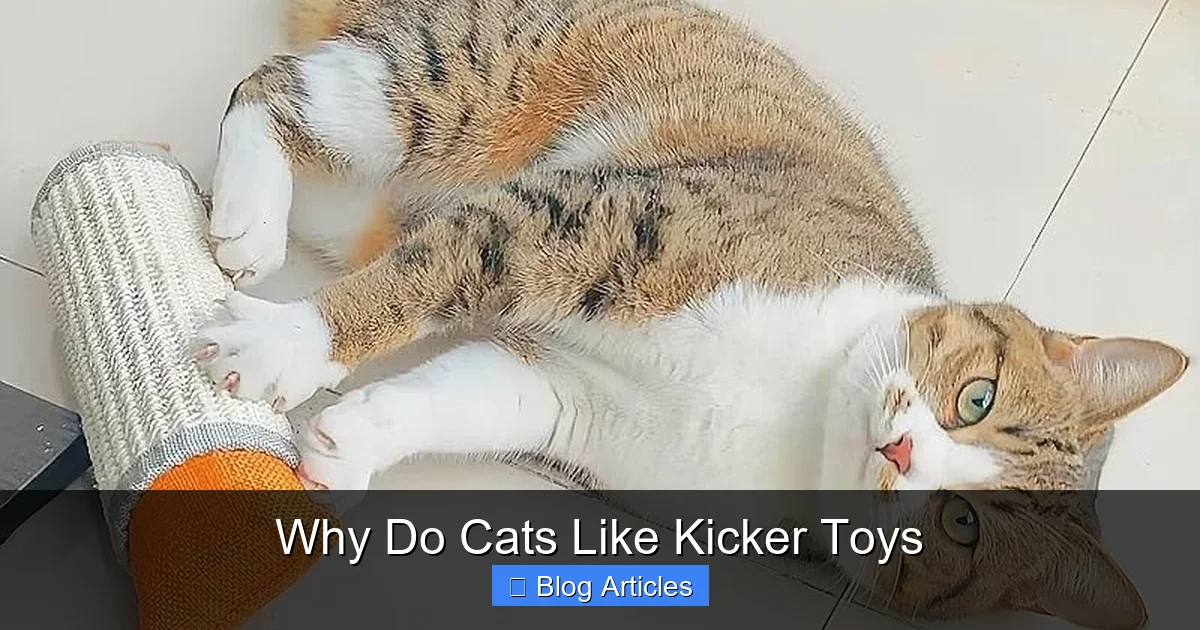
Visual guide about Why Do Cats Like Kicker Toys
Image source: m.media-amazon.com
In 2026, many of us keep our cats strictly indoors to keep them safe. While this is the right choice for their longevity, it often leads to a sedentary lifestyle. An indoor cat might sleep for sixteen hours a day, which can lead to obesity and lethargy. Kicker toys are a fantastic way to encourage movement.
Combating Feline Obesity
Obesity is a major concern for indoor cats. When a cat engages with a long, sturdy kicker toy, it is getting a full-body workout. They are flexing their core muscles, stretching their spines, and getting their heart rate up. By scattering a few kicker toys around the house, you encourage your cat to engage in short, high-intensity bursts of activity throughout the day.
Improving Muscle Tone
Unlike chasing a laser pointer, which only exercises the cat’s visual focus and minor movements, the kicker toy engages the entire skeletal system. The act of grabbing, holding, and kicking requires balance and coordination. Over time, this helps your cat maintain the lean muscle mass necessary for jumping and agility, keeping them feeling like a kitten well into their senior years.
Psychological Enrichment and Stress Relief
We often forget that cats can experience boredom and frustration. If a cat does not have a “job” to do, they may turn their energy toward undesirable behaviors, like clawing your curtains or attacking your ankles as you walk by. Kicker toys are the perfect solution to channel this energy constructively.
Managing Pent-Up Energy
If you have ever had a cat perform “the zoomies” at three in the morning, you understand the need for energy regulation. A kicker toy acts as an emotional outlet. By allowing your cat to “kill” its toy, you are helping them complete the predatory cycle. This completion leads to a sense of satisfaction, which is often followed by a long, peaceful nap.
The Calming Effect of Routine Play
Predictability is important for cats. By establishing a routine where you play with your cat using a kicker toy at a specific time each day, you build security. The play sessions reduce cortisol levels, which is the primary stress hormone. A cat that has regular access to enrichment toys is generally more confident and less prone to anxiety-driven behaviors like over-grooming.
Choosing the Right Kicker Toy
Not all toys are created equal. As we look at the trends in 2026 pet supplies, we see a rise in high-quality, durable materials designed specifically for the intense force of a cat’s kick. When shopping for your cat, consider the size, the material, and the scent.
Material and Durability
Cats have sharp claws. If you buy a flimsy toy, it will be destroyed in minutes, leaving stuffing everywhere. Look for toys made from heavy-duty canvas, denim, or reinforced plush. These materials can withstand the raking motion of sharp claws. If you have a particularly aggressive kicker, consider a toy with double-stitched seams.
The Importance of Size
Why do cats like kicker toys that are large? Because they need something substantial to grab. A tiny mouse toy is hard to hold while kicking. A long, cylinder-shaped toy, roughly the size of a squirrel or a rabbit, is the ideal target. It allows the cat to get both front paws around it comfortably while the back legs have plenty of room to work.
Sensory Enhancements
Many modern kicker toys come infused with catnip, silvervine, or valerian root. These natural herbs act as mild stimulants for many cats. If your cat is older or a bit lazy, a scented toy can be the extra nudge they need to get interested in playtime. However, always ensure the toy is non-toxic and well-constructed so your cat does not ingest the stuffing.
Redirecting Negative Behaviors
Have you ever been sitting on the floor and had your cat suddenly pounce on your hand, biting and kicking your arm? This is a common behavior often called “play aggression.” While it is meant to be a game, it can be painful for us!
The “Hand-is-Not-a-Toy” Rule
The most important rule in cat ownership is never to use your hands as toys. If you do, you are teaching your cat that skin is a fair target. If your cat starts to get wild during play, immediately redirect them toward a kicker toy. By placing the toy in their paws, you teach them that the toy is for kicking, not your fingers.
Building Better Play Habits
If your cat has a history of attacking your legs or hands, keep a kicker toy near you at all times. When the “pounce” look appears in their eyes, toss the toy toward them. This creates a positive association with the toy and saves your skin. With time and consistency, your cat will learn that the toy provides the intense feedback they crave, not your body parts.
Conclusion: The Value of Play
So, why do cats like kicker toys? It is because these simple objects unlock the wild spirit within them. They bridge the gap between their natural evolutionary needs and the reality of a safe, indoor home. By providing these toys, you are doing more than just buying a product; you are fulfilling a biological need.
Whether your cat is a young, energetic kitten or a refined senior, a good kicker toy is an essential piece of their toolkit. It keeps them fit, keeps them happy, and most importantly, it deepens the connection between you.
The next time you see your cat hugging a toy and kicking away with wild abandon, just smile. They are simply doing what cats have done for thousands of years mastering the hunt in their own living room. Make sure to keep those toys fresh, keep your cat moving, and enjoy the show!
Frequently Asked Questions
Why do cats perform the “bunny kick” behavior?
The bunny kick is a natural predatory instinct used to disable prey while protecting the cat’s vital organs from injury. It is a way for them to practice hunting skills and release excess energy.
Are kicker toys safe for all cats?
Yes, they are generally safe, but you should choose the right size and durability based on your cat’s weight and play style. Always inspect toys for loose parts or damaged seams to prevent accidental ingestion of stuffing.
How often should I encourage my cat to use a kicker toy?
Aim for two to three short, ten-minute play sessions per day. This consistency helps manage your cat’s energy levels and provides regular physical exercise.
What if my cat ignores the kicker toy?
If your cat isn’t interested, try a different scent like silvervine instead of catnip, or look for a toy with a different texture. You can also try dangling it on a string to mimic movement before letting them “catch” and kick it.
Can kicker toys help with aggression?
Yes, they are a great tool for redirecting play aggression away from your hands and feet. When your cat gets rowdy, immediately substitute your hand with a kicker toy to teach them what is appropriate to bite and scratch.
Are there any risks to using catnip-filled toys?
Catnip is non-toxic, but some cats may become overstimulated. If your cat becomes overly aggressive or stressed after using a catnip toy, switch to a non-scented option or a different herb like silvervine.