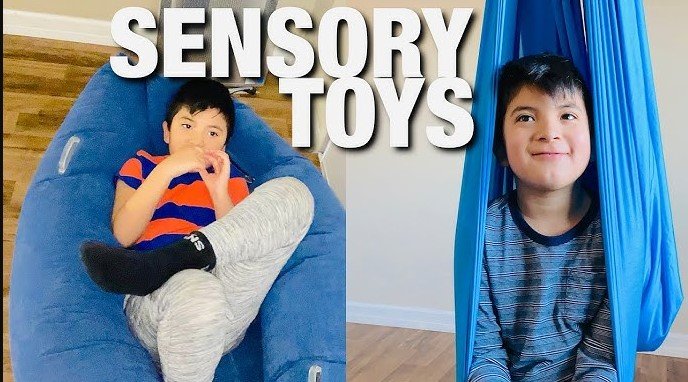
Sensory toys are vital tools that help autistic individuals navigate an overwhelming world by providing calming or stimulating input. By supporting self-regulation and focus, these toys empower users to feel more comfortable, confident, and engaged in their daily lives.
Walking into a room full of bright lights, loud noises, and busy patterns can feel like a sensory minefield for someone on the autism spectrum. Many people ask, why are sensory toys important for autism? The answer is simpler than you might think. For many, the world is often too loud, too bright, or too unpredictable. Sensory toys act like a personal filter or a grounding tool that helps manage that intense incoming information.
As we move through 2026, our understanding of neurodiversity has shifted. We no longer just see sensory toys as simple playthings. Instead, we recognize them as essential supports for daily living. Whether you are a parent, a teacher, or someone on the spectrum yourself, understanding how these tools function is a total game-changer. Let us explore why these devices are so much more than just plastic gadgets.
Key Takeaways
- Regulation: Sensory toys act as anchors that help individuals maintain emotional balance during stressful moments.
- Focus: Using fidget tools can help improve concentration by providing a controlled outlet for excess physical energy.
- Skill Building: These toys often assist in developing fine motor skills and hand-eye coordination through play.
- Communication: Sensory tools can serve as a bridge for non-verbal expression and social interaction.
- Personalization: Every autistic person has different sensory needs, making it essential to choose tools that match their unique preferences.
- Accessibility: Modern 2026 sensory technology integrates better with therapeutic goals than ever before.
Understanding Sensory Processing Needs
To understand why are sensory toys important for autism, we must first look at sensory processing. Many autistic individuals experience either sensory hypersensitivity or hyposensitivity. Some people feel everything at 200 percent intensity, while others crave more physical input to feel grounded. These differences shape how they interact with their environment every single day.
The Search for Calm
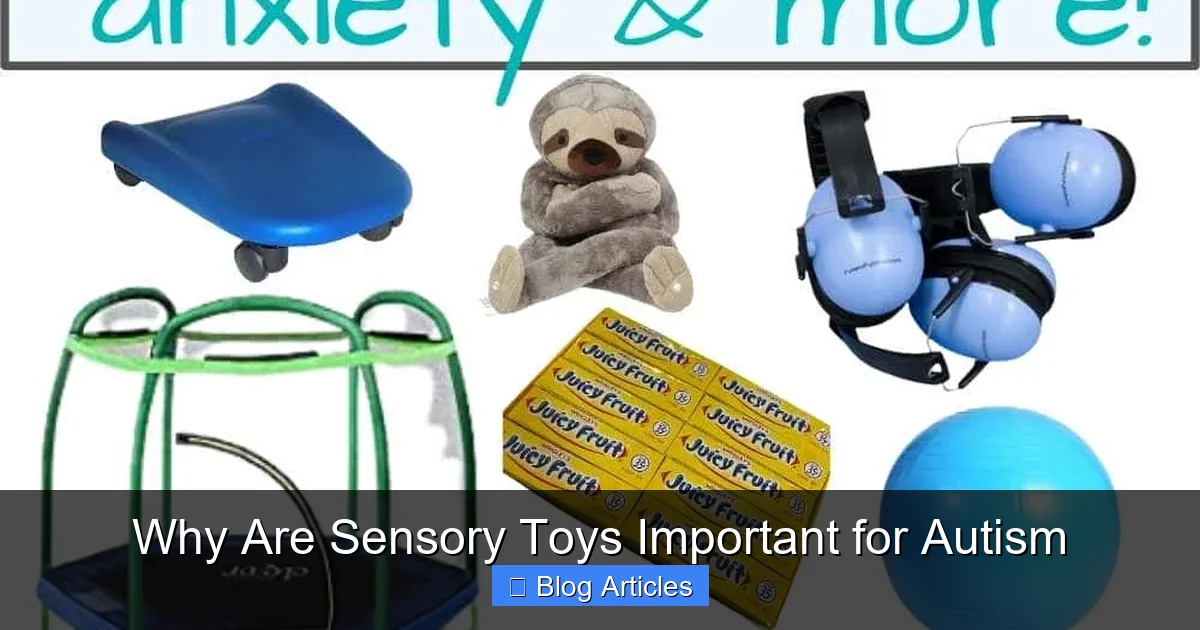
When an autistic child or adult becomes overwhelmed, they might seek relief through “stimming,” or self-stimulatory behavior. This might look like rocking, spinning, or repetitive movements. Sensory toys provide a safe and constructive outlet for these needs. A weighted plushie or a soft, squishy ball can provide deep pressure input. This input is known to help the nervous system settle down and signal to the brain that the body is safe.
Seeking Needed Stimulation
On the other hand, some individuals need more input to stay alert. This is where sensory toys that offer tactile or visual stimulation come in. Think of bubble poppers, textured stress balls, or vibrating pillows. These tools provide the necessary “zest” that the brain needs to stay focused during a task. By using these items, the person can stay present without becoming restless or distracted by other factors in the room.
The Role of Sensory Toys in Emotional Regulation
Emotional regulation is a major goal for many therapists and families. Why are sensory toys important for autism in this context? Because they provide an immediate, accessible way to shift a mood. When a meltdown feels like it is brewing, a sensory tool can break the cycle of anxiety.
Interrupting the Anxiety Loop
When a person feels anxious, their heart rate rises and their brain goes into fight-or-flight mode. A handheld fidget toy allows them to shift their focus from the internal panic to an external, rhythmic activity. The tactile feedback of clicking, stretching, or rolling a toy provides a distraction that allows the prefrontal cortex to come back online. This transition is essential for cooling down and regaining control.
Providing a Sense of Security
Many sensory items are designed to be comforting. Weighted blankets or sensory tunnels create a “cocoon” effect. This physical containment is incredibly reassuring for someone struggling with social anxiety or sensory overload. By having these tools nearby, a person feels prepared for any situation, which naturally reduces their baseline anxiety levels throughout the day.
Improving Focus and Cognitive Engagement
It is a common misconception that fidgeting is the same thing as being distracted. In reality, for many neurodivergent brains, movement is a prerequisite for thinking. This is a huge reason why are sensory toys important for autism in school and work settings.
The Kinesthetic Advantage
When a student is forced to sit still, all their energy goes into trying to keep their body quiet. This leaves very little energy for learning. If that same student is allowed to use a silent fidget toy under their desk, they can release that physical energy while keeping their mind on the lesson. It is essentially multi-tasking in a way that aligns with their biology rather than fighting against it.
Bridging the Gap
Sensory toys also help bridge the gap between abstract concepts and physical reality. For younger children, tactile toys can teach cause and effect. If I push this button, it lights up. If I stretch this band, it changes shape. This foundational learning helps children develop better cognitive patterns, making it easier for them to transition to more complex tasks in the future.
Developing Motor Skills Through Play
Beyond the mental benefits, these tools are wonderful for physical development. Many autistic children face challenges with fine motor skills, which can impact daily tasks like writing, buttoning a shirt, or using utensils. Sensory toys often require precise finger movements that turn therapy into fun.
Fine Motor Skill Practice
Toys like squeeze beads, putties, or intricate puzzles require the use of small muscles in the hands and fingers. By engaging with these toys daily, the user is building strength and dexterity without the pressure of a traditional therapy session. It is practice disguised as play, which leads to much higher engagement levels.
Hand-Eye Coordination
Activities involving tracking lights or catching textured balls help improve hand-eye coordination. This is vital for participating in physical education or playdates with peers. When a child feels more confident in their physical abilities, they are more likely to participate in social activities, which is a major win for development.
Creating a Personalized Sensory Toolkit
Since everyone has unique needs, the best way to use sensory toys is to build a personalized kit. You might be wondering, why are sensory toys important for autism if every person is so different? The answer is that their “importance” lies in their versatility. A kit should be a mix of tools that serve different purposes.
Tips for Building Your Kit
When building a kit for yourself or a loved one, start by observing what they naturally do. Do they like to chew? Do they like to squeeze things? Do they enjoy looking at flowing lights? Once you know their preferences, pick items that match. In 2026, we have access to high-quality, durable materials that are easier to clean and quieter than ever before. Always include at least one “calm-down” item, one “alerting” item, and one “portable” item for use in public spaces.
Maintenance and Hygiene
Since sensory toys are handled often, they get dirty. Part of the teaching process involves learning how to take care of these items. Show the user how to wipe down their toys or store them properly. This promotes responsibility and makes the toys feel like a valued part of their routine rather than just clutter on the floor.
The Future of Sensory Support in 2026
As we look at the landscape of 2026, technology is merging with traditional sensory play. We are seeing tools that react to the user’s pulse or change color based on sound patterns. These advancements answer the question of why are sensory toys important for autism by showing that we are now creating environments that adapt to the individual.
The Shift Toward Inclusion
Sensory tools are becoming more accepted in public spaces, offices, and schools. We are moving away from the idea that these tools are “odd.” Instead, they are seen as universal design elements. Just like some people wear glasses to help them see, others use sensory toys to help them process the world. This culture of acceptance is the greatest gift we can give to the neurodivergent community.
Final Thoughts on Empowerment
Ultimately, sensory toys are about empowerment. They give the user agency over their own experience. By providing a way to self-regulate, focus, and grow, these toys enable autistic individuals to navigate a busy world on their own terms. When we provide these tools, we are saying, “we understand you, and we support your need to feel comfortable.”
If you are just starting your journey with sensory tools, remember to be patient. It might take time to find the right item that clicks. But when you do, the difference it makes in quality of life is profound. Whether it is a simple marble-in-mesh fidget or a high-tech vibrating sensory cushion, these small tools make a massive impact. Keep exploring, keep playing, and keep supporting the unique sensory needs of every person you know.
Frequently Asked Questions
Do sensory toys work for everyone on the autism spectrum?
While sensory toys are highly beneficial, every individual on the autism spectrum is different. What provides comfort to one person may be overstimulating to another, so it is important to find the specific tools that suit an individual’s unique sensory profile.
At what age should a child start using sensory toys?
There is no specific age requirement, as sensory play can be introduced as early as infancy. Many sensory toys are safe for babies and toddlers, and they continue to be useful tools well into adulthood for managing stress and focus.
Are sensory toys only for children?
Definitely not! Adults on the autism spectrum often find sensory toys to be essential for managing workplace stress, anxiety during travel, and maintaining focus during long meetings or tasks.
How can I tell if a sensory toy is actually helping?
Look for positive behavioral changes such as reduced signs of distress, longer periods of engagement, or an improved ability to transition between tasks. If the toy is helpful, the individual will likely reach for it voluntarily when they need support.
Can sensory toys be used in school environments?
Yes, many schools now recognize the value of sensory tools and include them in Individualized Education Programs (IEPs). It is always best to discuss with teachers how a “fidget-friendly” policy can be implemented to support the student’s learning.
What is the best way to choose the first sensory toy?
Observe the person’s current behaviors to see if they seek or avoid certain textures, movements, or sounds. Start with a simple, inexpensive toy that aligns with those tendencies, such as a squishy ball for hand strength or a smooth stone for tactile grounding.