Choosing the right toys for an autistic child is about understanding their unique sensory profile and developmental goals. This guide explores how to select items that provide comfort, foster communication, and encourage joyful exploration in 2026.
Finding the perfect playthings for your little one can sometimes feel like a puzzle. In 2026, we have a better understanding than ever before that play is not just for fun; it is the primary way children learn about the world. When asking what toys are good for an autistic child, it is helpful to look past traditional labels. Instead, we want to look at how a specific item interacts with a child’s sensory, social, and physical needs.
Every autistic child is a unique individual. Some might love the deep pressure of a heavy blanket, while others might crave the rhythmic motion of a swing. The key to a successful toy collection is keeping an open mind and observing your child’s reactions. Let’s explore how to curate a toy box that supports their growth, sparks their curiosity, and provides a safe space for expression.
Key Takeaways
- Understand Sensory Needs: Every autistic child has different sensory preferences, so observe what calms or engages them before purchasing.
- Prioritize Durability: Autistic children may explore toys through repetitive motions or intense pressure, requiring high-quality, long-lasting materials.
- Focus on Skill Development: Select toys that bridge the gap between play and real-world skills, such as fine motor control or emotional regulation.
- Avoid Overstimulation: For many children, simple is better; choose toys that don’t rely on excessive flashing lights or loud, unpredictable noises.
- Encourage Parallel Play: Look for toys that allow for independent exploration while providing opportunities for social interaction when the child is ready.
- Follow the Child’s Lead: Even if a toy is highly rated, the best toy for an autistic child is one they are genuinely interested in using.
Understanding Sensory Play
Sensory play is often the foundation for engaging an autistic child. Many children on the spectrum experience the world with heightened or diminished sensory input. By choosing toys that cater to these specific needs, you can help your child feel regulated, calm, and happy.
Visual and Tactile Toys
Visual stimulation can be incredibly soothing for many children. Liquid motion timers, fiber optic lamps, or marble runs offer a rhythmic, predictable visual experience that can help a child decompress. When considering what toys are good for an autistic child, look for items that offer “cause and effect” without being jarring.
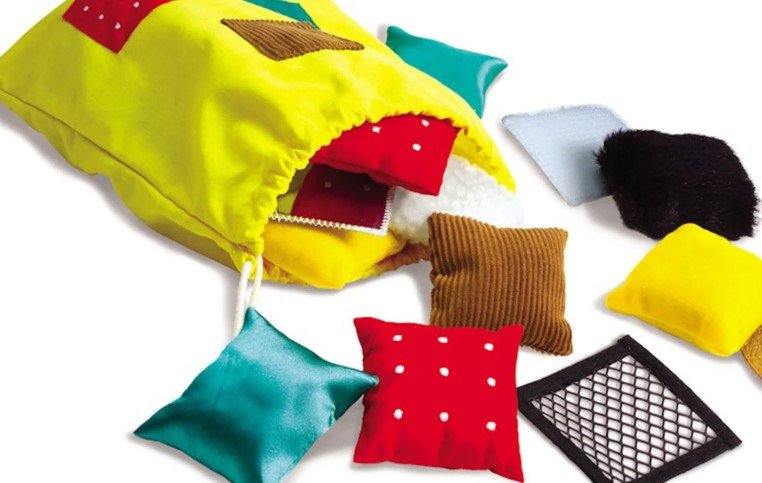
Tactile play is just as important. Squishy balls, textured tiles, or bins filled with kinetic sand can provide the grounding input a child needs to focus. If your child is a sensory seeker, they might love materials that provide resistance or distinct textures, like velvet, silicone, or bumpy rubber. Always ensure these materials are non-toxic and durable enough for consistent use.
Auditory and Proprioceptive Input
Some children are very sensitive to sound. Toys with volume controls or those that produce soft, melodic tones are excellent choices. Noise-canceling headphones are not a toy, but they are a vital tool to include in a play kit, allowing the child to engage with other toys in noisy environments without feeling overwhelmed.
Proprioceptive input, or “heavy work,” is the sense of where the body is in space. Toys like mini trampolines, weighted plush animals, or body socks help children regulate their bodies. These are often the “best” toys because they help reduce anxiety and improve motor planning.
Building Social Skills Through Play
Social interaction can be a hurdle for some, but the right toys can make it easier. We aren’t looking for toys that force a child to play in a traditional way. Instead, we want toys that invite participation, even if that means playing side-by-side rather than face-to-face.
Visual guide about What Toys Are Good for Autistic Child
Image source: i.pinimg.com
Cooperative Games
In 2026, game designers have become much more inclusive. Cooperative games are fantastic because they remove the “winner/loser” dynamic that can cause frustration. These games require players to work together to reach a goal. Whether it is moving tokens across a board or building a tall tower, the focus stays on the shared mission.
Role-Playing and Imaginative Tools
Role-play toys, such as play kitchens, doctor sets, or simple costumes, allow children to practice social scripts in a controlled environment. If your child finds direct interaction difficult, using puppets or figurines can be a great bridge. It is easier for a child to express feelings through a puppet than to speak them directly. This takes the pressure off and creates a safe zone for practicing communication.
Encouraging Fine and Gross Motor Growth
Motor skill development is another area where play makes a huge difference. By selecting items that challenge the hands and the whole body, you help your child build strength and coordination, which leads to greater independence in daily life.
Fine Motor Dexterity
Think about toys that require precise finger movements. Building blocks (especially the ones that click together), lacing cards, puzzles, and pop-it sensory toys are all wonderful for developing hand strength. If you are wondering what toys are good for an autistic child who struggles with pencil grip, look for toys that require grasping, twisting, and pulling motions.
Gross Motor Coordination
If your child needs to burn off energy, focus on gross motor toys. Balance beams, yoga balls, and scooters help improve coordination and spatial awareness. These toys are also great for providing “heavy work” which can lead to better sleep and better emotional regulation throughout the day. Always prioritize safety gear like helmets and mats to ensure the play area remains a secure place.
The Importance of Predictability and Structure
For many autistic children, the world can feel chaotic. Toys that offer predictability are incredibly valuable. When a child knows exactly what will happen when they push a button or move a piece, it creates a sense of control and confidence.
Cause-and-Effect Toys
Simple cause-and-effect toys are often the most beloved items in a collection. A jack-in-the-box or a remote-controlled car that always moves in a consistent way gives the child a sense of agency. In 2026, technology allows for even better interactive toys that respond to touch in a gentle, consistent manner, providing positive feedback without overstimulation.
Building Sets and Patterns
Many children on the spectrum have an incredible eye for patterns. Construction sets like magnetic tiles or classic wooden blocks are perfect for this. These toys allow for endless combinations while still operating under a set of rules. This predictability is often why many autistic children love sorting games, like organizing colored beads or categorizing plastic animals.
Creating a Dedicated Play Space
It is not just about what toys you buy; it is about how you organize them. A clutter-free space can make a world of difference. When there are too many options, a child might feel paralyzed and choose none of them.
Rotation Systems
Try a toy rotation system. Keep most toys in clear, labeled bins and only have a few out at a time. This keeps the environment calm and helps the child focus. When you swap them out every few weeks, the “old” toys feel new and exciting again. It also prevents the bedroom or playroom from becoming a source of stress.
The “Quiet Zone”
Even a child who loves to play needs a space to retreat. A pop-up tent, a beanbag chair in a corner, or a small tunnel can become a sanctuary. Filling this space with a few soft pillows and a weighted toy creates a perfect “reset” station. When the play gets too intense, the child knows they have a place to go to regulate their senses.
Conclusion
At the end of the day, there is no single list that defines what toys are good for an autistic child. The best approach is to act as a partner in their play. Observe what brings them joy, what helps them stay calm, and what challenges them in a positive way. By focusing on sensory needs, motor development, and the comfort of predictability, you can build a collection of toys that supports your child’s unique way of experiencing the world.
Remember, play is a journey, not a destination. It is perfectly okay if your child uses a toy in a way that wasn’t intended. As long as they are safe and engaged, they are learning, growing, and expressing themselves. Keep exploring, keep watching, and most importantly, keep playing.
Frequently Asked Questions
How do I know if a toy will overstimulate my child?
Watch for signs like covering ears, squinting, or becoming suddenly irritable when a toy is used. If a toy has loud sounds or harsh lights, check if it has volume controls or the ability to dim the lights to make it more manageable.
Should I avoid toys with small parts?
Safety is always the priority, regardless of the child’s age or developmental stage. If your child has a habit of putting items in their mouth, always choose larger pieces and avoid anything that could be a choking hazard.
Are electronic toys better than traditional ones?
Neither is inherently better; it depends on your child’s preferences. Traditional toys like blocks are great for building, while electronic toys can be helpful for teaching cause-and-effect and specific skills through repetition.
What if my child only wants to play with one toy?
It is very common for autistic children to have “special interests” or to engage in repetitive play. This is often their way of processing information and finding comfort, so it is usually best to support their interest while slowly introducing new items over time.
How can I encourage my child to share their toys?
Sharing can be a difficult social skill to learn, so start by playing alongside them rather than demanding they hand over a toy. Use a timer to show that they will get the toy back soon, which helps reduce the anxiety of losing a favorite item.
Where is the best place to find sensory-friendly toys?
Many major retailers now have “sensory-friendly” sections on their websites. You can also look for specialty educational toy stores that focus on developmental play, which often provide better descriptions of how their products support different sensory needs.