Starting an online toy store in 2026 is an exciting venture that blends creativity with commerce. By focusing on strategic niche selection, reliable supply chains, and seamless digital experiences, you can build a brand that brings joy to families while generating consistent revenue.
Key Takeaways
- Find Your Niche: Don’t try to compete with giants; focus on specific categories like eco-friendly wooden toys or STEM educational kits.
- Prioritize Safety: Always ensure your toys meet strict global safety standards to protect children and build brand trust.
- Smart Sourcing: Use a mix of dropshipping for inventory management and wholesale buying to improve your profit margins.
- Optimize Your Store: A fast, mobile-friendly website is essential for capturing busy parents on the go in 2026.
- Leverage Social Proof: Use user-generated content and video demonstrations to show parents exactly how a toy works.
Introduction
Have you ever walked through a toy store and felt that spark of magic? Imagine capturing that feeling and turning it into a thriving business from the comfort of your home. In 2026, the digital landscape is more friendly than ever for aspiring entrepreneurs. Starting an online toy store is no longer reserved for retail conglomerates with massive warehouses. Today, you can launch a successful shop with a laptop, a creative vision, and a solid plan.
The toy industry is evolving rapidly. Parents today are looking for more than just plastic trinkets; they want experiences, sustainability, and educational value. If you know how to start an online toy store that reflects these values, you can build a loyal community of customers who return year after year. Let’s walk through the journey of building your dream shop, step by step.
1. Defining Your Toy Store Niche
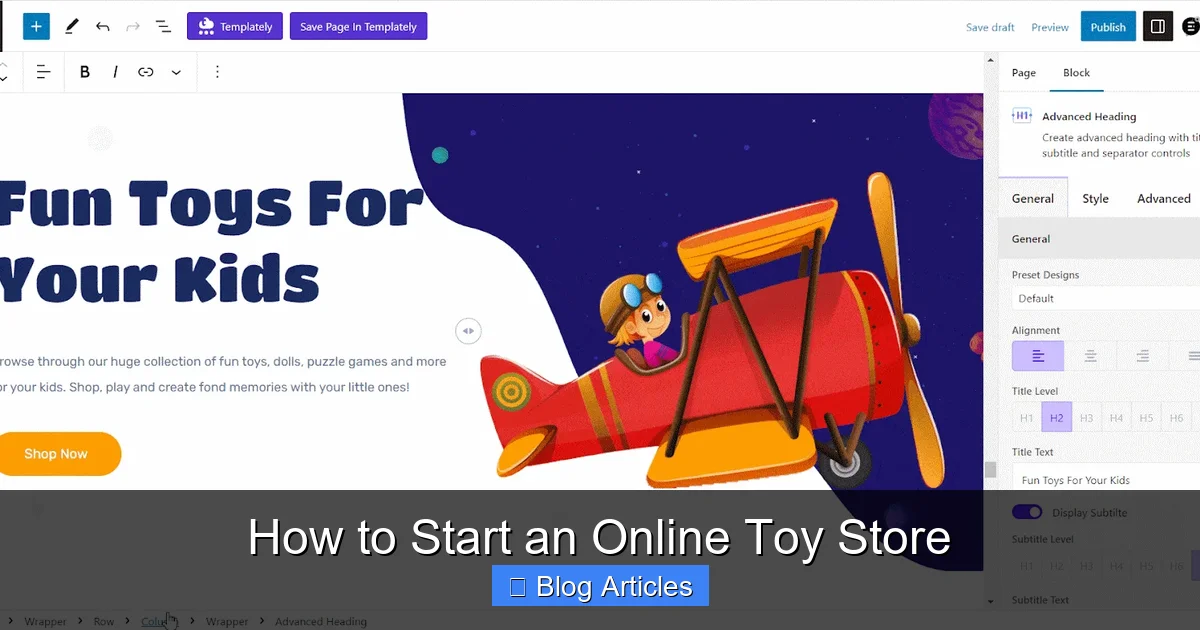
The biggest mistake new store owners make is trying to be “the next Amazon.” You cannot win on variety alone. Instead, you need a focus. By niching down, you become the go-to expert in your field.
Identifying Trending Toy Categories
In 2026, trends are shifting toward high-quality, sustainable, and skill-building products. Consider these niches:
- Eco-friendly and sustainable wooden toys.
- STEM kits that encourage coding and engineering.
- Sensory-friendly toys designed for neurodivergent children.
- Vintage or nostalgic toys that appeal to parent-collectors.
Conducting Market Research
Before you commit to a category, look at data. Use search engine trends to see what parents are looking for. Are people searching for “non-toxic building blocks”? If the search volume is high but the competition is low, you have found a potential goldmine. Reach out to local parenting groups online to ask what they struggle to find in big-box retail stores.
2. Sourcing Your Inventory Wisely
Once you know what to sell, you need to find where to get it. Your supply chain determines your profit margins and your shipping speed.
Choosing Your Business Model
There are three main ways to handle inventory:
- Dropshipping: You list the products, and a third party ships them when an order comes in. It is low-risk but offers lower margins.
- Wholesale: You buy in bulk, store the items, and ship them yourself. This gives you more control over branding and shipping quality.
- Handmade/Custom: If you are crafty, you make the toys yourself. This creates the highest brand value but is harder to scale.
Ensuring Safety and Compliance
Never skip this step. Children’s safety is non-negotiable. Whether you are dropshipping or holding stock, ensure your products are tested and certified for safety. Check for lead paint, small parts that pose choking hazards, and durable construction. A single safety recall can destroy a new business, so always verify your supplier’s safety certifications.
3. Building Your Digital Storefront
Your website is your storefront, your cashier, and your brochure all rolled into one. In 2026, user experience (UX) is the primary driver of conversions.
Selecting the Right Platform
Platforms like Shopify or WooCommerce are excellent for beginners. They come with templates specifically designed for retail. When picking a theme, look for one that is “mobile-first.” Most parents shop on their phones while the kids are occupied. If your site is slow or hard to navigate on a phone, they will leave immediately.
Creating High-Converting Product Pages
A product page needs to answer every question a parent might have. Include:
- High-resolution photos from multiple angles.
- Clear, simple age-suitability ratings.
- Engaging descriptions that highlight the “why”—not just the “what.”
- Customer reviews and, if possible, video clips of the toy in action.
4. Mastering Marketing for Your Toy Brand
Even if you have the best toys in the world, you won’t sell them if nobody knows you exist. Marketing a toy store is all about tapping into the emotions of the purchaser.
Utilizing Social Media for Toys
Toys are incredibly visual. Use platforms like Instagram and TikTok to show toys in use. Partner with “momfluencers” or parenting bloggers who can show a “day in the life” using your products. A video of a child genuinely laughing while playing with one of your toys is worth a thousand words of ad copy.
Building Email Lists
Don’t rely solely on social media algorithms. Start collecting email addresses from day one. Offer a small discount on a first order in exchange for an email signup. Use this list to send gift guides before holidays and birthdays. Reminding a parent about a birthday gift two weeks in advance is a powerful way to make sales.
5. Managing Logistics and Customer Experience
The “unboxing” experience is your chance to turn a first-time buyer into a lifelong fan.
The Power of Unboxing
Shipping is the only time you physically touch your customer. Make it count. Use branded packaging or include a small handwritten note or a free sticker. When a child opens a package that looks like a gift, they are much more likely to show it off on social media, giving you free marketing.
Customer Support and Policies
Returns will happen. Make your return policy clear and fair. If a toy arrives broken, fix it fast. Parents are protective of their time and their money. Providing excellent service builds trust, and trust is the currency of the digital age. If you show that you care about their child’s happiness, they will become your best advocates.
Conclusion
Learning how to start an online toy store is a rewarding challenge. It requires you to be a marketer, a logistics expert, and a curator of fun. In 2026, the opportunity is wide open for those who prioritize quality, safety, and a personal connection with their customers. Remember, you aren’t just selling a piece of plastic or wood; you are selling a memory, a moment of joy, and a tool for learning. Start small, listen to your customers, and always keep the spirit of play at the heart of your business. Your adventure starts with the first click!
Frequently Asked Questions
Do I need a special license to sell toys?
While you generally don’t need a “toy license,” you must ensure all products meet your country’s safety regulations, such as the CPSC in the US. Always verify that your suppliers provide documentation of safety testing for the specific items you plan to sell.
What is the most profitable niche for an online toy store?
Niches that focus on specialized learning or sustainable materials tend to have higher profit margins. Parents are often willing to pay a premium for eco-friendly products or STEM kits that offer clear developmental benefits for their children.
How much money do I need to start?
You can start with as little as a few hundred dollars if you use a dropshipping model. If you plan to carry your own inventory, you will need a larger budget for initial stock, but this often leads to higher profit margins and better brand control.
How do I handle returns for toys?
Clearly state your return policy on your website, focusing on a “hassle-free” experience to build trust. Since toys are often gifts, consider offering extended return windows during the holiday season to accommodate early shopping.
Can I sell toys from big brands like LEGO or Mattel?
Selling major brands requires getting authorized dealer status, which can be difficult for new stores. Many new businesses find more success by focusing on unique, boutique brands or high-quality independent toy makers.
How do I make my store stand out from big competitors?
Focus on curation and community. Big retailers are overwhelming, but a boutique shop can offer hand-picked collections, personalized gift-wrapping services, and expert advice that large corporations simply cannot provide.