Starting a toy shop in 2026 is a rewarding blend of creativity and business strategy that brings joy to your local community. This guide covers everything from finding your unique niche and sourcing quality inventory to creating an immersive in-store experience that keeps customers coming back.
Have you ever watched a child’s eyes light up when they find the perfect toy? It is a magical moment. If you have ever dreamed of capturing that magic every single day, you might be ready to learn how to start a toy shop. In 2026, the retail landscape has shifted. Parents are looking for more than just plastic trinkets; they are searching for experiences, sustainable materials, and meaningful connections.
Starting a business of your own is a big step, but it is also one of the most exciting journeys you can take. While the internet makes buying toys easy, it cannot replicate the feeling of walking into a shop filled with wonder. Your challenge and your opportunity is to build a space that feels less like a warehouse and more like a destination. Let us walk through the steps to make your dream a reality.
Key Takeaways
- Define Your Niche: Focus on a specific category, such as eco-friendly toys, educational STEM kits, or vintage collectibles, to stand out in a crowded market.
- Financial Planning: Develop a rock-solid business plan that accounts for initial inventory costs, rent, insurance, and emergency cash flow.
- Experiential Retail: Create a “play-first” environment where children can interact with toys, as modern physical stores must offer more than just products.
- Omnichannel Presence: Even if you prioritize a brick-and-mortar shop, maintain a strong e-commerce site and active social media presence to reach a wider audience.
- Regulatory Compliance: Always ensure your inventory meets the latest 2026 safety standards, as consumer protection laws are strict regarding children’s products.
1. The Foundation: Building Your Business Plan
Before you sign a lease or order a single doll, you need a map. A business plan is your roadmap. It forces you to think about the “why” and the “how” of your shop. Without it, you are just guessing, and guessing is the fastest way to run out of money.
Finding Your Niche
The toy market is huge. If you try to carry everything, you will get crushed by big-box retailers. Instead, pick a lane. Maybe you want to focus on wooden, eco-friendly toys that last for generations. Or perhaps you want to stock the latest high-tech STEM kits that teach kids how to code. When you specialize, you become the local expert. People travel miles to visit a store that offers something they cannot find in a supermarket aisle.
Crunching the Numbers
You need to be realistic about costs. Calculate your startup expenses, including the security deposit for your space, interior renovations, and your initial inventory purchase. Factor in at least six months of “cushion” money to cover rent and utilities. Even in 2026, cash flow is the heartbeat of your business. Keep your fixed costs as low as possible while you find your footing.
2. The Legal and Safety Checklist
Working in the toy industry comes with a heavy responsibility: safety. You are dealing with children, so you cannot afford to cut corners. Before you open your doors, you need to ensure you are fully compliant with current safety regulations.
Licensing and Permits
You will need a general business license, a tax ID number, and potentially a resale permit. Check with your local city hall regarding zoning laws. Some areas have specific requirements for retail spaces that sell children’s goods. It is always better to double-check these details early so you do not run into trouble during your grand opening week.
Product Safety Standards
In 2026, the global standards for toy safety are stricter than ever. Ensure every single supplier you work with provides documentation that their products are lead-free, non-toxic, and age-appropriate. When you buy from wholesale shows or reputable manufacturers, they usually handle the testing for you. Never buy generic or unbranded items from unknown sources, as they can put children at risk and expose you to massive legal liability.
3. Curating Your Inventory
The “soul” of your toy shop is found on the shelves. In the past, shops were just about stacking boxes. Today, the best toy shops act as curators. Your customers trust your taste. If they know you only stock high-quality items that encourage play, they will trust your recommendations every time.
Sourcing Quality Goods
Look for a mix of “tried and true” classics and new, innovative brands. Attend toy fairs—both physical and virtual—to see what is coming down the pipeline. Talk to local artisans and makers. Selling items made by local craftspeople gives your store a unique flavor that no chain store can copy. It also creates a great story for you to tell your customers when they ask about a specific item.
Inventory Management Software
Do not try to manage your stock with a notebook. Use modern retail software to track your inventory. You need to know what is selling, what is gathering dust, and when it is time to reorder. In 2026, many Point-of-Sale (POS) systems are cloud-based and very affordable. They help you understand your customer’s habits, which is pure gold for your marketing strategy.
4. Designing the “Play-First” Shop
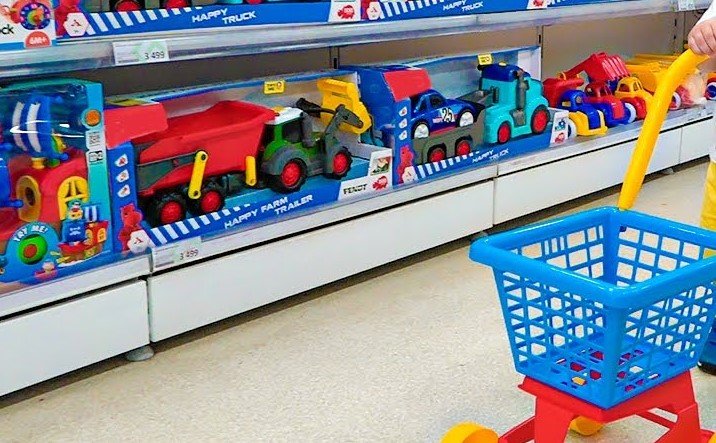
Physical stores have one superpower: touch. If you make your shop a place where children can actually touch, hold, and play with the toys, you win. This is why you need to design your shop with “play stations.”
Creating an Immersive Atmosphere
Low shelves are a must. Keep your best-selling items at the eye level of a five-year-old, not just an adult. Use bright, inviting colors, but try not to overwhelm the senses. Create a small area in the back of the store with a soft rug and a train set or blocks. If a child is busy building, the parent has more time to browse your shelves and make a purchase.
Visual Merchandising Tips
Rotate your displays often. If you have the same window display for three months, your regular customers will stop looking at it. Think of your shop as a theater. Change the scene based on the season, local school holidays, or current trends. When the community sees fresh displays, they feel like the shop is alive and changing, which encourages repeat visits.
5. Marketing Your Shop in 2026
You can have the best shop in the world, but if nobody knows it exists, you will stay empty. Marketing today is about building a community. You are not just selling toys; you are selling the gift of play.
Social Media Strategy
Instagram and TikTok are essential. Show the “behind the scenes” of your shop. Post short videos of new arrivals, staff favorites, or kids playing in your store (with parental permission). Host small contests or “toy of the week” features. Engage with your followers by asking for their opinions on what you should stock next. When people feel heard, they become loyal customers.
Community Engagement
Partner with local schools, libraries, or parent groups. Could you host a Saturday morning story hour or a game design workshop? Events bring foot traffic into your store. When people come for an event, they rarely leave without a small purchase. Being a community hub is the best way to ensure your store remains a fixture in the neighborhood for years to come.
6. Launching and Growing
The day you open your doors is just the start. Your goal is to keep that excitement going. Listen to your customers. If they keep asking for a specific type of puzzle that you do not carry, go find it! Flexibility is your biggest advantage as a small business owner.
The Importance of Excellent Service
In a world of automated checkouts, a friendly human interaction is a luxury. Train your staff—or yourself—to be truly helpful. Help parents pick the right toy for a specific age. Offer gift-wrapping services. Small gestures build massive loyalty. When a customer feels like you genuinely care about their child’s happiness, they will recommend your shop to every other parent they know.
Finally, remember that the toy industry is seasonal. You will have a massive rush during the holidays and quieter months throughout the rest of the year. Plan your cash flow accordingly. If you can balance the busy seasons with smart community events during the slower months, you will find that owning a toy shop is a sustainable, fulfilling, and wonderful way to make a living.
Starting a toy shop is an act of optimism. You are investing in the joy of play and the development of the next generation. Take it step by step, stay curious, and always keep the focus on the fun. Good luck with your new venture!
FAQs
Do I need a huge budget to start a toy shop?
You do not need a massive budget, but you do need enough to cover your first inventory order and several months of rent. Many successful shops start small with a focused inventory and grow their stock as they build a loyal customer base.
How do I find reputable toy suppliers?
You can find reliable suppliers by attending major toy trade shows or using online wholesale marketplaces dedicated to vetted retailers. Always check that the manufacturer adheres to your country’s specific toy safety testing standards.
Is it necessary to have an online store too?
In 2026, having an online presence is vital for visibility, even if you want to focus on local sales. An e-commerce site allows customers to browse your stock before they visit or purchase items for curbside pickup.
What is the most important factor for a toy shop’s success?
Community connection is key, as local customers choose to shop with you for the experience and expertise. If your shop becomes a place where parents feel welcomed and children are engaged, you will secure long-term success.
How do I handle safety regulations for toys?
Always source products from manufacturers who provide certifications proving their items meet current safety laws. If you are importing items, you may need to work with a compliance expert to ensure every product is legal for sale.
How often should I change my store displays?
Aim to refresh your window displays at least once a month and adjust your interior floor displays based on seasonal trends or new product arrivals. Regular changes keep the shop looking fresh and encourage repeat visitors to see what is new.