Keeping your children’s playthings clean is essential for safety and longevity. By following our simple, eco-friendly cleaning methods, you can easily remove dirt, grime, and allergens from all types of outdoor toys to ensure your backyard remains a healthy play zone.
When the sun is shining in 2026, there is nothing better than seeing your kids playing happily in the backyard. From plastic slides and climbing frames to wooden sandboxes and metal wagons, outdoor toys are the heart of childhood adventure. However, these treasures spend their entire lives exposed to the elements. They sit in the rain, soak up pollen, attract mud, and gather dust, making them a magnet for bacteria and allergens.
If you have been wondering how to clean outdoor toys effectively, you are not alone. Many parents feel overwhelmed by the sheer volume of gear scattered across the lawn. The good news is that giving these items a deep clean does not have to be a massive chore. With a few basic supplies and a bit of a strategy, you can turn a messy afternoon of scrubbing into a quick and easy routine that keeps your play equipment looking brand new.
Key Takeaways
- Regular Maintenance: Cleaning outdoor toys once a month prevents the buildup of mold, mildew, and stubborn grime.
- Safety First: Always choose non-toxic, kid-friendly cleaning agents to ensure children stay safe during playtime.
- Material Awareness: Tailor your cleaning process to the material, as wood, metal, and plastic each require different care.
- Deep Sanitation: Use a vinegar-water solution for disinfecting surfaces, which is highly effective against most outdoor bacteria.
- Proper Drying: Thoroughly air-dry all items under the sun to prevent moisture buildup and rust before storing them away.
- The Right Tools: Keep soft brushes and microfiber cloths on hand to avoid scratching surfaces while removing caked-on dirt.
Why Regular Cleaning Matters for Outdoor Play
It is easy to forget about the grime lurking on your backyard gear. When you think about how to clean outdoor toys, it helps to remember that these items are extensions of your home. Children touch their faces, eat snacks, and rub their eyes while playing outside. If the plastic playhouse or the swing set is covered in mildew, that residue eventually ends up on their skin.
Preventing Mold and Mildew
Damp grass and humid summer air create the perfect environment for mold. Porous surfaces like soft plastic or untreated wood can become breeding grounds for spores. Regular cleaning stops these growths before they become a health hazard. By wiping things down frequently, you protect your children from potential respiratory issues caused by mold exposure.
Extending the Life of Your Gear
Quality outdoor toys can be expensive. In 2026, many families are choosing to maintain what they have rather than replacing items every season. Grit and dirt act like sandpaper against plastic and metal. When you remove this abrasive layer, you prevent surface scratches and keep moving parts like hinges or wheels functioning smoothly for years to come.
Gathering Your Eco-Friendly Cleaning Toolkit
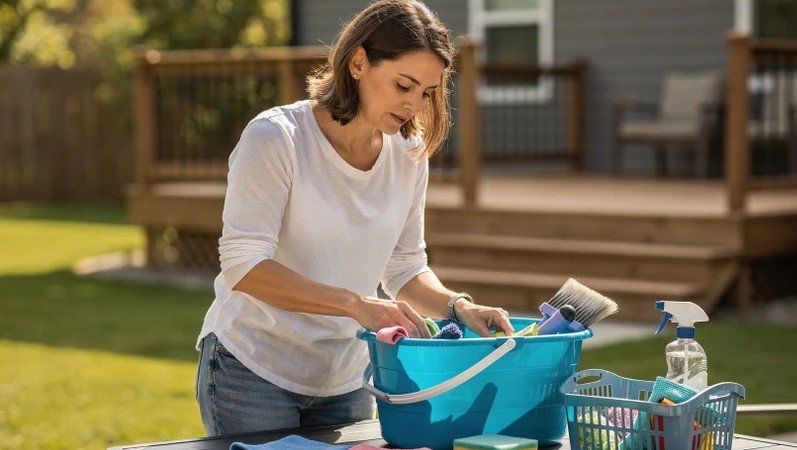
Before you start, you do not need a cart full of harsh chemicals. In fact, simple pantry staples often work better and safer than heavy-duty store-bought cleaners. To learn how to clean outdoor toys effectively, you just need a few basic items that you likely already have in your kitchen.
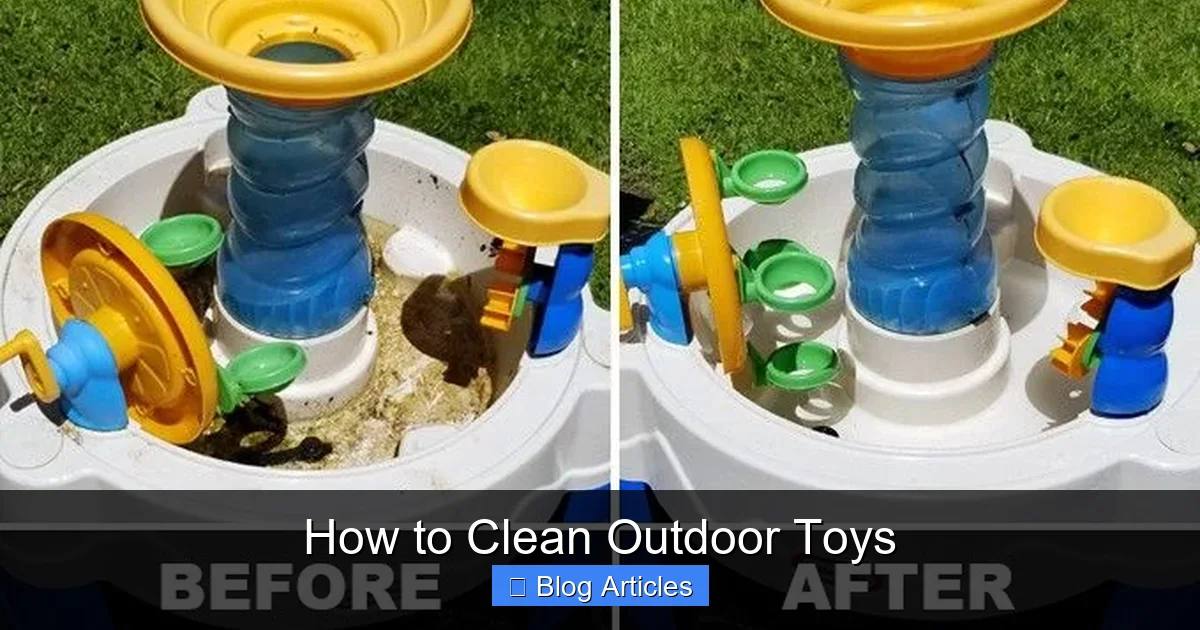
Visual guide about How to Clean Outdoor Toys
Image source: i.pinimg.com
The Magic of Vinegar
Distilled white vinegar is a powerhouse. It is acidic enough to cut through mineral deposits and soap scum while acting as a natural disinfectant. Mix a solution of equal parts water and vinegar in a spray bottle. This is the go-to mixture for most plastic and metal toys. It is non-toxic, affordable, and safe for the environment.
Mild Dish Soap and Scrub Brushes
For tougher dirt, regular liquid dish soap is your best friend. It breaks down oils and heavy mud effortlessly. Pair this with a medium-bristle brush for textured plastic or an old toothbrush for those hard-to-reach corners. If you are cleaning larger structures like a slide, a large car-wash sponge will save you plenty of time and effort.
Step-by-Step: Cleaning Plastic and Resin Toys
Plastic toys are usually the easiest to manage, but they can collect static electricity, which pulls in dust and pollen. If you are searching for how to clean outdoor toys made of plastic, follow these steps for the best results.
The Spray-and-Wipe Method
For minor cleanups, simply spray your vinegar-water solution onto the surface and let it sit for a few minutes. If the toy is small, like a bucket or a ball, you can dunk it into a large bucket filled with warm, soapy water. Use a microfiber cloth to wipe away the grime. The microfiber fabric is excellent at lifting away microscopic dirt particles.
Dealing with Stubborn Stains
Sometimes, plastic can become discolored or hold onto mud stains. If a simple wash does not work, make a paste using baking soda and a little bit of water. Apply this to the stain and let it sit for ten minutes. Then, gently scrub with a damp sponge. The baking soda acts as a mild abrasive that lifts the stain without scratching the smooth plastic finish.
Caring for Wood and Metal Outdoor Equipment
Wood and metal require a bit more finesse than plastic. Because these materials are more susceptible to water damage or rust, you must be careful with how much moisture you use during the cleaning process.
Cleaning Wooden Play Structures
Wood can harbor bacteria if it is left damp, so avoid power washing your wooden sandbox or fort. Instead, use a damp—not dripping—cloth with a mild soap solution. Gently wipe down the surfaces. If the wood looks dry or faded, look for an outdoor-safe, non-toxic wood oil or sealant to apply once the toy is bone-dry. This helps prevent splinters and keeps the wood protected from the elements.
Managing Metal Toys and Wagons
Metal toys are prone to rust if moisture gets trapped in the joints or screws. When learning how to clean outdoor toys made of metal, prioritize the drying process. After washing with soap and water, wipe every square inch with a clean, dry towel. If you notice tiny spots of rust forming, use a piece of steel wool to gently buff them out before applying a protective wax or rust-resistant spray designed for outdoor use.
Sanitizing During Peak Allergy and Germ Season
There are times when a simple cleaning is not enough. If your area has seen a lot of rain or if your children have been sick, you may want to take an extra step to sanitize the toys. This ensures that the surfaces are not just clean, but also free of harmful germs.
Natural Sanitization Options
If you prefer to avoid bleach, tea tree oil is a fantastic natural alternative. Add a few drops to your vinegar-water mixture to give it an antimicrobial boost. It smells fresh and effectively tackles common outdoor bacteria. Alternatively, leaving the toys in direct sunlight for a few hours acts as a natural sanitizing agent, as ultraviolet rays are highly effective at killing many types of surface bacteria.
When to Use Diluted Bleach
If there has been an illness or if the toys have been sitting in stagnant water, a weak bleach solution might be necessary. Mix one-quarter cup of bleach per gallon of water. Use this sparingly on non-porous surfaces, ensuring you wear gloves to protect your hands. Always rinse thoroughly with fresh water to ensure no residue is left behind for your little ones to touch.
Storing Toys to Prevent Future Messes
The best way to keep your gear clean is to minimize the time it spends collecting dirt in the first place. Once you have learned how to clean outdoor toys, the final step is establishing a storage routine that works for your family.
The Power of Covered Storage
If possible, store toys in a shed, a garage, or a covered deck box during the off-hours. This simple step keeps them dry and away from lawn debris. If you do not have a shed, consider using a heavy-duty waterproof tarp. Covering your larger items at night prevents morning dew from soaking into the structures, which significantly slows down the buildup of mold.
Organizing Your Backyard Space
Designate a specific “landing zone” for toys that are not in use. Keeping items off the grass is the most important tip. Even a simple plastic pallet or a designated gravel area can prevent toys from absorbing moisture from the ground. By staying organized, you reduce the time you spend cleaning and increase the time you spend enjoying the backyard with your family.
Keeping outdoor toys clean is a simple investment in your children’s health and the longevity of their playthings. By spending a little time each month on these steps, you ensure that your backyard stays a safe, inviting, and fun space for everyone. Grab your vinegar, fill a bucket with warm water, and enjoy the satisfaction of a clean, sparkling play area today!
Frequently Asked Questions
How often should I clean my child’s outdoor toys?
Ideally, you should aim to wipe down outdoor toys at least once a month. However, if they have been left out in heavy rain or mud, a quick clean immediately after the weather clears is best to prevent mold growth.
Is it safe to use dish soap on plastic playhouses?
Yes, mild liquid dish soap is perfectly safe and effective for plastic surfaces. Simply mix a small amount into a bucket of warm water, scrub with a soft cloth or brush, and rinse well with a garden hose.
How do I remove rust from metal toys?
You can gently scrub minor rust spots using fine-grade steel wool or a stiff wire brush. Once the rust is removed, wipe the area clean and apply a thin layer of outdoor-safe wax or rust-inhibitor spray to prevent it from coming back.
Can I leave wooden toys out in the rain?
While most outdoor wood is treated to resist the elements, leaving it in the rain permanently will cause it to rot or splinter over time. It is best to keep wooden items in a dry, covered area or under a tarp when not in use.
Is bleach safe to use on outdoor toys?
Bleach can be used in a highly diluted form (1/4 cup per gallon of water) for sanitization, but it must be rinsed off very thoroughly. For most general cleaning needs, a vinegar and water solution is a safer, non-toxic alternative.
What is the best way to dry toys after washing?
Air-drying in direct sunlight is the most effective method because UV rays act as a natural sanitizer. Ensure all items are completely dry before putting them away in a storage shed or garage to prevent trapped moisture.