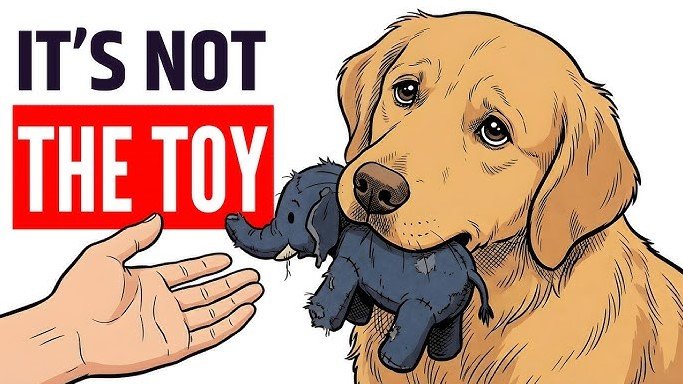
If your dog ignores their toy box, don’t worry you are not alone. Many dogs simply have different preferences, anxiety triggers, or health needs that make traditional play unappealing. This guide explores why your dog does not like toys and offers actionable steps to help your best friend rediscover the joy of playtime.
You walk into your living room and see a colorful mountain of plushies, rubber bones, and interactive puzzles. You toss a squeaky toy toward your dog, hoping for a wagging tail and a playful pounce. Instead, your pup looks at you, gives a polite sniff, and walks away to take a nap.
If you have ever wondered, “Why does my dog not like toys?” you are definitely not the only pet parent asking this question. It feels like every dog in the movies is obsessed with fetching a ball, so when yours isn’t, it is easy to feel a bit confused.
In 2026, we understand more than ever that canine behavior is deeply individual. A dog not liking toys is not necessarily a sign of a behavioral problem. In fact, it is often just a reflection of their unique personality, their history, or even their physical comfort levels. Before you run out to buy more gadgets, let’s explore the reasons why your dog does not like toys and how you can figure out what really makes them tick.
Key Takeaways
- Personality Matters: Just like humans, dogs have unique preferences, and some simply aren’t “toy-motivated” by nature.
- Medical Concerns: Dental pain or vision issues can make chewing or chasing toys uncomfortable for your pup.
- Anxiety and Fear: Loud squeakers or unpredictable movements can be scary for shy or sensitive dogs.
- Play Style: Your dog might prefer engagement with you (like tug-of-war) rather than playing alone with a rubber ball.
- Curating the Environment: Offering too many toys at once can cause “choice paralysis,” making them ignore everything.
- Patience is Essential: Building interest in toys is a gradual process that requires positive reinforcement and zero pressure.
The Personality of Play: Understanding Your Dog
The first thing to realize is that dogs, much like humans, have different “love languages.” Some dogs are high-energy fetchers who live for the chase. Others are calm, soulful companions who would much rather sit at your feet while you work. When we ask why does my dog not like toys, we often overlook the fact that play is subjective.
Recognizing Individual Temperament
Some breeds were historically bred for specific tasks, like herding or guarding, while others were bred for companionship. A dog with a strong prey drive might love toys that move and squeak because it mimics hunting.
A more mellow dog might find these same toys overstimulating or simply uninteresting. If your dog prefers sniffing grass on a walk to chasing a ball, their interests are simply rooted in exploration rather than athletic play.
The Role of Past Experiences
If you adopted your dog, you might not know their history. A dog that was never exposed to toys as a puppy might not understand that they are meant for fun. To them, a plush toy is just a weird-smelling object on the floor.
They lack the “play schema” that tells them how to interact with these items. If your dog does not like toys because they never learned how to play, your goal is to introduce these items as positive, rewarding experiences slowly.
Physical Barriers and Health Concerns
Sometimes, the reason a dog does not like toys is actually physical. It is easy to assume our dogs are just being stubborn, but there could be an underlying issue that makes interacting with toys uncomfortable or even painful.
Dental and Oral Health
This is a big one. Many dogs love to chew, but if your dog has sore gums, a loose tooth, or a sensitive mouth, they will avoid hard rubber toys or tough chew bones entirely. If you notice your dog picking up a toy and immediately dropping it, or if they seem hesitant to gnaw on things they usually enjoy, it might be time for a quick checkup with your vet. Once the pain is resolved, you might find that their interest in toys returns naturally.
Vision and Hearing Challenges
If your dog is getting older, their senses may be changing. A toy that relies on fast, erratic motion might be difficult for a dog with declining vision to track. Similarly, a toy with a high-pitched squeak might be irritating to a dog with sensitive hearing.
If your dog does not like toys that make noise or move quickly, try offering them a soft, textured toy that stays in one place. Focus on scent-based toys that rely on their nose rather than their eyes or ears.
Anxiety and Sensory Sensitivity
We live in a world filled with loud noises and unexpected movements. For a shy or anxious dog, a toy that squeaks, bounces unpredictably, or makes electronic noises can be genuinely terrifying. If your dog does not like toys that jump around the room, they might be feeling overwhelmed by the unpredictability of the item.
Identifying Fear-Based Reactions
Watch your dog’s body language closely. Do they tuck their tail, pace, or try to hide when a squeaky toy goes off? These are clear signs that the toy is causing stress rather than joy. Sensitive dogs often prefer calm, predictable items. Instead of a battery-operated toy, try a simple, soft blanket or a durable fabric rope. Give them the choice to interact with it on their own terms without forcing the issue.
Creating a Safe Play Environment
To help an anxious dog, reduce the “noise” in their play environment. Start by leaving one simple toy in their bed. Don’t throw it or squeak it. Just let it exist as a part of their space. When they eventually sniff it or nudge it, offer a treat. By decoupling the toy from the chaos of movement and noise, you help them see that these objects are actually safe and rewarding.
The Human Factor: Engagement vs. Solitude
Many owners wonder why does my dog not like toys when the reality is that the dog actually loves to play they just don’t love playing alone. We often expect dogs to amuse themselves with a toy bin while we go about our day, but many dogs view play as a social activity.
The Importance of Interactive Play
If your dog ignores their toys but follows you everywhere, they are likely looking for your attention. Tug-of-war is a fantastic way to bond with your pet. It’s not just about the rope; it’s about the connection between the two of you. Use a tug rope to engage them in a gentle game. If they see the toy as a bridge to spending time with their favorite person, they will become much more enthusiastic about it.
Why Your Presence Matters
Don’t be discouraged if your dog doesn’t want to play “solo.” Some dogs feel much more secure and interested when you are actively involved. Try sitting on the floor with your dog and a toy. Gently move the toy around, like a butterfly or a mouse, to see if it sparks their curiosity. If they engage, celebrate them! Your energy often dictates theirs.
Environmental Factors and Choice Overload
Believe it or not, having too many toys can actually backfire. If you have a basket overflowing with options, your dog might experience “choice paralysis.” Just like a child with too many options in a toy store, they might just walk away from everything because nothing stands out.
The “Toy Rotation” Strategy
Try putting most of the toys away in a closet. Only keep two or three out at a time. Rotate them every week. When a toy “comes back” from the closet after a few days, it suddenly seems new and exciting again. This simple shift can often solve the problem of why your dog does not like toys, simply by making the toys feel novel and interesting again.
Placement Matters
Where are the toys kept? If they are always in the back corner of a room, your dog might not even think about them. Try keeping a toy in the area where you spend most of your time together. If the toy is where the action is, it becomes a natural part of the environment rather than an ignored object in the corner.
How to Spark Interest: Simple Tips?
If you have ruled out health issues and want to try to pique your dog’s interest, there are several gentle, effective ways to make toys more appealing. Remember: the goal is to make the toy a source of reward.
The Power of High-Value Treats
If your dog is food-motivated, use it to your advantage! Place a delicious treat inside a puzzle toy or near a plushie. When your dog investigates the treat, they will also interact with the toy. Over time, they will associate the toy itself with the joy of getting a reward. Soon, they might start investigating the toy even when there isn’t a snack inside.
Start with Texture and Scent
Some dogs prefer the feel of certain materials. If your dog does not like toys made of hard plastic, they might prefer soft, fleece-covered items or natural cotton ropes. You can also lightly scent a toy with a dog-safe aroma, like a bit of chicken broth or even your own scent (by keeping the toy near you for a day), to make it feel more familiar and enticing.
Conclusion
So, why does my dog not like toys? Most of the time, the answer is simple: they are just being themselves. Whether it is a preference for social play, a need for more calm, or simply a lack of previous experience, you can definitely help your dog find their inner player.
By being patient, rotating your toys, and focusing on positive, shared experiences, you will likely find that your pup starts to appreciate these items more than ever before. Remember that the most important thing is the bond you share. If your dog never becomes a “toy dog,” that is okay!
You can play games that don’t involve toys, like hide-and-seek, training exercises, or simple grooming sessions. At the end of the day, your dog’s favorite “toy” is always going to be you. Keep playing, keep bonding, and keep enjoying every moment of your life together in 2026 and beyond.
Frequently Asked Questions
Is it normal for a dog to show no interest in toys?
Yes, it is perfectly normal for some dogs to have little interest in toys. Every dog has a unique personality, and some simply prefer social interaction, scent exploration, or rest over playing with objects.
Could my dog be in pain if they don’t play with toys?
It is possible, especially if your dog previously enjoyed toys but has suddenly stopped. Issues like dental pain or arthritis can make chewing or chasing uncomfortable, so a vet visit is recommended if the behavior is a sudden change.
Should I force my dog to play with toys?
No, you should never force a dog to play, as this can cause fear or anxiety. Always encourage play gently and make it a positive, rewarding experience that the dog chooses to participate in voluntarily.
How can I make old toys exciting again?
Try rotating your toy collection so only a few are available at a time, making the ones that come out of storage feel new. You can also hide treats near or inside the toys to create a positive association with them.
Are some dogs just “non-playful” by nature?
Absolutely, some dogs are just more laid-back and don’t feel the need to play with toys to be happy. As long as your dog is active, eating well, and engaging with you, a lack of interest in toys is usually just a personality trait.
What if my dog only likes playing with me?
That is actually a great sign of a strong bond! If your dog prefers tug-of-war or fetch, they are showing you that they value social connection and interaction, which is a very healthy way to play.