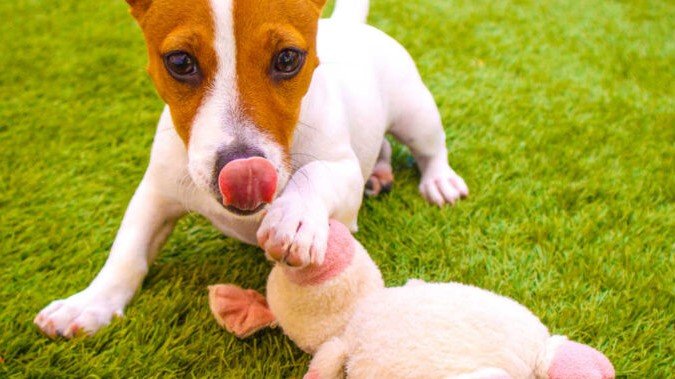
If you have ever wondered why your dog licks his toys so much, you are not alone. This common behavior is often a self-soothing mechanism, a sign of affection, or simply a way to enjoy the lingering scents and textures of their favorite playthings.
Have you ever spent a quiet evening on the couch, only to be interrupted by the rhythmic, repetitive sound of your dog licking a plush toy? It is a peculiar habit that many dog owners notice but few truly understand.
You might think your pup is just being weird, but there is usually a very good reason behind those wet, slobbery sessions. As we move into 2026, our understanding of canine behavior continues to grow, and it turns out that licking is much more than just a messy habit.
For many dogs, licking is their version of a fidget spinner or a stress ball. It serves as a window into their emotional state and their sensory needs. In this article, we are going to dive deep into why your dog licks his toys so much, how to tell the difference between a happy pup and a stressed one, and when it might be time to call your veterinarian. Grab a coffee, sit back, and let’s explore the wonderful, sometimes slobbery world of canine play.
Key Takeaways
- Self-Soothing: Licking releases endorphins that help dogs relax and manage stress or anxiety.
- Sensory Exploration: Dogs use their tongues to experience the texture and flavor of toys, which is a natural way for them to “see” the world.
- Playful Affection: Some dogs treat their toys like pack members, licking them as a display of social bonding.
- Scent Retention: Toys often hold onto the smells of the household or treats, making them extra enticing to a dog’s sensitive nose.
- Medical Concerns: While usually harmless, persistent or obsessive licking can sometimes signal dental pain, nausea, or underlying health issues.
- Training Opportunities: Understanding why your dog licks their toys can help you redirect the behavior if it becomes disruptive or destructive.
The Science of the Canine Tongue
To understand why your dog licks his toys, we first have to look at the tool they are using. The canine tongue is a fascinating piece of anatomy. Unlike humans, who rely heavily on sight, dogs use their mouths and noses to interpret their environment. Their tongues are densely packed with nerve endings and taste receptors that allow them to experience the world in ways we can only imagine.
Sensory Exploration and Texture
When a dog licks a toy, they are essentially investigating it. If the toy is plush, the fibers provide a unique tactile sensation that is different from their own fur or the carpet. This sensory input is highly stimulating for their brains.
By licking, they are gathering information about the object’s texture, density, and any leftover particles of food or dust that might be trapped in the material. It is a way of “tasting” the object to ensure it is safe or to simply satisfy their natural curiosity.
The Endorphin Release
One of the most important aspects of licking is the physiological reaction it triggers. When a dog licks a surface—whether it is your hand, the floor, or a beloved squeaky toy—their brain releases endorphins.
These are natural “feel-good” chemicals that help regulate their emotions. This is why you will often see a dog licking their toys right before they fall asleep or after a high-energy play session. It is their way of calming their nervous system and transitioning into a relaxed state.
Is It Just About Comfort?
While sensory exploration is a major factor, comfort plays an equally significant role. Many dogs choose one “special” toy to lick, often a soft or worn-in one. This toy becomes a security blanket. If your dog has recently moved homes, dealt with a loud storm, or experienced changes in your schedule, you might notice an increase in toy-licking. This is a classic self-soothing behavior that helps them cope with uncertainty.
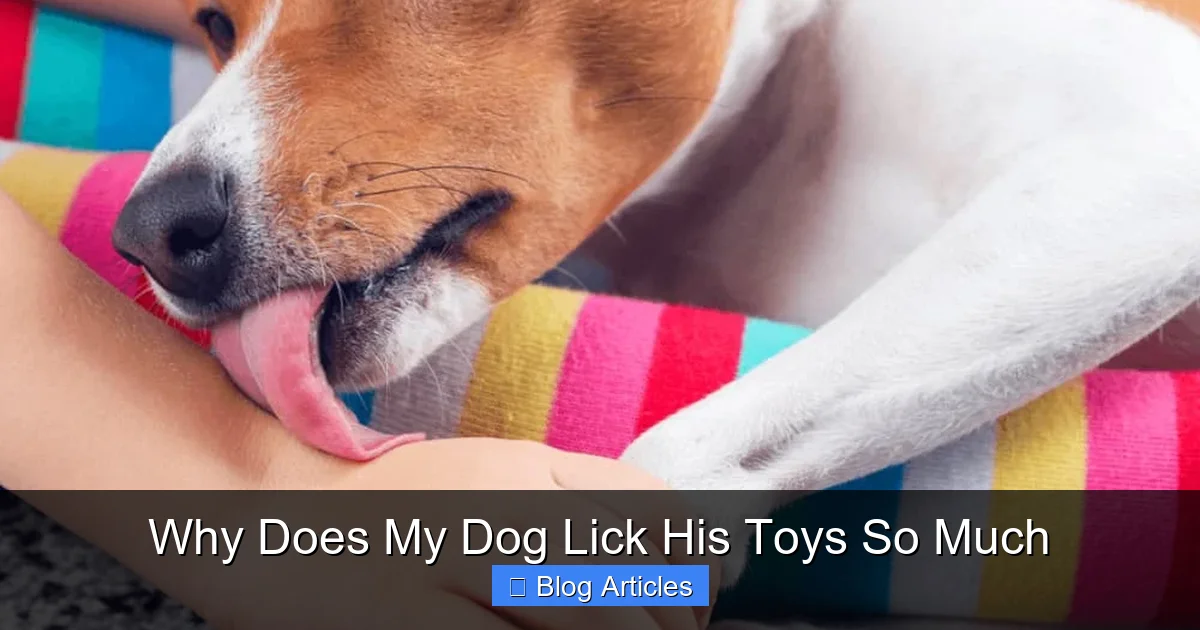
Visual guide about Why Does My Dog Lick His Toys So Much
Image source: cdn-prd.content.metamorphosis.com
The Security Blanket Effect
Think of it like a child with a favorite stuffed animal. The toy represents safety and familiarity. By licking it, the dog is reinforcing that feeling of security. If your dog tends to lick their toys when you leave the house, they are likely trying to comfort themselves while you are away. Providing a worn t-shirt that smells like you alongside their favorite toy can often help them feel more at ease during your absence.
Managing Mild Anxiety
If your dog is generally a bit nervous or shy, you might find that licking is their primary way of handling stress. Instead of barking or pacing, they turn to their toys. In 2026, we have access to more enrichment tools than ever, but sometimes the simplest solution their favorite toy is still the best. If the licking doesn’t seem compulsive or damaging to the toy, it is usually a healthy, adaptive way for them to manage their daily stresses.
The Social and Playful Aspects
Dogs are social creatures by nature, and they often treat their toys as members of their “pack.” If you watch your dog play, you might see them groom their toys just as they would groom a littermate or another dog in the house. This is a sign of affection and social bonding, even if the recipient is just a piece of rubber or polyester.
Grooming Behaviors
Grooming is a form of communication in the dog world. It signals trust, friendship, and care. When your dog licks a toy, they are practicing these social behaviors. It is a sweet reminder that even in a modern household, their ancestral instincts are still very much present. They are effectively “taking care” of their toy, which is a display of their gentle and nurturing personality.
Play-Based Boredom
Sometimes, the answer is simpler: your dog is just bored. If they have been sitting around for a few hours and haven’t had enough mental stimulation, they might resort to licking their toys as a way to pass the time.
It is a low-effort activity that keeps them occupied. If you notice your dog licking their toys while staring at you expectantly, they might be telling you that they are ready for a walk, a game of fetch, or a training session.
When Licking Becomes Excessive?
Most of the time, toy-licking is perfectly normal. However, there is a fine line between a relaxed habit and a compulsive obsession. If you notice your dog licking the same spot on a toy for hours on end, ignoring food, or refusing to play with other things, it might be time to take a closer look.
The Danger of Compulsive Behavior
Compulsive behaviors in dogs are often linked to untreated anxiety or medical issues. If the licking is accompanied by other symptoms such as pacing, excessive barking, or destruction of the toy you should consult with a veterinarian or a certified animal behaviorist. In some cases, a dog might be using the licking to distract themselves from chronic pain or gastrointestinal distress.
Signs of Over-Attachment
Some dogs become so attached to a toy that they won’t let it go, guarding it obsessively and licking it constantly. This can lead to resource guarding, where the dog becomes aggressive if someone tries to take the toy away. If your dog seems overly protective or stressed when you try to move their toy, it is a sign that the licking behavior has become a bit unhealthy and may need some gentle redirection.
Practical Tips for Managing the Habit
If the constant wetness or the sound of the licking is starting to drive you crazy, or if you are worried about your dog’s habits, there are plenty of ways to manage it. You don’t have to stop the behavior entirely, but you can certainly encourage more balanced play patterns.
Rotate Your Dog’s Toys
One of the best ways to keep a dog mentally engaged is to rotate their toys. If they have access to the same toys every day, they might become bored and turn to repetitive behaviors like licking. By keeping some toys in a closet and swapping them out every few days, you make the “old” toys feel new and exciting again. This promotes more active, vigorous play rather than passive licking.
Engage in Interactive Play
If your dog is licking because they are bored, the best solution is interaction. Instead of just giving them a toy and walking away, try using it to play a game. Fetch, tug-of-war, or hide-and-seek can tire your dog out both physically and mentally. A tired dog is a happy dog, and a dog who has had their fill of active play is much less likely to spend hours licking a plush squirrel in the corner.
When to See the Vet
If your dog suddenly starts licking his toys more than usual, it is worth a quick check-up. Sometimes, dogs lick things because they have a toothache or an oral injury that makes it uncomfortable to chew, so they choose to lick instead. If you see signs of redness in their gums, bad breath, or difficulty eating, make an appointment with your vet. It is always better to be safe than sorry.
Creating a Healthy Play Environment
Ultimately, your dog’s behavior is a reflection of their environment and their personality. By providing a mix of chew toys, puzzle feeders, and interactive toys, you can ensure they have a variety of ways to express themselves. Keep an eye on the toys themselves – if they are becoming worn or fraying from constant licking, it is time to throw them away to prevent your dog from swallowing loose fibers.
At the end of the day, if your dog is healthy, happy, and well-adjusted, a little bit of toy-licking is nothing to worry about. It is just another one of those quirky dog traits that make our furry friends so lovable. Embrace the slobber, keep their toys clean, and enjoy the bond you share with your pup.
Conclusion
We’ve covered a lot of ground today, from the soothing effects of endorphins to the importance of keeping your dog mentally challenged. “Why does my dog lick his toys so much?” is a question that highlights how deeply connected our dogs are to their instincts. Whether it is for comfort, play, or simple curiosity, licking is a natural part of being a dog.
Remember, observe your pup, rotate their toys, and keep them engaged. If the behavior ever seems to shift into something obsessive or painful, your vet is your best resource. Keep playing, keep loving, and enjoy every moment of your journey with your dog in 2026 and beyond. They are lucky to have an owner who cares enough to ask these questions.
Frequently Asked Questions
Is it normal for my dog to lick his toys for hours?
While some licking is normal, doing it for hours can indicate boredom or anxiety. You should try to redirect them with active play or puzzle toys to see if the behavior decreases.
Should I wash my dog’s toys?
Yes, especially if your dog licks them frequently. Washing toys in the laundry or with safe, non-toxic soap prevents the buildup of bacteria and saliva that could cause skin irritation or bad breath.
Could toy licking be a sign of dental pain?
It is possible. If your dog has a sore tooth or inflamed gums, they may avoid chewing and choose to lick instead to avoid pressure on their mouth. Look for other signs like bad breath or difficulty eating.
What if my dog is destroying the toy while licking it?
If the toy is getting frayed or torn, remove it immediately. Ingesting fabric or stuffing can lead to dangerous intestinal blockages that require emergency surgery.
Are certain types of toys better for licking?
Licking-focused toys, such as lick mats or specialized rubber toys with grooves, are great for dogs who have a high need to lick. These keep them occupied and offer a healthier outlet than a plush toy.
How do I know if the licking is compulsive?
If your dog cannot be distracted from the behavior, ignores food or play, or does it until their skin or the toy is raw and damaged, it is likely a compulsion. Please consult your veterinarian for advice on managing anxiety.