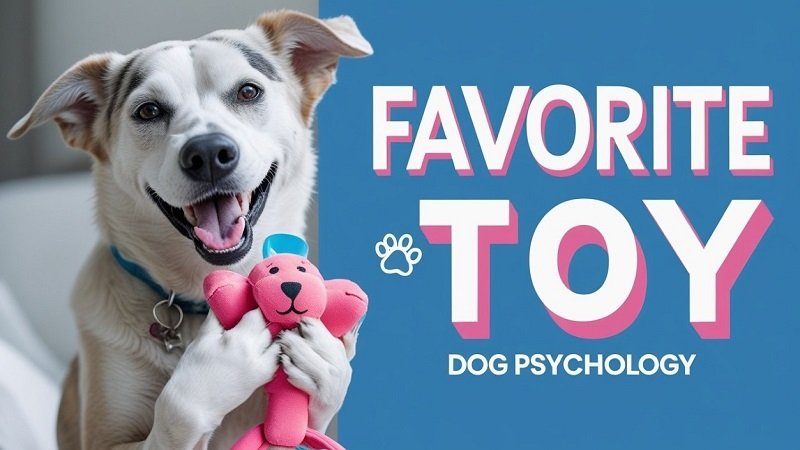
Why does my dog have a favorite toy? This behavior is deeply rooted in your dog’s natural instincts, ranging from their ancestral predatory drive to simple comfort-seeking. By understanding what makes a toy “the one,” you can provide better mental stimulation and deepen your bond with your furry best friend.
Have you ever watched your pup zoom into the room, ignore a pile of brand-new playthings, and go straight for a slightly slobbery, well-worn stuffed hedgehog? We have all been there. As pet owners, we often find ourselves asking, “Why does my dog have a favorite toy?” It is a fascinating window into the mind of our canine companions.
In 2026, we understand more about animal behavior than ever before. Choosing a favorite toy is not just a random act; it is a complex combination of biology, psychology, and sensory preference. Whether it is a crinkly rubber chicken or a faded rope bone, that specific toy serves a purpose in your dog’s daily life. Let’s dive into the reasons behind this quirky habit and what it tells us about our dogs.
Key Takeaways
- Natural Instincts: Many dogs choose favorite toys that mimic prey or satisfy their innate need to chew, carry, or shake objects.
- Comfort and Security: Just like a child’s security blanket, some dogs cling to toys to soothe anxiety and provide a sense of safety.
- Scent and Texture: Dogs experience the world through their noses and mouths; the specific smell or mouthfeel of a toy is often the deciding factor.
- The “High Value” Effect: When a toy is associated with human interaction or high-reward treats, it instantly becomes more desirable.
- Individual Personality: Just like people, dogs have distinct preferences some are playful hunters, while others are gentle snugglers.
The Evolutionary Roots of Play
To understand why your dog has a favorite toy, we must look back at their ancestors. Wolves and early wild dogs relied on play to practice essential survival skills. Even though your pampered pup lives on a couch instead of the tundra, those ancestral gears are still turning.
Mimicking the Hunt
Many favorite toys mimic the sensation of a successful hunt. If your dog loves a squeaky toy, they are likely satisfying their predatory drive. The high-pitched sound mimics the noise of small prey, which triggers a natural “bite and hold” reflex. When a dog carries their favorite squeaky toy around, they are often engaging in a ritual that feels deeply satisfying to their primal brain.
The Thrill of the Chase
Some dogs gravitate toward toys that move in unpredictable ways. This is why a simple tennis ball or a erratic-bouncing rubber toy becomes an instant favorite. It allows the dog to chase, track, and catch mimicking the high-speed pursuit of prey. If your dog has a “go-to” ball, it is likely because that toy perfectly replicates the intensity of a hunt.
Comfort, Security, and Emotional Bonding
Play is not always about high energy and hunting. For many dogs, a favorite toy acts as an emotional anchor. This is particularly common in dogs that experience separation anxiety or those who are naturally more sensitive to their environment.
The Security Blanket Effect
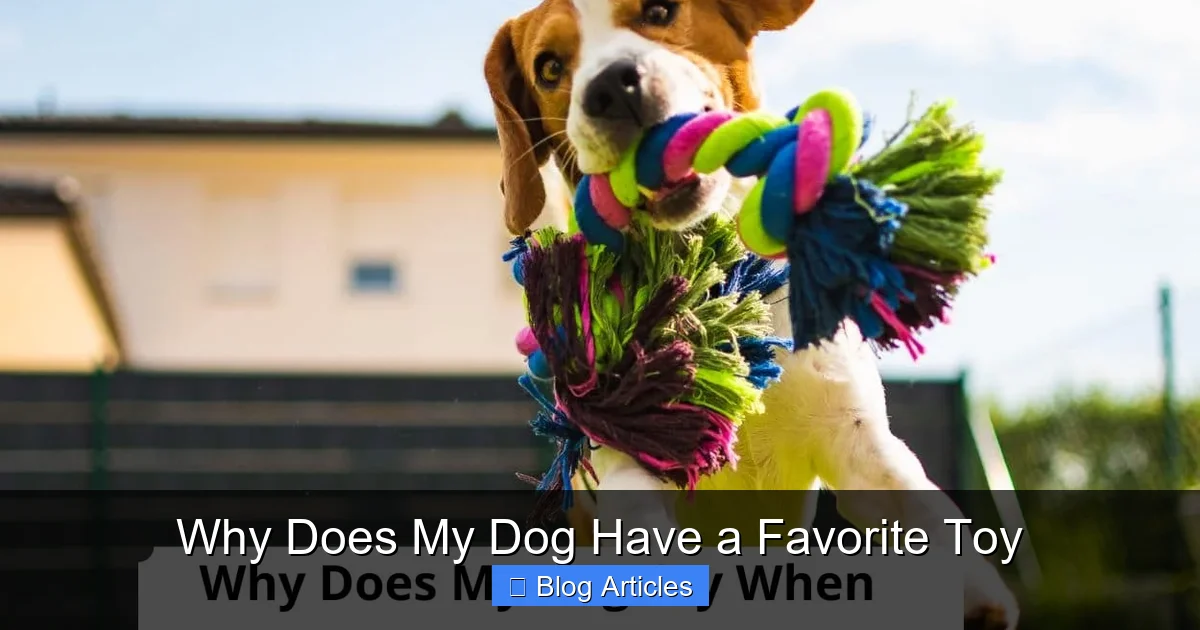
Just like a human child, a dog might carry their favorite toy to bed or keep it nearby when guests visit. If you notice your dog has a favorite toy that they sleep with, they are likely using it as a comfort object. The toy represents a piece of their “den” or “pack” that helps them feel safe when they are tired or feeling slightly unsure of their surroundings.
Reducing Anxiety
For dogs that find being home alone difficult, a favorite toy can be a source of calm. The scent of the toy which usually includes their own saliva or the familiar scent of your home provides a sensory reminder of safety. Giving your dog a safe, durable toy when you head out can help turn a stressful moment into a time of quiet comfort.
The Sensory Science of Preferences
A dog’s world is dominated by their nose and their mouth. While humans might choose a toy based on color or cuteness, your dog is analyzing a toy based on scent, texture, and taste. Why does my dog have a favorite toy? Usually, it is because that toy hits the sensory “sweet spot.”
Texture Matters
Have you ever noticed your dog refusing a hard plastic ball but going wild for a soft, plush toy? The texture is everything. Dogs have extremely sensitive mouths. Some dogs prefer the “give” of a plush material, which feels soft against their gums, while others crave the firm resistance of a heavy-duty rubber bone. If a toy provides the perfect amount of feedback during chewing, your dog will likely hold onto it for years.
The Power of Scent
Your dog’s sense of smell is thousands of times stronger than yours. A favorite toy often smells “just right.” It might carry the faint, familiar scent of you, or it might be coated in the unique, comforting scent of your dog’s own saliva. This is why washing a favorite toy can sometimes be a mistake if you scrub away that familiar “dog smell,” they might not recognize it as their special possession anymore!
Social Play and The Human Connection
Your involvement is a huge factor in whether a toy becomes “The One.” We are the center of our dogs’ worlds, and any toy that facilitates interaction with us instantly gains massive value.
Interactive Play
If you usually play tug-of-war with a specific rope, that rope will almost always become your dog’s favorite toy. Why? Because it is associated with you! When your dog brings you that toy, they aren’t just asking to play; they are initiating a social bond. They have learned that this specific object is the “key” to getting your attention and affection.
The “High Value” Association
Dogs are masters of positive reinforcement. If you have ever hidden treats inside a puzzle toy, that toy becomes inherently more interesting. Over time, the dog associates the object with a reward. This positive cycle makes that specific toy stand out in a sea of other, less-rewarding options.
When Should You Worry About Toy Obsession?
While having a favorite toy is normal and healthy, there is a fine line between a healthy attachment and an obsessive fixation. In 2026, trainers emphasize the importance of balance.
Signs of Resource Guarding
If your dog becomes aggressive, growls, or tries to hide the toy whenever you approach, they may be exhibiting resource guarding. This is a behavior where the dog feels the need to protect their “prize.” If you see this, it is best to consult a professional trainer to work on trading games and building trust, rather than just taking the toy away.
Destructive Fixation
If your dog is so fixated on a toy that they ignore meals, walks, or potty breaks, it might be time to rotate their toys. By putting the favorite toy away for a few days and bringing it back out later, you can prevent them from becoming too dependent on one item and encourage them to engage with other forms of enrichment.
How to Rotate Toys for Maximum Happiness
Since we know why dogs have favorites, how can we use this information to keep them happy? The answer is toy rotation.
The Strategy of Rotation
Instead of leaving every toy on the floor 24/7, try keeping a stash in a closet. Swap them out every week. When you bring the “favorite” back out after a week of being hidden, it feels like a brand-new gift! This prevents boredom and keeps your dog’s play sessions fresh and exciting.
Choosing the Right Toys
Always prioritize safety. Ensure that your dog’s favorite toy isn’t small enough to swallow and doesn’t have loose parts that could be choked on. If your dog loves their favorite toy to death—literally—have a backup hidden away in case the original gets too damaged or unhygienic to keep.
In conclusion, the question “Why does my dog have a favorite toy?” is answered by a beautiful blend of biology and love. Whether it is about the hunt, the comfort of the pack, or the joy of playing with their favorite human, that little object represents a part of your dog’s identity. Cherish those moments of play, ensure the toys are safe, and enjoy the unique, silly, and heartwarming way your dog expresses their personality through their most prized possession.
Frequently Asked Questions
Is it bad if my dog only plays with one specific toy?
Generally, it is perfectly normal for a dog to have a strong preference for one toy. As long as the dog is still eating, exercising, and behaving normally, there is no need to worry.
Should I take the favorite toy away if they become obsessed?
If your dog is ignoring basic needs like eating or walking due to the toy, you should practice toy rotation. Take the toy away for a few days to encourage engagement with other activities, then reintroduce it sparingly.
Why does my dog carry their toy around everywhere?
This is often a sign of affection or comfort. Many dogs do this to keep their “treasure” close by, as it provides a sense of security and familiarity, especially when they move from room to room.
Can washing a favorite toy make my dog stop liking it?
It is possible! Dogs rely heavily on their sense of smell, and a toy’s scent is a huge part of its appeal. If you wash it, try rubbing it with a blanket that smells like them or your house to help restore its “familiar” scent.
How can I tell if a toy is a “high-value” toy for my dog?
A high-value toy is one that your dog consistently chooses over others, especially when they are tired or stressed. You will notice they play more intensely or guard it more closely than their other toys.
Are plush toys safe to leave with my dog all the time?
It depends on your dog’s chewing habits. If your dog is a heavy chewer who shreds and eats fabric, plush toys should only be used during supervised play to prevent the risk of intestinal blockage.