If you find yourself asking, “Why does my dog chew his toy on me?”, you are not alone! This behavior is usually a heartwarming sign of trust and affection, showing that your dog feels safe and content in your presence. While it can sometimes be a request for attention or play, understanding these motives helps you deepen your connection with your furry friend.
If you are a dog owner, you have likely experienced the moment: you are sitting on the couch, relaxing after a long day, when suddenly your canine companion trots over, drops a squeaky toy on your thigh, and begins to gnaw on it while leaning their entire body weight against you. You might find yourself pausing, laughing, and wondering, “Why does my dog chew his toy on me?”
It is a funny, endearing, and sometimes slightly messy experience. Perhaps they are drooling on your favorite jeans or poking you with a sharp nylon bone. Regardless of the minor inconvenience, this behavior is a fundamental part of the human-canine relationship. In 2026, as we continue to learn more about canine behavior and emotional intelligence, it is clear that these small gestures are deeply rooted in how dogs communicate their feelings toward us.
Understanding why your dog chooses your lap or your side as their preferred chewing spot can actually help you become a better owner. Whether they are looking for comfort, companionship, or a playmate, their choice to be near you is always a positive signal. Let’s dive into the fascinating reasons behind this common, yet often misunderstood, canine habit.
Key Takeaways
- Trust and Security: Bringing a toy to you is a major compliment, as it shows your dog views you as their safe base.
- Affectionate Bonding: Chewing on you is often just their way of being close to their favorite person while relaxing.
- Playful Invitations: Sometimes, the “chew on you” routine is a clever nudge to get you to start a game of tug or fetch.
- Natural Comfort: Dogs use chewing to self-soothe, and doing it near you provides a sense of security and companionship.
- Attention Seeking: Your dog may have learned that chewing their toy on your lap is the perfect way to demand some pets and praise.
- Puppy Development: For younger dogs, chewing on you might be a phase related to teething or simply exploring the world through tactile sensation.
The Trust and Security Factor
Your Dog Views You as a Safe Haven
In the wild, dogs are social animals that prioritize safety. Even in our modern homes, that instinct remains. When your dog brings their favorite toy to you to chew, they are effectively telling you that they feel secure. Dogs are vulnerable when they are focused on chewing; they are not paying as much attention to their surroundings as they might otherwise. By choosing to do this on you, they are placing their trust in your ability to “watch their back.”
The Comfort of Proximity
Chewing is a natural way for dogs to release stress and self-soothe. Just as some people might fidget with a pen or play with their hair when they are tired or content, dogs chew to settle their nervous system. When your dog chews his toy on me—or rather, on you—they are using your warmth and presence to further induce that relaxed state. You are, quite literally, their anchor.
Communication Through Toys
The “Play with Me” Invitation
Sometimes, the motive is much more active. If your dog approaches you, grunts, or nudges you with the toy while chewing, they are likely issuing an invitation. In their minds, they are thinking, “I have this toy, you are here, let’s make this interesting!” They might be waiting for you to grab the other end of the toy for a game of tug-of-war. If you ignore them, they might chew harder or even vocalize to make sure you get the message.

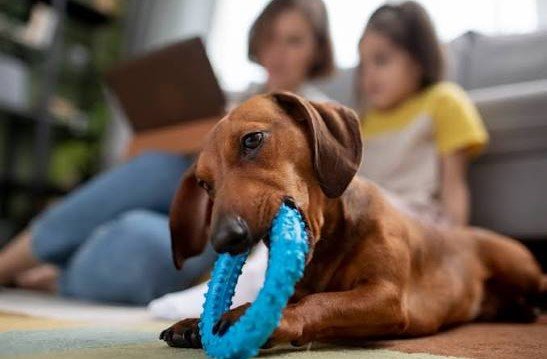
Visual guide about Why Does My Dog Chew His Toy on Me
Image source: oodlelife.com
Displaying Their Treasures
Dogs are proud of their possessions. When they bring a toy to you, they are showing you their most prized item. It is similar to a child bringing their favorite toy to show a parent. By chewing it near you, they are saying, “Look what I have! Isn’t this great?” It is a way to share their happiness with the most important person in their pack.
Physical Contact and Bonding
The Importance of Physical Touch
Why does my dog chew his toy on me instead of on the floor? The answer is often as simple as the need for touch. Dogs are tactile creatures. They love to feel the warmth of their humans. When your dog leans against you to gnaw on a bone, they are maximizing their contact with you. This tactile stimulation releases oxytocin—the “love hormone”—in both you and your dog, which strengthens your bond and lowers your stress levels.
Being Part of the Pack
In a pack, dogs spend a lot of time resting together. They touch each other while they sleep or lounge. By being right next to you, your dog is keeping their “pack” intact. Even though they are busy chewing a toy, they want to stay connected to you. It is their way of saying, “We are together, even if I am occupied with this toy.”
Distinguishing Between Boredom and Attention
The Subtle Nudge for Interaction
It is important to notice the energy level of your dog. Is the chewing slow, steady, and accompanied by heavy sighs? That is relaxation. Is it fast, loud, and followed by whining? That is a plea for engagement. If your dog is chewing on you to get attention, try to provide it in a way that is mutually enjoyable, such as a short belly rub or a few minutes of play.
Teaching Boundaries When Needed
While the gesture is sweet, there are times when it might be inconvenient or painful. If your dog’s toy is sharp or they are drooling heavily on your laptop or clean clothes, it is perfectly okay to set boundaries. You can gently redirect them to a specific “chew mat” or a dog bed right next to your chair. This keeps them near you while protecting your personal space, reinforcing that they are still part of your activity without crossing the line.
The Puppy Perspective: Growing Pains
Teething and Exploration
If you have a young puppy, the reason for this behavior might be related to their physical development. Puppies explore the world through their mouths. If they chew on you, they are learning about textures and boundaries. During the teething phase, puppies often seek out cool or hard objects to soothe their gums. If they are near you, they might just be using you as a living headrest for their teething sessions.
Positive Reinforcement During Training
During the puppy stage, it is crucial to encourage the right habits. If you allow your puppy to chew on you or your clothes, they might think it is acceptable to chew on other items later. Use this time to teach them the “drop it” and “take it” commands. When they bring a toy to you, reward them with praise or a quick game. This turns the chewing habit into a positive training opportunity that builds communication skills.
Why It Matters for Your Relationship
Building Lasting Trust
At the end of the day, the fact that your dog wants to be near you—even when they are “busy”—is a testament to your relationship. It means you have cultivated an environment where your dog feels completely safe and loved. Many behavioral problems in dogs stem from a lack of connection or an insecure environment. A dog that is happy enough to relax and chew next to you is a dog that is likely well-adjusted and secure.
Cherishing the Small Moments
We often get caught up in the big milestones, like learning a new trick or completing an agility course. But the real relationship happens in the quiet moments on the couch. The next time you find yourself asking, “Why does my dog chew his toy on me?”, take a moment to look at your pup. Give them a soft pet, enjoy their company, and appreciate that they have chosen you as their favorite companion in the world. These moments are the foundation of a life-long friendship.
Conclusion
The behavior of chewing a toy on you is a multifaceted canine expression. It is a mix of security, affection, boredom-busting, and social bonding. While it may sometimes result in a bit of slobber or an awkward nudge, it is essentially a high compliment from your dog. They are choosing to be in your space because you are their safe harbor.
By understanding these motives, you can better respond to your dog’s needs. Whether you provide a quick game of fetch, a gentle pat, or simply a space on the couch to relax, you are reinforcing the bond that makes life with a dog so special. So, the next time your dog drops a squeaky toy on your knee and starts to gnaw away, don’t just ask why—embrace the connection, and enjoy the companionship of your best friend.
Frequently Asked Questions
Is it a sign of dominance if my dog chews his toy on me?
Generally, no. It is typically a sign of trust, security, and affection rather than a dominance display, as they view you as their safe base.
Should I stop my dog from chewing his toy on me?
You don’t have to stop it if it doesn’t bother you, as it is a bonding behavior. However, if it’s messy or uncomfortable, you can gently redirect them to a nearby spot while still staying close.
What if my dog is growling while chewing the toy on me?
If the growling is soft and part of play, it is fine, but if it sounds aggressive, it could be resource guarding. In that case, consult a professional trainer to ensure your dog feels safe enough to share their space without feeling threatened.
Does this behavior mean my dog is bored?
It can be a sign of boredom, especially if they keep nudging you or looking for interaction. Try adding a short play session or a training game to see if that satisfies their need for engagement.
Why do dogs need to chew so much when they are with us?
Chewing is a natural, self-soothing activity that helps dogs lower their heart rate and feel calm. Doing it near you adds an extra layer of emotional comfort because they are in their favorite person’s presence.
Is this behavior common for all breeds?
Yes, this is a very common behavior across most dog breeds. While high-energy breeds might do it more to invite play, calmer dogs often do it simply to enjoy the company of their owners.