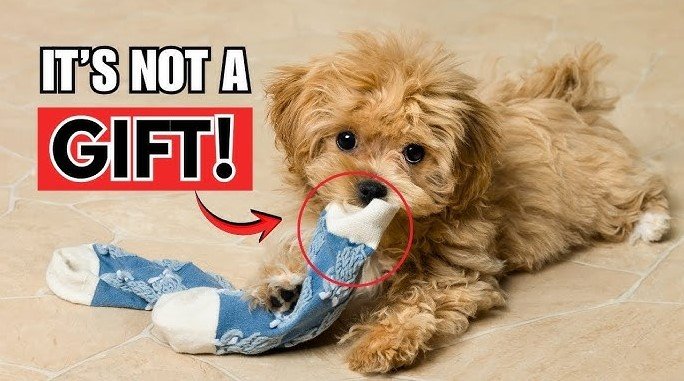
If you find your pup constantly greeting you with a plushie or squeaky toy in their mouth, you are not alone! This behavior is a universal dog trait rooted in natural instincts, social communication, and emotional comfort that helps them express their unique personality.
Have you ever walked through your front door after a long day at work, only to be met by your furry best friend trotting toward you with a slobbery stuffed hedgehog in their mouth? It is one of the most heartwarming sights for any pet parent. But why does my dog carry a toy around so consistently? It often seems like they have a favorite item that acts as an extension of their personality.
As we navigate pet ownership in 2026, we have a better understanding of canine behavior than ever before. While it might look like your dog is simply “playing,” the reasons behind this habit are actually quite diverse. From complex emotional expressions to deep-seated ancestral triggers, your dog is saying a lot without making a single sound.
Key Takeaways
- Natural Instincts: Many dogs carry toys because of their ancestral prey drive, allowing them to engage in “carrying” behavior without actual hunting.
- Greeting Rituals: Bringing you a toy is often a high-energy “hello” that shows affection and excitement to see you after time apart.
- Anxiety Relief: For many dogs, a familiar toy acts as a security blanket, providing comfort during stressful situations or loud noises.
- Attention Seeking: Your dog may carry a toy around to initiate play or simply because they know it gets a positive reaction from you.
- Resource Guarding vs. Sharing: Understanding whether your dog is showing off their “prize” or testing your response helps you manage their training better.
The Evolutionary Roots of the Toy Carry
To understand why your dog carries a toy around, we have to look back at their history. Domestic dogs are descendants of wolves, and even with thousands of years of evolution, those ancient instincts remain buried in their DNA. The “carrying” behavior is often a modified version of the prey drive.
The Prey Drive Connection
In the wild, canine ancestors would carry food back to the den to share with their pack or their puppies. When your dog picks up a toy, they are often tapping into that same neurological reward system. It gives them a sense of purpose. While they aren’t hunting for survival anymore, the act of “securing” an object provides a satisfying mental release.
The “Gatherer” Instinct
Some breeds, especially Retrievers and Spaniels, were specifically bred to carry items in their mouths. For these dogs, having something to hold is essentially their “job.” If you notice your Golden Retriever or Lab constantly needs to hold something, they are simply fulfilling a genetic predisposition that makes them feel productive and happy.
Greeting Rituals: Saying Hello the Right Way
For most pet parents, the “toy greet” happens right at the door. You come home, and there is your dog, wiggling their entire body while sporting a squeaky toy like a badge of honor. Why does my dog carry a toy around at this specific moment?
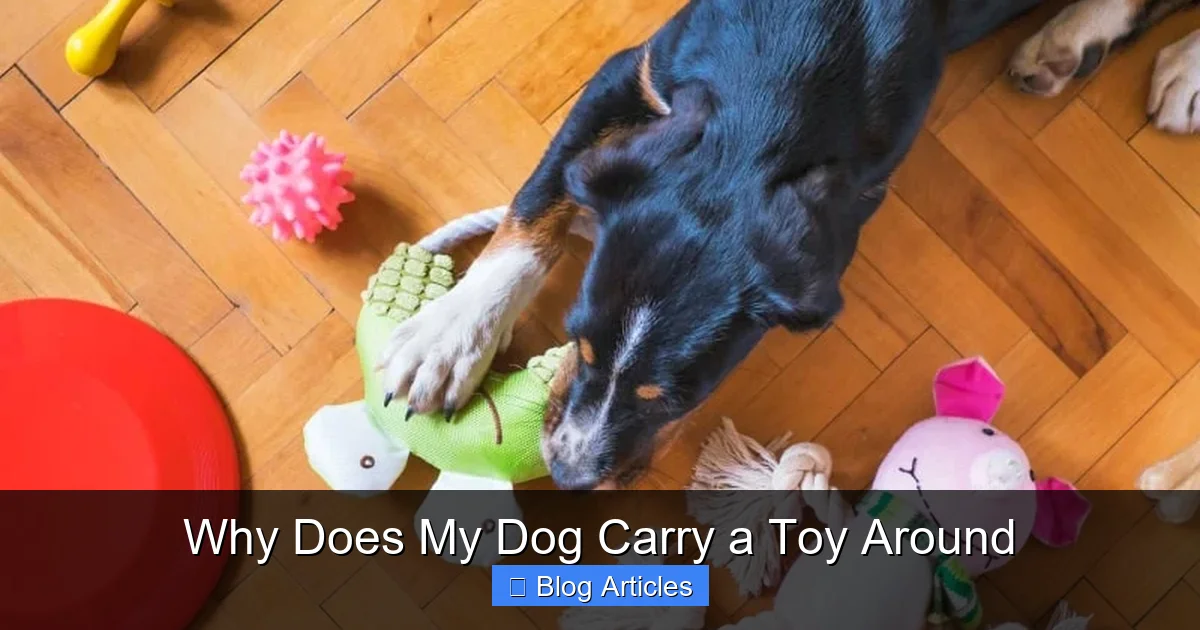
Visual guide about Why Does My Dog Carry a Toy Around
Image source: assets-global.website-files.com
The Peace Offering
When a dog brings you a toy, they are often making a social gesture. In the canine world, presenting an item to a pack member is a way of saying, “I come in peace.” It is a non-threatening, friendly way to engage with you. Think of it as them giving you a gift to celebrate your return.
The Energy Release
Greeting their humans is the most exciting part of a dog’s day. That excitement has to go somewhere. Carrying a toy helps them channel that frantic energy. By focusing on the toy, they avoid jumping up or barking uncontrollably. It is a self-soothing mechanism that helps them handle the surge of dopamine they feel when they see you.
Comfort, Security, and Emotional Regulation
Sometimes, the behavior isn’t about you at all. Have you noticed your dog carrying a toy around the house when the vacuum is running or during a thunderstorm? This is a classic sign of emotional comfort.
The Security Blanket Effect
Just like human children have favorite stuffed animals, dogs develop attachments to their toys. The texture, the scent, and the familiar feel of a favorite toy provide stability. When a dog feels anxious or overwhelmed, holding that toy makes them feel safe. It serves as a grounding object that keeps them centered.
Creating a Den Space
Dogs love to curate their sleeping areas. You might find your dog moving their toys from the living room into their crate or bed. This is a territorial instinct. By gathering their “possessions,” they are making their environment feel more like home. It is their way of saying, “This is my space, and these are my treasures.”
The Motivation of Play and Attention
Of course, we cannot ignore the most obvious reason: your dog wants to play! If your dog drops a toy at your feet or pushes it against your leg, they are actively trying to engage with you.
Initiating Interaction
When you ask yourself, “Why does my dog carry a toy around,” look at your own reaction. Do you usually pet them, throw the toy, or laugh? Your dog has learned that bringing you a toy is a high-probability way to get your attention. It is a form of communication that says, “I am bored, let’s have some fun!”
Testing the Boundaries of Play
If your dog brings you a toy but won’t let it go, they are initiating a game of tug-of-war. This is a very social game. It allows the dog to interact with you in a way that feels collaborative. It builds a bond, releases stress, and provides physical exercise all at once.
When Should You Be Concerned?
Most of the time, carrying a toy is perfectly normal and healthy. However, there are times when you should pay a little closer attention to the behavior.
Resource Guarding
If your dog becomes aggressive when you try to take the toy away, this is a form of resource guarding. While carrying a toy is usually positive, guarding it is a behavioral issue that might need training. If your dog growls, stiffens, or hides when holding a toy, it is time to consult a professional trainer to work on “drop it” commands and positive reinforcement.
Obsessive Behavior
Is your dog literally never without a toy? If they are losing sleep or refusing to eat because they are too focused on their toy, it might be a sign of obsessive-compulsive behavior. In rare cases, dogs can become so fixated on an object that it interferes with their daily life. If the behavior seems compulsive rather than playful, a veterinarian check-up is a good idea to rule out underlying anxiety or medical issues.
Tips for Managing and Enjoying the Behavior
So, you have accepted the toy-carrying habit. How can you make the most of it in 2026? Here are a few tips to enhance your bond.
Rotate Their Toys
Just like children get bored, dogs do too. By rotating their toy selection every week, you keep the excitement alive. A “new” toy every few days encourages them to keep engaging with you and their environment.
Encourage Positive Play
Use their love of carrying toys to teach them new tricks. You can teach them the names of their toys or reward them for bringing you a specific item when you ask for it. This mental stimulation is just as tiring as a long walk.
Respect Their Boundaries
If your dog is carrying their toy to their bed to relax, let them have that “me time.” Don’t always feel the need to take the toy away. Sometimes they just want to hold it for peace of mind. Giving them space to enjoy their toy on their own terms will actually make them trust you more when you do want to play.
In conclusion, the next time your dog greets you with a toy, remember that it is a complex, beautiful, and completely natural behavior. Whether they are welcoming you home, seeking comfort, or simply trying to get you to toss a ball, it is a sign of a happy, engaged, and loving companion. Embrace the slobber and the squeaks – it is all part of the joy of sharing your life with a dog.
Frequently Asked Questions
Is it bad for my dog to carry a toy all the time?
No, for most dogs, this is perfectly normal and healthy behavior. It is usually just a way for them to express excitement, provide themselves with comfort, or initiate play with their owners.
Should I take the toy away if they growl?
If your dog growls when you approach their toy, they are showing signs of resource guarding. It is best to avoid taking the toy directly; instead, work on “trade” exercises where you offer a high-value treat to encourage them to drop the toy voluntarily.
Why does my dog hide their toys in their bed?
Dogs often carry their toys to their bed to create a secure “den” space. It helps them feel safe and territorial, allowing them to relax with their favorite items nearby.
Can this behavior be a sign of separation anxiety?
Sometimes, if a dog carries a specific item everywhere, it can be a self-soothing mechanism for anxiety. However, if they are not showing other signs of distress, it is likely just a comforting habit rather than a clinical anxiety issue.
Do certain breeds carry toys more than others?
Yes, breeds like Retrievers, Spaniels, and Terriers are naturally more inclined to carry items because they were bred for tasks that involve holding or retrieving objects. It is part of their ancestral “work” instinct.
How can I get my dog to stop bringing me toys when I’m busy?
You can train your dog to understand a “not now” command or use a specific signal to let them know when play time is over. Consistency is key; if you ignore them when you are busy and reward them when you are ready to play, they will learn the schedule.