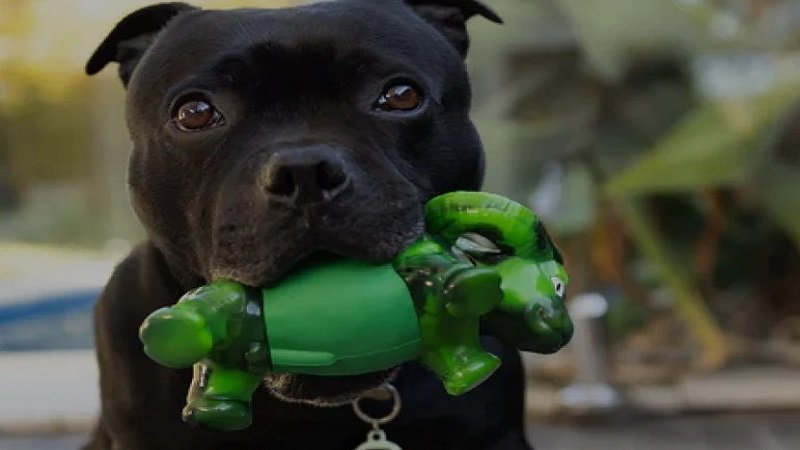
When your dog grips a toy and shakes their head violently, they are tapping into deep-seated ancestral instincts. This behavior, often called “predatory motor pattern,” is a natural way for dogs to simulate the process of subduing prey in a safe, recreational environment.
If you have ever watched your furry best friend engage with a squeaky plush toy, you have likely seen the transformation. One second they are calm, and the next, they are gripping the toy firmly and whipping their head from side to side with incredible speed. It is a spectacle that often leaves owners wondering: why do dogs shake their heads when playing with toys? Is it just for fun, or is there something deeper happening inside their brain?
As we navigate pet ownership in 2026, we have a better understanding than ever of canine behavior. While it might look like a wild display of energy, this behavior is a perfectly normal part of being a dog. It is a beautiful link to their past, a vital physical outlet, and a core component of their emotional well-being. By understanding the root of this action, you can better connect with your pet and ensure their playtime is as safe and fulfilling as possible.
Key Takeaways
- Predatory Instincts: Shaking toys mimics the natural behavior wolves and wild dogs use to finish a hunt.
- Stress Relief: The rhythmic motion of shaking helps dogs release pent-up energy and manage excitement.
- Muscle Development: This intense play strengthens the neck, shoulder, and jaw muscles, keeping your dog physically fit.
- Social Bonding: Many dogs shake toys to initiate play with their humans or other canine companions.
- Toy Durability: Because of this vigorous shaking, it is crucial to choose high-quality, durable toys to prevent choking hazards.
- Safety First: Monitor your dog during play to ensure they aren’t accidentally hitting furniture or people with their thrashing toys.
The Evolutionary Roots of the Shake
To truly understand why do dogs shake their heads when playing with toys, we have to look back at their ancestors. Long before dogs were curled up on our sofas, they were wild animals that had to hunt to survive. This head-shaking motion is technically referred to by animal behaviorists as a “predatory motor pattern.” It is a hardwired instinct that has been passed down through thousands of years of evolution.
Simulating the Hunt
In the wild, smaller prey often requires a quick and decisive end. When a wolf or a wild dog catches a small animal, they shake it vigorously to break the prey’s neck or stun it quickly. This minimizes the risk of injury to the predator and ensures a successful hunt.
Even though your dog is well-fed and living in a climate-controlled home, the software inside their brain remains largely the same. When they grab a plush toy and start shaking, they are effectively “practicing” these ancient hunting maneuvers.
Why Modern Toys Trigger This
Think about the toys that trigger the most intense shaking. They are usually soft, furry, or shaped like small animals. These toys provide the perfect sensory feedback for that ingrained instinct.
When your dog grabs a plush squirrel, the texture mimics fur, and the internal squeaker mimics the sounds of prey. This sensory input tells the dog’s brain that it is time to engage that specific motor pattern, even if the “prey” is just a polyester-filled stuffed toy.
The Role of Play in Canine Mental Health
Play is not just a way to pass the time; it is a fundamental pillar of a dog’s mental health. When you ask why do dogs shake their heads when playing with toys, consider the emotional release it provides. This intense physical exertion is a fantastic way for a dog to blow off steam. Much like a human might go for a run or hit a punching bag to de-stress, a dog uses physical play to reset their nervous system.
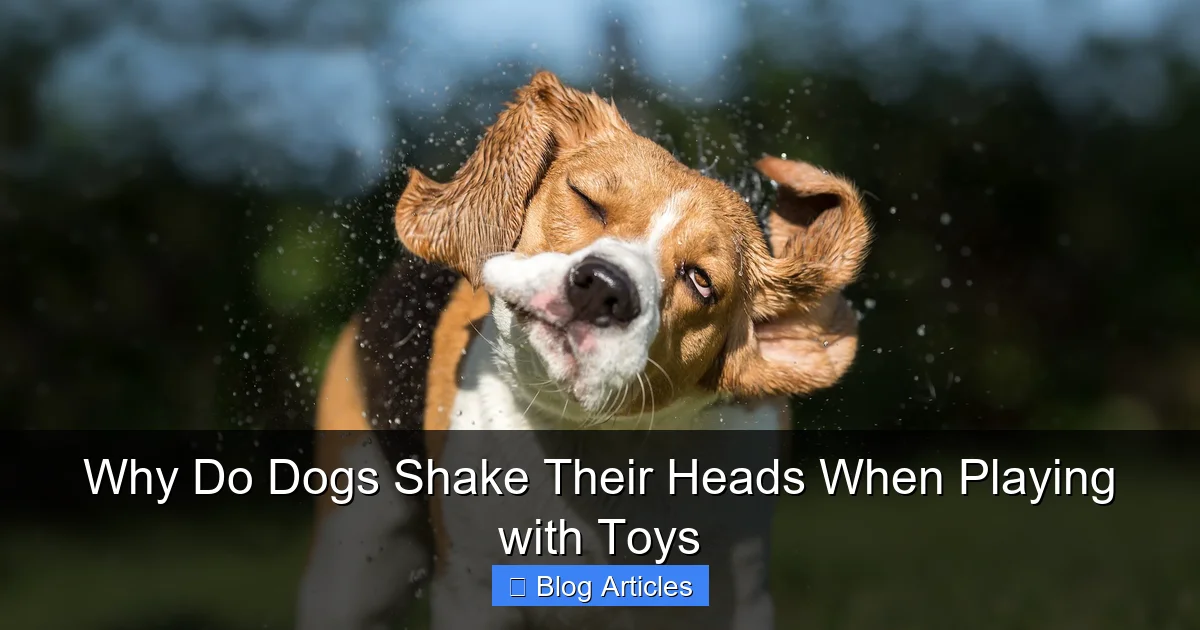
Visual guide about Why Do Dogs Shake Their Heads When Playing with Toys
Image source: thefarmersdog.com
Managing High Energy and Stress
If your dog is high-energy, shaking a toy is a high-intensity aerobic activity. It gets their blood pumping and engages multiple muscle groups. For dogs that deal with anxiety, this repetitive, rhythmic shaking can be incredibly soothing.
It provides them with a sense of control and accomplishment. By the time they are finished with their “hunt,” they often feel more relaxed and satisfied, which can lead to better behavior throughout the rest of the day.
Building Confidence Through Play
Shaking a toy is an empowering act. It allows a dog to feel like they have conquered a challenge. When your dog successfully “dispatches” their toy, their brain releases dopamine, the “feel-good” hormone. This reinforces the behavior and makes your dog feel more confident in their environment. For shy or nervous rescue dogs, providing appropriate toys that they can safely thrash around can be a great way to boost their self-esteem.
Physical Benefits and Fitness
Aside from the psychological reasons, the physical benefits are significant. Shaking a toy is a full-body workout. It isn’t just the neck muscles getting a workout; it requires core stability and shoulder strength to maintain balance while thrashing something back and forth. In 2026, we emphasize the importance of canine fitness, and natural play is the easiest way to keep your dog limber.
Strengthening the Musculature
Think of it as canine weightlifting. By gripping the toy and using the resistance of the weight to shake it, the dog is building lean muscle in their neck and upper back. This is why you rarely see a dog shake a toy with a flimsy grip; they lock their jaw and use their entire torso to propel the motion. This builds power and coordination, which helps keep their joints stable and their muscles flexible as they age.
Monitoring for Over-exertion
While the physical benefits are great, it is important to observe your dog during these sessions. If your dog has a history of neck or spinal issues, you might want to encourage gentler play styles. Also, watch for signs of fatigue. If your dog is shaking the toy so hard that they are losing their balance or gasping for air, it is a sign that it is time to take a break and offer some water.
Social Bonding and Play Styles
Why do dogs shake their heads when playing with toys in front of us? Often, it is a way to invite us into their game. Dogs are social learners, and they love to show off their “kills” to their human family. If your dog brings you a toy and starts shaking it in your direction, they are essentially saying, “Look what I have! Do you want to play?”
The “Tug-of-War” Connection
Many dogs love to play tug-of-war. This is the ultimate social expression of the shaking instinct. When you hold one end of the rope and they hold the other, they are shaking their heads not to destroy the rope, but to challenge you.
It is a cooperative game that builds trust and strengthens your bond. In these instances, the shaking is a sign of engagement and mutual enjoyment. It shows that your dog views you as a partner in their play.
Distinguishing Between Play and Aggression
Some new owners get worried that this shaking behavior looks aggressive. It is important to remember that context is everything. When a dog is truly aggressive, their body language will be tense, ears pinned back, and they may be growling with a low, threatening tone.
During play, however, your dog’s body will be loose and “wiggly.” They might play-bow or have a relaxed facial expression. If your dog is shaking a toy, it is almost always a sign of pure, unadulterated joy.
Selecting the Right Toys for Your Shaker
Since we know the answer to why do dogs shake their heads when playing with toys, we must ensure they have the right equipment. A dog that loves to shake is going to be hard on their toys. You need to provide them with items that can withstand the whipping motion without falling apart, which could pose a safety risk.
Durability vs. Fun
Plush toys are great for the “shaking” instinct because they are lightweight and easy to whip around. However, they are also easily shredded. Look for plush toys specifically marketed as “tough” or “chew-resistant,” which often feature reinforced stitching and tear-resistant fabric.
For the ultimate shaker, consider durable rope toys. Ropes are designed to handle the centrifugal force of a head-shaking dog and are perfect for long-lasting, heavy-duty play sessions.
Safety Considerations
Always inspect toys after a heavy play session. If a toy has been shaken to the point of tearing, remove the loose parts. Pieces of fabric, stuffing, or hard plastic eyes can be dangerous if swallowed.
A simple check-up at the end of the day keeps your dog safe and prevents those unwanted emergency vet visits. Always choose toys that are sized appropriately for your dog too small, and they could choke; too large, and they won’t get that satisfying, aerodynamic shake.
Conclusion
So, why do dogs shake their heads when playing with toys? It is a fascinating mix of ancient history, physical fitness, and pure, joyful expression. By embracing this behavior rather than worrying about it, you are honoring your dog’s natural heritage and providing them with a way to express their most basic instincts in a safe, loving environment.
Whether your dog is a light shaker or a heavy-duty thrasher, the most important thing is that they are engaged and happy. Next time you see your dog grabbing their favorite toy and start that rhythmic, wild dance, sit back and appreciate it.
You are watching a centuries-old tradition playing out right in your living room. Just be sure to have plenty of durable toys on hand, keep an eye on their safety, and maybe even join in on the game yourself. Playtime is the language of love between you and your dog, and there is no better way to communicate than by letting them be exactly who they were born to be.
Frequently Asked Questions
Is it normal for my dog to shake their toys aggressively?
Yes, it is completely normal and is a standard part of canine play behavior. This instinctual “predatory motor pattern” is how dogs simulate hunting while playing in a safe environment.
Should I stop my dog from shaking their toys?
There is no need to stop this behavior unless it becomes destructive toward your furniture or dangerous to people nearby. As long as your dog is playing with appropriate toys and not harming themselves, let them have their fun.
Does shaking a toy mean my dog is frustrated?
Usually, the opposite is true; shaking a toy is a sign of high engagement and excitement. It is a way for them to release pent-up energy and experience the satisfaction of a successful “hunt.”
Can this behavior cause neck injuries?
While rare in healthy, young dogs, it is possible for extremely vigorous shaking to lead to minor muscle strain. If your dog has a history of neck or spinal issues, consult your veterinarian about safer ways to play.
What types of toys are best for dogs that love to shake?
Rope toys, heavy-duty plush toys with reinforced seams, and durable rubber tug-toys are excellent choices. Avoid toys with small parts that could break off during intense shaking sessions.
Why do dogs squeak the toy after shaking it?
The squeak mimics the sound of prey, which provides sensory feedback to the dog. It reinforces the success of their “hunt” and adds an extra layer of stimulation to their playtime.