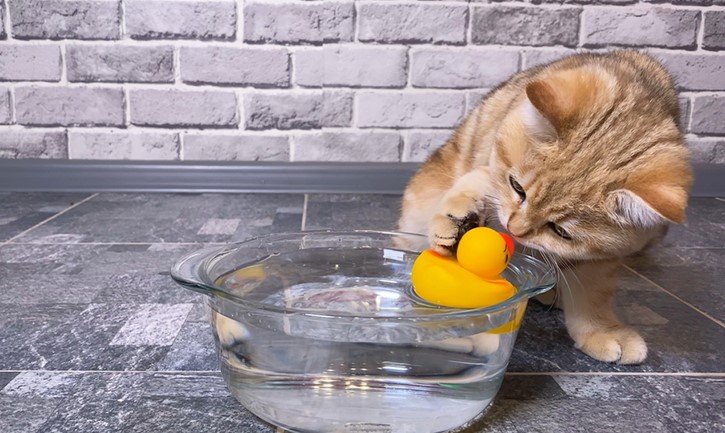
If you find soggy mice in your cat’s water bowl, don’t worry! This common feline behavior is usually a mix of predatory instincts, a desire to protect their “prey,” or simply a quirky habit they find mentally stimulating.
Have you ever walked toward your cat’s water station, only to find a soggy, dripping mouse toy floating in the dish? It is a scene almost every cat owner has encountered at least once. You might wonder, “Why does my cat drop toys in water?”
It seems like such a strange thing to do, but for your feline friend, it makes perfect sense. In 2026, as we learn more about feline psychology and animal behavior, we realize that these actions are rarely random. They are deeply rooted in the genetic code of your house cat.
When you see your cat splashing their favorite fuzzy toy into their water bowl, you are witnessing a bridge between their wild ancestors and their modern home life. While it might be annoying to fish out wet, slimy toys, this behavior is a window into your cat’s mind. It combines hunting instincts, territorial management, and simple, curious play. Let us dive into the reasons why this happens and what you can do about it.
Key Takeaways
- Natural Predatory Instinct: Cats often bring “hunted” prey to a safe place, and the water bowl represents a central, secure territory in the home.
- Resource Protection: Dropping a toy in water can be a way of “caching” or hiding the object so other household pets cannot steal it.
- Playful Experimentation: Cats are naturally curious; they might be testing how the toy changes when wet or simply enjoying the splash.
- Sensory Stimulation: The difference in texture and weight of a wet toy provides unique sensory feedback that intrigues a cat’s brain.
- Attention Seeking: If your cat notices that you react when they drop a toy in water, they may continue doing it to get your attention or a reward.
- Boredom Mitigation: An indoor cat might drop toys in water to create their own entertainment if they aren’t getting enough environmental enrichment.
The Evolutionary Roots of the Water Bowl Habit
To understand why does my cat drop toys in water, we have to look back at the wild ancestors of our domestic cats. Before your cat had a ceramic bowl filled from the kitchen tap, their ancestors had to secure their food and protect it from scavengers. This deep-seated instinct to “secure the prey” is still very much alive today.
The Instinct to Store Prey
In the wild, a cat would not simply leave their kill out in the open where other predators or scavengers could steal it. They would drag their prey to a safe spot, often near their den or a place they considered home base.
Because your house is their territory, your cat views the water bowl as a central, vital part of their environment. By dropping a toy which represents their “catch” into the water, they are effectively placing it in a “safe zone” where they believe it is protected.
Safety and Familiarity
Water is a constant in a cat’s life. They know exactly where it is. By associating their “catch” with the water bowl, they are placing an important resource in a location they visit daily. It is a way of saying, “I have secured my prize, and I know exactly where it is for later.”
Playful Experimentation and Sensory Fun
Cats are naturally inquisitive creatures. If you have ever watched a cat bat at a dripping faucet or stare intensely at bubbles in the sink, you know they are fascinated by water. Why does my cat drop toys in water? Sometimes, the answer is just plain curiosity.
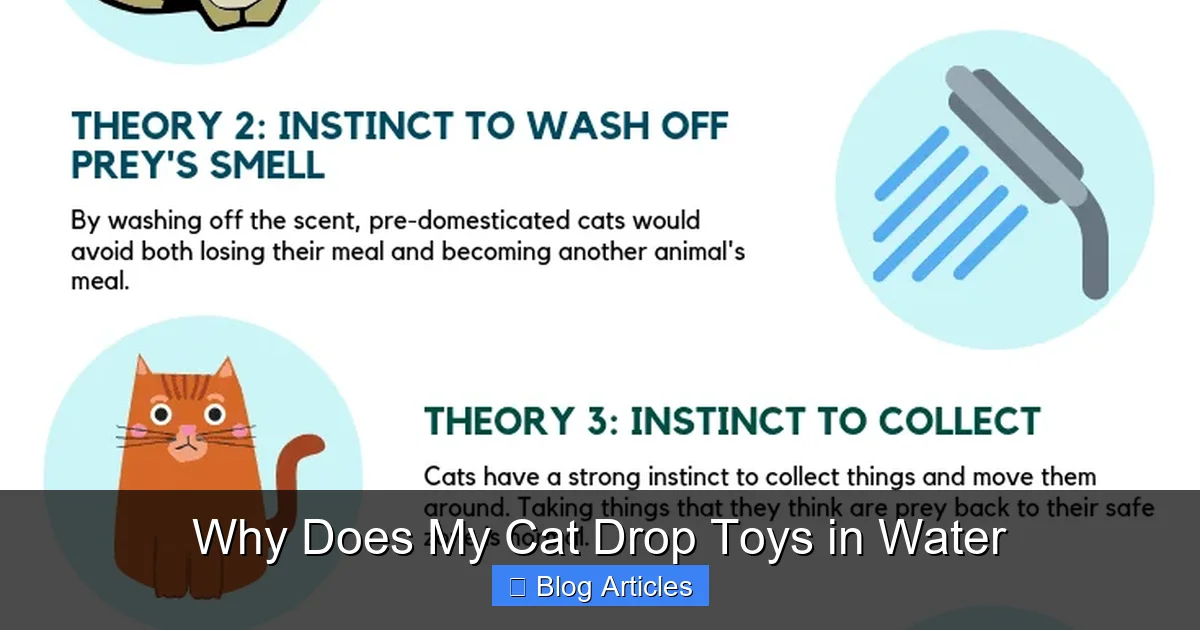
Visual guide about Why Does My Cat Drop Toys in Water
Image source: nationalkitty.com
Texture and Weight Changes
Think about how a plush toy feels when it is dry. Now, imagine how it feels when it is soaked. The weight changes, the texture becomes slippery, and the toy might even make a different sound when it hits the floor. For a cat, this is a fascinating sensory experiment. They are learning about their world through touch, sight, and sound, and the water bowl serves as a perfect laboratory for these little experiments.
Creating Their Own Entertainment
If your cat is an indoor pet, they might experience boredom. When a cat is bored, they look for new ways to interact with their environment. Dropping a toy in water changes the nature of the toy. It is no longer just a mouse; it is a wet, heavy, interesting object that reacts differently than anything else in the room. It is a DIY toy that provides them with extra stimulation.
The “Trophy” Aspect of Cat Behavior
We often think of cats as solitary hunters, but they are also creatures that like to display their success. If your cat brings a toy to you, they are offering you a gift. If they drop it in their water, they might be “washing” their prey or simply keeping it close to their drinking station as a trophy.
The Concept of Caching
Caching is a behavior where animals store food for later consumption. While your cat is not going to eat a felt mouse, the instinct is the same. By putting the toy in the water, they are putting it “away.” It is their version of putting something in a cupboard. Even if the logic seems flawed to us, it serves an important function in their internal world of organization and territorial control.
Developing a Ritual
Some cats develop a specific ritual. They hunt, they catch, they carry, and they “water.” Once a cat performs this sequence and realizes they enjoy the sensory result, it can quickly become a habit. Habits in cats are very hard to break because they provide comfort and predictability in their daily routine.
Attention-Seeking and Behavioral Reinforcement
Sometimes the reason is much simpler than ancient instincts. It is about you. Cats are very observant. They watch their humans constantly, and they learn quickly what triggers a reaction. If you rush over, laugh, or even scold them when you see a toy in the water, you have just reinforced the behavior.
You Are Part of the Game
If your cat notices that their action causes you to walk toward them, talk to them, or interact with them, they might keep doing it. To them, the “why” doesn’t matter as much as the result. If the result is attention, then dropping the toy in the water is a very successful behavior. They have trained you to come to them!
Breaking the Cycle
If you want to stop this because it makes a mess, the best strategy is to avoid the big reaction. Do not rush over to grab the toy while they are watching. If you remove the toy, do it calmly and without engaging with the cat. If the behavior is purely for attention, and the attention stops coming, the cat will likely stop the behavior.
How to Manage the Soggy Toy Situation?
While this behavior is natural, it can lead to soggy floors or moldy toys. If you are tired of the wet mess, there are several things you can do to manage the situation without stressing out your cat.
Rotate the Toys
Sometimes, a cat drops a toy in the water because they are bored with it. By rotating your cat’s toys frequently, you keep their environment fresh and exciting. If a toy is new and interesting, they may be less inclined to use it as a “water experiment.”
Provide Enrichment
If your cat is dropping toys in water due to boredom, increase their activity level. Use wand toys to play with them for fifteen minutes a day. A tired, happy cat is much less likely to spend their time turning their water bowl into a swimming pool for their toys.
Change the Water Station
Some cats find traditional bowls boring. Consider a pet water fountain. The movement of the water might satisfy their curiosity enough that they feel no need to add their own objects to it. The visual and auditory stimulation of a fountain can replace the need for them to manipulate their toys in the water.
Conclusion
At the end of the day, asking “why does my cat drop toys in water” is really a way of admiring the complexity of our feline companions. Whether it is an echo of their ancestral predatory past, a way to hide their treasures, or simply a clever game they invented to get your attention, it is a harmless quirk.
As pet owners in 2026, we have the joy of observing these behaviors and learning how to better accommodate our cats’ natural instincts while keeping our homes clean. The next time you pull a dripping toy out of the water dish, try to see it through your cat’s eyes.
They aren’t trying to make a mess; they are engaging with their world in a way that feels natural to them. By providing them with enough enrichment, a variety of toys, and perhaps a water fountain, you can balance their natural instincts with your need for a dry floor. Remember, these little moments are just another part of the bond you share with your best friend.
Frequently Asked Questions
Is it bad for my cat if they drop toys in the water?
Generally, it is not bad for your cat. However, make sure to wash the toys regularly to prevent bacteria or mold from growing, and keep the water bowl clean so your cat always has fresh drinking water.
Should I stop my cat from doing this?
You do not need to stop them for their health, but you might want to stop them to keep your floor dry. If you want them to stop, avoid reacting to the behavior and try providing more interactive play to keep them occupied elsewhere.
Does this mean my cat is bored?
It can be a sign of boredom, but it is also a very common natural instinct for many cats. If your cat is otherwise happy, eating well, and playful, it is likely just a personal quirk rather than a sign of a deeper issue.
Why do some cats only do this with specific toys?
Cats often have “favorite” toys that they associate with hunting or security. They are more likely to cache the toys they feel most attached to, as those toys represent the most valuable “prey” in their eyes.
Could this be a sign of a medical issue?
It is rarely a medical issue. However, if your cat suddenly starts changing their habits drastically or acting stressed, it is always a good idea to consult your veterinarian to rule out any underlying health concerns.
Will my cat ever grow out of this habit?
Some cats grow out of it as they age and become less energetic, while others may keep the habit for life. Because it is often rooted in instinct, it is very common for this behavior to persist throughout their adult years.