If you have ever asked, “Why do dogs lick their toys after biting them?” you are not alone. This common behavior is usually a sign of soothing comfort, sensory exploration, or simply a way to enjoy leftover scent from their favorite playthings.
Picture this: You are relaxing on the couch in 2026, and your dog is happily chewing away on their favorite rubber squeaky toy. Suddenly, they stop the vigorous biting, take a breath, and start rhythmically licking the surface of the toy. You might find yourself pausing your show to ask, “Why do dogs lick their toys after biting them?” It is a curious, almost endearing behavior that leaves many pet owners scratching their heads.
While it might look a bit strange to us, your dog has a very specific reason for their post-play grooming session. Understanding these little quirks helps you bond deeper with your furry best friend. Whether it is an act of relaxation or a deep dive into the world of scent, your dog is communicating with you in their own unique way. Let’s dive into the fascinating world of canine behavior to uncover exactly why this happens.
Key Takeaways
- Self-Soothing: Licking a toy after biting can act as a calming mechanism for anxious or tired dogs.
- Sensory Exploration: Dogs use their tongues to map out textures and flavors they missed while biting.
- Scent Retention: Licking helps a dog process the lingering smell of a toy, making it feel more familiar.
- Affectionate Bonding: Sometimes dogs treat their toys like family members, grooming them to show attachment.
- Dietary Needs: Frequent licking might occasionally point toward a craving for salt or minerals if the toy is flavored.
- Medical Observation: Sudden, obsessive licking could be a sign of dental discomfort or mouth pain that needs a vet check.
The Science of Sensory Exploration
Mapping the Texture
Dogs perceive the world primarily through their noses and mouths. When a dog bites a toy, they are testing its durability and release of sound. However, when they transition to licking, they are engaging in a much more detailed sensory exploration. The tongue of a dog is covered in thousands of taste buds and sensory receptors that help them “read” the object they are interacting with.
By licking the toy after biting it, the dog is mapping out the ridges, bumps, and grooves of the material. Think of it like a human using their fingers to inspect a piece of fabric. Since dogs do not have hands, the tongue serves as a specialized tool for gathering information about the world. They are confirming that the object is safe, familiar, and still interesting.
The Role of Taste
Many modern dog toys come infused with scents like bacon, vanilla, or wood. When a dog bites into these toys, they break down the surface slightly, which releases more of that flavor. Licking allows them to savor the experience. Even if the toy is not flavored, the dog might be picking up on tiny particles of food or dust that have settled on the toy during their playtime, making the licking a form of “snack-time” investigation.
Self-Soothing and Emotional Regulation
Finding Calm After the Storm
Playtime is high-energy. Whether your dog is playing tug-of-war or chasing a ball, their heart rate rises and their brain goes into a state of high arousal. For many dogs, the transition from high energy to rest can be difficult. Licking is a repetitive, rhythmic motion that releases endorphins in the dog’s brain. This is nature’s way of helping them return to a state of equilibrium.
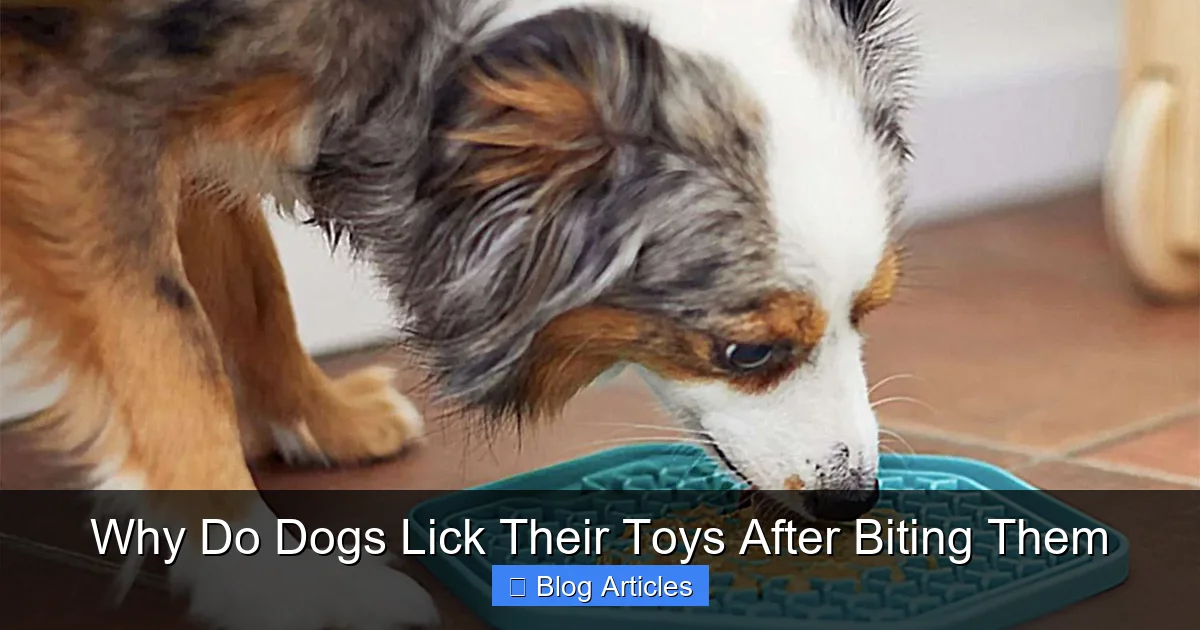
Visual guide about Why Do Dogs Lick Their Toys After Biting Them
Image source: static.onecms.io
Reducing Anxiety
If you notice your dog licking their toys frequently, especially after a high-stress event like a thunderstorm or a visit from a stranger, it is likely a coping mechanism. The action of licking is inherently soothing, similar to how a human might fidget with a pen or tap their foot when they are nervous. By licking their toy, your dog is effectively saying, “I am safe, I am calm, and I am relaxing.”
Scent Retention and Familiarity
Marking Their Territory
In the wild, canines rely heavily on scent to communicate. When a dog licks a toy, they are transferring their own saliva onto the object. This is a subtle way of “marking” the item as theirs. By covering the toy in their scent, they make it smell more like home and less like the factory or the store shelf. This gives the dog a sense of ownership and security.
Processing Information
The Jacobson’s organ, located in the roof of the mouth, plays a massive role in how dogs process the world. When a dog licks an object and then presses their tongue to the roof of their mouth, they are essentially performing a deep analysis of the scents present. If your dog licks a toy after biting it, they might be processing the history of that toy. They are analyzing where it has been and confirming that it belongs to their pack.
The Attachment Theory: Toys as Companions
The Grooming Instinct
In a pack environment, grooming is a primary way that dogs show affection and maintain social bonds. You have likely seen your dog lick their own paws or even try to lick your hand. When a dog treats a toy like a peer, they may initiate a grooming ritual. By licking the toy, they are showing that they have accepted the object as a member of their inner circle.
Attachment to “Lovey” Toys
Does your dog have that one specific toy they carry everywhere? It is common for dogs to have a comfort object. The post-bite licking is a sign of deep attachment. It signifies that the toy provides comfort just as much as it provides entertainment. If you see this behavior, it is usually a sign that your dog feels deeply secure and content in their environment.
When Licking Becomes a Concern
Differentiating Habit from Obsession
While asking “why do dogs lick their toys after biting them” usually leads to a harmless answer, there are times to be cautious. If the licking becomes obsessive, where your dog spends hours on end ignoring food, play, or walks to lick a single object, it could indicate a behavioral issue. Obsessive licking can sometimes be a sign of high levels of anxiety or even compulsive disorders.
Checking for Mouth Pain
Sometimes, the logic is simpler: something hurts. If a dog bites a hard toy and then licks it immediately, they might be trying to soothe a sore gum or a cracked tooth. If you notice your dog favoring one side of their mouth or whining while they lick, it is time for a quick check-up with your local veterinarian. Ensuring their dental health is up to par is a great way to keep your pup happy and pain-free.
The Impact of Material
Consider the toy itself. Is it made of porous material? If so, it might be harboring bacteria. Frequent licking of a dirty toy can lead to stomach upset. Always make sure to wash your dog’s favorite toys in warm, soapy water regularly. If the toy is falling apart, the licking might also be a way for the dog to remove loose fibers that are bothering them. In this case, it is safer to swap out the toy for a newer one.
Practical Tips for Happy Playtime
To support your dog’s natural play habits, try these simple tips:
- Rotate Toys: Keep a few toys in a rotation so your dog stays engaged without developing obsessive fixations on a single one.
- Use Non-Toxic Materials: Always buy high-quality, non-toxic toys to ensure that your dog is not ingesting harmful chemicals during their grooming sessions.
- Observe the Behavior: If your dog seems relaxed and happy while licking, let them be! It is a healthy part of their decompression routine.
- Keep Toys Clean: A regular wash schedule prevents the buildup of bacteria, keeping your dog’s mouth and environment healthy.
- Engage with Them: Join the fun! Use the toys to play with your dog, which strengthens your bond and provides them with social feedback.
Conclusion
So, the next time you look over and ask, “Why do dogs lick their toys after biting them?” you can smile knowing that your dog is just being a dog. Whether they are calming their nerves, exploring new textures, or showing love to their favorite squeaky friend, this behavior is a normal and often positive part of canine life.
By observing these habits, you are becoming more attuned to your dog’s personality and needs. As we move through 2026, keep prioritizing these small moments of observation. They are the building blocks of a great relationship with your pet.
Keep providing them with safe, stimulating toys, keep an eye on their health, and most importantly, keep enjoying the unique, funny, and heartwarming ways your dog communicates their world to you.
Frequently Asked Questions
Is it normal for my dog to lick their toys constantly?
It is generally normal, as licking is a self-soothing behavior that helps dogs regulate their emotions. However, if the behavior becomes obsessive or interferes with daily life, it is worth discussing with your veterinarian.
Could licking a toy mean my dog is hungry?
Sometimes, a dog will lick a toy because it has lingering food scents on it. If your dog is licking their toys right before mealtime, they might simply be looking for a snack.
Should I stop my dog from licking their toys?
There is no need to stop your dog from licking their toys unless they are obsessively doing so or the toy is dirty/damaged. It is a natural behavior that helps them relax and bond with their playthings.
Can licking toys lead to health issues?
If the toy is dirty or falling apart, constant licking can introduce bacteria into your dog’s mouth or lead them to swallow small pieces of material. Keeping toys clean and replacing them when damaged is the best way to prevent issues.
Does this behavior mean my dog is anxious?
Licking can be a sign of anxiety, but it is also a sign of contentment. Look at your dog’s overall body language; if their tail is wagging and they seem relaxed, they are likely just enjoying the sensation.
Why do they lick the toy specifically after biting it?
Biting releases scents and flavors while also creating a high-energy state. Licking acts as a cooling-down phase that helps them process the sensory information they just gathered from the toy.