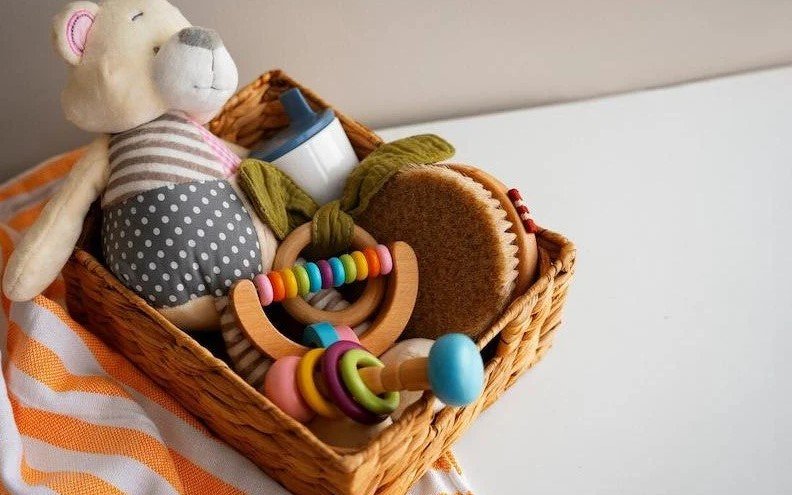
Newborns do not need traditional toys in the way older children do, as their primary focus is bonding and basic sensory exploration. You can begin introducing simple, age-appropriate items around the three-month mark, but your presence remains the most important developmental tool during these precious early weeks.
Congratulations on your new arrival! As we navigate the early months of 2026, many new parents find themselves staring at a nursery filled with gadgets, gear, and colorful trinkets, wondering: when do newborns need toys? It is a common question born from a place of love and a desire to give our little ones the best start in life.
The truth, however, is much simpler and perhaps a bit more relaxing than you might expect. During the first few weeks, your baby is busy adjusting to life outside the womb. Their world is mostly a blur of light, shadows, and the soothing sound of your heartbeat.
While the marketing industry wants you to believe that “educational” toys are essential from day one, your newborn is actually discovering the world through the most natural tools available: your face, your voice, and the simple environment around them. Knowing when do newborns need toys is all about understanding the gentle pace of early development.
Key Takeaways
- Developmental Stages: Newborns primarily explore the world through sight, sound, and touch, making high-contrast objects and soft textures ideal.
- Less is More: Overloading a nursery with gadgets can be overwhelming; focus on simple items that encourage interaction rather than passive entertainment.
- Safety First: Any toy introduced must be non-toxic, free of small parts, and durable enough to withstand early curiosity.
- The Parent Factor: Your voice, facial expressions, and touch are the most effective “toys” for a newborn’s brain development.
- Play Evolution: As your baby reaches three months, they move from sensory observation to active engagement, which is the perfect time for basic rattles and soft mirrors.
Understanding Newborn Sensory Development
To answer when do newborns need toys, we first have to look at how their brains process information. In the first few months, a baby’s vision is still developing. They see best at a distance of about eight to twelve inches the perfect distance for them to gaze at you while you are holding or feeding them.
The Power of High Contrast
Because newborn vision is still maturing, they are naturally drawn to high-contrast images. Think of black-and-white patterns, bold geometric shapes, or stark differences in lighting. These are not “toys” in the traditional sense, but they serve as the perfect visual stimulation. You do not need a fancy, battery-operated mobile; a simple black-and-white card taped to the wall near the changing table is often more effective.
Listening and Learning
Your baby’s hearing is quite advanced, but they are not looking for electronic music or flashing lights. They are tuned into the cadence and rhythm of human speech. Talking to your baby, singing songs, or even narrating your day provides more “developmental fuel” than any plastic gadget ever could. When you wonder when do newborns need toys, remember that your interaction is the original interactive game.
The Three-Month Transition
Around the three-month mark, you will notice a shift. Your baby is suddenly more alert. They are starting to track objects with their eyes, experimenting with reaching out, and even showing clear preferences for certain sounds. This is the stage where the answer to when do newborns need toys shifts from “not yet” to “let’s try something simple.”
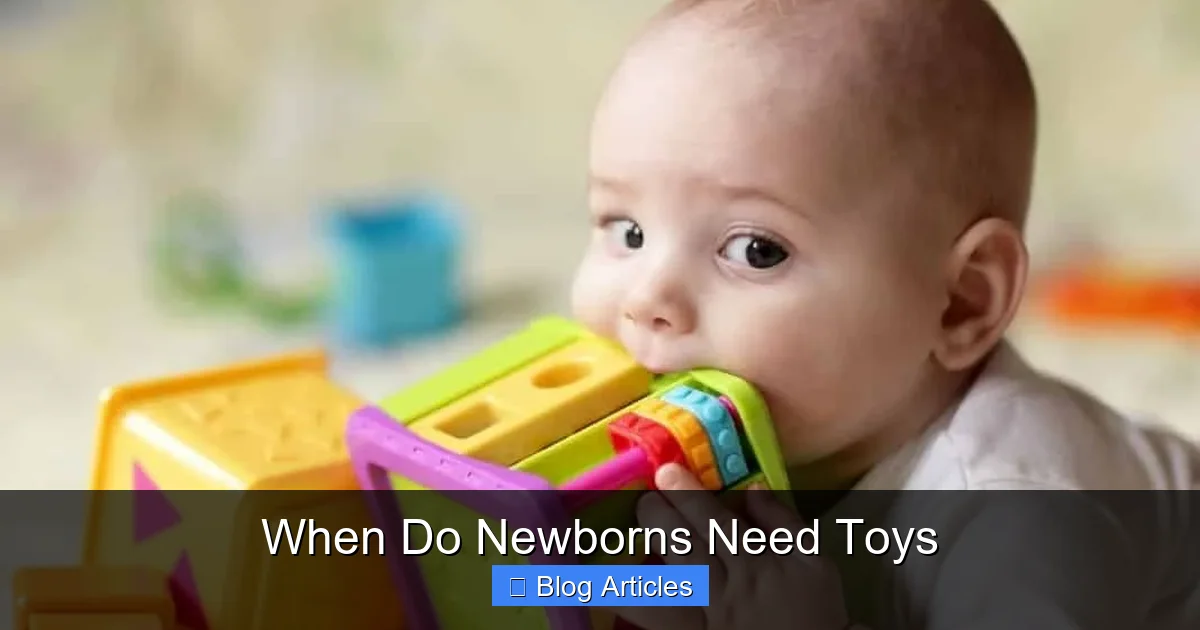
Visual guide about When Do Newborns Need Toys
Image source: themummybubble.co.uk
Introducing Soft Textures
At three months, babies begin to explore using their hands. This is the perfect time to introduce soft, textured fabrics. A soft doll, a cloth book with crinkly pages, or a baby-safe mirror can capture their attention. These items allow them to practice gripping and tactile sensation without the danger of sharp edges or complex parts.
The Importance of Play Mats
A floor play mat or a tummy time activity gym is a fantastic addition around this time. Tummy time is crucial for developing neck and shoulder strength. By providing a safe, clean space on the floor, you give your baby the freedom to move and explore. The best toys here are those that stay in place and don’t overwhelm the baby with sensory overload.
Why Less Is Often Better?
We live in a world of overstimulation. From glowing screens to singing plastic creatures, it is easy to assume that more is better. However, when considering when do newborns need toys, it is vital to remember that babies have a very low threshold for sensory input. When a toy makes loud noises, flashes bright lights, and moves on its own, it leaves very little room for the baby’s brain to do the work of learning.
Preventing Sensory Overload
Have you ever noticed your baby turning their head away from a toy? That is their way of saying, “I have had enough.” Overstimulated babies often become fussy, tired, or struggle to fall asleep.
By choosing simple, analog toys, you allow the baby to control the pace of their own play. If the baby wants the rattle to shake, they move their hand. If they stop, the noise stops. This simple cause-and-effect relationship is the foundation of cognitive development.
Encouraging Independent Exploration
By keeping the toy box sparse, you encourage creativity. A simple wooden ring or a colorful silk scarf can be a dozen different things to a developing mind. You aren’t just giving them a distraction; you are giving them an invitation to observe, touch, and investigate at their own speed.
Safety Guidelines for Early Play
Safety is the top priority when introducing any item to your infant. When do newborns need toys? Only when you can guarantee they are safe. Even simple objects must pass strict standards to prevent choking hazards or physical injury. Always inspect items for loose threads, small buttons, or parts that could break off.
Choosing Materials
Look for natural, non-toxic materials whenever possible. Babies explore by putting everything in their mouths. Organic cotton, untreated wood, and food-grade silicone are excellent choices. Avoid cheap plastic toys that may have strong chemical smells or paint that could chip. If it isn’t safe for a mouth, it isn’t safe for a baby.
Regular Maintenance
Keep toys clean and rotate them. You don’t need fifty toys out at once. Keep a few favorites accessible and store the rest away. Rotating toys every two weeks keeps the environment fresh and prevents the baby from becoming bored. Plus, it makes tidying up your home much easier in the long run.
The Parent’s Role in Development
We often get so caught up in the “what” of development that we forget the “who.” When do newborns need toys? They need them far less than they need the presence of a loving caregiver. Research consistently shows that parent-child interaction is the strongest predictor of positive developmental outcomes. No toy can replicate the warmth of your touch or the comfort of a parent’s laughter.
Bonding Through Play
Instead of focusing on finding the perfect toy, focus on the perfect moment. Use play as a way to bond. When you are on the floor with your baby, make eye contact. Smile back at them. Respond to their coos. These interactions build neural pathways that are much more complex and robust than anything a store-bought toy can provide.
Reading and Storytelling
If you want to introduce a “toy” early on, let it be a board book. Reading aloud to your newborn—even if they have no idea what you are saying—helps them become familiar with the rhythms and sounds of language. It is a calming, bonding activity that bridges the gap between early infancy and the later stages of play.
Conclusion
The question of when do newborns need toys is one that every parent eventually asks, but the answer is designed to take the pressure off your shoulders. In the first few weeks, your baby is living in a world defined by the relationship they have with you. Toys are merely accessories to the real work of growing and learning.
As your baby grows into the three-to-six-month range, start with one or two simple, sensory-focused items. Observe how they react. Do they seem engaged, or do they seem overwhelmed? Listen to your baby; they will tell you exactly what they need.
Remember that in 2026, just as in any year, the most valuable resources you can provide are your undivided attention, a safe environment, and the patience to watch your child grow at their own unique pace. Keep it simple, keep it safe, and enjoy these early, quiet moments of discovery.
Frequently Asked Questions
Do newborns get bored if they don’t have toys?
No, newborns do not experience boredom in the way adults do. They are constantly processing their surroundings, observing light, listening to voices, and adjusting to the world, which is a full-time job for their developing brains.
What are the best “toys” for a one-month-old?
At one month, the best “toys” are human-centric, such as your face, your voice, and high-contrast visuals like black-and-white patterns. Gentle massage and soft, soothing music are also excellent ways to provide stimulation without overwhelming them.
When can I start using a play gym?
Most babies are ready for a play gym around 3 months of age when they gain better head control and start reaching for objects. Before that, a simple, flat play mat for supervised tummy time is usually sufficient.
Are electronic toys harmful to newborns?
Electronic toys are not inherently “harmful,” but they often provide too much sensory input, which can lead to overstimulation and fussiness. Simple, non-electronic items allow the baby to control the play experience, which is much better for their cognitive growth.
How often should I clean my baby’s toys?
Because newborns explore by mouthing items, you should clean them at least once a week or immediately if they fall on the floor. Use warm, soapy water or a baby-safe cleanser, and ensure all toys are fully dry before giving them back to your baby.
Is it okay to use second-hand toys?
Second-hand toys are fine as long as they are in good condition, have no missing parts, and can be thoroughly cleaned or sanitized. Avoid used plush toys that may harbor dust mites or allergens if they cannot be machine washed.