Teaching your dog to pick up toys is a fantastic way to provide mental stimulation while keeping your living space clutter-free. By using positive reinforcement and breaking the process into small, manageable steps, you can turn a mundane chore into a rewarding bonding activity for both you and your furry friend.
Do you ever feel like you are constantly tripping over squeaky hedgehogs or rogue tennis balls in your living room? We have all been there. It is the classic dog owner dilemma: you love your pet, but you are not quite as fond of the permanent toy explosion in your home.
What if I told you that your dog could actually help you tidy up? Teaching your dog to pick up toys is more than just a party trick; it is a brilliant way to burn off energy and challenge their brain.
In this 2026 guide, we are going to walk through the exact steps to turn your chaotic toy collection into a tidy pile. Whether you have a high-energy Border Collie or a laid-back Basset Hound, these methods work for almost every breed. Grab a bag of treats, clear some space, and let’s get started on turning your pup into the world’s cutest personal assistant.
Key Takeaways
- Start Small: Focus on one toy at a time to build confidence before introducing complex cleanup routines.
- Use Positive Reinforcement: Always reward your dog with high-value treats or verbal praise when they successfully hold or move a toy.
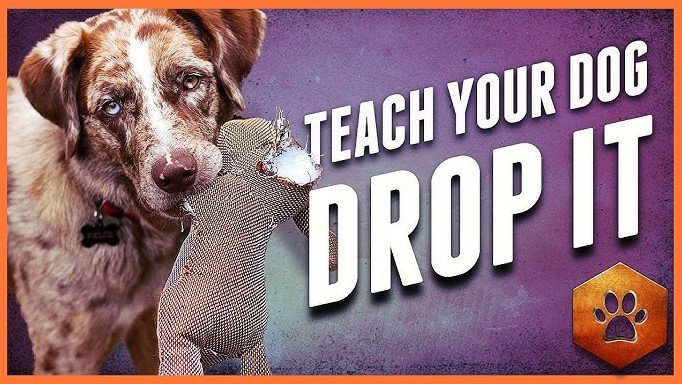
- Master “Drop It”: A solid “drop it” command is essential to ensure your dog eventually releases the toy into a basket.
- The “Hold” Command: Teaching your dog to hold an object is the foundational step for all retrieval-based tricks.
- Keep Sessions Brief: Dogs learn best in short, 5-10 minute bursts to prevent frustration and maintain engagement.
- Patience is Vital: Every dog learns at a different pace; celebrate small victories rather than rushing the progress.
Understanding the Basics of Canine Learning
Before we dive into the training, it is important to understand how dogs learn. In 2026, we emphasize positive reinforcement over anything else. Dogs do not understand the concept of “cleaning up” the way humans do. To them, a toy basket is just another fun box to dive into. Our goal is to reshape that association into something that earns them rewards.
The Power of Positive Reinforcement
Positive reinforcement is the gold standard for teaching your dog to pick up toys. When you reward the behavior you want, that behavior is likely to happen again. If your dog picks up a toy and you cheer, click, or hand them a treat, they will start to view picking up toys as a high-value game. Never scold your dog for being slow to learn; keep the vibe happy and lighthearted.
The Importance of Timing
Timing is everything. You need to “mark” the correct behavior the exact moment it happens. If your dog picks up the toy, you should say “Yes!” or use a clicker at that exact second. If you wait five seconds, your dog might be distracted by a smell or a sound, and they will not connect the reward to the act of picking up the toy.
Step 1: Mastering the “Hold” Command
You cannot teach your dog to put a toy away if they do not know how to carry it comfortably. This is where the “Hold” command comes in. If your dog is already a natural retriever, you are halfway there. If not, we will build this from scratch using simple steps.
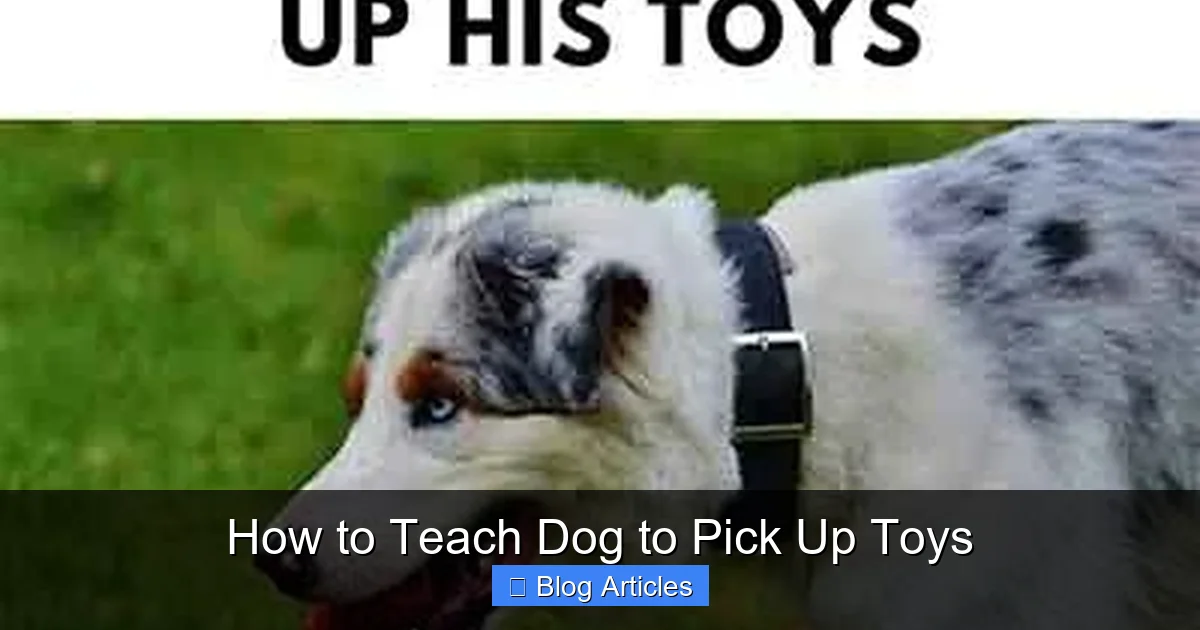
Visual guide about How to Teach Dog to Pick Up Toys
Image source: howtotrainthedog.com
Encouraging Interest
Pick a favorite toy something soft or easy to grip. Present the toy to your dog. When they sniff it or nudge it with their nose, give them a treat. We are building interest. Slowly, wait until they actually put their mouth on the toy before you give the treat. Do this until your dog excitedly grabs the toy whenever you hold it out.
Building Duration
Once they are grabbing the toy, we want them to keep it in their mouth for a few seconds. Say “Hold” as they take the toy. Count to two, then offer a treat. When they take the treat, they will naturally drop the toy. Perfect! That is exactly what we want. Gradually increase the duration until they can hold the toy for five or ten seconds without dropping it.
Step 2: Teaching the “Drop It” Command
Now that your dog can pick up and hold a toy, you need them to release it on command. “Drop it” is one of the most useful safety commands a dog can learn, so take your time with this part. It makes teaching your dog to pick up toys much easier once they understand how to release objects.
The Trade-Up Method
The easiest way to teach “Drop it” is the trade-up method. When your dog is holding the toy, present a high-value treat right in front of their nose. They will likely drop the toy to get the treat. As soon as the toy hits the ground, say “Drop it” and give them the treat. Repeat this over and over. Soon, they will associate the phrase “Drop it” with the action of releasing whatever is in their mouth.
Fading the Lure
After a few days, you can stop showing the treat first. Say “Drop it,” and wait for them to release the toy. If they do, give them a massive reward. If they do not, go back to showing the treat for a few more sessions. Consistency is the secret ingredient here.
Step 3: The Target: Training the Basket
Once your dog can pick up a toy and drop it on command, it is time to add the “basket” element. Your dog needs to learn that the basket is the “home” for the toys. This part requires a bit of patience as you connect the dots between the toy, the drop, and the destination.
Introducing the Basket
Place a wide, low-sided basket on the floor. It is easier if the basket has low sides so it is not intimidating. Put a toy inside and reward your dog for investigating it. You want them to feel comfortable around the basket. If they are afraid of it, leave it out for a few days without any training so they can get used to it.
Connecting the Toy to the Basket
Hold a toy, give the command “Hold,” and guide your dog toward the basket. Gently encourage them to drop the toy while they are hovering over or near the basket. Use your “Drop it” command. When the toy lands inside, have a party! Throw a big reward, lots of praise, and maybe a quick game of tug. You want them to realize that putting the toy in the basket results in the best rewards.
Step 4: Putting It All Together
Now we are at the final stage: chaining the behaviors. You are teaching your dog to go to the toy, pick it up, walk to the basket, and drop it in. This is a complex chain of events, so break it down into smaller, manageable training sessions.
Chaining the Behaviors
Start by having the toy very close to the basket. Command your dog to “Pick it up.” When they have it, guide them to the basket. Say “Drop it.” When it goes in, reward them. Gradually move the toy further away from the basket. Eventually, your dog will start to recognize the pattern: Grab toy -> Go to basket -> Drop toy.
Adding a Cue
Once they are doing this reliably, add a verbal cue like “Clean up” or “Toy away.” Say the cue just before you start the sequence. After a while, you will be able to point to the messy floor, say “Clean up,” and watch your dog get to work. Remember that in 2026, we value fun over military precision. If they drop the toy right next to the basket, that still counts as a win!
Common Challenges and How to Fix Them
Even with the best training plans, you might hit a few bumps in the road. Don’t worry, this is normal. Every dog has their own personality. Some dogs get excited and start shredding the toy; others just stare at you like you are speaking a foreign language.
What if my dog chews the toys?
If your dog is chewing the toys instead of cleaning them up, use a “placeholder” toy that is strictly for training. Use a tug rope or a rubber toy that isn’t their favorite “destroyer” toy. Keep the training sessions fast and exciting so they don’t have time to settle in for a long chew session.
What if they lose interest?
If your dog walks away or looks bored, you are training for too long. Limit sessions to five minutes. Always end on a high note, even if it is just a simple “Hold.” If they seem stressed, take a day off. Learning should be a fun game, not a stressful school assignment. Keeping training sessions short ensures your dog stays excited every time you bring out the treats.
Conclusion
Teaching your dog to pick up toys is a journey that strengthens your bond and provides wonderful mental enrichment. By using the techniques we have covered from mastering the basic “Hold” to the final “Clean up” command you are setting your dog up for success. Remember that in the world of dog training, consistency is everything, but patience is the key that unlocks progress.
Take it slow, keep the treats flowing, and most importantly, have fun with your pup. Whether your dog becomes a master cleaner or just enjoys the game, you will both benefit from the extra time spent together. Happy training, and enjoy your slightly tidier home!
Frequently Asked Questions
How long does it usually take to teach a dog this trick?
Every dog learns at their own pace, but most dogs can grasp the basics of picking up and dropping a toy within two to four weeks of consistent, short training sessions. Patience is essential, as some dogs may take longer to connect the specific actions with your commands.
What age is best to start training a puppy?
You can start basic training as soon as a puppy settles in, usually around 8 to 10 weeks old. At this young age, focus on short, positive sessions that build confidence and keep things strictly in the realm of play.
Does this work for all breeds of dogs?
Yes, most breeds can learn this behavior, though high-energy retrievers may pick it up faster than more independent or laid-back breeds. Adapt your training style to match your dog’s motivation – whether that is food, praise, or a favorite tug toy.
Can I use this for things other than toys?
Absolutely! Once your dog understands the concept of picking up an object and putting it in a designated spot, you can generalize the command to other safe items like socks or laundry. Just ensure the objects are safe for your dog to carry and are not things you mind getting a little slobbery.
What if my dog only does it for food?
It is perfectly normal for dogs to work for treats initially, as they are motivated by the reward. Over time, as the behavior becomes a fun game, you can start to “fade” the treats by rewarding with vocal praise or an occasional play session instead of a snack every single time.
Should I train my dog to clean up all toys at once?
It is better to start by having your dog pick up one toy at a time to build a solid foundation. Once they are consistent with individual items, you can gradually encourage them to go back and get more toys during the same session.