
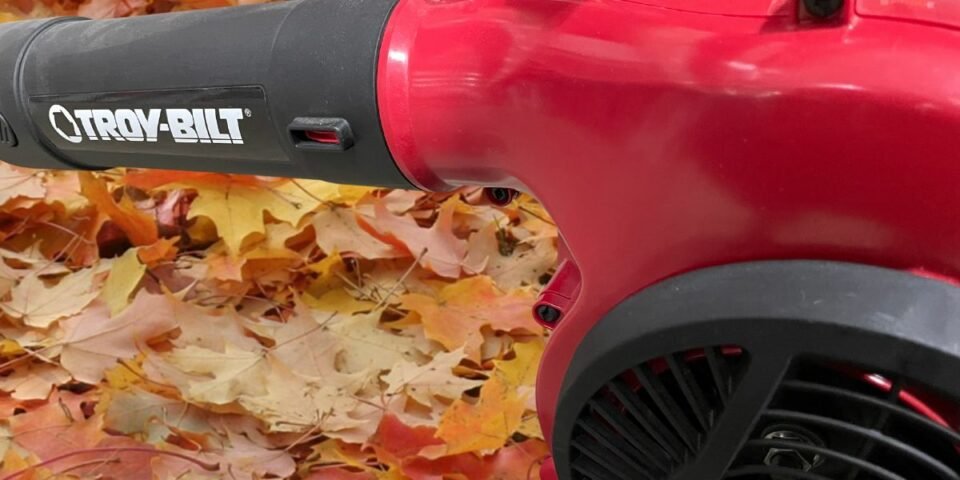
Across the United States, a leaf blower that suddenly loses power can turn a quick yard job into a long, tiring task. The cause is often simple: stale fuel, a blocked air filter, a dirty spark arrestor, a weak battery, or a clogged tube. However, power loss can also point to a fuel, ignition, or engine problem that needs professional service.
Start with safe checks before taking the blower apart. Stop the engine, unplug corded models, remove the battery, and let hot parts cool. Then work through the checks below in order, beginning with the causes that are easiest and safest to confirm.

The Most Common Reasons a Leaf Blower Loses Power
A leaf blower usually loses power because the engine or motor cannot get the air, fuel, electricity, or exhaust flow it needs. A blockage in the tube can also make a healthy blower feel weak.
The main causes include:
- A clogged blower tube or nozzle
- A dirty air filter
- Old, contaminated, or incorrect fuel
- A clogged fuel filter or carburetor
- A dirty spark plug
- A blocked spark arrestor or muffler
- A weak battery or poor battery connection
- An overheated motor or engine
- A worn fuel line, primer bulb, or carburetor
- Internal engine wear
Gas-powered and electric leaf blowers share some symptoms, but their repairs differ. A gas blower depends on fuel, air, ignition, and exhaust flow. A cordless blower depends mainly on battery condition, electrical contacts, cooling, and motor control. A corded blower also depends on the outlet, extension cord, and power supply.

First Checks: Clear the Tube and Confirm the Power Source
Check the blower tube, nozzle, battery, cord, and controls before servicing the engine. These checks take only a few minutes and can find the problem without tools.
1. Inspect the blower tube and nozzle
Turn the blower off and remove its battery, unplug it, or stop the engine. Look through the tube and nozzle for:
- Wet leaves
- Twigs
- Grass
- Mulch
- Mud
- Spider webs
- Packed dirt
A partial blockage can reduce airflow and make the blower sound strained. Clean the tube with a dry cloth or soft brush. Do not use your hand near a fan or impeller unless the power source is fully disconnected.
2. Check the operating mode
Some cordless blowers have more than one power setting. Check the trigger, speed dial, turbo button, and control panel. A blower may seem weak if it is in low-speed mode or if a variable-speed trigger is only partly pressed.
For a gas blower, confirm that the throttle lock or cruise control is set correctly. A loose or damaged throttle cable can prevent the engine from reaching full speed.
3. Test the battery
For a cordless model, charge the battery with the correct charger. Then inspect the battery contacts and the contacts inside the blower. They should be clean and dry.
A battery may show a charge but still fail under load. Common signs include:
- Full power for only a few seconds
- Power that drops as soon as the trigger is pressed
- A battery that becomes unusually hot
- A charger that stops before the battery reaches a full charge
- Power that returns after the battery cools
use only the battery type and voltage listed in the owner’s manual. Do not use a swollen, cracked, leaking, or hot battery.
4. Test a corded blower safely
If a corded blower loses power, inspect the extension cord. A cord that is too long, too thin, damaged, or connected through a poor outlet can cause voltage drop.
Use the cord size and maximum length recommended by the manufacturer. Keep plugs and connections dry. Do not operate the blower with a cut cord, loose plug, or damaged housing.

Fuel Problems Can Make a Gas Leaf Blower Run Weakly
Old or contaminated fuel is one of the most common causes of poor performance in a two-stroke or four-stroke leaf blower. Gasoline can degrade during storage, and the wrong fuel mixture can affect combustion.
Look for stale fuel
Gasoline that has been stored for a long time may cause:
- Hard starting
- Surging
- Poor acceleration
- Low top speed
- Stalling when the throttle opens
- A strong or unusual fuel smell
Drain old fuel according to the instructions in the owner’s manual. Use fresh fuel of the grade and ethanol limit specified by the manufacturer. In the United States, many small engines permit gasoline with up to 10% ethanol, often labeled E10, but the manual for the exact blower controls.
Do not use diesel fuel, E15, or E85 unless the manufacturer clearly approves it. Higher ethanol blends can damage parts that are not designed for them.
Check the two-stroke fuel mixture
Many gas leaf blowers use a two-stroke engine. These engines need gasoline mixed with two-stroke oil at the exact ratio listed in the manual.
A mixture with too much oil can cause smoke, fouled spark plugs, and poor power. A mixture with too little oil can cause severe engine damage because the engine may not receive enough lubrication.
Do not guess the ratio. Common ratios include 50:1 and 40:1, but the correct ratio depends on the engine and oil product.
Inspect the fuel filter and fuel lines
A blocked fuel filter limits fuel flow at high speed. The blower may start and idle but lose power when you pull the throttle.
Cracked, stiff, loose, or collapsed fuel lines can cause similar symptoms. Some fuel lines become soft or brittle after long storage. Replace them with parts that match the blower and fuel system.
Fuel work should be done in a well-ventilated area away from flames, cigarettes, heaters, and sparks. Store gasoline only in an approved container.

A Dirty Air Filter Can Restrict Engine Power
A gas leaf blower needs a steady supply of clean air. When the air filter is packed with dust, the engine receives too little air and may run rich. A rich mixture has too much fuel for the available air.
Symptoms of a restricted air filter include:
- A dull or muffled engine sound
- Black smoke
- Weak acceleration
- Poor fuel economy
- A blower that runs better briefly with the choke partly engaged
- An engine that stalls when the throttle opens
Remove the filter only after the engine is cool. Follow the manual because filters may be foam, paper, felt, or a combination of materials.
A washable foam filter may need cleaning and a small amount of the correct filter oil. A paper filter usually needs replacement rather than washing. Do not run the engine without its filter. Dust can enter the engine and increase wear.
If the filter is clean but the engine runs only with the choke on, the carburetor may not be delivering enough fuel. That points to a fuel passage, jet, or carburetor problem rather than an air-filter problem.
The Spark Arrestor or Muffler May Be Blocked
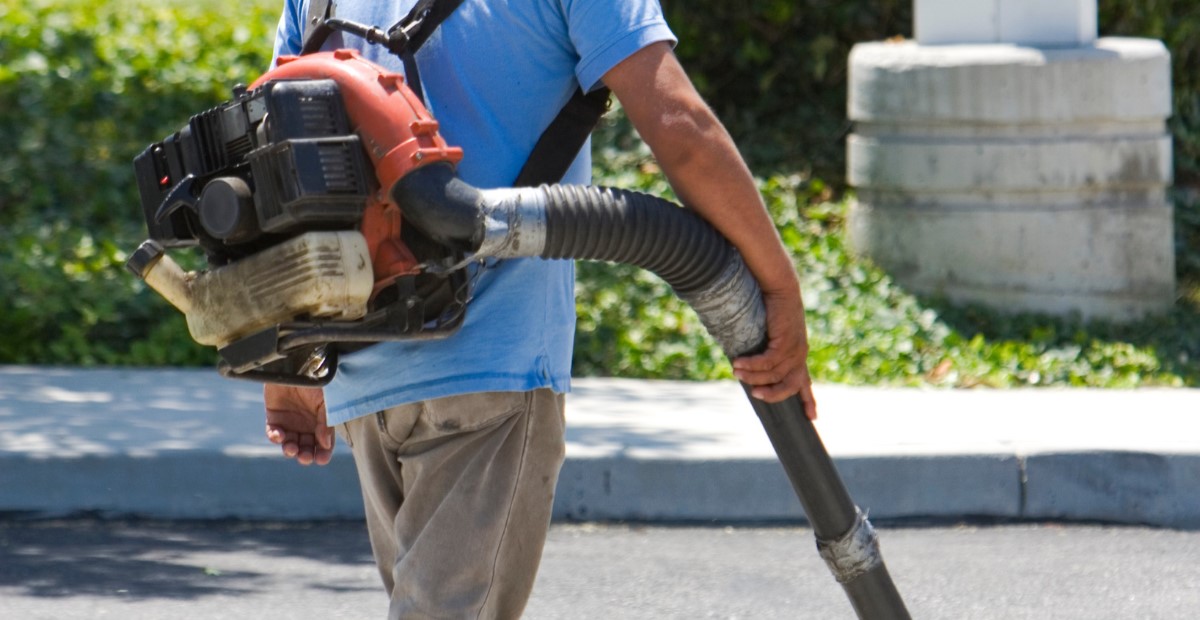
A blocked exhaust system can make a leaf blower lose power, especially at high speed. Many handheld gas blowers use a small spark-arrestor screen in the muffler. Carbon can build up on the screen and restrict exhaust flow.
Possible signs include:
- The engine starts but cannot reach full speed
- Power fades as the blower warms up
- The engine sounds restricted
- The blower improves after cooling
- The exhaust area has heavy carbon deposits
The spark-arrestor location varies by model. Let the muffler cool fully before inspection. Remove and clean or replace the screen only as the manual permits. Some screens can be cleaned with a wire brush, while others should be replaced.
Do not operate a gas blower with a missing spark-arrestor screen if the manufacturer requires one. The screen helps reduce the chance that hot carbon particles will leave the exhaust and start a fire.
Never poke debris into the muffler while the engine is hot. Do not modify the exhaust system to gain power. Such changes can create a fire hazard, damage the engine, and violate local requirements or the product warranty.
A Dirty or Damaged Spark Plug Can Reduce Power
The spark plug ignites the fuel and air mixture in a gas blower. A worn, fouled, cracked, or incorrectly gapped plug can allow the engine to start but prevent it from producing full power.
Remove the spark-plug wire before removing the plug. Inspect the plug for:
- Heavy black carbon
- Wet fuel
- A cracked ceramic insulator
- A damaged electrode
- Excessive wear
- An incorrect gap
A dry, light-colored deposit may be normal, but plug appearance alone cannot diagnose every engine problem. Use the plug type and gap listed in the manual. Installing the wrong plug can cause poor performance or engine damage.
Replace the plug if it is damaged or badly fouled. If a new, correctly gapped plug does not improve performance, the problem may involve the ignition coil, fuel system, compression, or throttle control.
Do not test ignition near spilled fuel. Keep the plug wire away from moving parts, and use the procedure specified by the manufacturer.

Carburetor Problems Often Cause Weak Acceleration
A carburetor mixes fuel and air. Small passages inside it can become restricted by old fuel deposits. A blower with a dirty carburetor may idle normally but lose power when the throttle opens.
Common signs include:
- The engine starts only with repeated priming
- The engine dies when the choke opens
- The blower surges at full throttle
- The engine runs only with the choke partly closed
- The engine will not maintain high speed
- Adjustment screws do not solve the problem
Start with fresh fuel, a clean air filter, and a clean spark plug. These simple repairs can solve symptoms that look like carburetor failure.
Do not turn carburetor adjustment screws at random. Some modern blowers use limiter caps or fixed settings. Incorrect adjustment can make the engine run too lean, which may raise operating temperature and damage the engine.
Use only a cleaner and procedure approved for the model. If the carburetor must be removed, take photographs before disconnecting lines and springs. A repair shop is the safer choice if you cannot identify the fuel lines or throttle linkage.

Cordless Leaf Blower Power Loss Usually Involves the Battery or Motor
A cordless leaf blower can lose power even when the tube and fan are clear. The battery may be worn, too cold, too hot, or unable to deliver enough current.
Check battery temperature
Lithium-ion battery systems may reduce output when they become too hot or too cold. Let the battery and blower return to the temperature range listed in the manual. Do not cool a hot battery with water or place it in a freezer.
Clean the contacts
Remove the battery and inspect the contacts. If they are dirty, wipe them with a clean, dry cloth. Do not scrape them with a metal tool or spray liquid into the battery slot.
Look for overload or thermal protection
Some blowers reduce speed or stop to protect the motor. A packed tube, blocked fan, heavy dust, or repeated turbo use can create excess heat.
Turn the blower off and let it cool. Clear the tube only after removing the power source. If the blower repeatedly overheats under normal use, stop using it and arrange service.
Know when the battery is likely worn
A battery that has much shorter run time than it had when new may have lost capacity. A replacement battery should match the manufacturer’s voltage, chemistry, and approved system.
Do not open a lithium-ion battery pack. A damaged pack can cause fire, burns, or chemical exposure.
Use the Sound and Symptom to Narrow the Cause
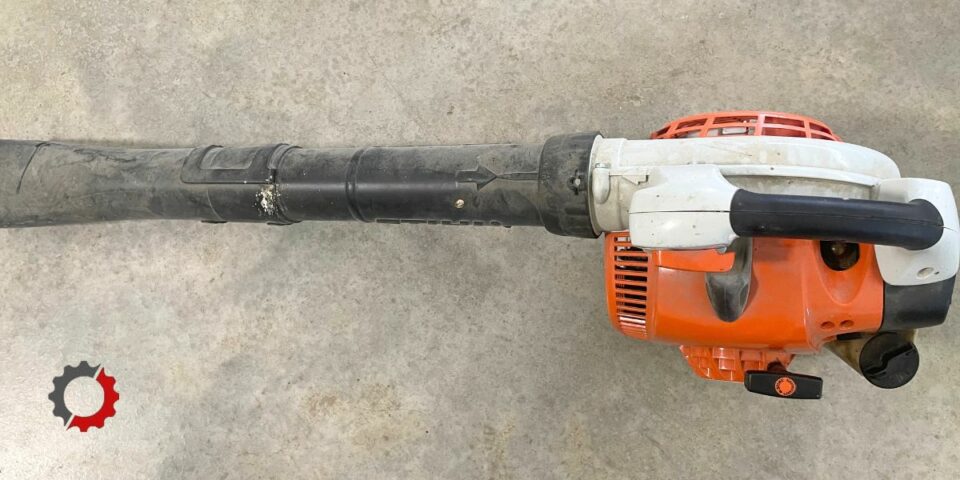
The way a leaf blower loses power can point toward the likely fault. This table is a starting guide, not a substitute for the model’s service manual.
| Symptom | Likely causes | Best first check |
|---|---|---|
| Starts but never reaches full speed | Blocked tube, dirty air filter, old fuel, blocked exhaust | Clear tube, then inspect filter and fuel |
| Runs well cold, then loses power | Overheating, blocked spark arrestor, failing ignition part | Let it cool, inspect cooling and exhaust |
| Surges at full throttle | Restricted fuel flow, dirty carburetor, air leak | Check fuel, filter, lines, and carburetor |
| Dies when choke opens | Fuel restriction or carburetor blockage | Use fresh fuel and inspect fuel delivery |
| Black smoke and weak power | Too much fuel or too little air | Inspect air filter and fuel mixture |
| Runs for a few seconds and stops | Blocked tank vent, fuel restriction, stale fuel | Open the tank cap briefly only as a diagnostic step; inspect vent and fuel system |
| Cordless blower slows under load | Weak battery, poor contacts, overheating, blockage | Charge and cool battery; clear tube |
| Loud whine but little airflow | Blocked tube, damaged fan, loose impeller | Disconnect power and inspect the tube and fan area |
| Engine will not restart when hot | Heat-related ignition or fuel problem | Allow cooling; seek service if repeated |
A diagnostic test should change one thing at a time. For example, replace stale fuel before adjusting the carburetor. This makes it easier to know which repair solved the problem.

Mechanical Problems Need Professional Diagnosis
If basic maintenance does not restore power, the blower may have a mechanical fault. Internal problems can include low compression, damaged piston rings, a leaking crankshaft seal, a worn bearing, or a damaged impeller.
Seek qualified service when you notice:
- Metallic knocking or grinding
- A sudden loss of power after the engine seized or overheated
- Heavy smoke that continues after fresh fuel and a clean filter
- Fuel leaking from the tank or carburetor
- A cracked housing or exposed wiring
- A fan or impeller that wobbles
- Repeated overheating
- A cord, plug, or battery that becomes hot
- No improvement after the recommended maintenance
Do not keep running the blower to “see if it clears up.” Continued operation can turn a minor blockage or adjustment problem into major engine or motor damage.
For a gas blower, a technician may check compression, ignition output, fuel pressure or flow, crankcase sealing, and throttle operation. For a cordless model, service may involve the battery management system, motor controller, wiring, or motor bearings.

A Safe Troubleshooting Order
Use this order to troubleshoot a leaf blower that is losing power:
- Stop and disconnect it. Remove the battery, unplug the cord, or shut off the gas engine.
- Check for visible damage. Look at the tube, nozzle, housing, cord, battery, and fuel system.
- Clear airflow blockages. Remove leaves, dirt, and packed debris.
- Confirm the controls. Check speed settings, turbo mode, throttle, and cruise control.
- For cordless models, charge and cool the battery. Clean dry contacts.
- For corded models, check the outlet and approved extension cord.
- For gas models, inspect fuel quality and mixture.
- Clean or replace the air filter.
- Inspect the spark plug.
- Inspect the spark arrestor and muffler when cool.
- Stop and arrange service if the problem remains.
The safest repair is the one that solves the cause without defeating a safety feature. Never remove a guard, bypass a thermal cutoff, disable a battery protection circuit, or alter the exhaust system.

How to Prevent Leaf Blower Power Loss
Regular care helps prevent most airflow, fuel, and battery problems.
- Clean the tube and housing after each use.
- Keep the air intake free of grass and dust.
- Service the air filter on the schedule in the manual.
- Use fresh fuel and the correct two-stroke oil ratio.
- Follow the manufacturer’s fuel-storage instructions.
- Empty or stabilize fuel before seasonal storage when the manual recommends it.
- Store batteries in the temperature range specified by the manufacturer.
- Keep battery contacts clean and dry.
- Inspect cords before every use.
- Do not run the blower with damaged guards or housings.
- Let the blower cool during long, demanding jobs.
- Keep the spark-arrestor screen clean if the model uses one.
Read the owner’s manual for the exact maintenance intervals. Service needs vary by engine design, fuel system, battery platform, climate, dust level, and hours of use.

Frequently Asked Questions
Why does my leaf blower lose power when I give it gas?
A dirty air filter, restricted fuel flow, stale fuel, clogged carburetor, or blocked exhaust can prevent the engine from accelerating. Start by clearing the tube, checking the air filter, and replacing old fuel with the correct fresh fuel.
Why does my leaf blower run for a few minutes and then lose power?
Heat-related problems are common when power fades after several minutes. A blocked spark-arrestor screen, dirty cooling fins, restricted fuel vent, failing ignition part, or overheating battery may be responsible. Stop the blower and let it cool before inspecting it.
Can a dirty air filter make a leaf blower lose power?
Yes. A dirty filter restricts air and can make a gas engine run rich. The blower may smoke, use more fuel, sound dull, or fail to reach full speed. Clean or replace the filter according to the manual.
Why is my cordless leaf blower weak even with a full battery?
The battery may have reduced capacity, poor contact, excess heat, or a protection fault. A clogged tube or overheating motor can also reduce output. Test with a fully charged, approved battery if one is available, and stop using any battery that is swollen, cracked, leaking, or unusually hot.
Should I adjust the carburetor if my leaf blower has low power?
Not as a first step. Check the tube, fuel, air filter, spark plug, and exhaust first. Incorrect carburetor adjustment can create a lean mixture, raise engine temperature, and cause damage. Use the model’s service instructions or have a qualified technician make the adjustment.
Conclusion: Find the Simple Blockage Before Replacing Parts
A leaf blower losing power usually has a restricted airflow path, dirty filter, fuel problem, weak battery, or exhaust blockage. Start with the tube and power source, then check the air filter, fuel system, spark plug, and spark arrestor in that order.
If the blower overheats, leaks fuel, makes grinding sounds, has damaged wiring, or still lacks power after basic service, stop using it. The next practical step is to identify the exact model and follow its owner’s manual or take it to a qualified small-engine or outdoor-power-equipment technician.