
A leaf blower that starts and then dies usually has a fuel, air, spark, or engine-speed problem. In the United States, the most common causes on gas leaf blowers are stale fuel, a clogged carburetor, a blocked fuel-cap vent, a dirty air filter, or a choke that stays closed too long.
Start with the easy checks:
- Use fresh fuel mixed at the ratio listed in the owner’s manual.
- Confirm the choke is in the correct position after startup.
- Check the air filter, spark plug, fuel lines, and fuel-cap vent.
- Clean the carburetor if the blower dies when you squeeze the throttle.
- Stop and seek repair help if fuel leaks, the engine backfires, or the flywheel will not turn safely.
This guide applies mainly to gas-powered handheld and backpack leaf blowers sold in the United States. Battery and corded models have different failure points.

What It Means When a Leaf Blower Starts Then Dies
A leaf blower starts when the engine receives enough fuel, air, and spark. It keeps running only when those three systems continue to work in the right balance.
When the engine starts and then stops, the first burst of fuel may be enough for ignition, but not enough for steady operation. The engine may also receive too little air, too much fuel, or no fuel after the starting cycle ends.
The timing of the stall gives a useful clue:
| Symptom | More likely causes |
|---|---|
| Starts, runs for a few seconds, then dies | Stale fuel, clogged carburetor, blocked fuel vent |
| Runs only with the choke partly closed | Lean fuel mixture, dirty carburetor, air leak |
| Dies when the throttle is squeezed | Restricted fuel flow, dirty main jet, dirty air filter |
| Dies when the choke is opened | Fuel starvation or carburetor blockage |
| Runs until the fuel cap is loosened | Blocked fuel-cap vent |
| Starts only after many pulls | Old fuel, flooded engine, weak spark plug |
| Starts and dies after warming up | Failing ignition coil, blocked vent, overheating, or fuel restriction |
| Electric blower starts and stops | Low battery, safety switch, thermal protection, or control fault |
A short start does not prove that the fuel system is healthy. The engine can burn the small amount of fuel already inside the carburetor and then stop when that supply runs out.

Safety Checks Before Troubleshooting
Work on a leaf blower outdoors, away from buildings, sparks, flames, and smoking materials. Gasoline vapors can ignite, and a running engine produces carbon monoxide. Never run a gas leaf blower inside a home, garage, shed, basement, or other enclosed space.
Before removing a spark plug, air filter, fuel line, or carburetor part:
- Turn the engine off.
- Let the muffler and cylinder cool.
- Disconnect the spark-plug wire and keep it away from the plug.
- Remove the battery from a cordless blower.
- Drain fuel only into an approved fuel container.
- Wear safety glasses and fuel-resistant gloves.
- Keep children and pets away from the work area.
Do not test for spark near spilled gasoline. Do not bypass a safety switch. Do not use compressed air on a fuel system while fuel is present.
If you smell strong gasoline, see a fuel leak, find a damaged fuel line, or notice repeated backfires, stop troubleshooting. A qualified small-engine technician should inspect the blower.

Step-by-Step: How to Fix a Leaf Blower That Starts Then Dies
Follow the checks in this order. The sequence starts with simple causes and moves toward repairs that require more care.
1. Check the fuel
Old gasoline is one of the most common reasons a gas leaf blower starts and dies. Gasoline can lose quality during storage. Ethanol-blended fuel can also attract moisture and may damage fuel-system parts over time.
Drain old fuel into an approved container. Refill the blower with fresh fuel that matches the owner’s manual. For a two-stroke blower, use the exact gasoline-to-oil ratio listed by the manufacturer. Never guess the ratio.
Do not add two-stroke oil to a four-stroke engine. Do not use straight gasoline in a two-stroke engine. The wrong fuel mixture can cause poor running, severe wear, or engine damage.
If the blower has been stored for months with fuel inside, fresh fuel alone may not solve the problem. Deposits may already be blocking the carburetor.
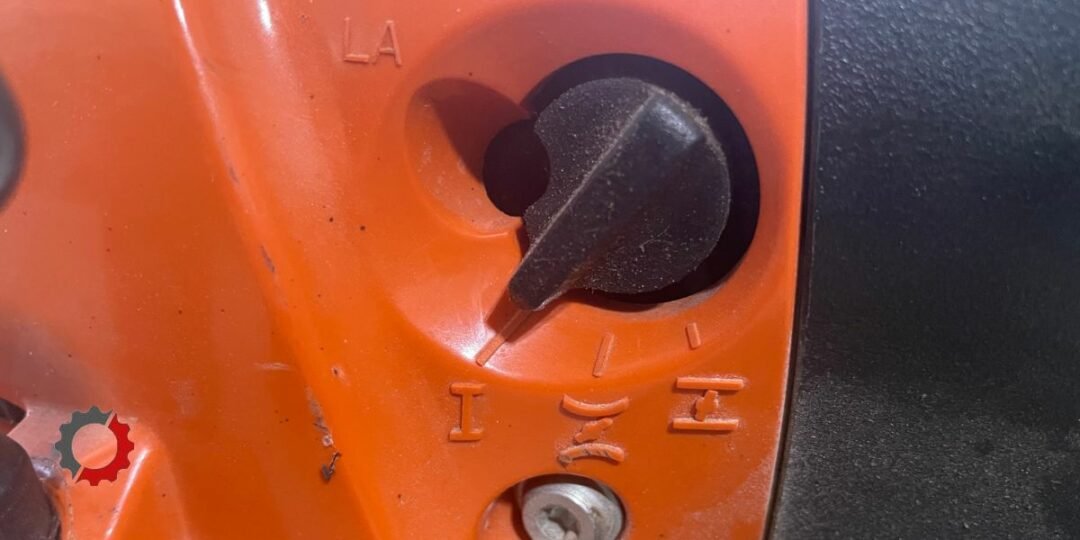
2. Set the choke correctly
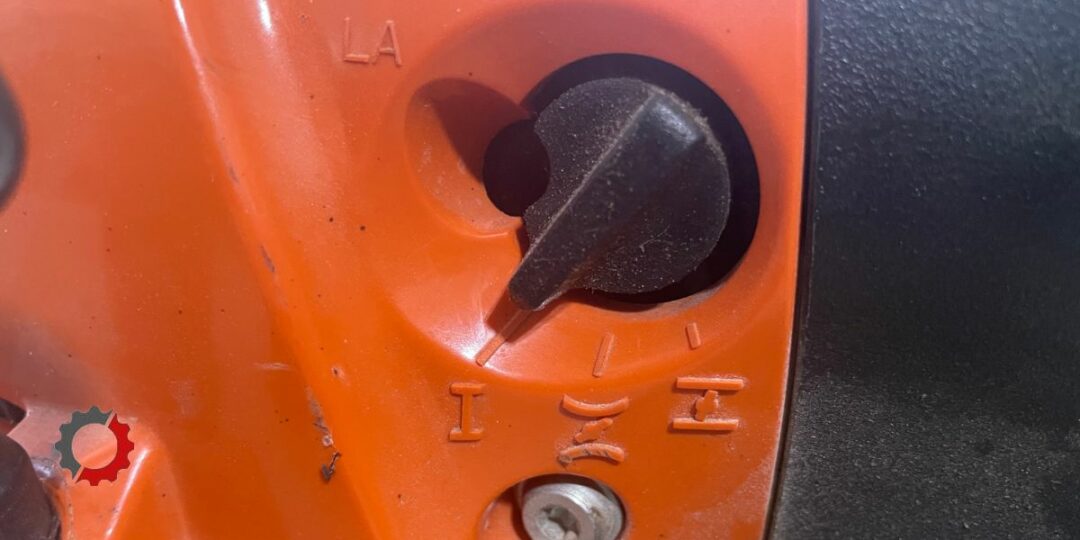
The choke limits air during a cold start. This creates a richer fuel mixture, which helps a cold engine start.
A typical starting sequence is:
- Move the switch to ON.
- Press the primer bulb the number of times shown in the manual.
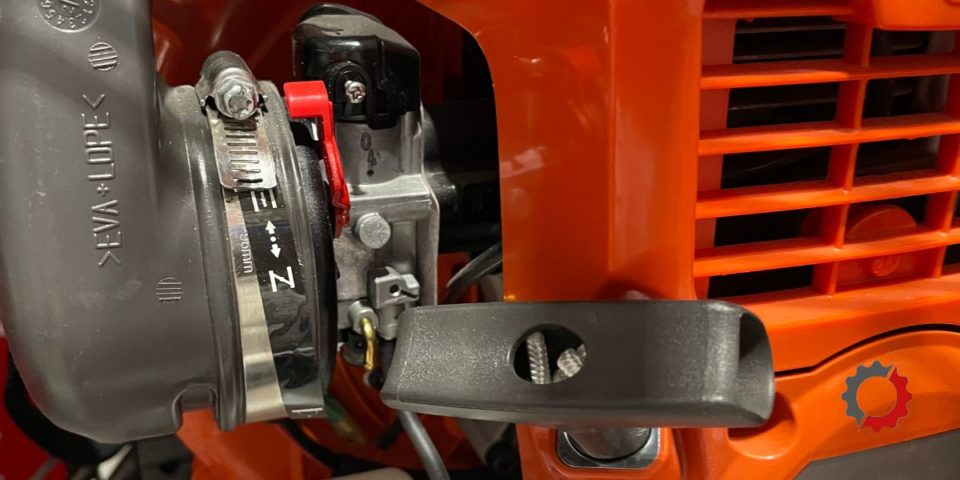
- Set the choke to CLOSED or FULL CHOKE for a cold engine.
- Pull the starter cord until the engine briefly fires.
- Move the choke to the next position, often HALF CHOKE.
- Start the engine again.
- Move the choke to OPEN as the engine warms.
Exact controls differ by model. Follow the labels on the blower and the owner’s manual.
If the engine dies as soon as you open the choke, it may not be receiving enough fuel. That points to a clogged carburetor, restricted fuel line, blocked fuel filter, or air leak.
Do not leave the choke closed while the blower runs normally. A closed choke can flood the engine and create heavy carbon deposits.
3. Inspect the air filter
A dirty air filter restricts airflow. The engine may start with the richer starting mixture but stall when you change the choke or increase engine speed.
Remove the filter according to the manual. If it is packed with dust, wet with fuel, torn, or badly deformed, replace it. Some foam filters can be washed and lightly oiled, but paper filters usually should not be washed.
Never run the blower without its air filter unless the manufacturer specifically allows a brief service test. Dirt can enter the engine and damage the cylinder.
4. Check the fuel-cap vent
The fuel tank must admit air as fuel leaves the tank. If the vent is blocked, a vacuum can form inside the tank. Fuel flow then slows or stops.
A useful clue is a blower that runs briefly and dies, then starts again after sitting for a few minutes. Another clue is a faint hiss when you loosen the fuel cap.
For a short diagnostic check, stop the engine, loosen the cap, and restart the blower outdoors. If it keeps running, the cap vent may be blocked. Replace the cap if the manual does not provide a safe cleaning method.
Do not operate the blower permanently with a loose fuel cap. Fuel can spill, and vapors can ignite.
5. Inspect the spark plug
A worn, fouled, or incorrectly gapped spark plug can cause hard starting and stalling.
Remove the plug after the engine cools. Look for:
- Wet fuel on the electrode
- Heavy black carbon
- A cracked ceramic insulator
- A damaged terminal
- Excessive electrode wear
Use the plug type and gap specified by the manufacturer. A plug that looks similar may still have the wrong heat range or reach.
A wet plug often means the engine is flooded. Let the engine dry according to the owner’s manual. Many engines can be cleared by setting the choke to open and holding the throttle wide open while pulling the starter several times, but the correct procedure varies.
6. Inspect fuel lines and the fuel filter
Cracked, soft, pinched, or loose fuel lines can restrict fuel flow or allow air into the system. A clogged in-tank fuel filter can cause the same start-then-die symptom.
Replace damaged fuel lines with parts made for small-engine fuel systems. Ordinary tubing may soften or fail when exposed to gasoline and ethanol.
If the fuel filter is inside the tank, use the removal method in the manual. Do not fish for it with a metal tool that could damage the tank or create a spark.
7. Clean the carburetor
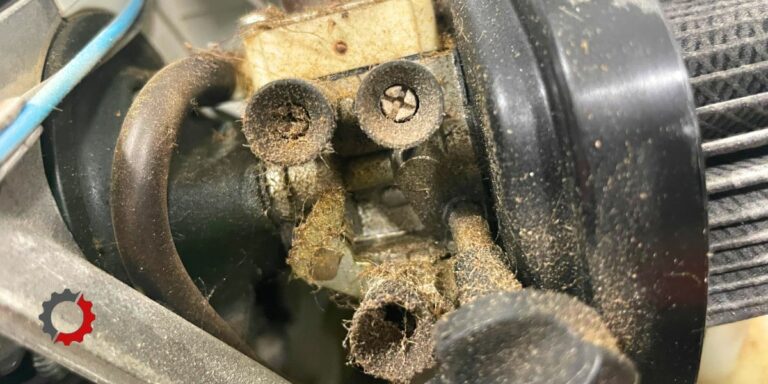
The carburetor mixes fuel and air. Small passages inside it can clog with varnish or dirt, especially after old fuel dries.
Carburetor cleaning may help when:
- The blower starts only with starter spray.
- The engine runs only with the choke partly closed.
- The blower dies when the throttle opens.
- Fresh fuel and a clean filter do not help.
Use a cleaner labeled for carburetor service and follow the product directions. Remove only the parts you can identify and reinstall correctly. Small springs, gaskets, needles, and diaphragms are easy to lose or damage.
Do not spray cleaner into the air intake while the engine is running unless the manufacturer specifically permits it. Starter fluid can create a fire risk and may damage some two-stroke engines.
If the carburetor has a damaged diaphragm or badly blocked passages, replacement or professional rebuilding may be more reliable than surface cleaning.
8. Check the muffler and spark-arrestor screen
Many outdoor power equipment engines use a spark-arrestor screen in the muffler. Carbon buildup can restrict exhaust flow and cause stalling, loss of power, or difficult starting.
Let the muffler cool fully before inspection. Clean or replace the screen only as the manual directs. A damaged or missing spark arrestor can create a fire hazard and may violate local rules.
Do not remove emissions or safety parts to make the blower run. If the muffler itself is blocked, cracked, or damaged, arrange a proper repair.

Why the Blower Dies When You Squeeze the Throttle
A blower that idles but dies under throttle often has a restricted main fuel circuit. The engine needs more fuel when speed increases. A clogged carburetor jet, weak fuel supply, dirty filter, or failing fuel pump can prevent that increase.
A dirty air filter can also reduce performance, but it often causes poor running across the entire speed range. A blocked fuel-cap vent may cause the blower to lose power after it runs for a short time.
Use this quick decision guide:
- Dies immediately when the throttle opens: suspect a clogged carburetor passage, lean mixture, or throttle-control problem.
- Runs for several minutes, then dies: suspect a tank vent, ignition coil, overheating, or fuel-flow problem.
- Runs only with partial choke: suspect restricted fuel flow or an air leak.
- Dies after refueling: suspect wrong fuel, water in the fuel, overfilling, or a fuel-line disturbance.
- Runs normally after cooling: suspect heat-related ignition failure or restricted ventilation.
Do not adjust carburetor screws at random. Some blowers have fixed jets, limiter caps, or electronically controlled carburetors. Incorrect adjustment can create an unsafe mixture and may damage the engine or violate emissions requirements.

Gas, Battery, and Corded Leaf Blower Problems
The likely cause depends on the blower type.
Gas leaf blower
Check fuel quality, fuel ratio, choke operation, primer bulb, air filter, spark plug, fuel lines, tank vent, carburetor, and spark-arrestor screen.
Battery leaf blower
A cordless blower that starts and stops may have:
- A low or overheated battery
- A battery that is not fully seated
- Dirty or damaged contacts
- A trigger or safety-switch fault
- Thermal protection activated by heat or blockage
- A failed control board or motor
Remove the battery, let both the battery and blower cool, and charge the battery with the approved charger. Check the intake and outlet for leaves or debris. Do not open a lithium-ion battery pack or test it with improvised wiring.
If the blower cuts out under load but works at low speed, the battery may be weak or the motor may be drawing excessive current. A service center should test those parts.
Corded leaf blower
For a corded model, check the outlet, ground-fault protection, extension cord rating, plug, trigger, and thermal protection. Use an outdoor-rated extension cord with the size and length specified by the manual.
A long or undersized cord can cause voltage drop and motor overheating. Never use a damaged cord or defeat a ground-fault device.
Common Mistakes That Make the Problem Worse
Several quick fixes can damage a blower or hide the real fault.
- Using starting fluid repeatedly: It may help diagnose fuel starvation, but repeated use can create a fire risk and may harm engine parts.
- Guessing the oil ratio: Two-stroke engines need the exact ratio stated by the manufacturer.
- Running without the air filter: This allows abrasive dirt into the engine.
- Leaving the choke closed: The engine may flood and run with excess fuel.
- Adjusting carburetor screws without a procedure: The engine may run too lean or too rich.
- Cleaning a spark plug with harsh tools: Damage to the electrode or insulator can cause misfire.
- Using old fuel after cleaning the carburetor: The fresh deposits can clog the cleaned system again.
- Ignoring fuel leaks: Leaking gasoline is both a fire hazard and a sign of a failed part.
- Working in a garage with the door open: An open door does not make indoor engine operation safe. Carbon monoxide can build up quickly.

When to Repair or Replace the Leaf Blower
A simple filter, spark plug, fuel-cap, or fuel-line repair is often reasonable for a blower that is otherwise in good condition. Carburetor work may also be practical if replacement parts are available and the repair instructions are clear.
Professional service is the safer choice when:
- The engine has no compression.
- The flywheel does not turn freely.
- The crankcase contains gasoline.
- The blower has a fuel leak.
- The ignition system fails when hot.
- The carburetor requires complex adjustment.
- The model has electronic fuel control.
- The repair cost approaches the cost of a comparable replacement.
Before paying for service, find the model and serial number. The model number helps identify the correct fuel ratio, spark plug, filter, carburetor parts, and service procedure.
How to Prevent a Leaf Blower From Starting and Dying
Use fresh fuel and follow the storage directions in the owner’s manual. If the blower will sit unused, prepare it for storage as directed rather than leaving untreated fuel in the tank for an unknown period.
Good habits include:
- Use the correct fuel and oil mixture.
- Keep the air filter clean.
- Inspect fuel lines during seasonal maintenance.
- Keep the fuel cap and tank area clean.
- Do not store fuel in an unapproved container.
- Replace damaged spark plugs and filters.
- Clear leaves from the intake and cooling areas.
- Let the engine cool before storing it.
- Keep the manual with the blower.
Storage rules vary by engine design and fuel system. Follow the manufacturer’s instructions instead of relying on a one-size-fits-all method.

Frequently Asked Questions
Why does my leaf blower start and die unless I keep pressing the primer?
The primer may be supplying fuel that the carburetor cannot draw on its own. This often points to a clogged carburetor, blocked fuel filter, cracked fuel line, weak primer bulb, or air leak. Inspect the bulb and lines first, then service the carburetor if fresh fuel does not help.
Why does my leaf blower only run with the choke on?
This usually means the engine is running too lean. It may not receive enough fuel, or extra air may enter through a leak. A dirty carburetor jet is a common cause. Do not use the choke as a permanent operating setting.
Can bad gas make a leaf blower start and then die?
Yes. Old or contaminated gasoline can allow a brief start but fail to support steady combustion. Drain the fuel safely and use fresh fuel in the correct mixture. If the problem remains, fuel deposits may have clogged the carburetor.
Why does my leaf blower die after it warms up?
A blocked fuel-cap vent, failing ignition coil, overheating, restricted exhaust, or fuel-delivery fault can cause a warm engine to stop. If it restarts only after cooling, note how long it runs and have the ignition and fuel systems tested.
Should I replace the carburetor or clean it?
Clean the carburetor when the problem appears to be dirt or varnish and the unit has serviceable parts. Replace it when the body is damaged, the diaphragm is unavailable, adjustment is not practical, or cleaning does not restore stable operation. Use the exact part for the model.
Conclusion: The Best First Steps
When a leaf blower starts then dies, begin with fresh fuel, the correct choke setting, a clean air filter, and a clear fuel-cap vent. Then inspect the spark plug, fuel lines, and fuel filter. If the blower runs only with the choke partly closed or dies under throttle, the carburetor is a strong suspect.
Work outdoors, disconnect power before service, and follow the model’s manual for fuel, parts, and adjustment details. If the blower has a fuel leak, severe backfire, overheating, or an ignition problem, stop and use a qualified repair service.