Keeping your cat’s toys clean is essential for their long-term health and hygiene. This comprehensive guide teaches you how to wash cat toys using safe, pet-friendly methods that remove bacteria, dust, and allergens without harming your furry friend.
As we navigate through 2026, many of us are more conscious than ever about the hygiene standards in our homes. We wash our linens, sanitize our phones, and scrub our kitchens, but there is one corner of the house that often gets overlooked: the cat toy bin.
Your cat spends hours batting, biting, and drooling on their favorite plush mice and feathered wands. Over time, these toys become miniature ecosystems for dust, dander, and unwanted bacteria. Learning how to wash cat toys is a simple yet vital chore that ensures your pet stays happy and healthy.
You might be wondering if it is really necessary to deep clean these items. After all, cats have been living in the wild for centuries. However, indoor cats are exposed to different types of household allergens and bacteria.
A neglected toy can harbor things that cause feline acne, oral infections, or even exacerbate allergies. Fortunately, the process of refreshing your cat’s collection is fast, cheap, and deeply satisfying once you see the final result. Let’s dive into how to wash cat toys effectively.
Key Takeaways
- Regular Cleaning Matters: Bacteria and dust mites accumulate on toys, which can lead to skin irritation or respiratory issues for your cat.
- Check the Material: Different toys require different approaches, so always identify if you are cleaning plush, plastic, or feathered items.
- Use Pet-Safe Detergents: Always opt for fragrance-free, hypoallergenic soaps to avoid irritating your cat’s sensitive sense of smell.
- The Power of Heat: High temperatures are your best friend for killing germs, provided the toy material can withstand the cycle.
- Don’t Forget the Catnip: Refillable toys need specialized care to ensure the catnip stays fresh and free of mold.
- Inspection is Key: Use wash time as an opportunity to check for loose parts or tears that could become a choking hazard.
The Basics of Toy Hygiene
Before you start tossing everything into a bucket or machine, it is helpful to understand why dirt builds up on cat toys. Cats use their mouths to explore their environment. This means every toy in their collection is eventually coated in a thin layer of saliva. When this moisture dries, it traps dust, carpet fibers, and dander. If these toys are left to sit for months, they become a breeding ground for microorganisms.
Categorizing Your Toys
Not all toys are created equal. Before you learn how to wash cat toys, categorize them by material. You have your soft plushies, your hard plastic or rubber puzzles, your feather-based wand toys, and those tricky ones filled with catnip or electronic components.
Each group requires a distinct approach. Mixing them all in one wash cycle is a recipe for disaster; you don’t want to ruin a high-quality feather wand by accidentally putting it in a hot dryer.
Safety Checks During Cleaning
Think of washing day as a mini inspection day. When you pick up a toy to clean it, give it a quick squeeze and a tug. Look for loose stitching, exposed plastic bits, or bells that are starting to detach.
If a toy is falling apart, no amount of washing will make it safe again. If you find a hole, sew it up before the cleaning process begins. If the damage is too severe, it is time to say goodbye to that toy and treat your cat to something new.
How to Wash Cat Toys: Plush and Fabric Items
Plush toys are easily the favorites in most households, but they are also the most prone to trapping odors. Because they are soft, they absorb everything. The good news is that most high-quality plush cat toys are machine washable. You just need to follow a few simple rules to ensure they come out as good as new.
Visual guide about How to Wash Cat Toys
Image source: mymoggy.com
The Laundry Method
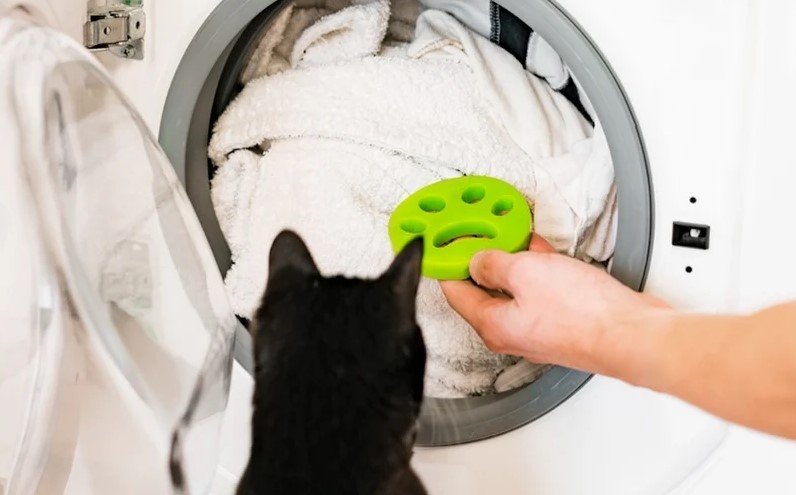
To start, gather your plush toys and place them inside a mesh laundry bag or a pillowcase tied at the end. This prevents them from getting stuck in the agitator or being torn during the spin cycle. Use a gentle, fragrance-free laundry detergent. Cats are incredibly sensitive to smells, and strong floral scents can be overwhelming or even irritating to their respiratory system.
Run your machine on a delicate cycle using warm water. You don’t need harsh chemicals or bleach. In fact, you should strictly avoid bleach or fabric softeners, as these can leave behind residues that your cat might ingest when they inevitably groom the toy later. Once the cycle is done, let them air dry completely. A sunny spot near a window is the best way to naturally sanitize the fabric.
Hand-Washing Delicate Items
If a toy has glued-on eyes or non-washable decorations, you should opt for hand-washing. Fill a basin with warm water and a tiny drop of dish soap. Gently massage the soapy water into the toy, focusing on areas with visible dirt. Rinse it thoroughly under running water until all soap is gone. Squeeze it out – without twisting it too hard and pat it dry with a clean towel before air drying.
Cleaning Hard Plastic and Rubber Toys
Hard toys, like plastic balls, treat dispensers, or rubber kickers, are much easier to sanitize than fabric toys. These items are excellent for hiding treats, which means they can also hide sticky residue or dried food particles. Learning how to wash cat toys made of plastic or rubber is straightforward, but it requires thorough rinsing to ensure no soap taste remains.
The Dishwasher Technique
If you have a dishwasher with a top rack, you can use it to sanitize hard cat toys. Place the toys in a mesh basket or a dishwasher-safe container to keep them from falling through to the bottom. Use a fragrance-free, eco-friendly dishwasher tab. Do not use your regular rinse aid, as those chemicals are designed for human dishes and may not be safe for feline ingestion.
The Sink Scrub
For most people, a quick sink scrub is the best method. Use warm water and a safe dish soap to scrub away debris. Use an old toothbrush to get into the crevices of treat-dispensing balls or textured rubber toys. Once they are scrubbed, rinse them thoroughly. Ensure that the water comes out clean and that there is no slippery residue left on the surface.
Specialized Care: Feathers and Catnip
Some toys are just not meant for the washer. Feather wands, for example, are delicate and often use adhesives that will dissolve in water. Similarly, refillable catnip toys require a different approach because the catnip itself should not be washed.
Dealing with Feathers and Wands
Feather toys usually only need a light surface dusting. You can use a lint roller or a dry microfiber cloth to pick up loose dander and dust. If the feathers are truly filthy, dip a damp cloth into a mixture of water and a tiny bit of mild soap, wipe them down, and let them dry immediately. Never submerge a wand toy in water, as it can cause the wooden or plastic handle to warp or the internal parts to rust.
Managing Catnip-Filled Toys
If you have a toy that is stuffed with catnip, check to see if it has a velcro or zippered opening. If it does, empty the catnip out before washing the fabric shell. If the catnip is sewn inside, you cannot fully submerge the toy, or the catnip inside will rot and become moldy.
Instead, clean these with a damp cloth and a mild soap-water mix, focusing on the exterior only. After cleaning, you can refresh the potency by putting the dry toy in a bag with fresh catnip for a few hours.
Establishing a Cleaning Schedule
Now that you know how to wash cat toys, you should build a routine. Consistency is the secret to a cleaner home and a healthier cat. If you wait until a toy looks dirty, you have waited too long. Aim for a cleaning schedule that fits your lifestyle. For most households, a “light refresh” every two weeks is perfect, with a “deep clean” every month or two.
Rotation Strategies
One of the best ways to keep your cat’s collection manageable is to rotate their toys. Keep only a few toys out at a time and store the rest in a clean, airtight container. Not only does this keep the toys cleaner, but it also keeps your cat excited, as they perceive the “new” toys as fresh arrivals. When you rotate them, you can wash the ones you are putting away, ensuring they are pristine for the next time they enter the rotation.
Creating a Toy Storage System
Where you store your toys matters. Avoid leaving them in high-traffic areas where they can collect carpet dust or hidden pet hair. A dedicated box or basket off the floor is ideal. If you have a multi-pet household, ensure you have enough toys to go around. Sharing toys between pets can spread bacteria, so cleaning them more frequently is essential in a home with more than one animal.
Conclusion
Caring for your cat involves many responsibilities, and maintaining their play environment is a key part of that bond. By learning how to wash cat toys properly, you are doing more than just cleaning you are investing in your cat’s well-being. It is a small gesture that goes a long way toward preventing illness and ensuring your home remains fresh.
Remember, the best approach is to be observant. If a toy smells, looks dingy, or shows signs of wear, take action. Use fragrance-free products, prioritize thorough drying to prevent mold, and always keep your cat’s safety at the forefront.
With these steps, you will keep your cat’s favorite playthings in top condition for years to come. Now, grab those toys and get scrubbing your cat will surely thank you with a playful pounce!
Frequently Asked Questions
Can I use regular laundry detergent when I wash cat toys?
You can use regular laundry detergent, but it is highly recommended to choose a fragrance-free, hypoallergenic version. Cats have an incredibly sensitive sense of smell, and harsh artificial fragrances can cause them to reject their toys or experience respiratory irritation.
How often should I clean my cat’s toys?
A light cleaning every two weeks is ideal to remove dander and dust, with a deep clean once a month. If your cat plays with a specific toy every single day or takes it to different areas of the house, you may want to sanitize it more frequently.
Is it safe to put cat toys in the dryer?
It is generally safer to air dry cat toys, as the high heat of a dryer can shrink plush fabric, melt glue, or damage electronic parts. If you must use a dryer, use the lowest heat setting possible and keep the toys inside a mesh laundry bag.
How do I know if a toy is no longer safe to wash?
If the toy has significant tears, frayed seams, or loose parts that could be swallowed, it should be discarded rather than washed. Once a toy starts to fall apart, the risk of a choking hazard outweighs the value of cleaning it.
Can I wash electronic cat toys?
You should never submerge electronic toys in water, as this will destroy the internal components and could cause a fire hazard. Instead, use a damp cloth with a mild cleaner to wipe down the exterior surfaces only, ensuring no moisture gets into the battery compartment.
How do I get the smell out of a plush cat toy?
If a toy has a stubborn odor, ensure it is thoroughly machine washed and dried in the sun, as UV light helps kill bacteria and neutralize smells. If the smell persists after a deep clean, it is likely time to replace the toy, as deep-set bacteria may have compromised the material.