
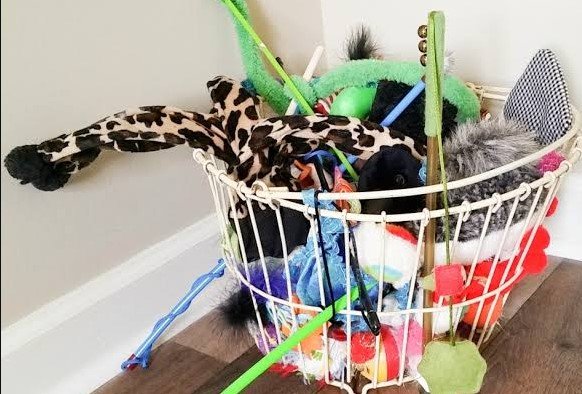
Organizing your pet’s gear doesn’t have to be a chore. By using smart storage solutions, you can keep your home clutter-free while ensuring your cat stays mentally stimulated and happy every single day.
Do you ever feel like your living room has been taken over by a pile of colorful mice, crinkly tunnels, and stray feathers? If you are a cat owner in 2026, you know the struggle of trying to keep your home looking stylish while catering to your feline friend’s endless energy. It is easy for cat toys to accumulate, often ending up under the sofa, behind the curtains, or permanently embedded in your rug.
Learning how to store cat toys is about more than just cleaning up. It is about creating a healthy environment for your cat. When toys are scattered everywhere, they lose their excitement. By organizing them properly, you can actually improve your cat’s quality of life. Let’s dive into some simple, clever ways to reclaim your space while keeping your kitty entertained.
Key Takeaways
- Rotation is Key: Storing half your toys and swapping them weekly keeps your cat interested and prevents boredom.
- Prioritize Accessibility: Use low-profile bins that allow your cat to choose their own toys when you aren’t around.
- Categorize by Type: Group soft plush toys, interactive puzzles, and wand toys separately for easy access during playtime.
- Clean Before Storing: Always wash and dry cat toys thoroughly before tucking them away to prevent mold or odors.
- Utilize Vertical Space: Wall-mounted pockets or hanging organizers can save valuable floor space in small apartments.
The Art of Toy Rotation
One of the biggest mistakes cat owners make is leaving every single toy out at all times. Think about it: if you had the same puzzle on your desk every day for a year, you would eventually stop looking at it. The same logic applies to your cat. Rotating toys is the secret weapon of professional cat behaviorists.
Why Rotation Matters
When you learn how to store cat toys in a rotation system, you create a “new” play experience every week. Simply take a portion of the toys and tuck them away in a closet or a storage bin. After seven days, bring those out and put the current ones away. This keeps your cat curious, as they perceive the “new” toys as fresh prey to hunt.
Setting Up Your System
You don’t need a complex filing cabinet to make this work. Use two or three medium-sized storage bins. Keep one bin accessible for your cat, and place the others in a closet. When you swap them, you will notice your cat acting like they have received brand-new gifts. It is a cost-effective way to keep their interest piqued without constantly buying new items.
Choosing the Right Storage Solutions
When you start shopping for ways to organize, consider your home’s decor. You don’t have to sacrifice style for functionality. The best way to store cat toys depends on your storage space and your cat’s specific personality.
Open Baskets for Easy Access
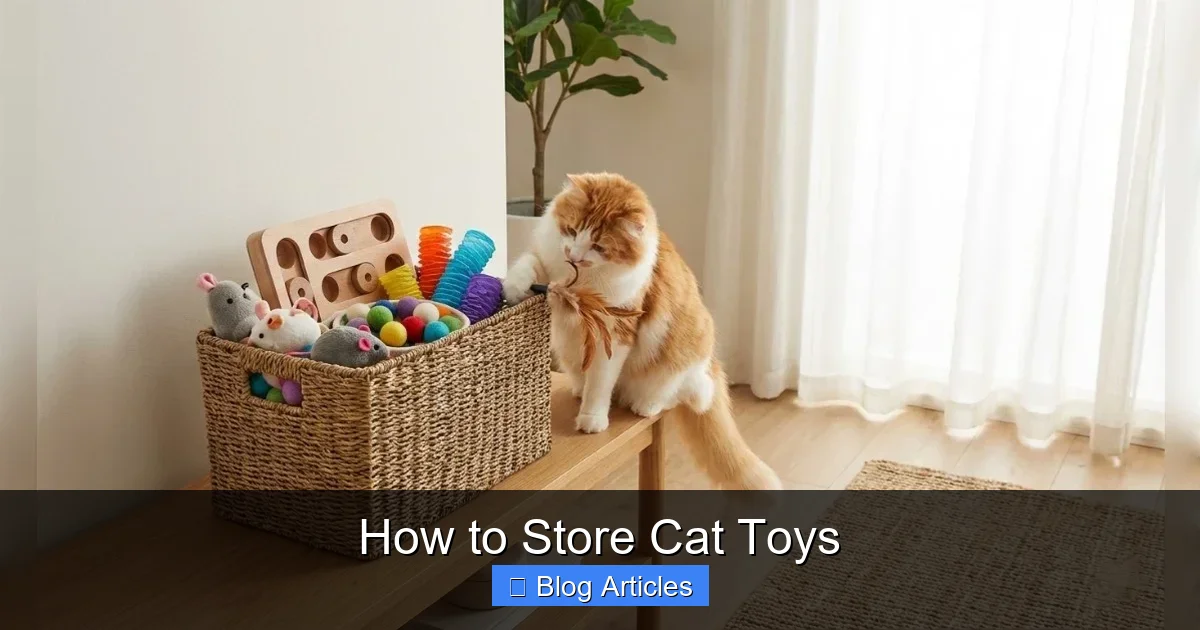
Low, open-top baskets are excellent for independent play. Place them in corners where your cat hangs out most. Woven rope baskets look chic in a modern living room and are sturdy enough to withstand a cat diving into them. Because the basket is low, your cat can easily reach in and pull out a toy whenever they feel a burst of energy.
Wall-Mounted Solutions
If you live in a smaller apartment, floor space is gold. Use wall-mounted canvas pockets or hanging shoe organizers behind a door to store wand toys or smaller catnip mice. This keeps items off the floor and prevents the “mystery under the couch” scenario that happens when toys slide into unreachable places.
Sorting by Toy Category
Not all cat toys are created equal. Grouping your items makes it much easier to find the right tool for the job when you have five minutes to play with your pet.
The Wand Toy Conundrum
Wand toys are fantastic for bonding, but they are notoriously difficult to store. If left on the floor, the strings can become a hazard, and the feathers often get crushed. Try using a tall, slim umbrella stand or a decorative vase to hold wand toys upright. This keeps the wand handles visible and the strings untangled.
Plush and Crinkle Toys
These are the items your cat loves to carry around. Since these tend to pick up hair and dust, consider storing them in a dedicated breathable fabric bin. Avoid plastic bins with lids for these items, as they can trap moisture and cause odors. If you notice a plush toy getting too dirty, toss it in the wash before storing it away.
Safety First: Hygiene and Maintenance
Knowing how to store cat toys also means knowing how to keep them safe. A toy that is stored in a damp place or is covered in saliva and dust can become a breeding ground for bacteria.
Cleaning Before Storing
Before you put a toy into long-term storage, give it a quick check. If it is machine washable, pop it in the laundry. If it is plastic or rubber, a quick wipe with pet-safe cleaner works wonders. Storing a dirty toy is a recipe for a smelly home, so always ensure everything is 100% dry before closing up your storage bin.
Checking for Wear and Tear
Storage time is the perfect time to audit your stash. Look for loose threads, missing eyes, or ripped seams. If a toy is damaged, it is better to repair it or toss it out rather than storing it away. A damaged toy can pose a choking hazard if your cat plays with it while you are not supervising.
Integrating Storage into Your Decor
Organizing doesn’t mean your home has to look like a pet store. There are many ways to hide cat toys in plain sight.
The Ottoman Trick
Storage ottomans are a lifesaver for pet owners. You can use the internal space to store your cat’s entire toy collection. When it is playtime, just lift the lid and let your cat pick. When guests come over, the lid closes, and your living room looks perfectly pristine.
The “Toy Drawer”
If you have a lower bookshelf or a bottom drawer in a side table, consider dedicating that space to your cat. Cats love having a “nook.” By keeping their toys in a lower, dedicated area, you train them to go to that spot when they are looking for fun. It keeps your house clean and gives your cat a sense of ownership over their “treasure chest.”
Teaching Your Cat to Clean Up
This might sound like a dream, but some cats can actually be trained to “put away” their toys—or at least, bring them to a specific area. While you may not get your cat to put them in a bin, you can encourage them to drop their toys in a designated zone.
Positive Reinforcement
If your cat has a favorite toy, wait for them to finish playing with it. When they leave it near their toy basket, give them a treat or some praise. Cats are creatures of habit. If you consistently guide them toward the same area, they will start to associate that spot with their “treasure pile.”
Consistency is Key
If you find toys scattered everywhere, pick them up and place them in the storage bin. Over time, your cat will realize that the “play zone” is where the toys live. It may take a little patience, but teaching your cat to gravitate toward the storage area keeps your home tidy and makes it easier for you to manage the daily toy rotation.
In conclusion, keeping your home organized while living with a cat is entirely possible. By rotating your cat’s toys, utilizing smart storage solutions, and maintaining good hygiene, you can ensure your home stays beautiful and your cat stays happy. Take some time this weekend to gather all those stray mice, organize your wand collection, and establish a system that works for your space. Your future self—and your cat—will thank you for it!
Frequently Asked Questions
How often should I rotate my cat’s toys?
It is recommended to rotate your cat’s toys every one to two weeks. This simple change keeps your cat mentally stimulated and prevents the boredom that comes from having the same items out every day.
Can I wash cat toys before storing them?
Yes, you should always wash cat toys if they are dirty or have been in your cat’s mouth for an extended period. Ensure they are completely dry before putting them into storage to prevent mold or unwanted odors.
What is the best way to store long wand toys?
Wand toys are best stored upright in a tall container like an umbrella stand or a sturdy vase. This prevents the strings from tangling and keeps the feathers or attachments from getting crushed or damaged.
Are plastic bins safe for cat toy storage?
Plastic bins are fine for hard toys like balls or plastic mice, but avoid using them with lids for plush items. Fabric or woven baskets are better for soft toys as they allow for airflow, preventing moisture build-up.
How do I stop my cat from losing toys under the couch?
You can use “couch blockers” or foam strips to seal the gap between the floor and your furniture. Keeping the area under your couch clear makes it easier to keep track of the toys that are currently in the active rotation.
Should I store catnip toys differently?
Catnip toys should be stored in an airtight container or a small, sealed bag when not in use. This helps preserve the potency of the catnip and keeps the scent fresh for longer periods of time.