Taming backyard clutter is easier than you think with the right storage strategy. By choosing weather-resistant solutions and creating designated zones, you can extend the life of your children’s gear while keeping your lawn pristine and hazard-free.
If you look out your window right now, what do you see? Is it a beautiful landscape, or is it a graveyard of plastic trucks, deflated soccer balls, and tangled jump ropes? We have all been there. As the warmer months arrive in 2026, our backyards become the primary playroom for our little ones. While the sunshine is great for their energy levels, it can be a nightmare for your home’s aesthetic appeal if you do not have a plan for how to store outdoor toys.
The secret to a peaceful backyard isn’t just buying more bins; it is about creating a system that works for your specific family habits. When gear is left scattered across the grass, it gets damaged by the sun, soaked by the rain, and eventually creates a tripping hazard for anyone trying to navigate the lawn at night. Learning how to store outdoor toys effectively is the ultimate life hack for reclaiming your outdoor living space while teaching your kids responsibility at the same time.
Key Takeaways
- Categorize by usage: Keep frequently used outdoor toys near the door and seasonal items in protected shed storage.
- Prioritize durability: Choose materials like resin, treated wood, or powder-coated metal to withstand the elements through 2026 and beyond.
- Utilize vertical space: Use wall-mounted racks and hooks to keep sports equipment off the ground and away from pests.
- Implement moisture control: Always ensure containers have drainage holes or use desiccant packs to prevent mold in humid climates.
- Label for independence: Clear bins with labels help children participate in clean-up time, making the process faster for everyone.
- Safety first: Secure heavy storage units to walls or decks to prevent tipping, especially in homes with active toddlers.
The Foundations of Smart Storage
Before you run out to buy expensive sheds or cabinets, you need to assess what you actually have. Start by gathering all the stray items scattered across your yard. Throw away anything that is broken beyond repair and donate items your children have outgrown. Now that you have a realistic inventory, you can decide which storage solutions will actually fit your space and your budget.
Assessing Your Available Space
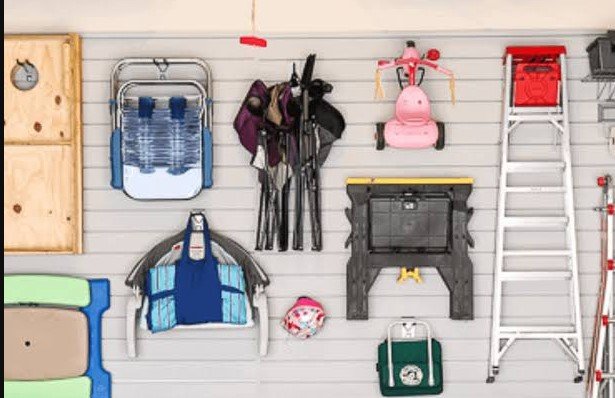
Do you have a large deck, or are you working with a small urban balcony? Your space dictates your strategy. For those with large backyards, a dedicated storage shed or a sturdy deck box works wonders. If you are tight on space, think vertically. Pegboards on a garage wall or overhead pulley systems can store bikes and bulky equipment without taking up a single square foot of floor space.
Selecting Weather-Resistant Materials
When you learn how to store outdoor toys, the biggest enemy you will face is the environment. In 2026, technology in materials has come a long way. Look for UV-resistant plastics that won’t turn brittle under the summer sun, or cedar wood that naturally resists rot and insects. Always check the labels to ensure the storage unit is water-tight, especially if you plan on storing fabric-based toys or soft gear.
Creative Solutions for Every Item Type
Not all toys are created equal. A hula hoop requires different storage than a set of sidewalk chalk or a ride-on electric car. Creating “zones” for your items will make finding the right toy feel like second nature for your kids. When everything has a home, the clean-up process becomes much faster.
Managing Sports Equipment
Balls are notorious for rolling away or getting lost in hedges. A tall, wire mesh basket is perfect for this. The wire design allows air to circulate, which prevents that musty smell that often develops when balls are stored in dark, damp areas. You can also install bungee cord organizers against a wall; simply stretch the cords between two wooden slats, and slide the balls into the gaps.
Storing Ride-On Toys and Bikes
Large ride-on toys can quickly take over your driveway. If you have the space, a dedicated “parking garage” built from wooden pallets or a lean-to structure against the side of the house is ideal. For bicycles, wall-mounted hooks are the gold standard. By getting the wheels off the ground, you protect the tires from ground moisture and create an organized look that feels professional and tidy.
The Power of Vertical Organization
When the floor space is full, look up! Most people ignore the potential of their fence lines or the exterior walls of their garage. Learning how to store outdoor toys effectively means maximizing every inch of your property, including the walls.
Wall-Mounted Racks and Hooks
Heavy-duty hooks are inexpensive and incredibly versatile. You can hang scooters, jump ropes, and even beach bags. If you have a wooden fence, consider installing a system of railings where you can clip on lightweight bins. This keeps small items like water balloons, chalk, and sand toys organized while leaving the lawn clear for mowing and play.
Overhead Storage
If your garage or carport has rafters, use them! You can install pulley systems or large hooks to hang oversized pool floats or seasonal inflatables that you won’t use until the middle of the summer. This is an excellent way to keep these items safe from sharp garden tools and pests while keeping them within reach for the next pool day.
Seasonal Rotations and Maintenance
Your storage needs change as the seasons shift. Learning how to store outdoor toys is an ongoing process that involves a bit of spring cleaning and autumn preparation. If you treat your storage system as a living, breathing part of your home, you will never feel overwhelmed by clutter again.
The Autumn Purge
When the temperatures start to drop in late 2026, take an afternoon to perform a deep clean. Wipe down plastic toys with a mild soap solution and ensure everything is completely dry before packing it away for the winter. Moisture is the number one cause of mold and mildew, so dry storage is non-negotiable for items going into the shed for the winter months.
Year-Round Accessibility
During the peak of the season, ensure that your most used items are at the front. If your child plays with their water table every morning, do not hide it behind three bicycles and a lawnmower. Place it on the deck or patio where it is immediately accessible. Use the “first-in, first-out” method to keep your storage area functional throughout the busiest months of the year.
Safety Considerations for Outdoor Storage
While aesthetics are important, safety is paramount. When you decide how to store outdoor toys, always keep the safety of your family in mind. A heavy, unsecured deck box can tip over on a toddler, and sharp hooks at eye level can lead to avoidable injuries.
Secure Heavy Units
If you choose to use a large storage bench or a tall cabinet, make sure it is secured to the wall or the ground. Many deck boxes come with mounting kits. If yours does not, a few simple heavy-duty screws or a concrete anchor will keep the unit stable even in high winds or when a child tries to climb on it.
Avoiding Pest Infestations
Outdoor storage units can unfortunately attract spiders, mice, and other garden critters. To minimize this, avoid storing soft toys or anything with a scent inside dark, enclosed spaces for long periods. If you must store these items outside, opt for airtight, hard-sided bins rather than fabric bags or open shelving. This keeps your toys clean and free from unwanted guests.
Involving Kids in the Clean-Up Process
The best storage system in the world won’t work if your children don’t use it. Turning clean-up time into a game is a fantastic way to build habits that last. By involving your children in the process of how to store outdoor toys, you teach them to value their belongings and understand the importance of maintenance.
Using Labels and Colors
Kids respond well to visual cues. Use clear, waterproof labels on bins—include both words and pictures for younger children who are not yet reading. Even better, assign specific colors to specific types of toys. Perhaps the blue bin is for pool gear and the red bin is for sports equipment. When everything has a designated place, children can easily learn to put items back where they belong.
Make it Fun, Not a Chore
Instead of shouting, “Clean up the yard!” try making it a time-trial game. Set a timer for five minutes and see how many items they can return to their storage bins. By gamifying the process, you remove the negativity associated with chores and help them understand that having a clean, organized space makes the next play session even more enjoyable.
The journey to an organized backyard is about consistency. By evaluating your space, choosing the right weather-resistant materials, and involving the whole family, you can maintain a beautiful outdoor space that serves as both a playground and a retreat. Start with one zone this weekend, and you will be amazed at how quickly your backyard transforms. Happy organizing!
FAQs
What is the best material for outdoor toy storage?
Resin or UV-resistant plastic is generally best because it is waterproof, rust-proof, and easy to clean. If you prefer a natural look, cedar wood is a great alternative as it is naturally resistant to decay and insects, provided it is maintained with a sealant.
How do I keep bugs out of my outdoor toy storage?
Use airtight, hard-sided bins to keep pests away from toys. Avoid storing soft fabrics or plush items outside, and consider placing a few cedar balls or essential oil-based deterrents inside the storage container to discourage spiders and mice.
Is it okay to leave plastic toys in the rain?
While most plastic toys are designed for outdoor use, leaving them in the rain for long periods can lead to water pooling, which encourages mold and algae growth. It is always better to store them in a way that allows for airflow or to bring them under cover when not in use.
How do I organize sports equipment so it doesn’t take up too much space?
Vertical storage is your best friend here. Use wall-mounted tracks with hooks for bats and rackets, and use mesh bags or tall, narrow baskets for balls to keep them off the ground and neatly contained.
Should I cover my outdoor storage bins?
If your storage bins are not inherently waterproof or if they are sitting in a very exposed area, a custom-fitted cover is a great idea. It adds an extra layer of protection against harsh UV rays and heavy rain, significantly extending the life of the storage unit.
What should I do with oversized outdoor toys during winter?
If you don’t have enough garage space, consider a heavy-duty, waterproof tarp to wrap large items like sandboxes or playhouses. For smaller items, clean and dry them thoroughly before placing them in labeled, stackable plastic totes and storing them in a basement or attic.