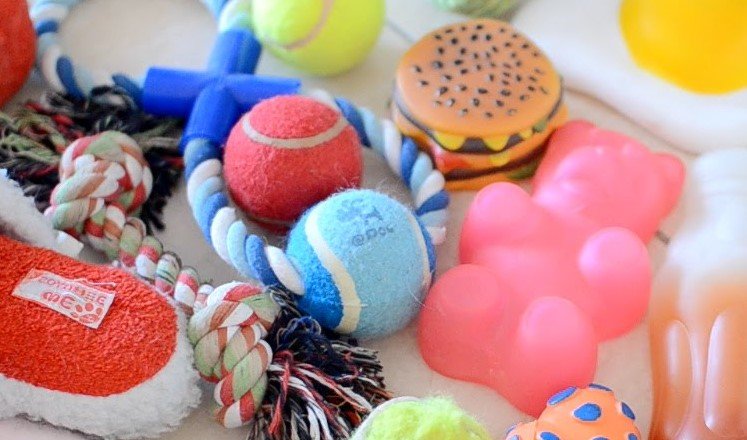
Keeping your cat’s toys clean is essential for preventing the spread of bacteria and ensuring your pet stays healthy and happy. By following these simple cleaning methods tailored to different materials, you can safely sanitize cat toys without using harsh chemicals that might harm your furry friend.
As a cat parent, you probably know that your feline friend treats their toys like prized possessions. They carry them around, pounce on them, and often give them a good chew. Because these items end up in your cat’s mouth and all over your floors, they inevitably collect dust, dander, bacteria, and even saliva. Knowing how to sanitize cat toys is a crucial part of being a responsible pet owner in 2026.
It might seem like a chore, but keeping these items clean is a simple way to protect your cat’s immune system. Think of it like washing your own dishes; you wouldn’t want to eat off a plate that hasn’t been scrubbed in months. When you learn how to sanitize cat toys, you ensure that playtime remains a safe and healthy experience rather than a hidden health risk.
Key Takeaways
- Regular Cleaning: Establish a routine to sanitize cat toys at least once every two weeks to prevent dust and saliva buildup.
- Material Matters: Always check the label or material type before cleaning, as plastic, fabric, and electronic toys require different approaches.
- Safety First: Avoid using bleach or heavy industrial cleaners, as these can leave toxic residues that are dangerous if your cat chews the toy.
- Natural Alternatives: Vinegar and hot water are often the best, safest choices for effective sanitation.
- Inspection Check: Use cleaning time as an opportunity to inspect toys for wear and tear to prevent choking hazards.
- Proper Drying: Ensure all toys are 100% dry before returning them to your cat to prevent mold and mildew growth.
The Importance of Routine Sanitization
You might look at a toy and think it looks clean enough, but microscopic germs are often invisible to the naked eye. Cats spend a lot of time grooming themselves, and they pick up various particles from their environment. These particles land on toys, creating a breeding ground for bacteria.
Protecting Against Allergens
Many cats suffer from hidden environmental allergies. Dust mites often cling to plush toys, causing sneezing or itchy skin. By learning how to sanitize cat toys regularly, you can significantly reduce the amount of dander and dust in your home. This simple habit keeps your cat’s environment fresh and comfortable.
Preventing the Spread of Illness
If you have more than one cat, clean toys are even more important. Germs can pass easily from one pet to another during shared playtime. If one cat is fighting a mild bug, the toys can act as a bridge, keeping the illness circulating through your home. Regularly cleaning these items breaks that cycle and keeps your feline family thriving.
How to Sanitize Cat Toys: Plastic and Hard Items
Hard plastic toys are usually the easiest to clean because they are durable and non-porous. You have a few options when it comes to sanitizing these durable favorites.
Visual guide about How to Sanitize Cat Toys
Image source: i.ytimg.com
The Dishwasher Method
Most hard plastic toys can go right into your dishwasher. Use a natural, fragrance-free detergent and run the cycle on high heat. Skip the rinse aid, as some chemicals in those products are not pet-safe. Make sure the toys are secured in the top rack so they do not touch the heating element, which could melt them.
Hand Washing for Sensitive Toys
If you have a hard toy that isn’t dishwasher safe, a simple soak is all you need. Fill a basin with warm, soapy water using a mild dish soap. Scrub them with a clean sponge or a soft toothbrush to get into the crevices. Rinse them thoroughly under running water to ensure no soap residue remains. This is the best way to sanitize cat toys that have intricate designs or small holes.
Sanitizing Plush and Fabric Toys
Plush toys are often a cat’s absolute favorite, but they are also the hardest to clean because fabric traps odors and bacteria deep inside the fibers. However, learning how to sanitize cat toys made of cloth is totally doable.
The Washing Machine Approach
Check the tag first to see if the toy is machine washable. If it is, place the toys inside a mesh laundry bag to protect them. Use a gentle, pet-safe laundry detergent and a hot water cycle to kill bacteria. Avoid fabric softeners, as these often contain chemicals that can irritate a cat’s sensitive nose.
Spot Cleaning for Delicate Favorites
Some plush toys might have bells inside or electronic parts that shouldn’t get wet. For these, use a mixture of water and a tiny bit of white vinegar. Dampen a clean cloth with this solution and wipe down the surface. Vinegar is a natural disinfectant that works wonders. Once you finish wiping, follow up with a cloth dampened only with water to remove any lingering vinegar scent.
Handling Electronic and Battery-Operated Toys
Electronic toys are fun, but they require a delicate touch. You cannot submerge these in water, or you will ruin the motor. Learning how to sanitize cat toys with batteries requires extra caution.
Surface Sanitization
First, always remove the batteries before you start cleaning. Take a soft, microfiber cloth and lightly dampen it with a 50/50 mix of water and white vinegar. Gently wipe the entire surface of the toy. If the toy has fur or fabric covering, use a sticky lint roller first to remove loose hair, then wipe with the damp cloth. Never saturate the toy; keep the liquid to a minimum to avoid damaging the internal components.
Deep Cleaning the Battery Compartment
Over time, battery compartments can get dusty. Use a dry, clean toothbrush to gently brush away any debris from the inside of the battery area. Make sure it is completely dry before putting new batteries in. If you notice any corrosion from old batteries, it is best to throw the toy away, as chemicals from the battery can be toxic to your cat.
Natural Disinfectants: Why Vinegar is Your Best Friend
When you learn how to sanitize cat toys, you might be tempted to reach for household bleach or strong disinfectants. Please avoid these! Cats are incredibly sensitive to smells and toxins. Most common household cleaners leave behind residues that can be ingested when your cat licks their paws or toys.
The Power of White Vinegar
White vinegar is a miracle worker for pet owners. It is acidic enough to kill many types of bacteria, but it is completely non-toxic once it dries. Because it evaporates quickly, it doesn’t leave a strong smell behind that would bother your cat’s sensitive nose. It is affordable, sustainable, and readily available in 2026.
What to Avoid
Never use bleach, ammonia, or essential oils to sanitize cat toys. Many essential oils, like tea tree or peppermint, can be toxic to cats if ingested or even if the scent is inhaled in high concentrations. Stick to natural, fragrance-free solutions to keep your home safe for your furry companions.
The Final Step: Drying and Inspection
The job isn’t done just because the toys are clean. How you dry and inspect them is just as important as the cleaning process itself. If a toy remains damp, it becomes a magnet for mold and mildew, which can cause respiratory issues for your cat.
Thorough Drying Techniques
Air-drying is the safest method. After washing, squeeze out any excess water from plush toys and lay them out in a sunny, well-ventilated spot. The sun is a natural sanitizer that helps kill remaining germs. For plastic toys, wipe them with a clean towel and let them sit for at least an hour before putting them back in the toy box.
The Inspection Ritual
When you know how to sanitize cat toys, you also gain a front-row seat to their condition. During the drying process, check for loose threads, missing eyes, or cracked plastic. A toy with a loose piece can become a choking hazard. If you find a toy that is damaged beyond simple repair, it is time to say goodbye. It is much better to replace a toy than to deal with an emergency vet visit later.
Maintaining a clean environment for your cat is one of the most loving things you can do. By making the effort to sanitize cat toys, you are actively participating in your pet’s long-term health and well-being. Start small, pick one day a week for a quick wipe-down, and enjoy the peace of mind that comes with knowing your cat is playing in a truly clean space.
Frequently Asked Questions
How often should I sanitize my cat’s toys?
You should aim to sanitize your cat’s toys at least once every two weeks. If your cat plays with certain toys daily or has been ill, you may want to clean them more frequently to prevent bacteria buildup.
Can I put all cat toys in the dishwasher?
No, only hard, non-porous plastic toys are safe for the dishwasher. Never put plush toys, electronic toys, or items with wooden components in the dishwasher, as the heat and water can destroy them.
Is it safe to use laundry soap on plush toys?
It is safe to use laundry soap as long as it is fragrance-free and contains no harsh chemicals or dyes. Always use a delicate cycle and ensure the toy is rinsed thoroughly to avoid any residue that your cat might ingest.
What is the best way to clean toys with catnip?
Toys filled with loose catnip should be treated as disposable or the catnip should be replaced. If the toy is washable, you will likely need to remove the old catnip first, wash the fabric, and refill it with fresh catnip once it is completely dry.
Are there any natural alternatives to vinegar for cleaning?
If you prefer not to use vinegar, you can use a mixture of warm water and a small amount of mild, eco-friendly dish soap. Hydrogen peroxide can also be used as a disinfectant on hard surfaces, but you must rinse it off very thoroughly before giving the toy back to your cat.
How do I know if a toy is too damaged to clean?
If you see fraying fabric, exposed stuffing, cracked plastic, or parts that are loose enough to be swallowed, the toy is too damaged to clean. These pose significant choking or ingestion risks and should be discarded immediately for your cat’s safety.