Keeping silicone toys clean is essential for your child’s health, but it doesn’t have to be a chore. By using simple, non-toxic methods like boiling water or a gentle dishwasher cycle, you can easily sanitize silicone toys to ensure they remain safe, hygienic, and ready for playtime.
If you are a parent or a caregiver, you know that toys have a mysterious way of ending up everywhere—under the couch, on the park floor, and, inevitably, inside your child’s mouth. As we navigate 2026, we have access to more durable and safe materials than ever before. Silicone has quickly become the gold standard for baby gear and playthings. It is soft, flexible, and free from those nasty chemicals we all try to avoid. However, just because it is durable does not mean it stays clean on its own.
Learning how to sanitize silicone toys is a vital skill for every household. You want to keep your kids happy and healthy without spending hours scrubbing plastic pieces. Fortunately, silicone is incredibly forgiving. Because it is non-porous, it does not harbor germs the way porous plastic or wood might. Whether you are dealing with a spilled snack, a trip to the sandbox, or just a weekly hygiene refresh, this guide will show you exactly how to get those toys sparkling clean.
Key Takeaways
- Material Benefits: Silicone is naturally resistant to bacteria and mold, making it one of the safest materials for children’s toys.
- Heat Resistance: High-quality, food-grade silicone can safely withstand high temperatures, allowing for effective sterilization.
- Dishwasher Convenience: Most silicone items are top-rack dishwasher safe, providing a hands-off way to sanitize silicone toys effectively.
- Natural Cleaning Agents: Vinegar and water solutions are perfect for everyday upkeep and removing lingering odors without harsh chemicals.
- Inspection is Key: Always check your toys for cracks or wear before and after sanitizing to ensure they remain safe for use.
Understanding Why Silicone Is Different
To understand how to sanitize silicone toys effectively, we first have to look at what makes silicone special. Unlike traditional plastics, medical-grade or food-grade silicone is heat-resistant, cold-resistant, and chemically stable. This means you do not have to worry about toxic chemicals leaching out when you subject them to boiling water.
The Non-Porous Advantage
The biggest benefit of silicone is that it is non-porous. Bacteria, mold, and dust mites struggle to latch onto the surface. While a wooden toy might soak up saliva or liquids, silicone stays on the surface. This makes the sanitizing process much faster and more reliable. Even if a toy looks clean, however, microscopic debris can hide in the crevices, so regular cleaning is still a must.
Heat Resistance Matters
Silicone can typically withstand temperatures up to 400 degrees Fahrenheit. This is fantastic news for parents! It means you can use the power of heat to kill bacteria. While other materials might melt or warp in a dishwasher or boiling water, high-quality silicone holds its shape perfectly. This durability is exactly why it is the material of choice for teethers, stacking rings, and sensory cubes in 2026.
The Best Methods to Sanitize Silicone Toys
There is no single “right” way to clean, but there are definitely some methods that work better than others depending on how much time you have. Let’s break down the most popular and effective techniques you can use right in your own kitchen.
1. The Boiling Water Method
This is arguably the most effective way to reach a deep, clinical clean. If your child has been sick, or if you just bought a used toy, boiling is the way to go. Bring a large pot of water to a rolling boil. Carefully drop the silicone toys in and let them soak for about three to five minutes. Use tongs to remove them and set them on a clean towel to air dry. It is simple, fast, and uses zero harsh chemicals.
2. The Dishwasher Hack
If you are short on time, your dishwasher is your best friend. Most silicone toys are top-rack dishwasher safe. Just pop them in with your regular load, but avoid using harsh, fragranced detergents if possible. A fragrance-free, eco-friendly tablet works best for children’s items. The heat from the drying cycle also acts as an extra sanitizing step.
3. Gentle Soap and Warm Water
For daily maintenance, you do not need to sterilize everything constantly. A quick wash with warm water and a mild, fragrance-free dish soap is enough. Use a soft sponge or a clean cloth to wipe down the surfaces. Rinse them thoroughly under running water to ensure no soap residue is left behind, as this can sometimes cause a sticky film to develop over time.
Dealing with Stubborn Stains and Odors
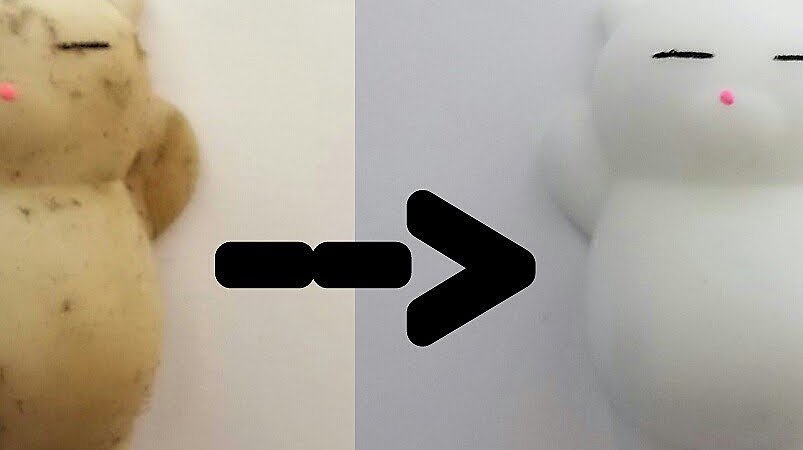
Sometimes, silicone can pick up the smell of food or take on a bit of a dusty tint. It happens, especially if toys are left in a toy box for too long. Luckily, you do not need to throw them away. You can refresh them easily.
The Vinegar Soak
Vinegar is a natural disinfectant and an excellent odor neutralizer. Mix a solution of one part white vinegar to one part water in a bowl. Let the silicone toys soak for about 30 minutes. The acidity helps break down mineral deposits or sticky residues. After soaking, rinse them thoroughly and let them air dry. The vinegar smell will disappear completely once the toy is dry, leaving it smelling fresh and clean.
Baking Soda Paste
If you notice a stubborn stain, make a thick paste using baking soda and a tiny bit of water. Gently rub the paste onto the stained area with your fingers or a soft-bristle brush. Let it sit for a few minutes before rinsing. Baking soda is mildly abrasive, which helps lift stains without scratching the surface of the silicone.
Frequency: How Often Should You Sanitize?
You might be wondering if you are overdoing it. Sanitizing every single day can feel like a full-time job. The frequency really depends on the toy’s exposure. If the toy is a teether that spends most of its time in your baby’s mouth, you should aim to give it a quick wash daily. Toys that sit on a clean play mat might only need a deep clean once a week or every two weeks.
Following Illness
If your child has been dealing with a cold, flu, or stomach bug, it is a great time to do a deep “reset.” Gather all their favorite silicone toys and run them through a boiling water bath or the dishwasher on a sanitize cycle. This simple action helps prevent the re-introduction of germs and can give you peace of mind.
Seasonal Deep Cleans
Every change of season, it is a good idea to perform a “toy audit.” Empty the bins, toss out anything that is cracked or damaged, and sanitize the items that remain. This keeps your home clutter-free and ensures your child is playing with safe, clean objects.
Safety Checks During Cleaning
While you sanitize silicone toys, take the opportunity to inspect them for wear and tear. Even though silicone is incredibly tough, it can eventually degrade. Look for tiny cracks, thin spots, or tears, especially near edges or handles. If you see damage, it is time to retire the toy. Bacteria can hide in those tiny crevices, and broken bits can become a choking hazard. Always prioritize your child’s safety over the life of the toy.
Furthermore, check if your toys have any metal parts or glued-on pieces. Many “silicone” toys are actually a mix of materials. If a toy has a wooden ring or a metal bell attached, do not boil or soak it. Only fully silicone items should be submerged for long periods. For mixed-material toys, stick to surface cleaning with a damp cloth and a mild soap.
Conclusion
Maintaining a clean play environment for your child is a simple way to support their health. By learning how to sanitize silicone toys, you are ensuring that their favorite companions stay fresh, clean, and safe for years to come. Whether you choose the quick dishwasher method or a thorough boiling water rinse, you are doing a great job.
Remember, the best cleaning routine is the one you can stick to consistently. Keep it simple, use non-toxic supplies, and don’t forget to inspect those toys regularly. Your little one will enjoy their play time even more when their toys are clean and ready for discovery. Happy cleaning, and here is to many more hours of safe, fun play in 2026!
FAQs
Can I put all silicone toys in the dishwasher?
Most 100% silicone toys are top-rack dishwasher safe, but always check the manufacturer’s label first. If the toy includes other materials like wood or metal, avoid the dishwasher as these parts can be damaged by high heat and water exposure.
How long should I boil silicone toys to sanitize them?
Boiling your silicone toys for three to five minutes is sufficient to kill most household bacteria. Make sure the water is at a rolling boil before dropping them in to ensure maximum effectiveness.
Is it safe to use bleach on silicone toys?
It is generally best to avoid bleach. It can be harsh on the material and difficult to rinse off completely, which could be harmful if your child puts the toy in their mouth. Vinegar and baking soda are much safer, natural alternatives.
Why do my silicone toys feel sticky after washing?
Sticky residue is often caused by soap buildup or hard water deposits. Try rinsing the toys more thoroughly or using a mixture of vinegar and water to break down the film, then air dry them completely.
How often should I replace silicone toys?
You do not need a set timeline for replacement, but you should inspect them regularly. If you notice any deep cracks, rips, or if the material starts to feel tacky even after cleaning, it is time to discard the item.
Can I use a microwave to sanitize silicone toys?
Microwaving is not recommended unless the toy is specifically labeled as “microwave-safe.” Microwaves can heat parts of the toy unevenly, which may cause internal steam pockets that can burn your child or warp the item.
Frequently Asked Questions
What is how to sanitize silicone toys?
how to sanitize silicone toys is an important topic with many practical applications.