Selling your childhood treasures can be a rewarding way to declutter while padding your wallet. This guide covers everything from identifying rare collectibles to choosing the right platforms for maximizing your profit in the current online marketplace.
Do you have a closet full of bins collecting dust? Maybe you have a few boxes of action figures in the attic or a collection of vintage board games tucked away in the garage. In 2026, the market for pre-loved items is bigger than ever. People love the nostalgia of childhood favorites, and that means your old toys might actually be worth a significant amount of money.
Learning how to sell old toys online is easier than you think. You do not need to be an expert appraiser to get started. You just need a bit of time, a smartphone, and a clear plan. Whether you are looking to pay off a bill or just want to make space for a hobby, this guide will help you turn those forgotten items into cash.
Key Takeaways
- Identify Your Inventory: Research your toys to see if they are common playthings or high-value vintage collectibles.
- Condition Matters: The state of the item, including original packaging and lack of wear, significantly impacts your final price.
- Choose the Right Platform: Use niche sites for specific collectors or broad marketplaces for everyday items.
- Master Your Photography: Clear, well-lit photos are the most important factor in attracting serious buyers online.
- Understand Shipping: Factor in packaging materials and shipping costs early so you don’t lose money on the transaction.
Step 1: Sorting and Identifying Your Collection
Before you list anything, you need to know what you have. Not every old toy is a hidden treasure. Start by sorting your items into three piles: trash, donate, and sell. Be honest about the condition of the toys. A broken plastic car is likely trash, but a complete set of 90s action figures in a box is a potential goldmine.
Researching Current Market Value
To find out how to sell old toys online, you must first check the “sold” listings on sites like eBay. Do not look at what people are asking for; look at what people are actually paying. This gives you a realistic view of the market. If you see five identical toys that didn’t sell for $50, your item is likely worth less than that.
The Importance of Condition
Collectors are picky. They look for “mint” condition. This means no scuffs, no paint chips, and definitely no bite marks from the family dog. If a toy is in its original box, it is often worth ten times more than an “out-of-box” version. Keep this in mind when you set your prices.
Step 2: Choosing Where to List Your Items
The internet is a vast place. You need to pick the platform that matches your specific toys. Not all sites are created equal, and some charge higher fees than others.
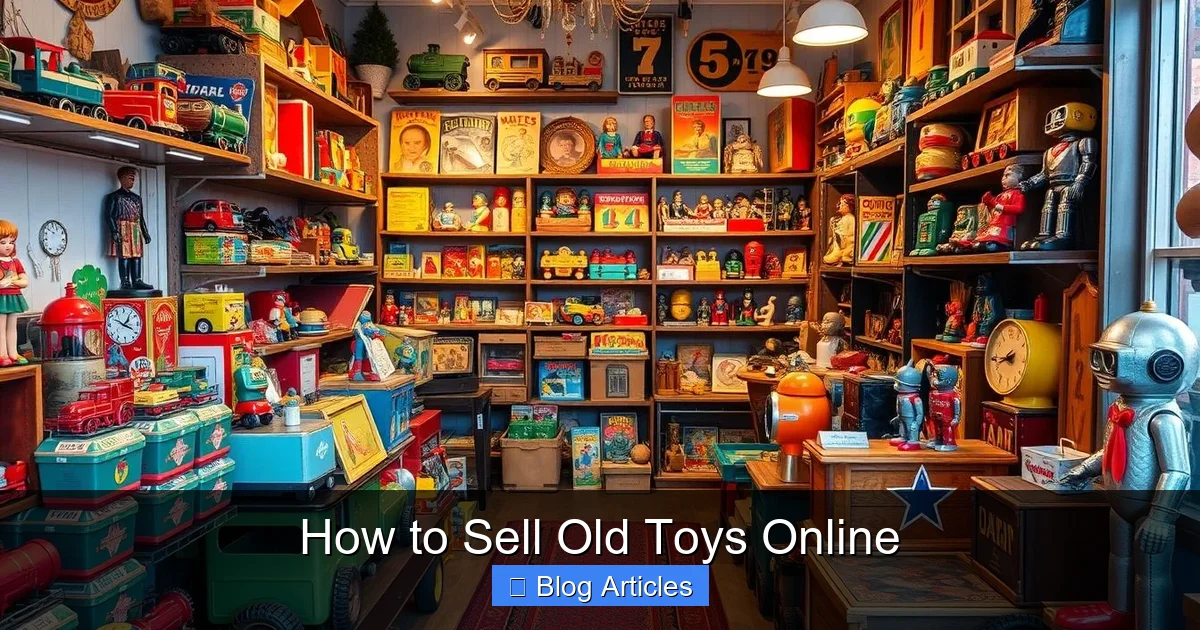
Visual guide about How to Sell Old Toys Online
Image source: toywhirl.com
General Marketplaces
For most toys, eBay remains the king. It has the largest audience of buyers, meaning your item will be seen by thousands of people. It is great for rare, specific items that need a global reach. If you have everyday plastic toys or plushies, Facebook Marketplace is often a better choice because you can sell locally without worrying about shipping.
Niche Sites and Forums
If you have high-end collectibles, like vintage trains or rare limited-edition dolls, look for dedicated hobby forums. These collectors are serious and often willing to pay a premium for items that are verified authentic. Posting on these sites can save you money on seller fees if you handle the transaction through trusted channels.
Step 3: Taking Professional-Quality Photos
You cannot sell what people cannot see clearly. Your photos are your storefront. Even if you have a great toy, poor lighting or blurry images will scare off buyers immediately.
Lighting and Backgrounds
Use natural light whenever possible. Place your toy near a window during the day. Avoid using the flash on your camera, as it creates harsh shadows and ugly glare on plastic surfaces. Use a plain white sheet or a piece of poster board as a backdrop. This keeps the focus entirely on the toy.
Capturing Details
Take pictures from every angle. If there is a scratch or a missing piece, photograph it clearly. Being transparent about the condition builds trust with the buyer. A happy buyer is a repeat customer. When you learn how to sell old toys online, honesty is truly your best marketing strategy.
Step 4: Writing Compelling Descriptions
A good description helps the buyer find your item and convinces them to click “Buy.” Think like a buyer. What would you want to know? You should include the brand, the year it was made, the condition, and any special features.
Use Relevant Keywords
People search for items using specific terms. Use words like “vintage,” “mint in box,” “limited edition,” or “rare” if they apply. Don’t stuff your description with fake keywords, but make sure you mention the specific toy name and series. If it was part of a movie tie-in, mention the movie title.
The “Why” Behind the Toy
Add a little bit of personality to your listing. Briefly mention why this toy was a favorite. A little bit of human connection makes your listing stand out from the cold, automated posts. If you are selling a collection, tell the buyer that it comes from a smoke-free, pet-free home if that is true. These details matter to parents and collectors alike.
Step 5: Packaging and Shipping Best Practices
Shipping is the part where most people get nervous. The secret is to prepare before you even list. Keep a stash of cardboard boxes and bubble wrap. You don’t need fancy supplies; you can reuse boxes from your recent online deliveries.
Weight and Dimensions
Always weigh your packed item on a small kitchen scale. When you list your item, enter the weight and the size of the box accurately. This allows the platform to calculate the shipping cost for the buyer automatically. If you estimate poorly, you might end up paying the difference out of your own pocket.
Protecting Your Goods
Toys can be fragile. Wrap them in bubble wrap until they are snug in the box. If the toy moves when you shake the box, you need more padding. Use packing peanuts or crumpled newspaper to fill the gaps. Your goal is for the item to arrive in the exact same condition it left your house.
Conclusion
Selling your old toys is a fun way to revisit your past while cleaning up your present. By understanding how to sell old toys online, you turn clutter into cash and help your items find a new home where they will be enjoyed again. Remember to start slow, take clear photos, and always be honest about the condition of your items.
The market for collectibles continues to grow, so there is no better time than now to get started. Pull those boxes out of the closet today, grab your phone, and start listing. You might be surprised at just how much your old favorite toys are worth to someone else. Happy selling!
Frequently Asked Questions
Do I need to clean the toys before selling them?
Yes, absolutely. A quick wipe-down with a damp cloth makes a massive difference in how the toy looks in your photos and increases its value to buyers.
What if I don’t know the exact name of the toy?
Use Google Lens or the eBay app’s camera feature to identify the item. These tools can scan the toy and suggest matching listings to help you find the correct name and brand.
Is it better to sell toys as a bundle or individually?
Sell high-value or rare items individually to maximize profit. Bundling is best for small, common toys that aren’t worth the time and cost of shipping separately.
What should I do if a buyer complains about the condition?
If you were honest in your photos and description, politely explain the situation. Most platforms have seller protection policies, so keep all your messages and photo evidence of the item’s condition.
Should I offer free shipping?
You can offer free shipping, but you must bake the cost of shipping into the total price of the item. Buyers love “free” shipping, but calculate your costs carefully to ensure you still make a profit.
Can I sell broken toys for parts?
Yes, many hobbyists specifically look for broken toys to use for spare parts for their own restorations. Always list them as “for parts or repair” so the buyer knows exactly what they are getting.