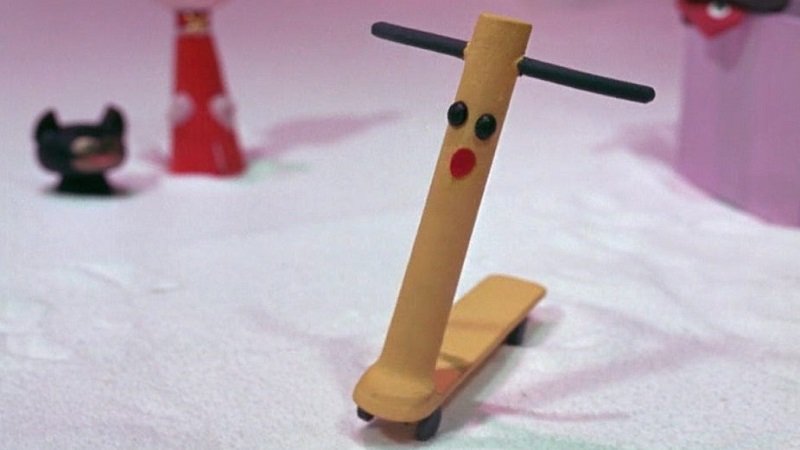
The scooter remains a unique cultural phenomenon that defies easy classification. By exploring its history, utility, and design evolution, we uncover why is the scooter a misfit toy in the eyes of traditional toy manufacturers and urban planners alike.
Have you ever looked at a scooter tucked away in the corner of a garage and wondered about its identity? It is not quite a bicycle, but it is certainly more than a skateboard. In the year 2026, as our streets become more crowded and our transit needs more complex, the humble scooter finds itself in a strange place. It is everywhere, yet it never seems to fully belong. This begs the question: why is the scooter a misfit toy?
To understand this, we have to look past the handlebars and wheels. We need to look at how we, as a society, categorize the things we use for play and movement. The scooter sits right on the fence, and that fence is often a lonely place to be. It is caught between the nostalgia of childhood play and the cold, hard requirements of adult urban commuting. This duality is exactly what makes the scooter a misfit toy in the modern age.
Key Takeaways
- Design Hybridity: The scooter struggles to fit into toy categories because it occupies the space between a plaything and a serious piece of urban transportation.
- The Safety Stigma: Historically, the scooter was unfairly labeled as dangerous, leading to its exile from many residential neighborhoods and public parks.
- Technological Transitions: With the rise of electric micro-mobility in 2026, the scooter has outgrown its “toy” reputation, causing a confusing identity crisis.
- Age Demographic Shifts: Because scooters appeal to both toddlers and business professionals, they lack a single, consistent target market.
- Storage and Portability: Its foldability makes it a practical tool, yet this utilitarian feature often makes it seem “lesser than” a permanent vehicle like a bicycle.
- Cultural Perception: Pop culture has frequently depicted the scooter as a comedic prop, further cementing its status as a misfit within the world of classic toys.
The Identity Crisis of the Scooter
The main reason why is the scooter a misfit toy centers on its refusal to stay in its lane. In the toy industry, products are usually defined by age ranges. You have toys for toddlers, gadgets for teens, and gear for adults. The scooter, however, defies these boundaries.
A child can ride a colorful, plastic scooter to the park, while a corporate employee can zip to an office on a sleek, carbon-fiber electric version. When a product is for everyone, it often ends up being considered for no one in particular.
Caught Between Play and Utility
Think about a traditional toy, like a doll or a board game. These items are strictly for entertainment. Now, think about a bicycle. It is a vehicle. The scooter, especially with the advancements we have seen by 2026, is a hybrid of both. It is a tool for mobility that happens to be fun.
This muddies the water. When manufacturers try to market the scooter, they often struggle. Is it a gift for a child’s birthday, or is it a last-mile solution for a commuter? This confusion leaves it in a “misfit” limbo.
The Problem with Perception
We often judge items by how they make us look. A bike is seen as sporty and adventurous. A car is seen as a status symbol. The scooter? For a long time, it was seen as something you had before you were old enough to ride a bike.
Because it was historically relegated to the sidewalk and the play-mat, it has been hard for the scooter to shake that “toy” label. Even as it becomes a vital part of 2026 urban infrastructure, that old reputation clings to it like a stubborn shadow.
Historical Roots of the Misfit Label
To really answer why is the scooter a misfit toy, we have to go back in time. The early versions of the scooter were crude. They were often homemade, crafted from wooden crates and repurposed roller skate wheels.
These early models were charming, but they were never seen as serious machines. They were the definition of “misfit” because they were essentially trash turned into treasure. This DIY origin story set the stage for how we perceive the device today.
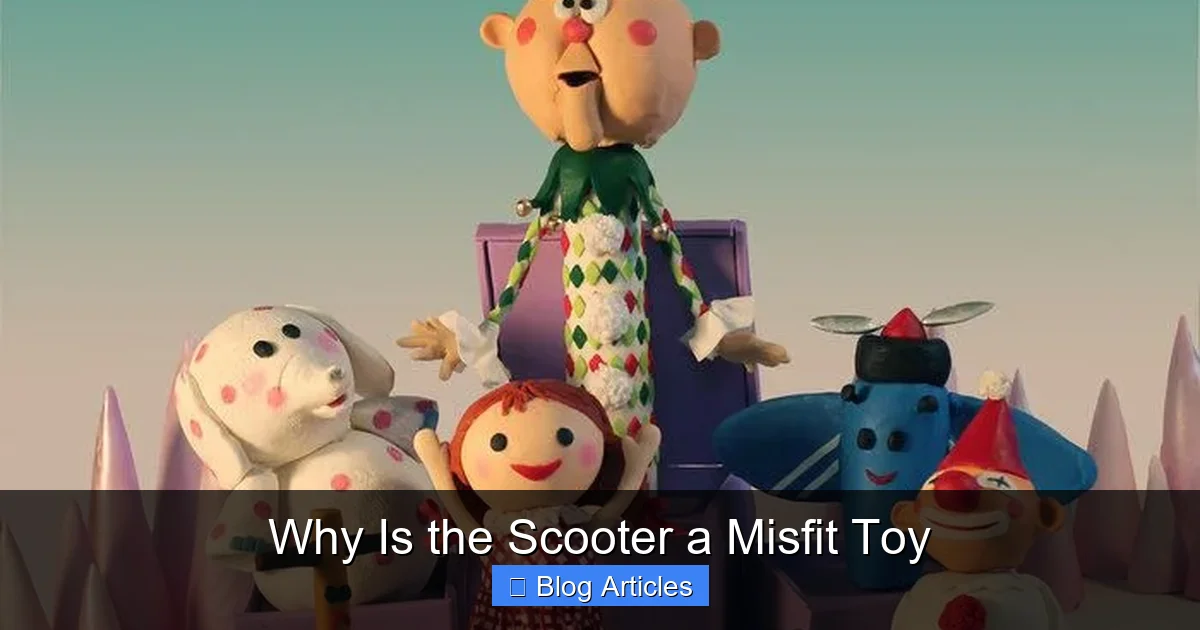
Visual guide about Why Is the Scooter a Misfit Toy
Image source: i.pinimg.com
The Era of the Sidewalk Ban
In the late 20th and early 21st centuries, scooters were often banned from schools and parks. They were viewed as nuisances—too fast for the sidewalk, too slow for the road, and too unpredictable for the playground. This exclusion helped define the scooter as an outsider. When you spend decades being told you aren’t welcome in established spaces, you eventually accept your role as the “misfit” of the neighborhood.
Safety Concerns and Misunderstandings
For many years, parents viewed scooters as significantly more dangerous than bikes. The small wheels and the standing-up posture made people feel unstable. While technology has drastically improved by 2026 with better suspension and braking systems, the historical fear remains. This anxiety contributed to the scooter being pushed into the category of “toys to be supervised” rather than “vehicles to be trusted.”
The 2026 Technological Evolution
By 2026, the world of micro-mobility has exploded. We are seeing scooters equipped with AI-assisted navigation, regenerative braking, and long-range batteries. Despite these massive technological leaps, the “toy” label is harder to shake than ever.
This is because the design of the scooter hasn’t changed its fundamental look, even if its guts have been overhauled. It still looks like the thing a kid rides, which creates a cognitive dissonance for the public.
The Electric Shift
The rise of electric motors turned the scooter into a powerhouse. You can now get to work in record time without breaking a sweat. Yet, because the form factor remains a flat deck with a vertical stem, it still screams “playground” to the subconscious mind. This is why is the scooter a misfit toy; it is a high-tech wolf in a child-like sheep’s clothing. The internal reality is professional, but the external image is still associated with recess.
Integration into City Planning
Cities across the globe are finally building lanes for scooters. They are acknowledging that these are not just toys, but legitimate transport. However, this transition is slow. When you ride a scooter in a designated bike lane, you are often met with confusion by other commuters. You are the outlier, the misfit of the road. You are a reminder that the world is changing, and some people aren’t quite ready to categorize the scooter as a serious vehicle yet.
The Social Stigma and the “Cool” Factor
There is an intangible social layer to why is the scooter a misfit toy. For teenagers and young adults, image is everything. For a long time, the scooter wasn’t considered “cool.” If you weren’t on a skateboard or a BMX bike, you were an anomaly. In 2026, we are seeing a shift, but the stigma persists in certain social circles. Being seen on a scooter is often treated as a quirk rather than a fashion statement, which keeps the device in its outcast status.
The Pop Culture Representation
Whenever you see a movie or television show featuring a character on a scooter, it is usually played for laughs. It is used to show that a character is clumsy, uncool, or childish. These media portrayals reinforce the idea that the scooter doesn’t belong in the “serious” world. It is the prop that tells the audience, “this character is not a hero,” which creates a lasting bias against the machine itself.
The “Adult-Child” Paradox
The most fascinating aspect of this misfit status is how the device bridges the gap between generations. When an adult uses a scooter, they are often teased for “reliving their childhood.” This is unique to the scooter. If an adult buys a Lego set or a video game console, we call it a hobby. If they ride a scooter, we call it weird. The scooter forces us to confront our own rigid definitions of what an adult is allowed to enjoy.
Practical Tips for the Modern Scooterist
If you are tired of the scooter being called a misfit toy, the best thing you can do is embrace the utility. By 2026, the benefits of scooter travel are undeniable. It saves time, it saves money, and it is better for the planet. To reclaim the scooter from its “toy” label, it helps to treat it with the respect you would show any other vehicle. Here are some ways to change the narrative.
Invest in Safety Gear
Stop looking like you are playing a game. Wear a professional helmet, use bright signaling lights, and invest in a high-quality, weather-resistant scooter. When you dress and prepare like a commuter, you are perceived as one. The “misfit” label often stems from the informal way people treat their scooters. Change your approach, and the perception of the public will eventually follow.
Maintenance Matters
A toy is something you discard when it breaks. A vehicle is something you maintain. If you want to stop being a “toy owner,” become a vehicle owner. Keep your deck clean, check your tire pressure regularly, and ensure your battery is in top shape. People notice when you care for your equipment. It is harder to call something a toy when it is being maintained with the precision of a high-end bicycle or motorcycle.
Educate Your Community
Be a good ambassador for the scooter. Follow traffic laws, yield to pedestrians, and be predictable in your movements. Many people dislike scooters because of “bad actors” who weave through crowds or park in the middle of sidewalks. By being a respectful rider, you help strip away the “misfit” connotation and prove that the scooter is a responsible, mature mode of transit.
Conclusion: The Future of the Scooter
So, why is the scooter a misfit toy? Because it refuses to stay within the lines we have drawn. It is a chameleon that shifts between work and play, child and adult, toy and tool. Its misfit status is not a flaw; it is its greatest strength.
As we look ahead, the scooter is positioned to become the most versatile item in our daily lives. It might never fully fit into the categories we established in the 20th century, but that is perfectly fine.
By 2026, the “misfit” label is beginning to fade, replaced by a growing respect for efficiency. The scooter represents a world where we prioritize function and fun equally. It doesn’t need to be a toy to be played with, and it doesn’t need to be a car to be useful.
It is the bridge between our need for movement and our desire for joy. Next time someone calls your scooter a misfit toy, just smile. You know something they don’t: you are riding the future, and it is a ride that doesn’t care about labels.
Frequently Asked Questions
Is the scooter actually considered a toy?
Legally and culturally, the classification varies. While many smaller models are sold as toys in retail stores, high-end electric models are increasingly classified as personal mobility devices by local transport authorities.
Why do people think scooters are for kids?
The scooter’s history as a popular childhood gift created a strong association between the device and youth. This mental link persists despite the emergence of advanced adult-oriented electric scooters.
Is it safe to use a scooter for commuting in 2026?
Yes, modern scooters are equipped with superior braking, LED lighting, and suspension systems. When used with proper safety gear and in designated lanes, they are a safe and efficient commute option.
How can I make my scooter look more professional?
To move away from the “toy” look, focus on functional aesthetics. Add reliable lights, use high-quality safety gear, and keep your scooter clean and well-maintained to signify it is a serious vehicle.
Are there laws against riding scooters?
Laws vary by city and country. In some places, they are restricted to bike lanes, while in others, they may be banned from sidewalks to protect pedestrians; always check your local 2026 regulations.
Why is the scooter better than a bike?
Portability is the biggest advantage. A scooter can be folded and stored under a desk or in a small closet, whereas a bike requires significantly more space and security infrastructure.