Enrich your bird’s life without breaking the bank by crafting fun, engaging playthings from everyday objects. Our guide teaches you how to make bird toys out of household items safely, ensuring your pet stays mentally sharp and physically active while you save money.
If you share your home with a bird, you know that these intelligent creatures are constantly looking for something to do. Just like human children, our feathered companions can get bored quickly if they do not have enough stimulation. A bored bird can lead to stressful behaviors like feather plucking or excessive screaming.
The good news is that you do not need to spend a fortune at the local pet store to keep your companion entertained. You can learn how to make bird toys out of household items easily. Many of the materials you already have sitting in your recycling bin or junk drawer are perfect for creating custom enrichment projects.
By turning everyday objects into puzzles and playthings, you provide your bird with the mental exercise they crave while being eco-friendly and budget-conscious. Let’s dive into the world of DIY bird enrichment.
Key Takeaways
- Safety First: Always inspect materials for toxic glues, sharp edges, or loose strings that could entangle your pet.
- Natural Materials: Prioritize untreated cardboard, clean paper, and sisal rope over plastic or dyed fabrics.
- Foraging Fun: Use common kitchen items like muffin tins or paper cups to hide treats and encourage natural instincts.
- Regular Rotation: Change your DIY bird toys frequently to keep your pet curious and prevent boredom.
- Supervised Play: Always monitor your bird during their first interaction with a new homemade toy to ensure they play safely.
The Basics of Safe DIY Bird Toy Construction
Before we grab the scissors and tape, we must talk about safety. Because birds explore the world with their beaks, everything they touch must be non-toxic and structurally sound. Learning how to make bird toys out of household items requires a shift in how you view your trash. You are not just recycling; you are building an enrichment tool.
Avoiding Toxic Materials
The most important rule in crafting for birds is to avoid anything that could make them sick. Steer clear of items that have been treated with harsh chemicals. For example, do not use cardboard boxes that held household cleaners or chemical sprays.
Avoid anything with lead paint, shiny metallic finishes that might contain zinc, or strong-smelling adhesives. If an item has sticky tape or glue on it, remove that part entirely before giving it to your bird.
Checking for Physical Hazards
Birds are delicate, so you need to watch out for sharp edges and choking hazards. If you are using plastic bottle caps, make sure they are not small enough to be swallowed. If you are using cardboard tubes from paper towels, ensure the inner cardboard is clean and free of heavy dyes.
Always check for loose threads. Long strings are a major danger because they can get wrapped around a bird’s leg or toe, leading to serious injury. Stick to thick materials that your bird can chew safely without creating long, dangerous loops.
Cardboard Creations: The Ultimate Resource
Cardboard is the undisputed king of DIY bird toys. Most households have an endless supply of delivery boxes, toilet paper rolls, and egg cartons. Because these materials are inexpensive and easy to manipulate, they are perfect for beginners learning how to make bird toys out of household items.
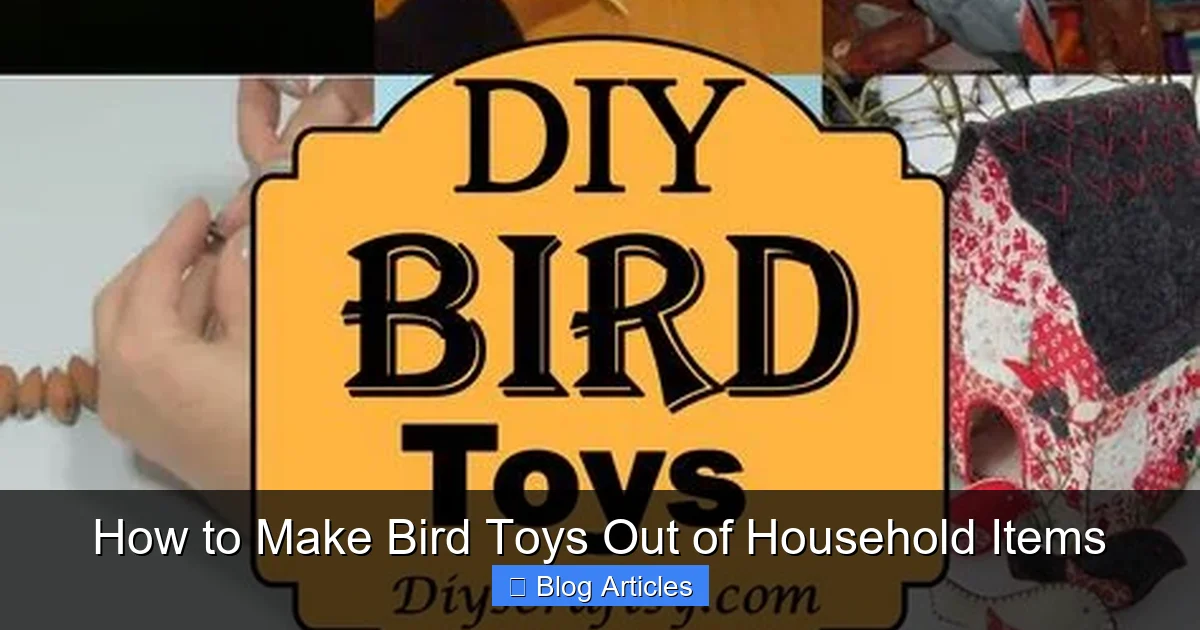
Visual guide about How to Make Bird Toys Out of Household Items
Image source: i.pinimg.com
The Classic Foraging Tube
To make a simple foraging tube, take an empty toilet paper roll and fold the ends inward to close them. You can poke a few small holes in the sides of the tube. Place a few favorite seeds or small nuts inside. Your bird will have to manipulate the roll, chew on the edges, and work to get the treats out. This mimics the way birds forage in the wild, which is a fantastic way to keep their brains sharp.
Cardboard Box Forts
If you have a larger bird, a small shipping box can become a dream house. Cut a few holes in the sides to act as windows and doors. You can hang the box from the top of the cage using a safe, untreated sisal rope. Your bird will love climbing on top, hiding inside, and chewing the edges of the box. It provides a sense of security and a fun place to play.
Transforming Paper and Egg Cartons
Paper and egg cartons are excellent for smaller birds like budgies, cockatiels, and parrotlets. These materials are soft enough for small beaks to tear apart, providing tactile satisfaction. Learning how to make bird toys out of household items using these soft textures is one of the easiest ways to keep your pet busy during the day.
The Egg Carton Treasure Hunt
Take an empty, clean cardboard egg carton. Place a small treat in each of the cups. You can then place a crumpled piece of paper or a small square of cardboard on top of each cup to act as a lid. Your bird will have to lift the lid or tear through the top to reach the reward. It is a simple but highly effective puzzle that engages their problem-solving skills.
Paper Chain Links
If you have some thick craft paper or plain, unprinted newspaper, you can cut them into strips and create chains. While you must be careful with long loops, you can make short, thick chains that your bird can hold with their foot and pull apart.
The act of shredding paper is a natural behavior for parrots, and providing them with a safe, designated “shredding zone” can save your books and important documents from getting destroyed.
Kitchen Item Puzzles
Your kitchen is full of items that can be repurposed into complex puzzles. When you look at your kitchen storage, start thinking about shapes and textures. Learning how to make bird toys out of household items often involves raiding your utensil drawer for safe, plastic items that are easy to wash and reuse.
Muffin Tin Fun
A metal muffin tin is a classic foraging toy. Place treats in the holes and cover them with something heavy, like a large wooden block or a plastic cup. Your bird will need to learn how to nudge the object aside or pick it up to get to the prize underneath. Metal tins are durable, easy to clean, and provide a fun metallic sound when your bird moves them around.
Plastic Bottle Challenges
An empty, clean water bottle can be a great toy if used correctly. Remove the plastic label and the plastic ring around the neck, as these can be choking hazards. You can put a few small, dry pasta shapes or wooden beads inside the bottle to make a rattle.
Your bird will enjoy the noise. Just make sure the opening of the bottle is wide enough so your bird cannot get their head stuck, or simply use it as a foot toy rather than a head-in toy.
The Importance of Rotating Your Toys
One of the biggest mistakes bird owners make is leaving the same toys in the cage for weeks on end. Even the best homemade toy will lose its appeal if it is always there. To keep your bird engaged, you need a rotation system. Learning how to make bird toys out of household items means you can always have a fresh supply ready to go.
Keeping Boredom at Bay
Birds are highly social and intelligent creatures. They crave novelty. By rotating toys every three to four days, you keep your bird’s environment feeling fresh and exciting. When you take a toy out, wash it, inspect it for damage, and store it away for a while.
When you reintroduce it a week later, it will feel like a brand-new gift to your bird. This simple cycle prevents “cage staleness” and encourages your bird to explore their surroundings constantly.
Assessing Toy Longevity
Some DIY toys are designed to be destroyed that is the whole point of a shredding toy! Others, like a sturdy plastic bottle or a metal tin, will last much longer. As you learn how to make bird toys out of household items, you will start to recognize which items are meant for short-term shredding and which are meant for long-term play. Keep a “toy box” specifically for your bird’s supplies so you can easily organize and cycle through your creations.
Final Thoughts on Enrichment
Giving your bird a happy, fulfilling life does not require a big budget or expensive specialty items. By looking at your home through the eyes of your bird, you can turn cardboard, paper, and kitchen tools into incredible sources of joy.
As you practice how to make bird toys out of household items, you will find that the best part is the bond you build with your pet while watching them solve the little puzzles you create. Always prioritize safety, observe how your bird interacts with the new items, and don’t be afraid to experiment with new designs. Your bird will appreciate the variety, the mental stimulation, and the extra attention.
Start small, stay creative, and enjoy the process of turning your trash into your bird’s favorite treasure. A happy bird makes for a happy home, and with these simple DIY projects, you are well on your way to providing the best life possible for your feathered friend.
Frequently Asked Questions
Is it safe to use toilet paper rolls for bird toys?
Yes, but only if they are made of plain, unbleached cardboard without any leftover glue residue. Ensure the roll is completely clean and discard it immediately once it becomes soiled or overly soggy.
How can I tell if a household item is toxic to my bird?
Avoid anything with strong chemical smells, lead-based paints, or items coated in zinc or rust. If you are unsure about the safety of an item, it is better to err on the side of caution and skip it.
Are plastic bottle caps dangerous for birds?
Bottle caps are generally safe as foot toys for larger birds, but they pose a choking risk for smaller species. Always supervise your bird during their first few interactions with a new item to ensure they are playing safely.
What is the best way to clean homemade bird toys?
Most non-porous household items like plastic cups or metal tins can be washed with hot, soapy water and rinsed thoroughly. For cardboard or paper items, it is best to simply replace them when they get dirty or worn out.
Can I use string or yarn in my DIY toys?
It is generally best to avoid thin strings, yarn, or thread because they can easily wrap around a bird’s toes or neck. If you must use a binding material, opt for thick, untreated sisal or hemp rope that is securely knotted.
How often should I introduce a new homemade toy?
Introducing one or two new toys per week is a great way to keep your bird curious and engaged. Remember to remove old or damaged toys during each rotation to keep the cage environment clean and safe.