Building your own toy boat is a timeless way to spark creativity and enjoy simple engineering. Whether you are using scraps from around the house or crafting a detailed wooden vessel, this guide provides everything you need to know to get your boat floating smoothly on the water.
There is something truly magical about watching a boat you built with your own hands glide across the water. In 2026, we often get caught up in digital screens and fast-paced tech, but the simple joy of craftsmanship remains unmatched.
Learning how to make a toy boat is a classic project that bridges the gap between science, art, and pure, old-fashioned fun. It is a fantastic way to spend a Saturday afternoon, whether you are building it with a friend, a child, or simply for your own enjoyment.
The beauty of this project lies in its versatility. You do not need a professional workshop or expensive supplies. Many of the best toy boats are born from the recycling bin. With a few basic tools, a bit of imagination, and our step-by-step guide, you will be launching your very own fleet in no time. Let’s dive into the world of miniature naval engineering and get your vessel ready for its maiden voyage.
Key Takeaways
- Material Choice Matters: Always pick waterproof or treated materials to ensure your toy boat stays afloat longer.
- Center of Gravity: Keep your weights low in the hull to prevent the boat from tipping over during its voyage.
- Eco-Friendly Fun: Recycling household items like milk cartons and plastic bottles is a great way to build a boat while helping the planet.
- Sealing is Essential: Use non-toxic waterproof glues or wax to seal joints, ensuring your craft remains watertight.
- Testing Phase: Always perform a “sink or swim” test in a small bucket before heading to a lake or pond.
- Creative Customization: Use flags, sails, and paint to give your boat personality and flair.
Choosing Your Materials and Design
Before you start gluing and cutting, take a moment to consider what kind of boat you want to create. Your choice of materials will dictate how your boat performs and how long it lasts. By 2026, we have access to some incredible eco-friendly adhesives and materials, but sticking to basics often yields the best results.
The Recycled Route
If you are looking for an accessible way to learn how to make a toy boat, start with your recycling bin. Plastic water bottles, milk cartons, and old corks are perfect starting points. Plastic is naturally buoyant and waterproof, which saves you the trouble of extensive sealing.
A simple water bottle raft can be turned into a sleek catamaran with just a little tape and a pair of scissors. Remember, the goal here is to keep it light so it sits well on the surface of the water.
The Classic Wooden Build
For those who want something a bit more traditional, wood is the gold standard. Balsa wood is incredibly lightweight and easy to carve, making it perfect for beginners. If you choose cedar or pine, keep in mind that you will need to sand it down thoroughly and apply a water-resistant finish. A wooden boat feels substantial and looks beautiful, making it a great heirloom project to share with younger family members.
Essential Tools You Will Need
You don’t need a massive toolbox to get the job done. A standard set of tools includes:
- A sharp craft knife or scissors for cutting.
- Waterproof wood glue or a hot glue gun for assembly.
- Sandpaper to smooth out rough edges.
- Paints or markers for personalizing your boat.
- Twine or string if you plan to add a sail.
Step-by-Step: The Plastic Bottle Catamaran
If you want to know how to make a toy boat quickly, this is your best bet. A catamaran uses two hulls, which makes it exceptionally stable. It is almost impossible to tip over, making it the perfect choice for younger children or beginner hobbyists.
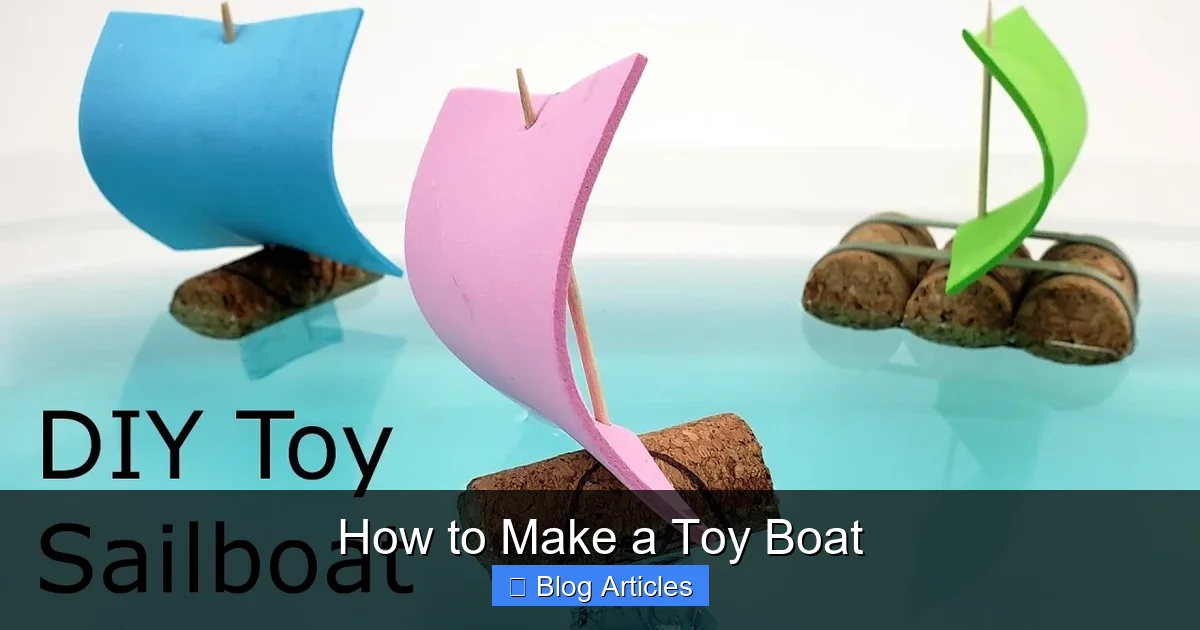
Visual guide about How to Make a Toy Boat
Image source: i.ytimg.com
Preparing the Hulls
Start by finding two identical plastic water bottles. Make sure they are empty, clean, and dry. Leave the caps on tightly—this traps air inside, which is exactly what keeps your boat afloat. These two bottles will serve as your pontoons. Place them side-by-side, ensuring they are perfectly parallel.
Building the Deck
To connect the hulls, you need a lightweight platform. A piece of stiff cardboard or a thin wooden board works perfectly. Place your bottles on the flat surface and measure the distance between them. Secure the deck to the top of the bottles using waterproof tape or a strong adhesive. Once the glue is dry, give it a firm tug to ensure it is sturdy enough to withstand the “waves” of a backyard pool or a local creek.
Adding a Mast and Sail
Every boat needs a sail! Use a wooden skewer as your mast. Poke it carefully through the center of your deck platform. For the sail, use a piece of colorful fabric or even a sturdy plastic grocery bag. Cut it into a triangle, poke two small holes in the fabric, and slide it onto the skewer. Now your boat is ready to catch the breeze.
Mastering the Art of Floating
Even the best-looking boat is useless if it spends more time upside down than right-side up. This section covers the physics of buoyancy and how to ensure your vessel stays upright.
The Importance of Ballast
If your boat keeps tipping, it is usually because it is top-heavy. In the maritime world, the secret is ballast added weight at the very bottom of the hull. You can add a few metal washers or small stones to the floor of your boat. Be careful, though; if you add too much, your boat will sink. Start with a very small amount of weight and test it in a sink before adding more.
Achieving Proper Balance
Balance is just as important as buoyancy. When you look at your boat from the back, the weight should be evenly distributed from left to right. If your mast is leaning too far to one side, it will pull the boat over. Use a level or just your eyes to make sure everything is centered. If you find your boat is listing, move your mast slightly toward the opposite side to counterbalance it.
Finishing Touches and Customization
Learning how to make a toy boat is not just about functionality; it is about self-expression. Once your boat is seaworthy, it is time to make it look the part. This is the stage where your project truly comes to life.
Waterproofing Your Masterpiece
If you are using wood, you must protect it from the water. Even if the wood is buoyant, it will eventually soak up water and become heavy. Apply a thin layer of waterproof varnish or beeswax to the hull. This creates a barrier that prevents the wood from warping. For plastic boats, you can use vinyl stickers to cover any ugly tape lines and give the hull a sleek, professional look.
Painting and Naming
Use acrylic paints for your design. They are water-resistant once dry and provide vibrant colors. Consider painting a name on the stern—it is a nautical tradition that adds a lot of character. Whether you choose a classic name or something silly, it gives your boat a sense of identity. Finally, add a small flag at the top of the mast to complete the look.
Safety and Environmental Considerations
When you head out to test your boat, keep safety in mind. Even in 2026, the best advice remains the same: keep your distance from busy areas and always respect the water.
Where to Sail Your Boat
Small toy boats are best suited for calm waters. A backyard swimming pool, a garden pond, or a shallow bathtub are perfect. Avoid large rivers or areas with strong currents, as you might lose your creation. If you are testing in a public park, ensure you have a way to retrieve the boat if it drifts away from the shore, such as a long piece of string attached to the stern.
Keeping Nature Clean
Always retrieve your boat after you are done. Plastic and synthetic materials can be harmful to wildlife if they are left behind. By being a responsible boat captain, you ensure that the water stays clean for everyone else to enjoy. If you choose to use natural materials like twigs, dried leaves, or pinecones, you are building a boat that is biodegradable, which is a fantastic choice for the environment.
Conclusion
Knowing how to make a toy boat is a skill that lasts a lifetime. It teaches you the basics of design, the importance of patience, and the joy of creating something with your own two hands. You do not need to be an engineer or an artist to succeed; you just need a bit of curiosity and the willingness to try.
So, gather your materials, clear off your kitchen table, and start building. Whether your final creation is a sturdy plastic catamaran or a delicate wooden sailboat, the true reward is seeing it catch the wind and head out into the unknown. We hope this guide has inspired you to get creative and maybe even start a tradition of boat building in your own home. Happy sailing!
Frequently Asked Questions
What is the best material for a beginner boat?
The best material for a beginner is a plastic bottle because it is naturally buoyant and requires very little maintenance. You can easily cut it, decorate it, and it won’t waterlog like cardboard or unfinished wood.
How do I keep my boat from tipping over?
To prevent tipping, you need to lower the center of gravity by adding a small amount of weight, like metal washers, to the bottom of the hull. This acts as a ballast to keep the boat stable in the water.
Can I use paper to build a boat?
You can use paper for short-term fun, but it will eventually absorb water and sink. If you want to use paper, coat it thoroughly in wax or waterproof spray to extend its life.
How do I make a mast for my boat?
A wooden skewer or a sturdy straw makes an excellent mast. You can secure it to the deck using a blob of hot glue or by poking it through a hole and anchoring it on the underside of the deck.
What type of glue works best for these projects?
Waterproof wood glue or high-quality hot glue are best for most toy boats. For plastic, hot glue works well, but be careful not to melt the material by holding the tip of the gun against the plastic for too long.
Is it okay to use my boat in a public lake?
Yes, but always keep your boat tethered to a string so you can pull it back to shore. Avoid areas with heavy boat traffic or strong winds that could carry your toy boat away.