
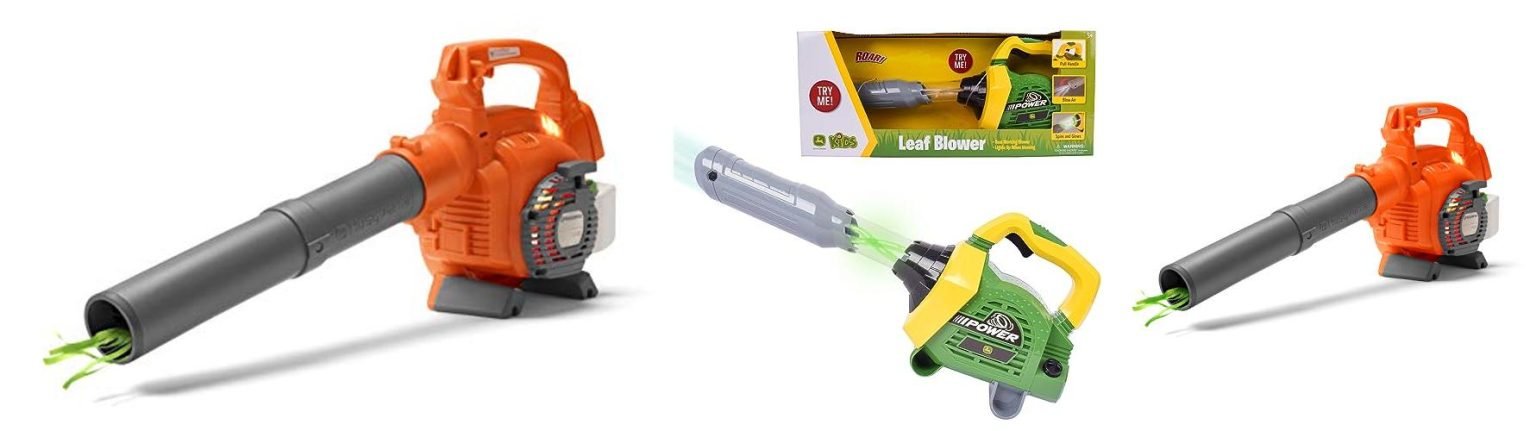
A leaf blower that blows weak air in a U.S. yard usually has a blocked air intake, clogged tube, dirty filter, low battery, poor fuel flow, or a damaged fan. Start with the safe checks: remove the battery or unplug the blower, clear the tube and intake, inspect the nozzle, and check the power source. If the motor still runs slowly after these checks, it may need service.
Weak airflow does not always mean the motor is failing. A blower creates air by pulling air through an intake and pushing it through a fan and tube. A small blockage, loose part, or power problem can reduce the air that reaches the nozzle.
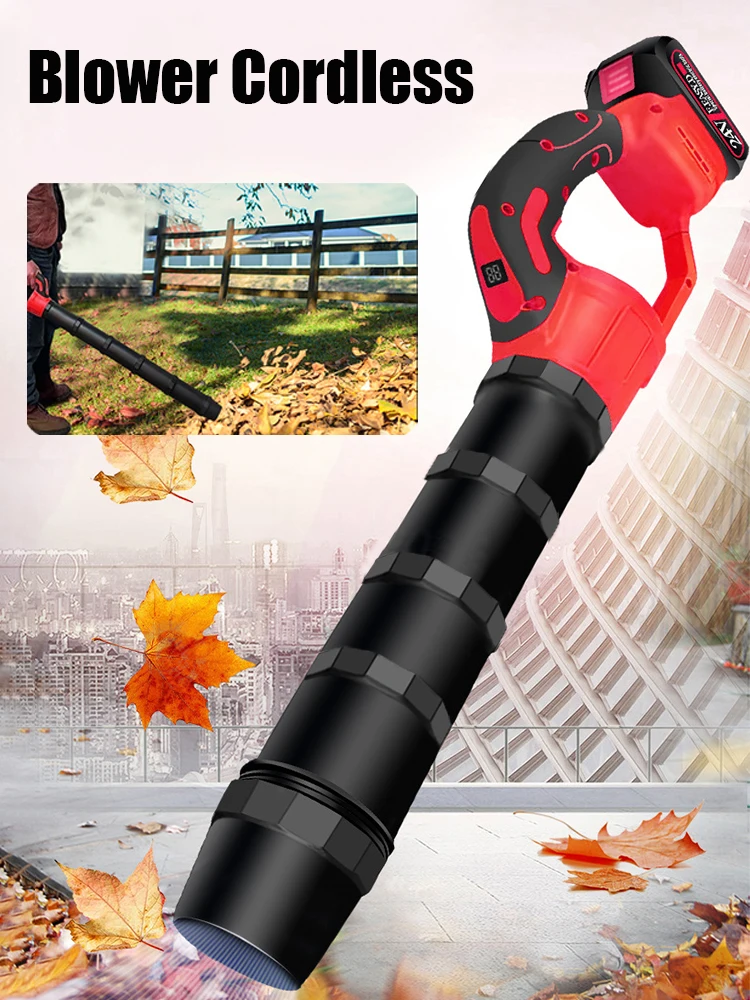
Quick diagnosis: what weak airflow tells you
The sound and behavior of the blower can help narrow down the cause.
| What you notice | Most likely causes | First check |
|---|---|---|
| Motor will not start | Dead battery, bad outlet, safety switch, ignition, or fuel issue | Power source and controls |
| Motor runs, but air is very weak | Blocked tube, clogged intake, dirty filter, or low power | Tube, intake, and battery or fuel |
| Air starts strong, then fades | Overheating, blocked intake, weak battery, or fuel starvation | Cooling vents and power source |
| Motor sounds normal, but air is weak | Loose tube, missing nozzle, cracked housing, or damaged fan | Tube and housing |
| Motor surges or sputters | Dirty air filter, stale fuel, blocked fuel system, or spark issue | Fuel and air filter |
| Strong air comes from the housing but not the nozzle | Plugged tube, nozzle, or wrong tube assembly | Remove and inspect the tube |
| Loud rattling or grinding | Debris in the fan, loose fastener, or damaged impeller | Stop use and inspect only when disconnected |
The key distinction is whether the motor is weak or whether the air path is blocked. If the engine or electric motor sounds fast and steady, look for a restriction or damaged air-moving parts. If the motor sounds slow, uneven, or strained, check power, fuel, and the motor system.
Safety steps before troubleshooting
Disconnect the blower before placing your hands near the fan, intake, or tube. For a cordless model, remove the battery. For a corded model, unplug it. For a gas model, turn it off, let it cool, and follow the owner’s manual before working near the spark plug or fan.
Wear eye protection when clearing debris. Small stones, mulch, and dry leaves can become projectiles when the blower starts. Never test a gas blower indoors, inside a garage, or near an open door or window because carbon monoxide can build up quickly.
Do not bypass a safety switch or run the blower with a missing guard. If the fan is cracked, the housing is damaged, or the motor smells burnt, stop using the machine and arrange qualified repair.

1. Clear the blower tube and nozzle
A blocked tube is one of the most common reasons a leaf blower has weak air. Wet leaves, pine needles, grass, and small sticks can lodge where the tube narrows or where the nozzle attaches.
Follow these steps:
- Shut the blower off and disconnect its power source.
- Remove the nozzle and blower tube if the design allows.
- Look through the tube toward a bright light.
- Remove packed debris with your hand only when the machine is disconnected.
- Check the nozzle opening for mud, leaves, and hardened dirt.
- Reinstall every tube section until it locks firmly.
Do not use a metal rod that can damage the tube or fan. Do not insert your hand into the fan housing. If debris is stuck near the fan, use the cleaning method in the owner’s manual.
A loose tube can also reduce airflow. Some blowers use twist-lock tubes, while others use clips or screws. A tube that is not fully seated can leak air before it reaches the nozzle.
Check for the correct nozzle
A wide opening spreads air over a larger area but may feel less forceful. A narrow nozzle concentrates air and often feels stronger. This does not mean a narrow nozzle always produces more total air. It changes the speed and direction of the air stream.
Use the nozzle supplied or approved for your model. An incorrect tube or nozzle may fit loosely, restrict flow, or change the blower’s performance.

2. Inspect the air intake and fan area
The intake must pull in enough air for the blower to work. Leaves, dust, grass, and plastic bags can cover the intake screen. This reduces airflow and may make the motor run hot.
With the blower disconnected:
- Brush loose debris away from the intake.
- Check both sides of the intake guard.
- Look for packed dust between the guard and fan.
- Inspect the housing for cracks or gaps.
- Confirm that no protective screen is bent into the fan.
Do not wash an electric motor or battery compartment. Use a soft brush or dry cloth unless the manual permits another method. Compressed air can push dirt deeper into bearings, switches, or electronics, so use it carefully.
A partially blocked intake can cause a blower to start normally and then lose power. As the motor heats up, some machines reduce output or shut down to protect the motor. Let the unit cool before testing it again.
If the fan makes a scraping, rattling, or grinding sound, stop. A stone or stick may have damaged the impeller. Continued use can turn a small obstruction into a larger motor or housing repair.

3. Check the battery, charger, or extension cord
A cordless leaf blower may blow weak air when the battery is low, cold, damaged, or not fully connected. Some models also reduce output in an energy-saving mode or when the battery protection system limits current.
Try the following:
- Remove and reinstall the battery.
- Charge it with the correct charger.
- Test with a charged battery approved for the blower.
- Check the battery contacts for dirt or damage.
- Confirm that the turbo or high-speed setting is active.
- Let a very hot or very cold battery return to room temperature before use.
Do not use a battery that is swollen, cracked, leaking, or unusually hot. Place it away from flammable materials and follow the battery maker’s disposal or service instructions.
For a corded blower, a long, light-duty extension cord can cause voltage drop. The result may be a motor that runs below its normal speed. Use the cord type, length, and wire size listed in the owner’s manual. A damaged cord, loose plug, warm receptacle, or tripped breaker needs attention before further testing.
Never connect a corded blower to a wet outlet. Use outdoor-rated equipment and ground-fault protection where required by local electrical rules.
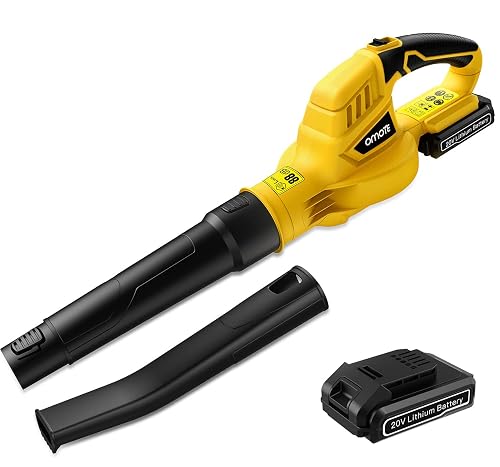
4. Check the gas blower’s fuel and air supply
A gas-powered blower can lose power when fuel is old, contaminated, or mixed incorrectly. Fuel problems often cause surging, sputtering, hard starting, or a motor that cannot reach full speed.
Before checking fuel, read the manual for the exact fuel and oil requirements. Two-cycle and four-cycle engines do not use the same fuel system. Use the fuel type and mix ratio specified for your model.
Common fuel-related causes include:
- Old gasoline or fuel that has absorbed moisture
- An incorrect two-cycle oil mixture
- A blocked fuel cap vent
- A clogged fuel filter
- A dirty carburetor
- A cracked fuel line
- Too much fuel in the engine
The U.S. Environmental Protection Agency advises following the engine manufacturer’s fuel guidance for outdoor power equipment. Fuel can deteriorate during storage, especially when exposed to heat, air, or moisture. Store fuel in an approved container and follow local rules for disposal.
Do not drain or service fuel near flames, pilot lights, cigarettes, or hot surfaces. Work outdoors in a well-ventilated place. If fuel leaks, stop using the blower until the leak is repaired.
If fresh, correctly prepared fuel does not restore full engine speed, the carburetor, fuel filter, or fuel line may need cleaning or replacement. Many manufacturers advise having this work done by an authorized service provider, especially when the repair involves fuel or emissions parts.

5. Clean or replace the air filter
A dirty air filter limits the air entering a gas engine. The engine may start and idle but fail to reach full speed when you squeeze the throttle. It may also smoke, sputter, or sound muffled.
Remove the filter only after the blower is off and cool. Inspect it for:
- Thick dust or sawdust
- Oil or fuel saturation
- Tears or missing foam
- A collapsed or distorted shape
- A poor seal around the filter housing
Clean or replace the filter exactly as the manual directs. Some foam filters can be washed and lightly oiled. Some paper filters should be replaced rather than washed. Do not run the engine without the filter unless the manufacturer specifically allows a brief service test.
A filter that looks only slightly dirty can still restrict a small engine. If the blower works better for a short time after cleaning but loses power again, inspect the intake path and filter housing for a larger dust problem.

6. Inspect the tube, housing, and fan for damage
If the tube is clear and the motor reaches normal speed, physical damage may be reducing airflow. A cracked tube, loose housing, missing seal, or damaged impeller can prevent the blower from moving air efficiently.
Inspect the blower for:
- Cracks around the fan housing
- A loose tube connection
- A missing gasket or seal
- A bent intake guard
- Broken fan blades
- Signs that a stone passed through the fan
- Melted plastic near the motor
- Screws or clips that are missing
Do not glue a cracked fan housing as a permanent repair. The housing helps contain fast-moving parts and must remain strong. Replacement parts should match the exact model and revision.
A damaged impeller may still spin, but it will not move air as designed. It can also create an imbalance that damages bearings or the motor. Grinding, vibration, or a sudden change in sound is a reason to stop using the blower.

7. Confirm the operating mode and controls
Some battery and gas blowers have several controls that affect output. A variable-speed trigger, cruise control, turbo button, eco mode, or power selector may limit airflow if set incorrectly.
Check that:
- The trigger is fully engaged.
- The speed setting is not in low or eco mode.
- The turbo control is not disabled by a control lock.
- The tube is installed in the correct order.
- The air-intake cover is fully closed and secure.
- The battery is the correct voltage for the model.
Do not assume that every battery from the same brand is compatible. Voltage, connector design, software limits, and battery platform can differ. Use only the battery specified by the blower manufacturer.
If the blower has a display or warning light, look up its meaning in the manual. A temperature, overload, battery, or motor warning can explain weak output even when the blower still runs.

8. Test the blower after each repair
Test one change at a time so you can identify the cause. Use a clear outdoor area with no people, pets, loose gravel, or objects that could become airborne.
A useful test sequence is:
- Run the blower briefly with the tube cleared.
- Confirm that the motor reaches a steady sound.
- Test the low setting, then the high setting.
- Check whether airflow stays strong for several minutes.
- Watch for heat, odor, vibration, or unusual noise.
- Stop immediately if the motor surges, smokes, or grinds.
Do not judge power only by how the air feels on your hand. A hand test is not a precise measurement and can be misleading. For a more useful comparison, test the same blower with the same battery or fuel, the same nozzle, and the same type of dry leaves.
Manufacturers may list both air volume, measured in cubic feet per minute (CFM), and air speed, measured in miles per hour (MPH). CFM describes how much air moves. MPH describes how fast the air moves at a stated test point. These numbers are not interchangeable, and actual performance changes with the nozzle and test method.

Common mistakes that make a leaf blower seem weak
Several habits can reduce performance or create a false diagnosis.
Using a wide nozzle for heavy debris
A wide nozzle covers more ground but may not deliver the concentrated stream needed for wet leaves or gravel. Try the approved narrow nozzle when you need more focused force.
Blowing wet or packed leaves
Wet leaves are heavier and often stick to grass. A properly working blower may still struggle with them. Rake or loosen packed material first, then use the blower to move the lighter pieces.
Holding the tube too close to the ground
The nozzle can pull in leaves and block itself when it touches a pile. Keep the tip slightly above the surface and work from the edge of the pile.
Running with a nearly empty battery
Cordless blowers often deliver their best output only while the battery can provide enough current. A tired battery may run the motor but not support high speed.
Using stale fuel
An engine may idle on old fuel but fail under load. Drain and replace fuel only according to the manual and local disposal rules.
Cleaning with water
Water can damage switches, motors, battery contacts, and electronic controls. Use dry cleaning methods unless the manufacturer gives a specific washing procedure.

When should you repair or replace the blower?
Repair is often reasonable when the problem is a clogged tube, dirty filter, loose connection, worn battery, or replaceable nozzle. Professional service is safer when the issue involves the motor, carburetor, fuel leak, wiring, electronics, or damaged fan.
Replacement may make more sense when:
- The motor or control board has failed.
- The battery no longer holds a useful charge and is costly to replace.
- The housing or fan is cracked.
- Parts are unavailable for an older model.
- Repair cost approaches the price of a comparable new blower.
- The blower has repeated overheating or electrical faults.
Check the warranty before opening the motor housing. Keep the model and serial number available when contacting the manufacturer. The owner’s manual is the best source for compatible tubes, batteries, filters, fuel, and service parts.

A simple troubleshooting decision guide
Use this order to avoid unnecessary repairs:
- Disconnect the blower and clear the tube.
- Clean the intake and inspect the nozzle.
- Check the battery, outlet, cord, or fuel.
- Inspect the air filter on gas models.
- Look for cracks, loose parts, and fan damage.
- Test the blower briefly outdoors.
- Stop and seek service if the motor remains weak or sounds abnormal.
If the motor runs at full speed but the nozzle still has poor airflow, suspect a blockage, leak, wrong attachment, or damaged fan. If the motor cannot reach full speed, suspect the battery, cord, fuel, filter, controls, or motor.

Frequently asked questions
Why is my cordless leaf blower weak even with a charged battery?
The battery may be worn, too cold, too hot, poorly seated, or incompatible with the blower. A blocked intake or tube can produce the same symptom. Test the blower with a known-good, fully charged battery approved for that model.
Why does my leaf blower lose power after a few minutes?
Overheating, a blocked intake, a weak battery, or fuel starvation can cause power loss. Let the blower cool, clear the intake, and check whether the problem returns. Repeated overheating needs service.
Can a dirty spark plug make a leaf blower blow weak air?
Yes. On a gas model, a fouled or worn spark plug can prevent the engine from reaching full speed. Use the plug type and gap listed in the manual. Replace it if cleaning does not correct the problem.
Why is my leaf blower loud but not moving much air?
A loud motor with weak airflow often points to a blocked tube, damaged fan, loose housing, or air leak. Disconnect the blower and inspect the complete air path. Stop using it if you hear grinding or strong vibration.
Does a longer blower tube reduce power?
A tube that is longer than the manufacturer’s design can change airflow and reduce performance. A loose, partially blocked, or incorrect tube can have an even larger effect. Use the original or approved attachment for the model.
Should I take a weak leaf blower to a repair shop?
Take it to a qualified repair provider when basic cleaning and power checks do not help, or when you find a fuel leak, electrical damage, overheating, grinding, or a damaged fan. Do not keep operating a machine with a safety-related fault.
Conclusion
The most likely reasons a leaf blower is blowing weak air are a blocked tube, dirty intake, low battery, poor fuel, clogged air filter, wrong attachment, or damaged fan. Disconnect the machine first, clear the air path, check the power source, and then inspect the filter and housing.
If the blower still cannot reach normal speed or makes unusual noise, stop troubleshooting and use qualified service. A small blockage is easy to fix, but continued use with a damaged fan, fuel system, or electrical part can create a larger and less safe problem.