Wrapping a toy without a box doesn’t have to be a stressful puzzle. By using creative folding techniques, soft fabric pouches, or decorative bags, you can turn any oddly shaped gift into a beautifully presented surprise that delights the recipient.
We have all been there. You find the perfect gift, but you realize too late that the item does not come with a box. Maybe it is a soft plush teddy bear, a oddly shaped plastic robot, or a collection of wooden blocks tied together. You stare at your roll of wrapping paper and wonder how on earth you are going to make this look presentable without ending up with a crumpled, taped-up mess. Do not worry; you are not alone in this struggle.
In 2026, we are moving toward more sustainable and creative gift-giving practices. Knowing how to wrap a toy without a box is actually a hidden superpower. It saves you from hunting for perfectly sized cardboard containers and allows you to be much more artistic. Whether you are dealing with a lumpy doll or a long, slender toy sword, you can master the art of the box-less gift. Let us dive into the best ways to make your gifts look like they came straight from a professional boutique.
Key Takeaways
- Embrace the Shape: Use the natural contours of the toy to create a unique presentation rather than forcing it into a square.
- Fabric is Your Friend: Utilize techniques like Furoshiki (Japanese fabric wrapping) for an eco-friendly, reusable, and forgiving wrapping style.
- DIY Gift Bags: Create custom-sized bags out of heavy-duty craft paper or decorative fabric to hide the contents easily.
- The “Cracker” Technique: Roll the toy in paper and twist the ends like a candy wrapper to make gift opening more exciting.
- Add Structural Support: Use cardboard scraps or tissue paper stuffing to protect fragile parts before you wrap a toy without a box.
- Personalize the Topper: Distract from the unconventional shape by adding large bows, greenery, or personalized tags to the top of your gift.
Choosing the Right Materials
Before you start, you need to gather the right supplies. When you wrap a toy without a box, you cannot rely on the structural integrity of cardboard. You need materials that offer flexibility and strength. Think of wrapping paper as the “skin” of the gift—it needs to move with the object.
Flexible Wrapping Paper
Standard metallic or foil-heavy wrapping papers are notoriously difficult to use on awkward shapes. They tear easily at the corners and show every single crease. Instead, opt for high-quality kraft paper or thicker wrapping paper with a fabric-like feel. These materials are much more forgiving when you are trying to wrap a toy without a box.
Fabric Alternatives
Fabric is perhaps the best tool for the job. Because it does not crease or tear like paper, you can wrap almost anything. Scraps of felt, large silk scarves, or even festive tea towels work wonders. Not only does fabric hold up better, but it also creates a soft, luxurious look that feels special to the touch.
The Classic Candy Wrapper Technique
One of the easiest ways to handle a toy with an irregular shape is the “candy wrapper” method. This is perfect for long toys or collections of smaller items that need to be grouped together. It looks festive, and children absolutely love ripping through the ends to see what is inside.
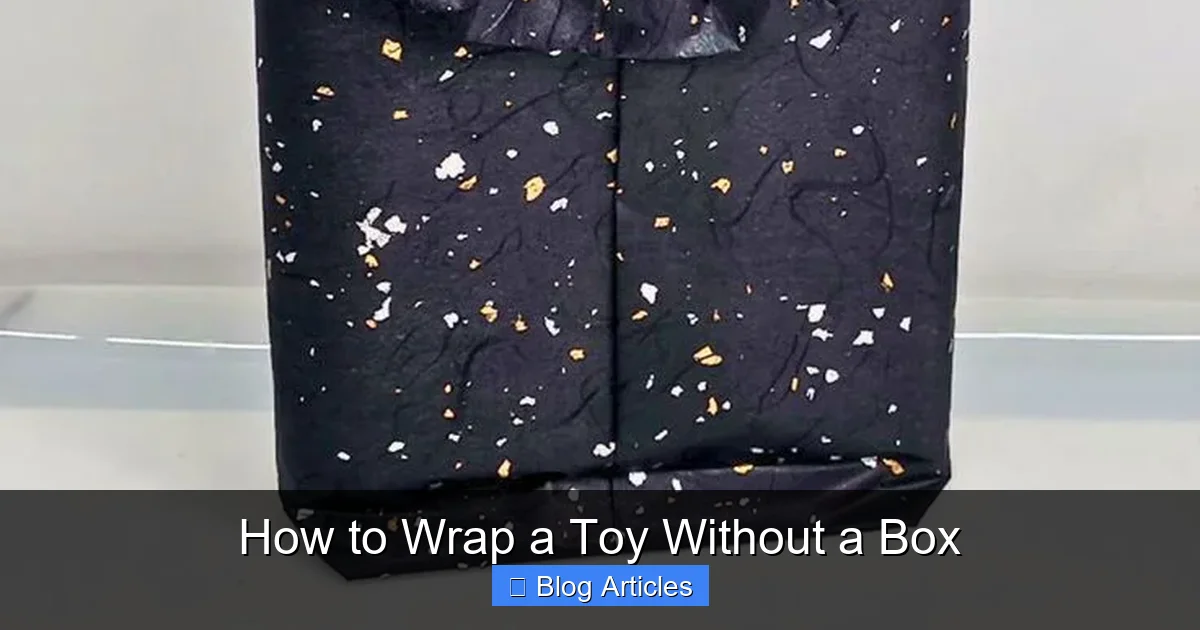
Visual guide about How to Wrap a Toy Without a Box
Image source: i.pinimg.com
How to Execute the Roll
Place your toy in the center of a large piece of wrapping paper. Roll the toy tightly in the paper, creating a tube shape. Secure the seam with a long strip of clear tape or decorative washi tape. Once you have a cylinder, gather the excess paper on both ends. Use a piece of ribbon or twine to tie the ends shut tightly. You can fan out the ends to make them look like the crinkled edges of a candy wrapper. This is a very simple way to wrap a toy without a box while keeping the process stress-free.
Using the Furoshiki Method
If you want to impress your friends and family, look toward Japan. Furoshiki is the ancient art of wrapping gifts in fabric. It is the ultimate solution when you need to wrap a toy without a box because fabric is so much easier to manipulate than stiff paper.
Mastering the Basic Knot
To use this method, place your toy in the center of a square piece of fabric. Pull two opposite corners together and tie them in a double knot over the toy. Take the remaining two corners, pull them up, and tie them over the first knot. You can tuck in any loose fabric to make it look neat. By learning to wrap a toy without a box using fabric, you are also giving the recipient a second gift—the wrapping itself! It is truly the gold standard for eco-friendly gifting in 2026.
Creating a Custom Paper Pouch
Sometimes you need something that looks a bit more structured. If you have a toy that has many small parts or is very uneven, a custom paper pouch is your best bet. Think of this as making your own gift bag that perfectly fits your specific item.
Step-by-Step Construction
Start with a large sheet of thick craft paper. Fold the paper in half to create a sleeve, and tape the long side and the bottom edge. Now you have a simple envelope. Place your toy inside, and then fold down the top opening to close it. You can seal the top with a festive sticker or a decorative clip. This method allows you to wrap a toy without a box while maintaining a clean, professional look that hides the secret of what is inside until the very last second.
Adding Decorative Distractions
When you wrap a toy without a box, the shape might still look a little bit “lumpy.” The secret to professional-looking gifts is knowing how to use decorations to draw the eye away from the lumps and bumps. If the gift looks a bit uneven, use your decorations as the focal point.
The Power of Toppers
Use large bows, sprigs of dried eucalyptus, or even pinecones if you are gifting during the holidays. By placing these items on top of the gift, you create a visual distraction. If people are looking at a beautiful, large satin bow, they are not going to notice that the item underneath is a weirdly shaped action figure. Toppers add elegance and hide the imperfections that often come when you try to wrap a toy without a box.
Essential Tips for Fragile or Heavy Items
Not all toys are simple, soft, or lightweight. If you are dealing with something heavy or something with sharp edges, you need to take extra care. Simply throwing paper over a sharp-edged plastic toy will result in an immediate rip, and then your secret is out!
Use Tissue Paper Padding
Always start by wrapping your toy in a few layers of soft tissue paper. This serves two purposes. First, it adds a layer of protection that prevents sharp edges from poking through the final layer of paper. Second, it helps smooth out the shape of the toy, making the final wrap much easier. If the item is very heavy, consider using a double layer of kraft paper to ensure it does not burst through the bottom. Being prepared with these small steps makes it much easier to wrap a toy without a box, regardless of what the toy actually is.
Wrapping gifts without a box is a skill that gets easier with time. Once you move away from the expectation of perfect, boxy corners, you will find that you have much more freedom to be creative. In 2026, we value the personal touch, and a hand-wrapped, thoughtfully finished gift often means much more than something that was simply shoved into a store-bought bag. Keep these techniques in your back pocket, and you will never fear the “no box” scenario again.
Remember, the goal is to delight the recipient. Whether you choose the fabric knot method or the candy wrapper approach, the effort you put into the presentation will be noticed. Happy wrapping, and may your future gifts be as beautiful as the joy they bring to others.
Frequently Asked Questions
Is it harder to wrap a toy without a box?
It can be a little tricky at first, but once you learn techniques like the candy wrapper or fabric folding, it becomes much faster and more fun. The lack of a box actually gives you more freedom to be creative with your shapes.
What is the best material for wrapping awkward shapes?
Fabric is widely considered the best material because it doesn’t tear like paper and can be easily knotted. If you prefer paper, use a high-quality, thick kraft paper that offers more durability than standard wrapping paper.
How do I prevent the paper from ripping?
To prevent rips, use tissue paper as a protective base layer before applying your final wrapping paper. The tissue paper softens sharp edges and creates a buffer between the toy and the outer wrapping.
Can I reuse materials to wrap a toy?
Absolutely! Reusing scarves, old fabric scraps, or even newspaper is a fantastic, sustainable choice. It adds character to the gift and is perfectly aligned with eco-friendly trends in 2026.
How do I make the gift look neat if it is very lumpy?
Focus on using large, eye-catching toppers like oversized bows or greenery to draw the eye upward. These decorations serve as a focal point and help distract from the uneven shape beneath the paper.
Is it okay to use tape on the toy itself?
It is generally best to avoid putting tape directly on the toy, especially if it has a delicate finish. Always wrap the toy in tissue paper first so the tape only touches the tissue or the outer layer of paper.