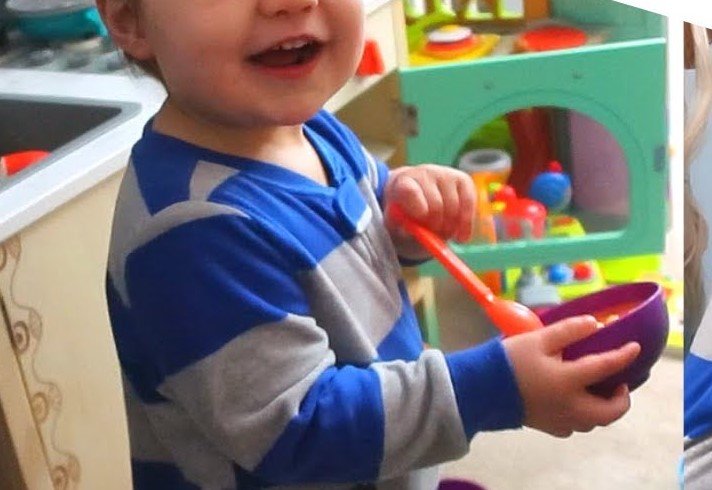
Choosing the right toys for 2 and 3 year olds is about balancing fun with developmental growth. Focus on open-ended items that encourage imagination, fine motor skills, and physical activity to help your little one reach their milestones while having a blast.
Watching a toddler grow is one of the most exciting experiences for any parent. Between the ages of two and three, your child is essentially a little sponge, soaking up the world around them at an incredible rate. They are starting to talk more, move with purpose, and show a clear personality that often involves a whole lot of energy! Finding toys that are good for 2 3 year olds isn’t just about keeping them busy; it is about providing the right tools to help their brains and bodies develop.
As we navigate 2026, the market for toys is flooded with options, from high-tech gadgets to classic wooden items. It can be overwhelming to decide what will actually get played with and what will just gather dust in the toy box. The secret is to look for toys that invite interaction. The best toys for this age group don’t do all the work—they require your child to move, think, or imagine.
Key Takeaways
- Developmental Alignment: At this age, children learn best through play that challenges their coordination and problem-solving abilities.
- Prioritize Open-Ended Play: Toys like blocks and sensory kits allow children to create their own stories, which fosters critical thinking.
- Focus on Active Play: Physical toys like balance bikes or climbing triangles help burn energy and refine gross motor skills.
- The Power of Pretend: Simple tools like play kitchens or dress-up clothes are essential for building social and emotional intelligence.
- Quality Over Quantity: A few well-made, versatile toys are better for a toddler’s focus than a room full of complex, single-use gadgets.
- Safety First: Always check for age-appropriate ratings and ensure toys are free from small parts that could pose a choking risk.
Building Cognitive Skills Through Construction
Construction toys are arguably the best toys for 2 3 year olds because they are inherently flexible. When a child picks up a block, there is no “wrong” way to use it. They might build a tower, a garage for a toy car, or even a pretend phone.
The Benefits of Blocks
Classic wooden blocks or large interlocking plastic bricks are essential. These help toddlers understand spatial awareness, balance, and gravity. As they try to stack a tower higher without it tumbling over, they are actually learning basic physics and patience. It is a simple activity, but it provides hours of engagement.
Magnetic Tiles
By 2026, magnetic tiles have become a staple in modern households. These are fantastic because they click together easily, providing instant gratification. For a two-year-old, just sticking them together is fun. By age three, they might start building specific shapes or colorful houses. They help with color recognition and early geometry skills.
Toys That Encourage Active Movement
If you have a toddler, you know they rarely sit still. This is a crucial time for developing gross motor skills—the big movements involving arms, legs, and core strength. Giving them a safe way to move is a win for both the child and the parent.
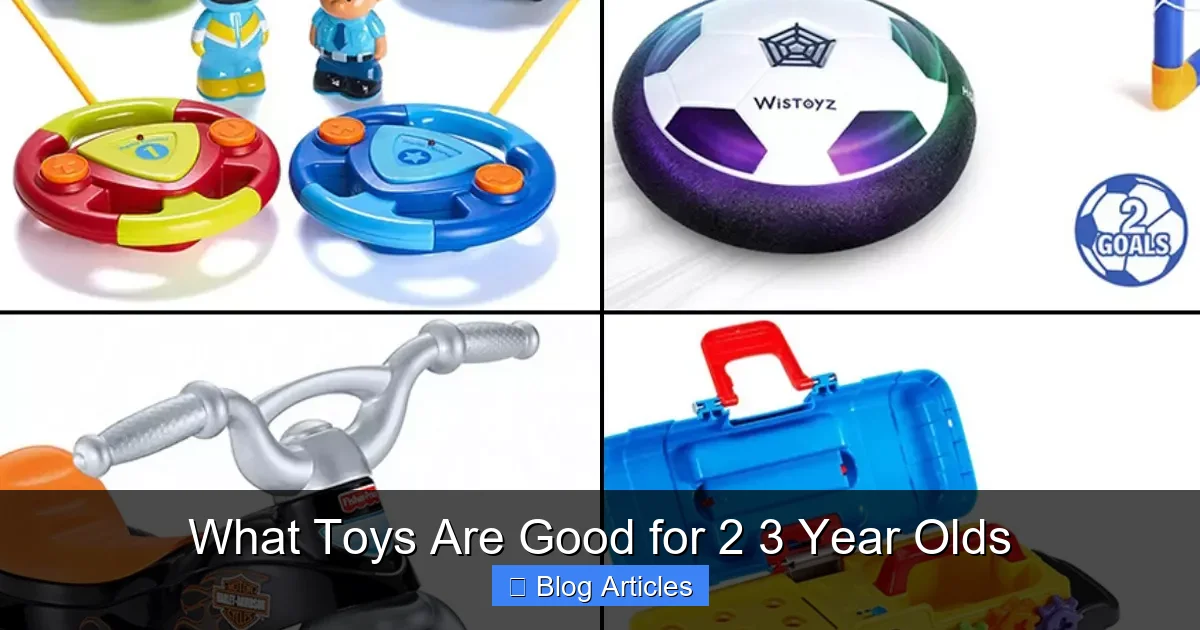
Visual guide about What Toys Are Good for 2 3 Year Olds
Image source: cdn2.momjunction.com
Indoor Climbing and Balance
Pikler triangles or soft foam climbing sets have become very popular. These allow your child to climb, slide, and balance inside the house safely. They are excellent for burning off that mid-afternoon energy when the weather outside is not cooperating. These items build physical confidence and coordination.
Ride-On Toys
Balance bikes are a huge step up from traditional tricycles. They help toddlers learn how to steer and balance without the complexity of pedals. By the time they are three, many children who use balance bikes find it much easier to transition to a regular bicycle later on. Always remember the helmet!
The Magic of Imaginative Play
Around age two, you will notice your child starting to mimic you. They want to talk on your phone, cook in your kitchen, or take care of their own “babies.” This is the beginning of complex imaginative play, which is vital for emotional development.
Kitchens and Play Food
A small play kitchen is a classic for a reason. It allows children to roleplay daily tasks. You can extend this play by adding pretend food that can be “cut” apart with Velcro. This helps with fine motor skills and teaches them about different fruits, vegetables, and the concept of sharing.
Dress-Up and Props
You don’t need expensive costumes. A box of scarves, old hats, or oversized sunglasses can fuel an entire afternoon of pretend play. When children dress up, they are practicing empathy by stepping into the shoes of someone else. It is a simple way to expand their worldview while having fun.
Sensory Play for Brain Development
Toddlers learn through their senses. Touching, squishing, and pouring are all ways they gather information about the physical world. Sensory toys are great for 2 3 year olds who need calming, focused activities.
Modeling Clay and Play Dough
Play dough is a classic, and in 2026, there are many natural, non-toxic versions available. Squishing the dough helps strengthen the small muscles in their hands, which is a precursor to holding a pencil later in life. Use cookie cutters or plastic rollers to keep things interesting.
Water and Sand Tables
If you have a backyard or a balcony, a water or sand table is a sensory goldmine. Scooping, pouring, and splashing allow toddlers to explore textures and volumes. It is messy, but the developmental benefits—and the sheer joy it brings—are well worth the cleanup.
Artistic Expression for Little Hands
Art for a toddler is about the process, not the final result. At this stage, your child is just starting to understand that their movements can leave a mark on paper. This realization is a major milestone in their cognitive journey.
Safe and Easy Art Supplies
Look for chunky, easy-grip crayons and non-toxic washable paints. Large rolls of butcher paper are perfect because they give the child plenty of space to scribble without worrying about staying in the lines. This is not about teaching them to paint a masterpiece; it is about teaching them how to control their hands and explore colors.
Stickers and Collages
Peeling a sticker and placing it on paper is a surprisingly complex task for a two-year-old. It requires pincer grasp skills and focus. You can provide them with construction paper, glue sticks, and scrap paper to create simple collages. It allows them to express their personality without the pressure of drawing a specific object.
How to Select the Best Toys for Your Toddler
With so many options out there, it helps to follow a few guidelines to make sure you are picking toys that are truly good for 2 3 year olds. You don’t need to break the bank to provide high-quality play experiences.
The Rule of Simple
Avoid toys that do too much. If a toy makes noise, lights up, and moves on its own, it leaves very little room for your child to do anything other than watch. A simple set of wooden cars, however, requires your child to provide the sound effects and the movement. This keeps their brain active and engaged.
Safety and Durability
Toddlers are notoriously hard on their toys. They throw, sit on, and test the durability of everything. Check that toys are well-made and free of small parts that could come off and cause a choking hazard. In 2026, many brands are prioritizing sustainable, wood-based materials that are both eco-friendly and nearly indestructible.
Ultimately, the best gift you can give a 2 or 3-year-old is your time. While the right toys will certainly help them learn and grow, your participation in their play is what they will cherish the most. Whether it is building a tower, pretending to be a chef in their little kitchen, or reading a story together, these interactions form the foundation of their development. Choose toys that act as a bridge between you and your child, and you will find that play becomes the most rewarding part of your day.
Conclusion
Finding the right balance of toys for your growing toddler is a journey. By focusing on items that encourage movement, imagination, and sensory exploration, you are setting your child up for success. Remember, they don’t need a mountain of plastic toys to be happy. They need tools that allow them to explore their curiosity. Choose quality, prioritize open-ended play, and most importantly, enjoy the messy, creative, and wonderful world of your toddler.
Frequently Asked Questions
What are the best toys for 2 3 year olds for fine motor skills?
Toys like play dough, building blocks, and lacing beads are excellent for fine motor development. These activities require your child to use their fingers and hands in precise ways, which strengthens the muscles needed for writing later on.
How many toys should a toddler have?
Less is often more for toddlers. Having too many toys can actually cause them to lose focus; rotating a smaller selection of toys every few weeks keeps playtime feeling fresh and exciting.
Are electronic toys bad for toddlers?
Not necessarily, but they should be used in moderation. It is best to avoid “passive” electronic toys that do everything for the child and instead choose interactive options that require the child to participate in the learning process.
How can I encourage my child to play independently?
Start by sitting with them during play, then gradually step back as they get absorbed in their activity. Providing open-ended toys like blocks or simple art supplies is the best way to foster independence since there is no right or wrong way to play.
What should I look for when buying toys in 2026?
Look for sustainable, durable materials and toys that lack small parts. In 2026, many parents are choosing high-quality, eco-friendly wooden toys that are built to last through multiple stages of a child’s development.
Why is pretend play important for my 3-year-old?
Pretend play is critical for emotional and social growth. It allows children to process real-world experiences, practice empathy, and develop their language skills as they narrate their games and interact with imaginary scenarios.