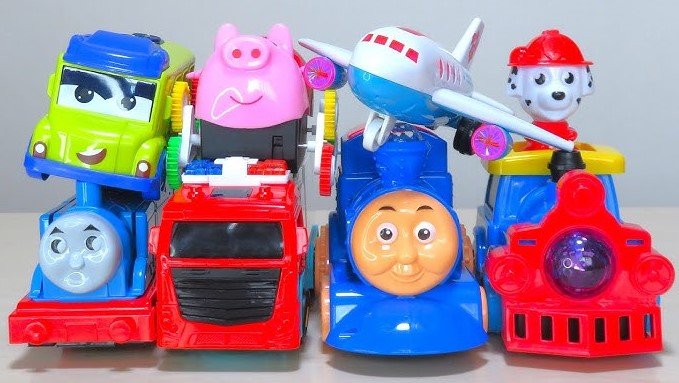
Button batteries are small, coin-shaped cells found in many modern playthings, from musical books to light-up figurines. Because they are easily swallowed, it is vital to know which toys use button batteries and how to secure them properly to protect your children from serious injury.
When you walk through the toy aisle in 2026, it is easy to be impressed by the technology packed into our children’s favorite playthings. From glowing lights to interactive soundscapes, these features make playtime magical.
However, behind the screen or the speaker, there is often a tiny, circular power source known as a button battery. As parents and caregivers, understanding what toys use button batteries is one of the most important steps we can take to keep our homes safe.
It is not always obvious which items contain these silver-colored discs. They are tucked away in small, hidden compartments that seem secure, but as curious children explore their world, they often find ways to access them.
By learning how to spot these batteries and understanding why they are potentially hazardous, you can enjoy the magic of modern toys without the hidden stress. Let’s look at how to identify these batteries and keep your little ones out of harm’s way.
Key Takeaways
- Prevalence: Many common toys, including books with sound, remote-controlled cars, and flashing jewelry, rely on button batteries.
- Safety First: The primary danger is ingestion, which can cause severe internal burns in as little as two hours.
- Secure Compartments: Always check that battery doors on toys are screwed shut or require a tool to open.
- Check Labels: Look for warning icons on packaging that specifically mention the risks associated with button batteries.
- Disposal Matters: Never throw used button batteries in the regular trash; always recycle them at designated battery collection points.
Understanding Why Toys Use Button Batteries
The rise of high-tech toys in the mid-2020s has driven the need for compact, long-lasting energy. Button batteries, or “coin cells,” provide a high energy density in a very small package. This is why manufacturers love them. They allow for slim designs that standard AA or AAA batteries simply cannot fit into.
The Benefits of Miniaturization
Because these batteries are so small, designers can create miniature light-up wands, thin musical greeting cards, and intricate robotic insects that fit right in the palm of a hand. Without button batteries, many of the toys we take for granted would be bulky, heavy, and far less portable. The trade-off, however, is the increased risk of a child swallowing them because their size makes them appear like small snacks or shiny beads.
Common Types of Toys to Watch Out For
If you want to know what toys use button batteries, start by looking at anything that emits light or sound. Electronic books that play songs when a button is pressed are common culprits. Another category includes “wearable” technology, such as light-up bracelets, rings, or headbands. If a toy is small and has a digital screen or a bright LED, there is a high probability it is powered by a lithium coin cell.
Identifying Which Toys Use Button Batteries
You do not need to be an engineer to keep your home safe. A quick inspection routine can help you map out exactly what toys use button batteries in your living room or playroom. Most of these batteries are identified by codes like CR2032 or CR2025. These are the ones that pose the greatest risk if swallowed.
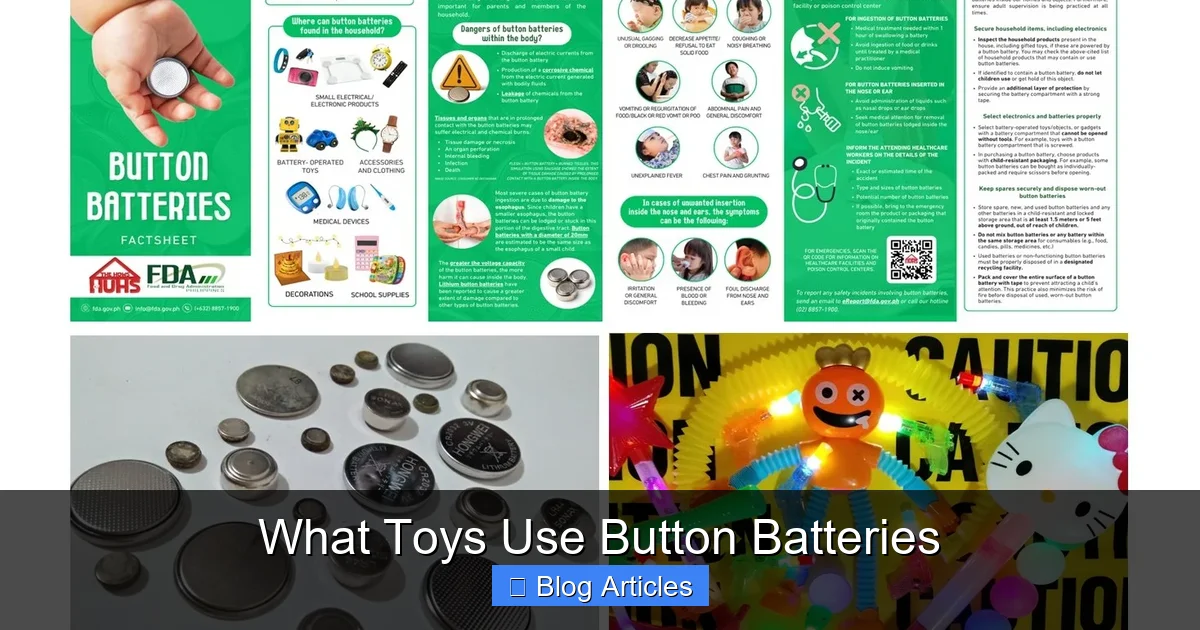
Visual guide about What Toys Use Button Batteries
Image source: filipinonewssentinel.com
The “Tool Test” for Battery Doors
The most important feature to look for is the battery compartment. Toys that use button batteries should ideally have a compartment that requires a screwdriver to open. If you find a toy where the battery door pops off easily with a fingernail, you should treat that item with extra caution. In 2026, many reputable brands have upgraded their security features, but older toys or cheaper imports may still have loose-fitting covers.
Inspecting for Loose Parts
Take a few minutes to pick up each electronic toy. Give it a gentle shake. If you hear rattling inside, or if the plastic feels flimsy, it is time to check the battery port. Look for screws that might be stripped or loose. If a battery door does not close tightly, the risk of a button battery falling out increases significantly during rough play or if the toy is dropped.
The Hidden Dangers of Button Batteries
It is hard to imagine that such a small object can cause so much harm. When a button battery is swallowed, it can get stuck in a child’s esophagus. The battery’s electrical current interacts with saliva, creating a chemical reaction that can cause severe internal burns in a very short time. This is why quick action is necessary if you suspect an ingestion has occurred.
Why Speed Matters
The chemical reaction happens almost immediately. This is not just a choking hazard; it is a chemical burn hazard. If you ever suspect a child has swallowed a button battery, do not wait for symptoms like coughing or trouble swallowing. Go to the nearest emergency room immediately. Every minute counts when the battery is in contact with internal tissue.
Signs to Look For
Sometimes, a child might swallow a battery without an adult noticing. Keep an eye out for sudden onset of discomfort, refusing to eat, or drooling. If you notice a battery is missing from a toy and you cannot find it, treat the situation as an emergency. It is better to have an “all clear” from a doctor than to wait until a child starts showing signs of illness.
Safe Storage and Disposal Tips
Managing what toys use button batteries also involves how you handle the batteries themselves. When you buy replacement batteries, they often come in packs that are easy for children to open. This is a common point of failure for parents. Keeping your supply locked away is just as important as securing the toys.
Proper Storage Solutions
Always keep spare button batteries in a high, locked cabinet. Never store them in a drawer where a toddler can reach. If you keep them in their original packaging, make sure that packaging is child-resistant. In 2026, many manufacturers have improved their packaging to include bitter coatings or harder-to-open shells, but never assume a package is truly kid-proof.
Recycling Old Batteries
When a toy stops working, do not just toss it in the bin. Carefully remove the battery, tape over both sides with clear tape to prevent any remaining current from discharging, and place it in a container for recycling. Many local grocery stores and community centers have dedicated battery drop-off bins. This keeps these dangerous items out of your regular trash, where they could potentially leak or cause fires.
Shopping Smart in 2026
As you buy new gifts for birthdays or holidays, take a moment to read the back of the box. Many toy companies now place clear warning icons on the packaging. These labels serve as a helpful reminder that the item contains a button battery and requires adult supervision during use.
Choose Reputable Manufacturers
While bargain-hunting can be fun, be mindful of where your toys come from. Toys purchased from reputable retailers in 2026 are more likely to comply with the latest safety standards regarding battery enclosures. These standards ensure that battery doors are either screwed in or require a “two-step” opening process that is difficult for a child to complete.
Encourage Battery-Free Play
Finally, consider the benefits of classic toys. Wooden blocks, puzzles, stuffed animals, and art supplies offer hours of entertainment without needing a single battery. By balancing your toy collection with non-electronic items, you naturally reduce the number of potential hazards in your home. It’s a win for safety and a win for a child’s imagination.
Conclusion: Keeping Playtime Fun and Secure
Knowing what toys use button batteries does not mean you have to banish all electronic fun from your home. Instead, it means being an informed guardian of your child’s environment. By routinely inspecting your child’s toys, ensuring battery compartments are secured with a tool, and teaching family members about the risks, you create a safer space for play.
Remember that the responsibility lies in consistent vigilance. Check those compartments, store your spare batteries out of reach, and don’t hesitate to seek medical help if you even suspect a battery has gone missing. By taking these simple steps, you ensure that your children spend their time focused on what matters most: growing, learning, and having a blast with their favorite toys.
Frequently Asked Questions
Are all toy batteries dangerous?
Not all batteries are the same, but button batteries (also known as coin cells) are the most dangerous if swallowed. While standard AA or AAA batteries are also a risk for choking, button batteries cause immediate, severe chemical burns to internal organs.
What should I do if my child swallows a button battery?
If you suspect a button battery has been swallowed, go to the emergency room immediately. Do not induce vomiting or allow the child to eat or drink anything until a doctor has examined them, as the chemical reaction starts as soon as the battery touches tissue.
Can I just tape over the battery door?
Taping a battery door shut is a temporary fix, but it is not a replacement for a secure, screw-fastened door. Tape can be peeled off by curious fingers, so always prioritize buying toys with properly screwed-in battery compartments.
Are rechargeable button batteries safer?
No, rechargeable button batteries carry the same risks as non-rechargeable ones. Regardless of the chemistry inside, the physical shape and size make them equally hazardous if ingested by a child.
How can I tell if a toy uses a button battery?
Look for a small, circular battery compartment on the back or bottom of the toy. If the toy is very thin, lightweight, and features lights or sounds, it is almost certainly powered by a button battery.
What is the “bitter coating” on some batteries?
Some manufacturers apply a non-toxic, bitter-tasting coating to button batteries to discourage children from swallowing them. While this is a helpful safety feature, it is not a guarantee of safety, so secure storage is still required.