Keeping your cat’s favorite toys clean is vital for their health and your home’s freshness. By using gentle, pet-safe methods, you can naturally remove stubborn odors and bacteria without ruining the potency of the catnip inside.
Every cat parent knows the scene: your feline friend is frantically batting, kicking, and drooling all over their favorite plush mouse. It is adorable to watch, but after a few weeks of intense play, that toy starts to collect dust, fur, and a bit of “cat funk.” Since catnip toys are constantly being batted around your living room floor, they pick up bacteria and grime that can eventually irritate your pet’s sensitive nose or skin. Keeping them clean is a must, but many owners are afraid to wash them because they worry about ruining the magic inside.
The good news is that washing these toys is quite simple once you know the right techniques. You do not need harsh chemicals or expensive equipment to get the job done. By using simple, household items and a little bit of patience, you can naturally refresh your cat’s playthings. Let’s dive into the best practices for keeping those toys sanitized, safe, and smelling like a fresh garden for your four-legged companion.
Key Takeaways
- Check labels first: Always look for manufacturer instructions before soaking any catnip toy to avoid damaging delicate fabrics.
- Use pet-safe soap: Only use mild, fragrance-free detergents to ensure your cat doesn’t experience skin irritation or allergic reactions.
- Targeted spot cleaning: For light dirt, spot cleaning is better than a full soak to maintain the integrity of the dried catnip stuffing.
- Natural scent revival: If the catnip loses its punch, consider refilling the toy with fresh, organic catnip after the cleaning process.
- Thorough drying is essential: Mold loves damp fabric, so ensure toys are 100% dry before giving them back to your curious feline.
Understanding Your Catnip Toys
Before you toss anything into a bucket or a washing machine, it is important to understand what you are working with. Not all catnip toys are created equal. Some are made with durable cotton canvas, while others might be delicate felt or plush faux fur. Furthermore, the way the catnip is packed inside matters significantly for your cleaning strategy.
Types of Catnip Fillings
There are generally two types of catnip toys: those that are fully stuffed with loose organic leaves and those that feature a hidden, refillable pouch. If your toy has a refillable pouch, your life just got a whole lot easier! You can simply remove the herb, wash the fabric shell, and replace the contents later. For toys where the catnip is sewn directly into the stuffing, you need to be much more careful to avoid turning the interior into a soggy mess.
Checking for Durability
Take a moment to inspect the toy for tears or loose stitching. If the fabric is already coming apart, a trip through a washing machine might destroy it entirely. If you see holes, patch them up before cleaning, or consider that it might be time to retire the toy. Always opt for a gentle approach if the toy is handmade or features delicate embroidery, as these details can easily unravel under pressure.
The Gentle Art of Spot Cleaning
If the toy isn’t completely caked in dirt, spot cleaning is the safest way to maintain its condition. This method uses less water and minimizes the risk of mold growing inside the stuffing. It is the perfect approach for toys that are lightly used but have picked up a layer of dust from under the sofa.
Step-by-Step Spot Removal
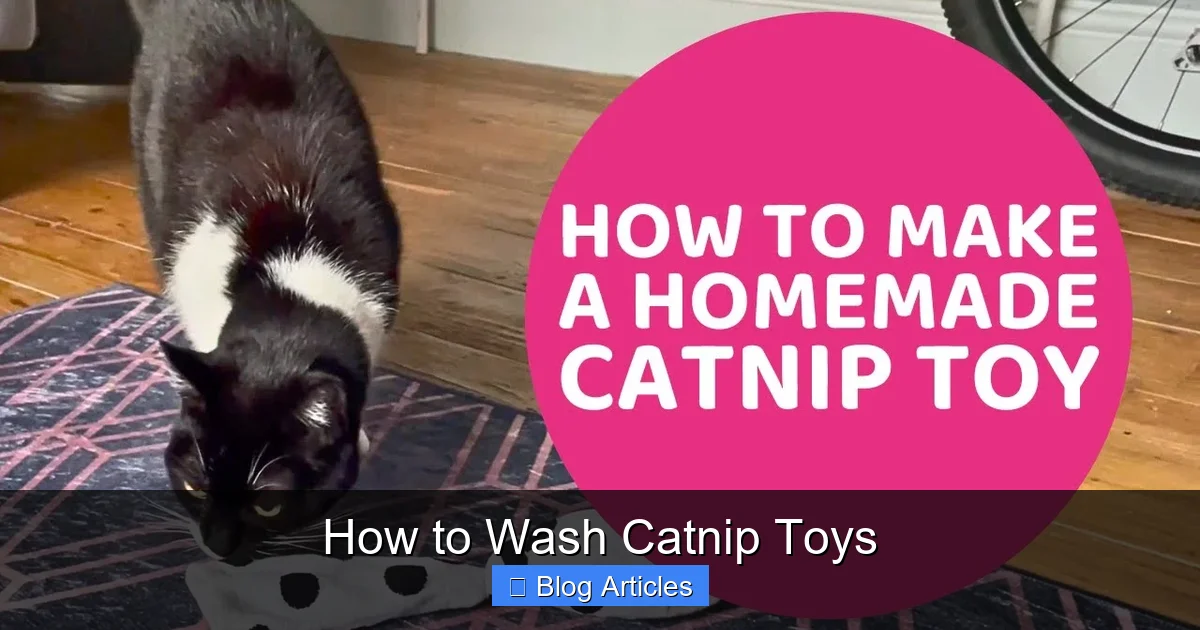
First, use a soft-bristled brush or a clean, dry cloth to wipe away any loose debris or cat hair. Once that is done, mix a very small amount of mild, unscented dish soap with warm water. Dip a clean cloth into the mixture, wring it out so it is just damp—not dripping—and gently dab at the stained areas of the toy.
Rinsing and Freshness
After you have dabbed the spot, take a second cloth dipped in plain water to “rinse” the area. This removes any soapy residue that might be left behind. This natural way of cleaning is very effective because it targets the surface dirt without saturating the inner catnip. Once you finish, blot the area with a dry towel and let it air dry in a well-ventilated spot, ideally in a patch of sunlight to help naturally disinfect the fabric.
Deep Cleaning Methods for Durable Toys
Sometimes, a toy is so well-loved that a deep clean is necessary. If the toy is made of sturdy material and doesn’t have loose parts like buttons or bells, you can try a more thorough cleaning process. However, always prioritize the health of your cat by avoiding heavy detergents or bleaches.
The Hand-Washing Technique
Fill a small basin with lukewarm water and a tiny drop of pet-safe soap. Submerge the toy briefly and gently squeeze it to help the soapy water penetrate the outer fabric. Do not soak it for a long period, as you want the inner catnip to stay as dry as possible. After about a minute, rinse it under running water until the suds are gone. Squeeze it gently—do not wring it hard, as this can tear the internal seams.
Can You Use the Washing Machine?
Many cat parents wonder if they can just toss toys in the laundry. The answer is maybe. If you must use a machine, place the toys in a mesh garment bag to prevent them from getting caught in the agitator. Use a short, delicate cycle with cold water and no harsh detergents. Even if you use a machine, you must still be prepared to spend extra time drying the toy, as machines often leave them more saturated than hand-washing does.
Drying and Preventing Mold
Drying is perhaps the most critical step in the entire process. If catnip toys remain damp, the plant matter inside can start to mildew, which is dangerous for your cat to inhale or lick. You must ensure that the toy is completely dry before putting it back into the rotation.
Best Drying Practices
The best way to dry a catnip toy is air drying. Avoid using a high-heat tumble dryer, as heat can break down the natural oils in the catnip and make the fabric shrink or melt. Instead, place the toy in front of a fan or near an open window. Sunlight is a natural sanitizer, so placing the toy on a sunny windowsill is an excellent choice.
How to Tell if It Is Ready
To check if the toy is dry enough, give it a firm squeeze. If you feel any cool dampness or see a dark spot on a paper towel when you press it against the fabric, it still needs more time. Be patient; it is much better to wait an extra hour than to give your cat a toy that might be harboring hidden moisture.
Refreshing the Scent Naturally
Even after a good cleaning, the original potency of the catnip might fade. Many owners find that their cat loses interest in a toy after it has been washed because the scent has been diluted or washed away. This doesn’t mean the toy is ruined; it just means it needs a little “recharge.”
Adding New Life
Once your toy is perfectly dry, you can try to naturally boost the scent. If the toy has a refillable pouch, simply add a fresh pinch of organic catnip. If the toy is sealed, you can place it inside a sealed plastic bag with a handful of fresh catnip leaves for 24 to 48 hours. The fabric will absorb the essential oils of the new, dried catnip, and the toy will come out smelling like new again!
Avoiding Artificial Sprays
You might be tempted to use catnip-scented sprays or oils to save time. While convenient, many of these products contain synthetic ingredients or chemicals that could be harmful if your cat ingests them. It is always better to stick to natural, organic catnip leaves to ensure the safety and happiness of your pet.
Conclusion
Washing your cat’s toys might feel like a chore, but it is a small effort that yields big rewards for your pet’s health. By choosing to clean your catnip toys carefully and naturally, you are extending the lifespan of their favorite items while ensuring they stay clean and hygienic. Whether you are spot cleaning a muddy mouse or deep-washing a well-loved kicker, remember that gentleness is the key to preserving the toy’s shape and its ability to hold those precious catnip oils.
By following these steps, you’ll keep your home smelling fresh and your cat constantly entertained. Regular maintenance is the hallmark of a responsible pet parent. Now that you know how to safely sanitize your feline’s play collection, you can enjoy watching them pounce and play with confidence, knowing their toys are clean, safe, and ready for another round of hunting fun!
Frequently Asked Questions
How often should I wash catnip toys?
It is best to spot clean them as needed when they look dirty or smell funky. A deeper clean is recommended every few months or if your cat has been playing with the toy particularly vigorously in a dusty area.
Is it safe to put catnip toys in the dishwasher?
No, you should never put catnip toys in the dishwasher. The intense heat and harsh cleaning chemicals can damage the fabric and ruin the catnip, posing a health risk to your cat.
What if my cat is allergic to standard soaps?
If your cat has sensitive skin, look for fragrance-free, hypoallergenic, or baby-safe laundry soap. Always ensure you rinse the toy thoroughly to remove any soap residue before letting your pet touch it again.
Why did my cat stop playing with the toy after I washed it?
Washing often removes the natural essential oils that make catnip so enticing to felines. You can easily fix this by refreshing the toy with a small pinch of new, organic catnip once the toy is fully dry.
Can I use a hairdryer to dry the toy faster?
It is better to avoid high heat, as it can damage the fabric fibers and dry out the catnip oils prematurely. Use the “cool” setting on your dryer or simply let it air dry in a well-ventilated area for the safest results.
How do I know if the toy is ruined beyond repair?
If the fabric is heavily frayed, the stuffing is falling out, or the internal structure is compromised, it is time to replace it. A damaged toy poses a choking hazard, so always prioritize your cat’s safety over saving the item.