Keeping silicone toys clean is essential for your child’s health, as these items often end up in curious mouths. By following simple, consistent cleaning routines, you can eliminate bacteria and extend the lifespan of your silicone products while ensuring they remain safe and fun for daily play.
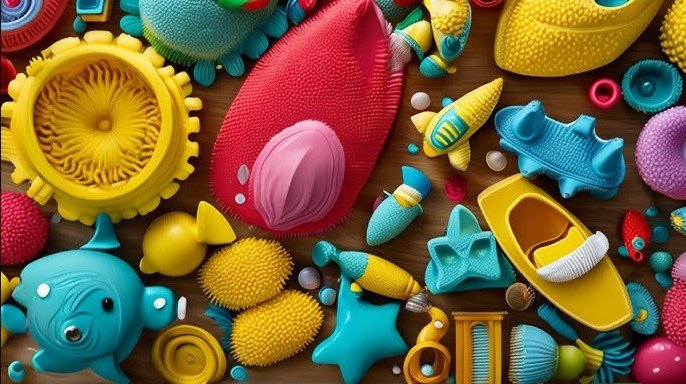
If you are a parent or caregiver in 2026, you know that silicone toys have taken over the nursery. From textured teethers to soft, stackable building blocks, silicone has become the gold standard for children’s play. It is durable, soft to the touch, and feels great on sore gums. However, because silicone has a slightly tacky, non-slip surface, it tends to be a magnet for every piece of lint, pet hair, and crumb in the house.
Learning how to wash silicone toys properly is a must-have skill for every modern parent. Since these items are almost always destined to end up in your child’s mouth, you want to make sure you are using safe, non-toxic methods that get the job done. In this guide, we will break down exactly how to keep those favorite items pristine, hygienic, and ready for the next play session.
Key Takeaways
- Daily Maintenance: Frequent, light cleaning prevents dust and debris from sticking to the naturally grippy silicone surface.
- Heat Resistance: Most high-quality silicone is heat-resistant, making boiling or dishwasher cleaning highly effective for deep sanitization.
- Avoid Abrasives: Stay away from scrub brushes or harsh scouring pads, as these can create microscopic scratches where bacteria hide.
- Drying Matters: Always ensure your silicone toys are completely air-dried to prevent mold growth in hard-to-reach crevices.
- Natural Cleaners: Use mild, fragrance-free dish soap or vinegar solutions to clean toys without exposing your child to toxic chemical residues.
Understanding Why Silicone Needs Special Care
Silicone is a fascinating material. It is inert, meaning it doesn’t react with other substances, and it is generally resistant to temperature extremes. However, it is not “self-cleaning.” The very properties that make silicone feel good to touch—its slight grip—also mean that it attracts dust particles from the air. When you add a bit of drool or spilled juice into the mix, you create a surface that can quickly become sticky or attract germs.
The “Tacky” Factor
You may have noticed that after a wash, your silicone toys feel a bit “grabby” or sticky. This is normal. Silicone is a porous material on a microscopic level. It can absorb scents from soaps or residue from oils. The secret to maintaining them is using the right cleaning agents. Avoid heavy perfumes or oily soaps, as these will leave a film on the toy that attracts even more dirt the next day.
Safety First: Checking for Damage
Before you start any cleaning routine, take a moment to inspect the toys. If you see any cracks, deep tears, or signs that the silicone is breaking down, it is time to retire the toy. Even the best-cleaned item cannot be safely used if the structural integrity is compromised. A quick visual check should be a part of your daily toy maintenance ritual.
Daily Cleaning: Keeping Things Fresh
You do not need to perform a deep-clean scrub every single time your child drops a toy on the floor. For daily maintenance, keep things simple. If a toy has just been dragged across the carpet or dropped on a clean kitchen tile, a quick rinse is usually sufficient.
The Warm Water Rinse
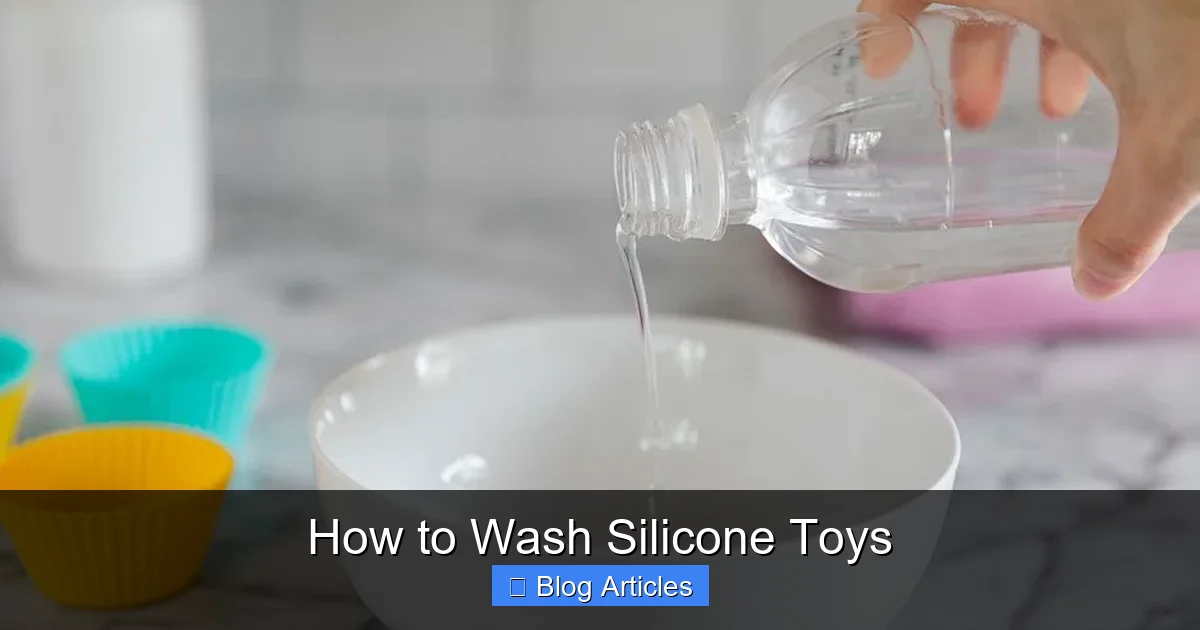
For a basic refresh, simply hold the toy under warm running water. Use your clean fingers to rub the surface of the toy. This gentle friction is enough to dislodge most surface debris. If the toy feels particularly dusty, a drop of mild, fragrance-free dish soap works wonders. Just be sure to rinse it thoroughly to avoid a soapy taste during your child’s next play session.
Air Drying Techniques
Never leave silicone toys sitting in a puddle of water. While the material is waterproof, trapped moisture in folds or hollow interiors can lead to unwanted odors. After washing, shake off the excess water and place the toy on a clean drying rack or a fresh cloth. Let it air dry completely before putting it back into the toy basket.
Deep Cleaning Methods for Sanitization
When toys have been shared during a playdate, taken to the park, or handled while your child is feeling under the weather, it is time for a deep clean. Because silicone is highly heat-resistant, you have several effective, chemical-free options for sanitization.
Using the Dishwasher
Most modern silicone toys are labeled “dishwasher safe.” This is a huge win for busy parents. Simply place the toys on the top rack of your dishwasher. Use a fragrance-free, eco-friendly detergent pod. Ensure the toys are secure so they do not fall onto the heating element at the bottom of the machine. Run a standard cycle, and you are good to go.
Boiling for Extra Peace of Mind
If you want to be extra careful, boiling is the gold standard for sanitizing. Bring a pot of water to a rolling boil, then remove the pot from the heat source. Submerge the silicone toys in the hot water for about three to five minutes. Use a pair of tongs to carefully remove them and lay them out to dry. This method effectively kills most bacteria without needing any chemical cleaners at all.
Dealing with Stubborn Stains and Odors
Sometimes, despite your best efforts, a toy might end up with a lingering scent or a stubborn stain from food. Do not panic—you do not need to throw the toy away. There are natural ways to handle these issues without resorting to harsh bleaches or cleaners that might be harmful to your child.
The Vinegar Soak
White vinegar is a miracle worker. Mix a solution of one part white vinegar to three parts warm water. Submerge the stained or smelly toy in this mixture for about 30 minutes. The acidity of the vinegar helps break down odors and lifts stubborn residue. Afterward, rinse the toy thoroughly under cool water. The vinegar smell will dissipate completely as it dries, leaving your silicone toy smelling neutral and fresh.
Baking Soda Paste
For particularly tough stains, create a thick paste using baking soda and a tiny bit of water. Gently apply it to the stained area with your fingers. Let it sit for about 15 minutes. The baking soda acts as a mild abrasive that is safe for silicone. Gently rub the paste over the spot and rinse well. This is excellent for removing the “tacky” feeling that can build up over time.
What to Avoid When Cleaning Silicone
While silicone is a robust material, it is not invincible. Knowing what to avoid is just as important as knowing what to do. Using the wrong tools can shorten the life of your toys and potentially make them less safe for your child.
Skip the Harsh Chemicals
Never use bleach, ammonia, or heavy-duty household cleaners on your child’s silicone toys. These chemicals can be absorbed by the material and then leached back out when your child chews on them. Stick to simple soap, water, vinegar, and baking soda. If a toy is so dirty that you feel it requires bleach, it is likely better to replace it.
Put Away the Scouring Pads
It is tempting to use a scrub brush or a scouring pad to get into the crevices of a complex silicone shape. Resist this urge. Abrasive tools leave tiny scratches on the surface of the silicone. These microscopic grooves become the perfect home for bacteria to multiply, making it much harder to keep the toy clean in the future.
Best Practices for Toy Storage
How you store your silicone toys plays a major role in how often you need to wash them. If you keep them in a bin that also holds plush toys or porous materials, you are inviting dust and allergens to settle on your silicone items. Try to keep silicone toys in their own dedicated, easy-to-clean container.
Keep it Breathable
Store toys in a mesh bag or a basket with holes. If you use a sealed plastic bin, any remaining moisture can turn into a breeding ground for mildew. By allowing air to circulate, you ensure that your toys stay clean for much longer. Additionally, keep these items away from direct, harsh sunlight for extended periods, as intense UV exposure can eventually cause the colors to fade or the material to become brittle over many years.
The Rotational Method
If you have a large collection of toys, consider keeping only a few out at a time. Rotate them every week. This makes cleaning much more manageable, as you are dealing with a smaller volume of items at once. It also keeps play time exciting for your child, as they get to “rediscover” toys that have been tucked away.
In conclusion, keeping your silicone toys clean is a simple but vital part of your parenting routine. By focusing on gentle cleaning, utilizing the heat-resistant properties of silicone for deep sanitization, and avoiding harsh chemicals or abrasive tools, you can ensure your child’s favorite items remain safe and hygienic. Whether it is a quick daily rinse or a deep vinegar soak, these steps are easy to integrate into your busy schedule. With these practices, you can rest easy knowing that every chew and every play session is as clean and safe as it can possibly be. Happy parenting and happy cleaning!
Frequently Asked Questions
Is it safe to put silicone toys in the dishwasher?
Yes, most high-quality silicone toys are dishwasher safe. Always place them on the top rack and use a mild, fragrance-free detergent to ensure they remain safe for your child.
How often should I deep clean my child’s silicone toys?
A deep clean using boiling water or a vinegar soak is recommended once every two weeks or whenever the toys have been exposed to public surfaces or during a bout of illness.
What should I do if my silicone toy feels sticky?
The “sticky” feeling is often caused by a buildup of residue or dust. A simple soak in a baking soda and water paste will neutralize the surface and restore the toy to its original, smooth texture.
Can I use bleach to disinfect my silicone toys?
No, you should never use bleach or harsh household cleaners. These chemicals can seep into the silicone and pose a safety risk to your child when they chew on the items.
How can I tell if a silicone toy is no longer safe to use?
If you notice any tears, cracks, or deep gouges in the silicone, it is time to discard the toy. These damaged areas can harbor bacteria and could become a choking hazard if pieces break off.
Will boiling damage the shape of my silicone toys?
High-quality food-grade silicone is designed to withstand high temperatures, so a quick boil for a few minutes will not change the shape or durability of your toys.