
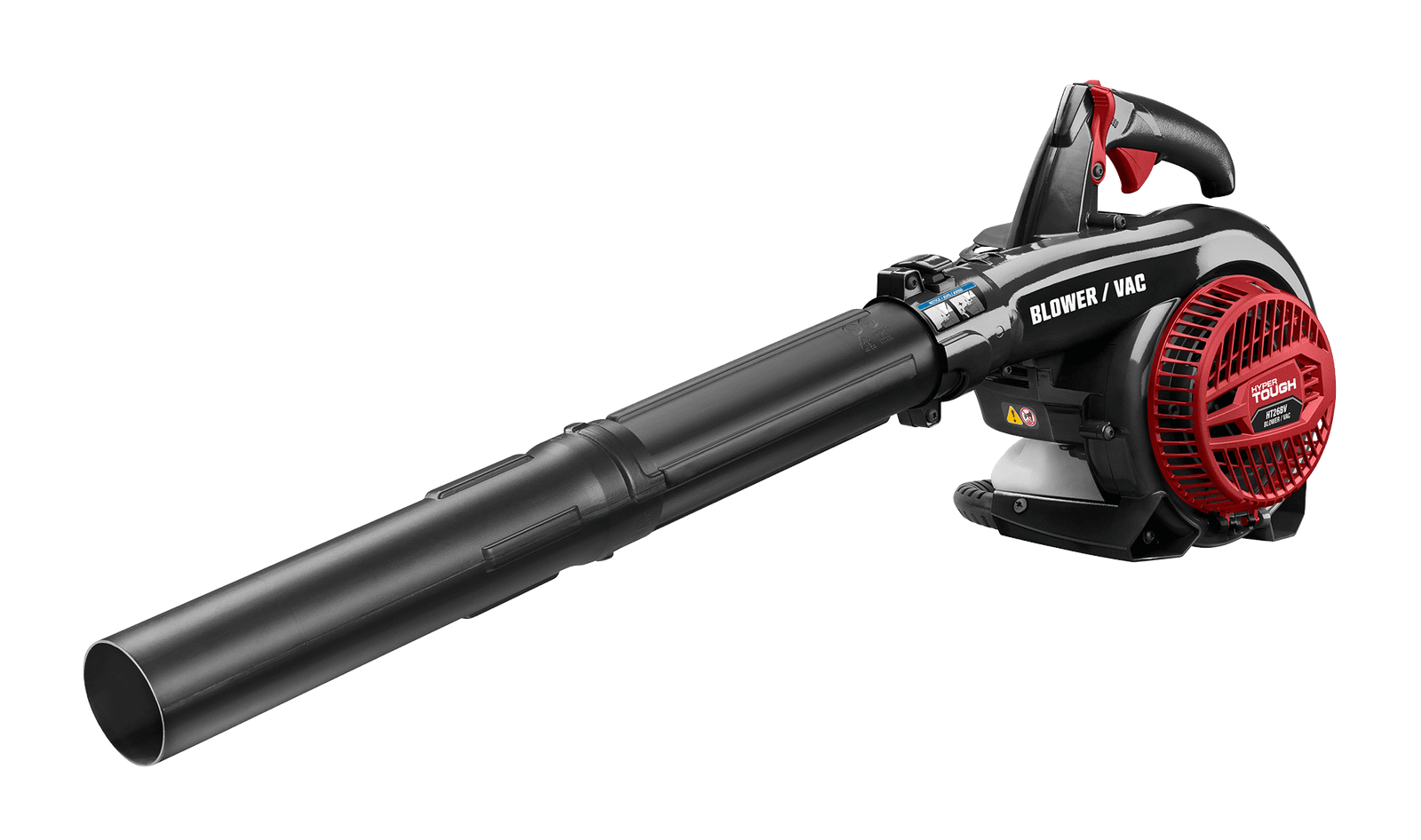
For most American homeowners, the best leaf blower speed is 100 to 150 miles per hour (MPH). That range handles dry leaves, grass clippings, and light yard waste on lawns, driveways, patios, and sidewalks.
Choose 150 to 200 MPH for wet leaves, pine needles, and heavier debris. Speeds above 200 MPH can help with large piles and commercial work, but high MPH alone does not guarantee better results. CFM, or cubic feet per minute, shows how much air the blower moves. In many yards, CFM matters as much as—or more than—maximum MPH.
This guide explains how to choose the right leaf blower speed in the United States, how MPH and CFM work together, and which specifications matter for your yard.
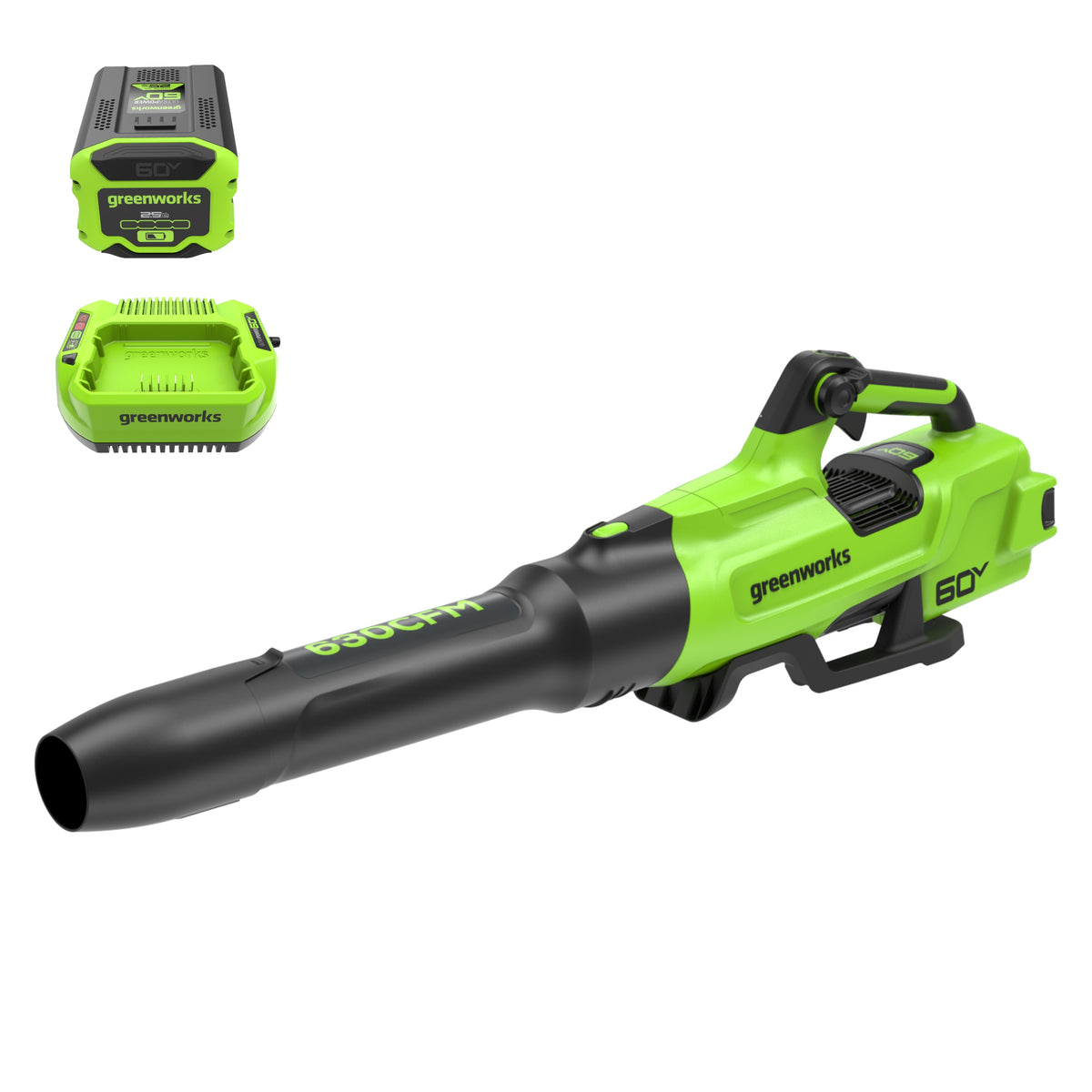
What Is the Best MPH for a Leaf Blower?
The best MPH depends on the type of debris, the surface, and the size of the job. A blower with 100 to 150 MPH and at least 300 CFM is enough for many small and medium residential yards.
Use this simple guide:
| Yard task | Useful air speed | Helpful airflow |
|---|---|---|
| Dry leaves on grass | 100–140 MPH | 300–450 CFM |
| Leaves on driveways and patios | 110–150 MPH | 350–500 CFM |
| Grass clippings and light debris | 90–130 MPH | 250–400 CFM |
| Wet leaves and pine needles | 150–200 MPH | 400–600 CFM |
| Large leaf piles | 160–220+ MPH | 500–700+ CFM |
| Commercial or heavy cleanup | 200+ MPH | 600+ CFM |
These are practical buying ranges, not official performance standards. Actual results change with nozzle shape, battery charge, wind, debris moisture, and the distance between the nozzle and the ground.
A blower with very high MPH but low CFM may move a narrow stream of air quickly without clearing a wide area. A blower with strong CFM can push more material across the lawn, even if its top MPH is lower.

MPH vs. CFM: Which Leaf Blower Rating Matters More?
MPH measures air speed. CFM measures air volume. The two ratings describe different parts of a blower’s performance.
Think of MPH as the force of a fast-moving stream and CFM as the size of the stream. A narrow nozzle may increase MPH by concentrating the air. A wider opening may move more air but show a lower maximum speed.
What MPH does
Higher MPH can help:
- Break apart damp leaf clusters
- Move pine needles from grass
- Push debris out of cracks
- Clear heavier material from hard surfaces
- Move debris over a longer distance
What CFM does
Higher CFM can help:
- Clear a larger area faster
- Move broad piles of dry leaves
- Sweep leaves across lawns
- Reduce the need for repeated passes
- Push debris over a wider path
For general yard cleanup, look for a balanced rating rather than the highest MPH on the package. A blower rated at 140 MPH and 500 CFM may be more useful for a large lawn than one rated at 200 MPH and 250 CFM.
Manufacturers do not always measure or present these numbers in the same way. Some list maximum air speed at the nozzle tip. Others list airflow with a tube attached or removed. Treat the ratings as useful comparisons within a product category, not as a perfect laboratory ranking across every brand.

How Much MPH Do You Need for Different Yard Jobs?
The right speed changes with the material you need to move. Dry leaves need less force than wet leaves stuck to the ground.
Dry leaves on grass
For dry leaves on a lawn, 100 to 140 MPH is usually enough. A blower with good CFM can gather leaves into rows or piles without needing extreme speed.
Use a lower setting near flower beds, mulch, and loose soil. High air speed can scatter mulch or expose plant roots.
Leaves on concrete or asphalt
For driveways, sidewalks, and patios, 110 to 150 MPH works well for most dry leaves. Hard surfaces create less resistance than grass, so maximum speed is often less important than the blower’s air volume and nozzle control.
A wider airflow pattern may clear a walkway faster than a narrow, high-speed jet.
Wet leaves
Wet leaves are heavier and often stick to grass or pavement. Choose about 150 to 200 MPH, with at least 400 CFM when possible.
Start by loosening the edges of the pile. Do not aim at the center first. Working from the outside helps separate the leaves and prevents the blower from spreading them in every direction.
Pine needles and small twigs
Pine needles can catch in grass and ground cover. Small twigs also need more force than dry leaves. A blower in the 140 to 190 MPH range can work well, especially when paired with strong CFM.
A tube with a narrower outlet may help lift material from cracks. Keep the nozzle close to the surface, but do not scrape it along the ground.
Large piles and open properties
For large piles, a blower with 160 to 220 MPH and 500 to 700 CFM may save time. Backpack blowers often provide more sustained airflow than small handheld models.
More power also means more noise, vibration, fuel use, or battery drain. High output is useful when the job requires it, but it can be wasteful for a small city lot.

Recommended Leaf Blower MPH by Property Size
Property size helps determine the right balance of speed, airflow, runtime, and comfort.
| Property or job size | Suggested MPH | Suggested CFM | Best fit |
|---|---|---|---|
| Small patio or driveway | 90–130 | 250–400 | Compact cordless or electric blower |
| Typical suburban yard | 100–160 | 350–550 | Mid-size cordless or handheld gas blower |
| Large yard with many trees | 140–200 | 450–650 | High-output handheld or backpack blower |
| Acreage or repeated heavy work | 180–220+ | 600–900+ | Backpack or professional blower |
These figures are starting points. A flat, open yard may need less power than a smaller property with wet leaves, steep areas, dense grass, or many garden beds.
For a typical American suburban property, a blower around 140 to 160 MPH with 400 to 550 CFM is often a practical middle ground. It provides enough power for seasonal cleanup without forcing the homeowner to manage the noise and weight of a commercial machine.

How to Choose a Leaf Blower by MPH and CFM
Use the following process before buying a leaf blower.
1. Identify the main debris
Ask what you will move most often:
- Dry leaves
- Wet leaves
- Pine needles
- Grass clippings
- Small twigs
- Dirt and surface dust
Dry leaves need less power. Wet or compacted debris needs more airflow and speed.
2. Measure the size of the work area
A small patio does not need the same blower as a one-acre wooded property. Larger areas benefit from higher CFM because the blower can clear a wider path.
3. Choose a practical MPH range
Use these general targets:
- 100–150 MPH: routine home cleanup
- 150–200 MPH: wet or heavy debris
- 200+ MPH: large piles, acreage, or commercial work
Do not choose a machine solely because its package shows the highest MPH.
4. Check the CFM rating
For most residential work, look for at least 300 to 400 CFM. For large yards or heavy debris, consider 500 CFM or more.
Check whether the manufacturer lists CFM at the nozzle or at the blower housing. The measurement point affects comparisons.
5. Consider runtime and weight
A powerful cordless blower may use its battery quickly at full speed. A gas blower may run longer but require fuel, oil, maintenance, and more careful storage.
A blower that feels too heavy may reduce the amount of time you can use it safely and comfortably. Ergonomics matter as much as a small difference in MPH.
6. Look for variable-speed control
Variable-speed control lets you use less power around mulch, gravel, pets, and garden beds. It also helps conserve battery power and reduce noise.
A trigger lock or cruise control can make long cleanup jobs easier, but the controls should remain easy to release.

Does a Higher MPH Leaf Blower Work Better?
A higher MPH blower is not always better. It works better only when the extra speed matches the job.
High air speed can scatter leaves instead of gathering them. It can also move mulch, gravel, loose soil, and small stones. On dry lawns, excessive speed may create dust and send debris toward cars, windows, roads, or neighbors.
A balanced blower gives you:
- Enough MPH to loosen stubborn debris
- Enough CFM to move a wide amount of material
- Variable control for delicate areas
- A nozzle that fits the surface
- Enough runtime for the full task
The best leaf blower is the one that clears the debris with the least wasted effort. Maximum speed is only one part of that result.

How to Use a Leaf Blower Efficiently
Good technique can make a moderate blower perform better than a high-powered blower used poorly.
- Check the area first. Remove stones, toys, wire, and other objects that could become airborne.
- Start at the property edge. Work toward one planned collection area.
- Keep the nozzle low. Hold it a few inches above the surface rather than pointing straight down.
- Use a shallow angle. Aim across the ground to move debris forward.
- Work with the wind when possible. Avoid fighting strong wind.
- Use short bursts on heavy piles. Loosen the outer layer before moving the full pile.
- Lower the speed near mulch and gravel. Increase power only when needed.
- Collect the debris. A blower moves leaves; it does not remove them from the property.
For leaves on grass, sweeping motions usually work better than pointing the nozzle at one spot. On pavement, a steady low angle can create a clean path with less dust.

Leaf Blower Safety and U.S. Rules to Check
Wear eye protection and hearing protection when using a leaf blower. The U.S. Consumer Product Safety Commission warns that outdoor power equipment can send debris into the air and expose users to harmful noise.
Keep people and pets away from the work area. Do not aim the blower at another person, animal, vehicle, window, or road. Avoid blowing dust, mold, animal waste, or other material that could create a health hazard.
Before using a gas blower, operate it outdoors and away from doors, windows, and air intakes. Never run a gasoline engine in a garage, shed, or other enclosed space because carbon monoxide can build up quickly.
Local rules vary across the United States. Some cities, counties, and homeowners associations restrict gas-powered leaf blowers, operating hours, or noise levels. Check your city or county code before buying or using one.
Do not use a leaf blower to move asbestos-containing material, wet paint, chemical residue, or unknown contaminated dust. Use proper cleanup guidance or contact a qualified professional for hazardous material.

Common Leaf Blower Buying Mistakes
Choosing MPH without checking CFM
This is the most common mistake. A high MPH number may describe a narrow air stream. Check both measurements.
Comparing gas and cordless ratings as if they are identical
A cordless blower may list peak output at a full battery. Output can change as the battery charge falls. Gas models may also perform differently based on fuel, engine condition, and tube configuration.
Buying more power than the yard needs
A commercial blower can be difficult to control on a small lot. It may also be louder, heavier, and more expensive to operate.
Ignoring the nozzle design
A narrow nozzle can increase air speed and help with cracks or wet debris. A wider nozzle can move more leaves across an open surface. The included nozzle changes how the blower feels in real use.
Using full power for every task
Full speed uses more battery energy, increases noise, and can scatter debris. Start low and increase the setting only when the material resists movement.
Assuming advertised maximum MPH equals normal performance
Maximum MPH is often a peak specification under stated test conditions. It does not tell you how the blower performs across the whole battery cycle, how wide the clearing path is, or how much debris it can move at once.

Best MPH for a Leaf Blower: Quick Decision Guide
Choose:
- 90–130 MPH for small patios, sidewalks, and light grass clippings.
- 100–150 MPH for most dry leaves and routine home cleanup.
- 150–200 MPH for wet leaves, pine needles, and compacted debris.
- 200+ MPH for large piles, acreage, or frequent commercial work.
Then check CFM. For a typical U.S. homeowner, around 140–160 MPH with 400–550 CFM is a strong all-purpose target.
If your main problem is a large volume of dry leaves, favor CFM. If your main problem is wet debris stuck to the ground, favor a balance of higher MPH and solid CFM.

FAQs About the Best MPH for Leaf Blowers
Is 200 MPH too much for a leaf blower?
Not always. A 200 MPH blower can help with wet leaves, pine needles, and large piles. It may be more power than needed for a small yard, however. Use variable-speed control so you can reduce the output near mulch, gravel, and garden beds.
Is 100 MPH enough for leaves?
Yes, 100 MPH can be enough for dry leaves on pavement or short grass, especially when the blower has good CFM. Wet leaves and leaves trapped in thick grass may need more speed and airflow.
Is CFM more important than MPH?
Neither rating is always more important. CFM helps move a large amount of material, while MPH helps loosen and push heavy debris. For general yard work, compare both ratings and avoid judging a blower by MPH alone.
What is a good CFM for a residential leaf blower?
About 300 to 500 CFM suits many residential yards. Choose closer to 500 CFM or more for large properties, wet leaves, and heavy seasonal cleanup.
Can a leaf blower move wet leaves?
Yes, but wet leaves are heavier and may stick to grass or pavement. A blower with roughly 150 to 200 MPH and 400 CFM or more will usually perform better than a light-duty model. Raking may still be faster when leaves are soaked or packed down.
Conclusion
For most U.S. homeowners, the best MPH for a leaf blower is 100 to 150 MPH. Choose 150 to 200 MPH for wet or heavy debris, and consider more than 200 MPH only for large piles, acreage, or professional work.
The strongest buying decision comes from comparing MPH, CFM, variable-speed control, runtime, weight, noise, and local rules together. If you are unsure, a balanced blower near 140 to 160 MPH and 400 to 550 CFM is a practical choice for common residential cleanup.
Before buying, identify your main debris, check the full specifications, and confirm whether your local community limits gas-powered blowers or operating hours.
Sources and Further Reading
- U.S. Consumer Product Safety Commission: Lawn and Garden Equipment Safety
- Occupational Safety and Health Administration: Occupational Noise Exposure
- American National Standards Institute: Outdoor Power Equipment standards information
- U.S. Environmental Protection Agency: Small Engine and Equipment Emissions
- Consumer Product Safety Commission: Carbon Monoxide Safety