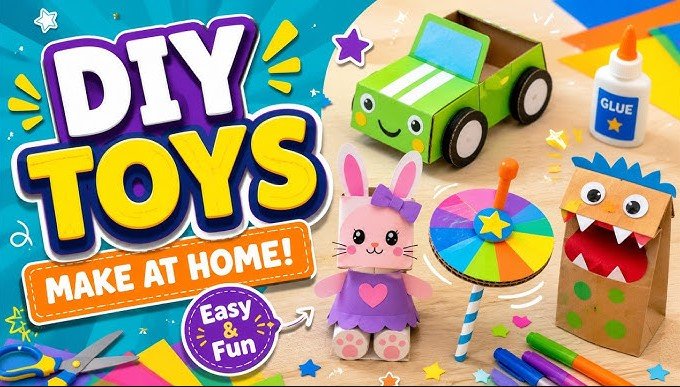
Learning how to make DIY toys is a rewarding way to reduce household waste while creating unique, budget-friendly treasures for your children. This guide explores simple, sustainable methods to turn everyday items into imaginative playthings that foster development and creativity in 2026.
In our fast-paced world of 2026, where digital screens and expensive plastic gadgets often dominate playrooms, there is a refreshing shift toward returning to the basics. Learning how to make DIY toys is not just a clever way to save a few dollars; it is a profound way to reconnect with your children through shared creativity. When you sit down to build something from scratch, you are teaching your kids that value isn’t always found in a store aisle—sometimes, it is hiding in the recycling bin.
The beauty of homemade playthings is their simplicity. A cardboard box can transform into a rocket ship, a castle, or a grocery store checkout counter. By engaging in these projects, you move away from passive entertainment and toward active construction. Let’s dive into how you can start your own maker space right at your kitchen table, turning ordinary supplies into extraordinary memories.
Key Takeaways
- Sustainability First: Making DIY toys helps clear household clutter by repurposing cardboard, fabric scraps, and plastic containers into fun tools for play.
- Skill Development: Crafting toys together builds fine motor skills in children and teaches them valuable lessons about engineering and design.
- Cost-Effective Creativity: You don’t need expensive store-bought gadgets; simple household items often provide more open-ended engagement than high-tech toys.
- Safety Conscious: Always prioritize non-toxic adhesives and sturdy materials to ensure that every homemade project is safe for little hands.
- Bonding Experience: The process of how to make DIY toys is just as important as the final product, offering quality time for parents and children to collaborate.
📑 Table of Contents
The Foundations of DIY Toy Construction
Before you start your first project, it helps to gather a basic kit. You do not need a professional workshop to learn how to make DIY toys. Most of the materials you need are already sitting in your pantry or garage. Keeping a “maker box” stocked with essentials makes it easy to jump into a project whenever inspiration strikes.
Essential Tools and Materials
Start by saving clean cardboard boxes of all shapes and sizes. These are the gold standard for DIY projects. Beyond cardboard, collect masking tape, non-toxic school glue, markers, and yarn. Old fabric scraps from worn-out clothes or mismatched socks are also perfect for making puppets or soft dolls. Having a safe pair of scissors and a low-temperature glue gun will allow you to tackle almost any design you dream up.
Prioritizing Safety and Durability
When you learn how to make DIY toys, safety must remain the top priority. Always check that the materials you use are clean and free of sharp edges. If you are crafting for toddlers, avoid small objects that could pose a choking hazard. Use water-based paints and non-toxic markers. Remember that DIY toys are meant to be loved, but they might not last forever like mass-produced plastic items. That’s okay! The process of building a new one is part of the fun.
Transforming Recyclables into Imaginative Worlds
The most accessible way to start is by looking at items destined for the trash. By reframing waste as a resource, you teach your children about environmental stewardship. Cardboard is the ultimate canvas for the imagination.
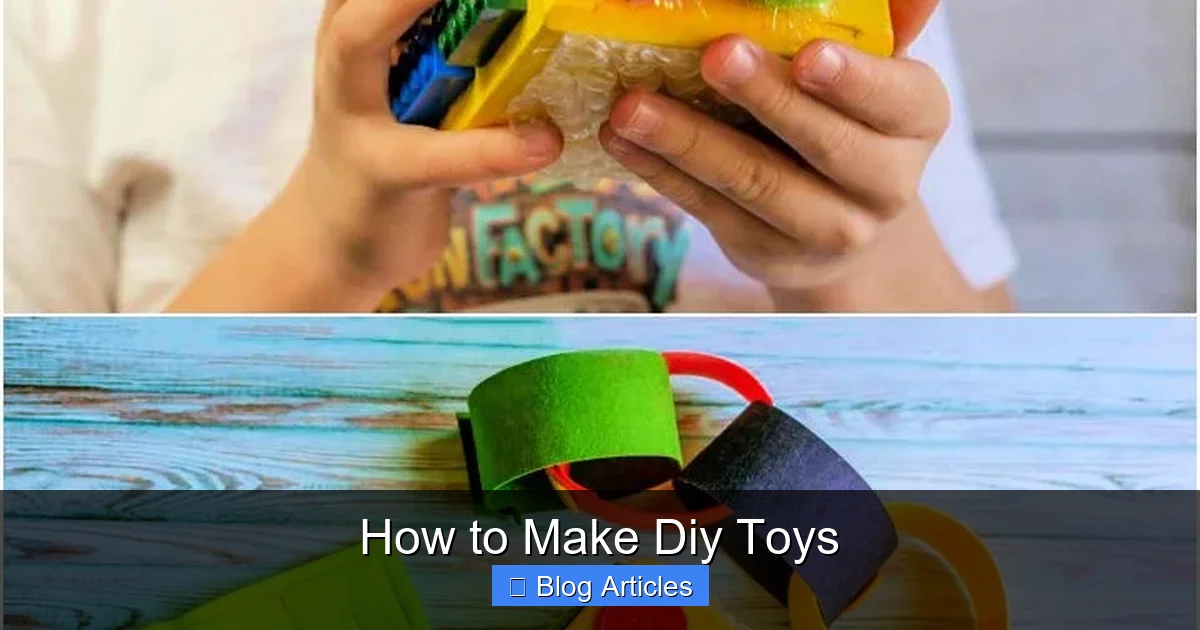
Visual guide about How to Make Diy Toys
Image source: solarlivingsavvy.com
Building Cardboard Forts and Vehicles
A large appliance box is essentially a blank slate. By using a box cutter (always managed by an adult), you can cut out windows and doors to create a secret hideout. Add some battery-operated fairy lights to the inside to make it magical. For smaller boxes, stack them to create a robot costume or a toy car. How to make DIY toys often involves just adding a coat of paint or a few drawn-on dials to make the object feel real.
Creative Use of Plastic Containers
Empty plastic bottles are excellent for sensory play. Fill them with beads, glitter, and water to make mesmerizing discovery bottles. You can also turn plastic laundry detergent jugs into “scoopers” for sandboxes or garden play. By washing and repurposing these items, you extend their life cycle while providing your child with hours of entertainment.
Sewing and Textile-Based DIY Projects
If you have some basic sewing skills—or are willing to learn—textiles open up a world of soft, cuddly possibilities. Fabric toys feel personal and are often cherished long after they have been outgrown. You don’t need a sewing machine to create simple items; a basic needle and thread or even fabric glue can do the trick.
Crafting Hand Puppets from Old Socks
Socks that have lost their partners are the perfect candidates for a puppet show. Use buttons for eyes, yarn for hair, and felt scraps for mouths. How to make DIY toys like these is simple: just let your child choose the personality of the puppet. Once they have a character, they can put on a play, which helps build their narrative skills and confidence.
Creating Soft Blocks and Dolls
Fabric scraps stuffed with cotton balls or old rags make excellent soft blocks for babies. They are safe, quiet when dropped, and colorful. For older children, try making simple rag dolls with yarn hair and simple clothes. These toys often become comfort objects, proving that the best gifts are the ones made with love rather than purchased in a package.
Science and Engineering-Focused Play
DIY toys can be more than just fun; they can be educational. Many of the best projects teach children about physics, motion, and balance. By building these toys, your children gain a foundational understanding of how things work.
Making Simple Marble Runs
One of the most popular engineering projects is a marble run. You can use paper towel rolls, toilet paper tubes, and cardboard strips to create a gravity-defying track on a wall or a flat surface. Use masking tape to attach the tubes, and experiment with different angles. This is a brilliant lesson in trial and error. If the marble stops, your child has to figure out why and adjust the slope—that is true problem-solving in action.
Designing Rubber Band Power
You can build cars or boats powered by rubber bands. By stretching a rubber band across a propeller or an axle, you store potential energy that releases as motion. Watching a toy move because of a mechanism they built themselves is a thrilling experience for a child. It turns science into something tangible and exciting.
The Benefits of DIY Play for Child Development
Learning how to make DIY toys has a ripple effect on your child’s growth. When a child plays with a store-bought electronic toy, they are often a passive participant. However, when they play with a homemade toy, they become the creator, the narrator, and the engineer.
Fostering Problem-Solving Skills
Every time you build, you face challenges. Maybe the glue won’t hold, or the box is too heavy. Working through these hurdles teaches resilience. When you demonstrate how to make DIY toys, you are showing your child that it is okay to try, fail, and try again. This mindset is vital for their future academic and personal success.
Promoting Open-Ended Play
Simple toys are often the best because they don’t do just one thing. A wooden stick can be a magic wand, a horse, or a sword. By making your own toys, you avoid “over-specified” items that limit imagination. You are giving your child the tools to dictate their own play, which significantly boosts their creativity and cognitive flexibility.
Keeping the Momentum: Making DIY a Family Routine
The best way to ensure this practice sticks is to integrate it into your family life. You don’t need to turn every day into a crafting marathon. Sometimes, the best DIY sessions happen spontaneously on a rainy Sunday afternoon.
Establishing a Maker Corner
If space permits, designate a small area as the “Maker Corner.” Keep a bin of clean recyclables, a glue gun, some tape, and markers there. Having these supplies easily accessible means you won’t feel overwhelmed when a project starts. When you make it a habit, your children will start looking at trash differently—they will start seeing potential.
Sharing the Process
When you finish a project, display it. Use the toy in play. Take pictures and share the process with grandparents or friends. By celebrating the toys you make, you show your children that their hard work is valuable. The act of sharing these creations reinforces the joy and pride that comes from building something with your own two hands.
As we navigate 2026 and beyond, the trend toward sustainable, intentional living will only continue to grow. Learning how to make DIY toys is a small but powerful way to align your home with these values. Whether it is a simple cardboard boat or a complex marble run, every homemade toy tells a story of imagination and effort. So, grab some tape, find a box, and start creating today. The best toys aren’t bought; they are built.
FAQs
Is it safe to use recycled materials for DIY toys?
Yes, it is perfectly safe as long as the materials are cleaned thoroughly and are free of sharp edges or dangerous chemicals. Avoid items that previously held toxic substances or small plastic pieces that could pose a choking hazard to young children.
What if I am not naturally artistic or crafty?
You do not need to be an artist to learn how to make DIY toys. Many of the most engaging projects for children focus on functionality rather than beauty, so simple shapes and basic structures are often preferred by kids.
How can I encourage my child to play with DIY toys over store-bought ones?
The key is involving them in the creation process so they feel a sense of ownership over the toy. When a child builds something themselves, they naturally want to play with it, and it often holds their interest longer than a mass-produced item.
Are DIY toys durable enough for daily play?
While they may not last as long as industrial plastic toys, they are often surprisingly sturdy if built with high-quality tape or non-toxic glue. If they break, the repair process is another great learning opportunity for your child.
What is the best age range for these types of projects?
Almost any age can enjoy DIY projects, though the level of assistance needed will vary. Toddlers can help with simple gluing and decorating, while older children can take the lead on structural design and engineering challenges.
Does making DIY toys save money in the long run?
Yes, it is highly cost-effective because you are using household recyclables instead of buying new items. By investing in a few basic craft supplies, you can produce dozens of toys without the high price tag of retail alternatives.