Starting a DIY pet toy business is a fantastic way to blend creativity with your love for animals. This guide covers everything from sourcing pet-safe materials to mastering the marketing strategies needed to help you successfully make dog toys to sell in 2026.
Do you spend your weekends crafting, or do you have a dog that destroys every store-bought toy in minutes? If you have ever thought about turning your creative hobby into a side hustle, you are in the right place. In 2026, the pet industry is booming, and owners are constantly looking for unique, high-quality alternatives to mass-produced items. Learning how to make dog toys to sell is a rewarding journey that combines your love for crafting with the growing demand for artisanal pet goods.
Selling handmade dog toys is more than just sewing fabric or braiding ropes; it is about providing joy and enrichment to furry family members. As a maker, you have the power to create products that are safer, more durable, and more stylish than what you find on big-box store shelves. With the right approach to material selection and marketing, you can build a brand that pet parents trust and love.
Key Takeaways
- Safety First: Always prioritize non-toxic, durable materials to ensure every product you make is safe for dogs of all sizes.
- Market Research: Identify niche trends in the 2026 pet market, such as eco-friendly or interactive puzzle toys, to stand out.
- Testing Matters: Conduct rigorous “chew tests” with different breeds to confirm the durability of your toy designs before selling.
- Brand Identity: Develop a unique aesthetic and brand story that resonates with pet owners looking for quality, handmade goods.
- Legal Compliance: Research local regulations and labeling requirements for pet products to protect your small business.
- Strategic Pricing: Calculate your labor, material costs, and shipping to ensure your pricing model supports a sustainable profit margin.
Understanding Safety and Material Selection
When you learn how to make dog toys to sell, safety must be your top priority. Unlike human crafts, dog toys undergo significant stress from teeth, claws, and aggressive shaking. You need to choose materials that are not only durable but also free from harmful chemicals, dyes, and coatings.
Selecting Non-Toxic Textiles
If you are sewing toys, skip the cheap, synthetic blends that fray easily. Opt for high-quality, natural fibers like heavy-duty organic cotton canvas, hemp, or wool felt. These materials are generally safer if accidentally ingested in small amounts compared to microplastics. Always check that your fabrics are dyed with non-toxic, vegetable-based pigments. If a dog licks or chews your toy, you want to be 100 percent sure that no harsh chemicals are entering their system.
Choosing Strong Fillings
The “stuffing” inside a toy is just as important as the exterior. Avoid using foam or tiny plastic beads, as these present choking hazards if the toy rips. Instead, consider using shredded organic cotton or even recycled fabric scraps from your own production process. This keeps your business sustainable while providing a soft, safe center for your toys. If you want to make a crinkle toy, use food-grade, thin plastic films designed specifically for pet toys, or simply use layers of thick canvas that make a natural crunching sound.
Design Trends for the 2026 Pet Market
The pet market changes quickly, and staying ahead of trends will help you sell more effectively. In 2026, pet owners are moving toward minimalism, eco-consciousness, and interactive play. Keeping these trends in mind when you make dog toys to sell will set your products apart from generic imports.
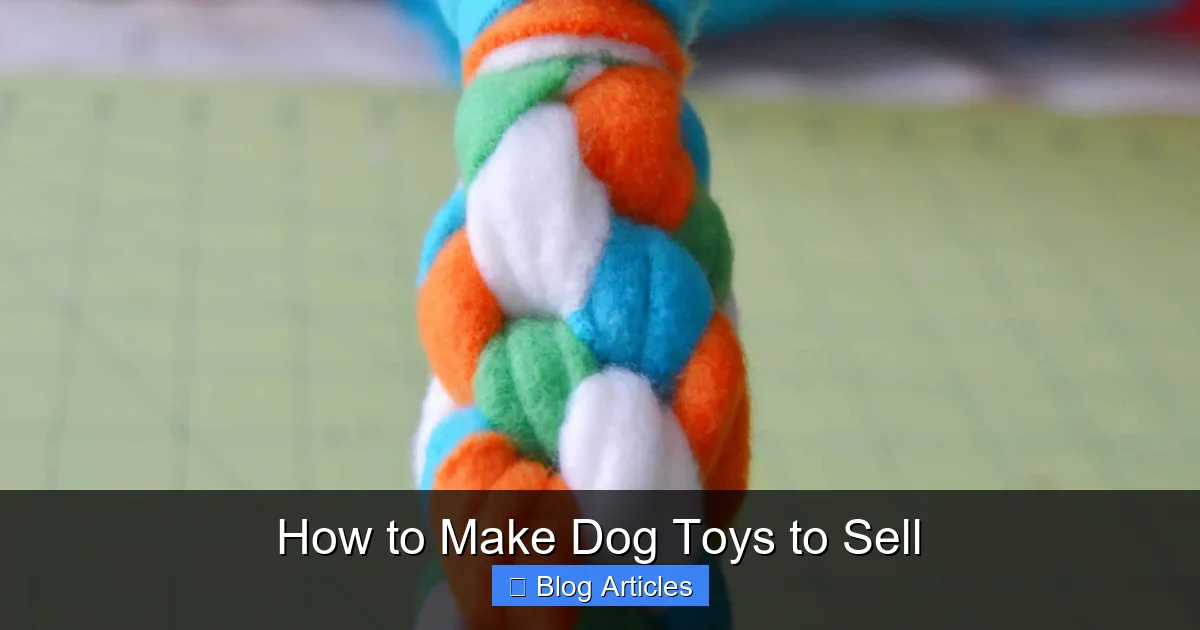
Visual guide about How to Make Dog Toys to Sell
Image source: marymarthamama.com
Eco-Friendly and Sustainable Toys
Sustainability is a huge selling point this year. Use upcycled materials like denim from old jeans or climbing ropes to create “upcycled tug toys.” Market these as durable and Earth-friendly. When you use recycled materials, you can charge a premium because you are helping the planet while providing a high-quality product for a pet.
Interactive and Enrichment Toys
Owners are increasingly focused on mental stimulation. Design toys that allow for “sniffing” or hiding treats inside. Think about braided ropes that can hold a treat or fabric pockets sewn into a tug toy. These designs engage a dog’s brain, which makes your product much more valuable to the owner than a standard plush toy that serves no purpose other than fetching.
Testing Your Prototypes for Durability
Before you list a new item on your shop, you must ensure it can survive a real dog. This is the stage where many makers fail, but it is the most important step in building a reputation. If you don’t have a dog, reach out to friends, family, or neighbors to serve as “product testers.”
The Chew-Test Method
Give your prototypes to dogs with different chewing styles—the “gentle nibblers,” the “tuggers,” and the “aggressive destroyers.” Watch how they interact with the toy. Does the seam pop immediately? Is the toy too heavy for a small dog? Note every failure point and reinforce those areas with double or triple stitching. A toy that lasts is a toy that earns you a five-star review.
Focusing on Stitching Techniques
Invest in a sturdy sewing machine or learn high-quality hand-stitching techniques like the “saddle stitch.” Use heavy-duty nylon or bonded polyester thread. These materials are much stronger than standard cotton thread and will not snap under the pressure of a dog’s jaw. Always reinforce the areas where handles or limbs are attached, as these are the first spots to tear during a game of tug-of-war.
Branding Your Handmade Pet Business
People do not just buy toys; they buy the story behind the toy. To successfully make dog toys to sell, you need to create a brand image that feels professional and trustworthy. Whether you sell on social media or an e-commerce platform, your presentation matters.
Finding Your Niche Aesthetic
Do you want to sell rugged, outdoorsy toys for adventure dogs? Or perhaps chic, designer-style toys that look great in a modern living room? Pick a lane and stick to it. If your brand features bright, bold colors, keep your photography and packaging consistent with that theme. High-quality product photography is non-negotiable in 2026. Use natural light, clean backgrounds, and—if possible—real dogs using your toys to show your audience that they are safe and fun.
Writing Your Brand Story
In your product descriptions and “About” page, talk about why you make these toys. Did you start because your dog was bored? Are you passionate about using local, organic materials? Customers love supporting a person rather than a faceless corporation. Being transparent about your manufacturing process builds immediate trust, which is the currency of the handmade business world.
Logistics, Pricing, and Growth
The business side of things might feel less creative, but it is what allows you to keep crafting. You need to calculate your costs carefully. If you spend three hours making a toy, your price must reflect the value of that time, not just the cost of your fabric and thread.
The Math Behind the Sale
Keep track of every cent spent on materials. When you calculate your price, include the cost of your time, packaging, shipping materials, and platform fees. If you undervalue your work, you will quickly burn out. Remember, you are offering a boutique product. Do not be afraid to charge what you are worth. As you gain more experience, you can increase efficiency, but your prices should always reflect the quality of your labor.
Navigating Regulations
As you grow, look into local regulations for pet goods. While the regulations are generally more relaxed for small-batch handmade items compared to large toy manufacturers, you should always ensure your items are labeled correctly. Consider adding a small tag to your toys that reminds owners to “Always supervise play.” This simple step is a professional touch that also covers your liability.
Conclusion: Building a Future in Pet Crafting
Learning how to make dog toys to sell is a journey that pays off in both profit and personal fulfillment. It is a wonderful way to connect with the dog-loving community while expressing your own creativity. Start small, focus on safety, and listen to the feedback from the pups who play with your designs. In 2026, there is plenty of room for makers who put care, love, and quality into their products.
Take the leap today by sketching your first design or testing a new, durable fabric. With consistency and a passion for your craft, you will find that pet owners are eager to support your vision. Whether you turn this into a full-time career or a steady side income, the joy you bring to dogs and their owners is truly priceless.
Frequently Asked Questions
What materials are best for dog toys?
Natural, heavy-duty fabrics like organic cotton canvas, hemp, and wool felt are excellent choices. Always ensure that any dyes used are non-toxic and that you are using heavy-duty, bonded nylon thread for durability.
How do I make sure my toys are safe for dogs?
Safety is achieved through proper design and rigorous testing. Avoid small parts like buttons or plastic eyes that can be choked on, and always perform “chew tests” with different breeds to ensure the seams hold up to stress.
How should I price my handmade dog toys?
Calculate your costs by adding up your raw material expenses, packaging, platform fees, and an hourly wage for your time. Your final price should cover these costs while providing a sustainable profit margin for your business growth.
What are the best platforms to sell my dog toys?
Many makers start on platforms like Etsy or Shopify, which cater to handmade and boutique goods. Additionally, using social media platforms like Instagram or TikTok to showcase your creation process is a great way to drive traffic to your shop.
Do I need a license to sell handmade pet toys?
Requirements vary by location, so it is important to check your local business laws and tax requirements. While federal regulations for pet toys are generally less strict than human toy laws, you should always maintain clear safety labeling on your products.
How can I make my dog toys stand out from competitors?
Focus on a specific niche, such as eco-friendly, upcycled, or enrichment-based toys. Combining a unique brand story with high-quality, professional photography will help your products stand out in a crowded 2026 marketplace.