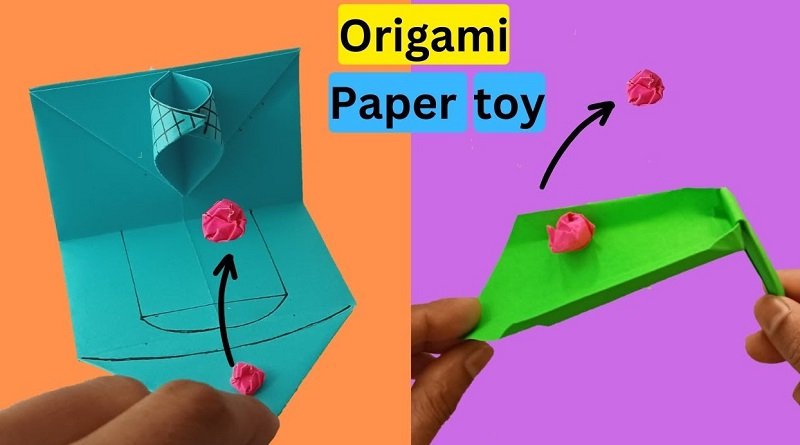
Origami is the timeless art of paper folding that transforms simple sheets into incredible interactive toys. This guide will show you how to make origami toys that move, jump, and spin, providing hours of creative, screen-free entertainment for crafters of all ages.
Welcome to the wonderful world of paper folding! If you have ever wondered how to make origami toys, you are in the right place. In 2026, we are seeing a massive resurgence in tactile hobbies that help us disconnect from our digital devices. Creating your own toys out of nothing but a single square of paper is not just a fun hobby; it is a magical experience that turns a simple material into something that feels alive.
Origami is an ancient craft, but it stays relevant because it is accessible to everyone. You do not need expensive materials or advanced engineering degrees to start. All you need is a bit of focus, some paper, and a desire to create. Whether you are crafting for yourself, your children, or as gifts for friends, these paper toys are guaranteed to bring a smile to anyone’s face. Let’s dive into the basics of how to make origami toys together.
Key Takeaways
- Start with quality paper: Using standard square origami paper makes folding much easier and ensures your toys hold their shape.
- Precision is key: Sharp, crisp creases are the secret to professional-looking origami toys that actually function correctly.
- Practice patience: If a fold doesn’t work the first time, don’t worry! Everyone starts as a beginner, and mistakes are part of the process.
- Interactive elements: Many origami toys are designed to move, such as jumping frogs or flapping birds, which adds extra fun.
- Safety first: Keep your workspace clean and tidy to ensure you have enough room to fold your paper toys accurately.
- Experiment with designs: Once you learn the basics, try using different colors, patterns, or even drawing faces on your finished creations.
The Essentials: Getting Started with Paper Folding
Before you begin your first project, it is helpful to understand the basic tools of the trade. While you can technically use any paper, specialized origami paper is a game changer. It is perfectly square, thin enough to fold multiple times without bulk, and often features beautiful patterns or colors on one side.
Choosing Your Paper
If you are just learning how to make origami toys, stick to paper that is easy to manage. Lightweight paper is much better than heavy cardstock, which can be difficult to crease precisely. If you do not have store-bought origami paper, you can easily cut a standard sheet of printer paper into a perfect square. Just fold one corner to the opposite edge to form a triangle and cut off the excess strip.
Setting Up Your Workspace
You need a flat, hard surface to achieve the best results. A dining table or a clean desk works perfectly. Avoid folding on your bed or a rug, as these soft surfaces make it impossible to get the sharp, clean edges that define a great toy. Good lighting is also essential so you can see the lines and corners clearly.
The Jumping Frog: A Classic Action Toy
The jumping frog is perhaps the most iconic example of how to make origami toys that move. It is a fantastic beginner project that results in a toy that can actually “jump” when you press on its back. This project is perfect for racing games with friends or just keeping busy at your desk.
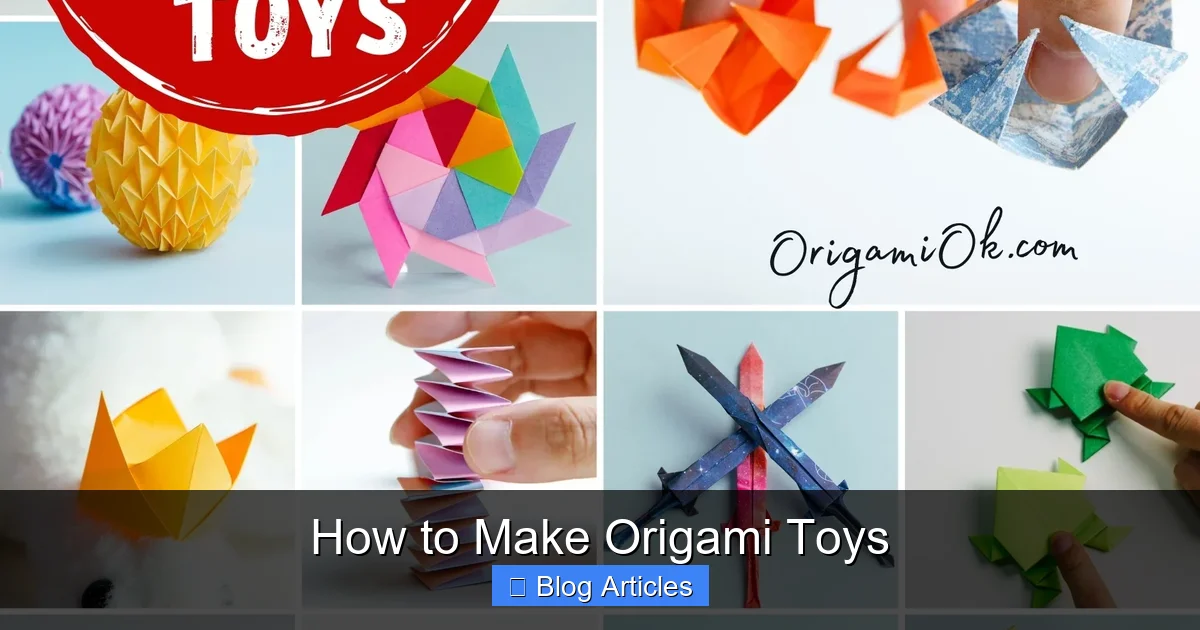
Visual guide about How to Make Origami Toys
Image source: origamiok.com
How the Frog Moves
The secret behind the jumping frog is the tension in the paper. By folding the back legs in a specific accordion-like pattern, you create a spring mechanism. When you push down on the rear of the frog, the legs flatten out, and when you release, the tension forces the frog to leap forward. It is simple physics in action!
Step-by-Step Tips for Success
Start by folding your square paper in half vertically and horizontally to create a grid. This helps you keep everything symmetrical. When you reach the step where you form the accordion legs, make sure your folds are as tight as possible. If the folds are loose, the frog will not jump very far. Remember, practice makes perfect, and your third frog will likely look much better than your first!
Transforming Paper into Spinning Tops
If you want to know how to make origami toys that provide kinetic fun, look no further than the modular origami top. Unlike single-sheet projects, a modular top is made by folding several pieces of paper and joining them together. This creates a sturdy, colorful toy that can spin for a surprisingly long time.
Building Modular Toys
Modular origami involves folding several identical units and then slotting them into one another. It sounds complicated, but it is actually quite repetitive and relaxing once you learn the basic unit fold. Because you use multiple sheets, you can mix and match colors to create a rainbow-like spinning effect when the toy is in motion.
Balancing Your Top
The key to a good spinning top is balance. If one side is heavier or shaped differently than the others, the top will wobble and fall over. Take your time to align the corners when assembling the pieces. A balanced toy will spin smoothly and silently across your table surface.
The Flapping Bird: An Elegant Moving Toy
One of the most impressive projects for beginners is the flapping bird. It is a variation of the traditional paper crane but with a clever hidden mechanism. When you pull the tail gently, the wings move up and down, mimicking a bird in flight. Knowing how to make origami toys like this will definitely impress your friends.
Mastering the Wing Mechanism
The flapping motion relies on a “reverse fold.” This is where you push a section of the paper inward rather than folding it outward. It can be tricky the first time, but once you see how it releases the tension in the neck and wings, you will understand the mechanics. Keep the folds loose enough to allow movement but firm enough to maintain the bird’s shape.
Customizing Your Creations
Once you have mastered the basic flapping bird, you can get creative. Try using patterned paper to make the bird look like a tropical species, or draw eyes on the head to give your toy more personality. These small details make your handmade toys feel like unique works of art.
Advanced Techniques for Kinetic Toys
As you get comfortable with basic folds, you might want to challenge yourself with more complex designs. Learning how to make origami toys that transform or fold into different shapes is the next level of the craft. These projects often involve “waterbomb bases” or “blintz bases,” which are foundational shapes used in many complex figures.
Understanding Paper Tension
Advanced origami relies heavily on managing tension. Some toys use folded tabs that lock together, while others rely on the natural spring of the paper. You will learn to feel the paper. If it feels like it is going to tear, you are likely pushing too hard or trying to create a fold that is too thick. Use your fingernail to reinforce every crease as you go.
Finding Inspiration Online
In 2026, the online origami community is more vibrant than ever. Look for video tutorials if you get stuck on a specific step. Sometimes, seeing someone else perform a fold is all you need to clear up your confusion. There are also many forums where enthusiasts share tips on how to make origami toys that have never been seen before.
Maintaining and Displaying Your Origami
Now that you know how to make origami toys, you might wonder how to keep them in good shape. Paper is fragile, but with the right care, your creations can last a long time. You don’t need to be a museum curator to protect your collection, but a few simple habits will help.
Storage and Care
Keep your paper toys away from direct sunlight, which can fade the colors. Also, store them in a dry place. Humidity is the enemy of paper, as it can make the folds soft and lose their shape. If your toys get dusty, a very gentle puff of air or a soft brush is all you need to clean them.
Sharing the Joy
The best part about learning how to make origami toys is sharing the skill. Teach a friend or a child how to fold their first frog or bird. Origami is a universal language; you do not even need to speak the same language to fold paper together. It is a wonderful way to connect with people and pass on a timeless, creative skill.
You now have the knowledge to start your paper-folding journey. Remember that every master started as a novice. Don’t be afraid to waste a few sheets of paper while you figure out the folds. Enjoy the process of creating something from nothing, and have fun with your new, handmade toys!
Frequently Asked Questions
Is origami hard for beginners?
Origami is not hard if you start with simple models like the jumping frog or paper boat. There are many beginner-friendly patterns available that help you learn the basic folds quickly. As you practice, you will find your hands becoming more confident and precise.
What is the best paper for making origami toys?
Standard origami paper is the best choice because it is thin, easy to crease, and perfectly square. If you are a beginner, you can also use thin printer paper cut into a square. Avoid thick construction paper as it is too stiff for delicate folds.
Can I use recycled paper for these projects?
Yes, absolutely! Old magazines, wrapping paper, or even newspaper can make wonderful and unique origami toys. Just ensure the paper is thin enough to fold several times without becoming too bulky to handle.
How do I keep my origami toys from falling apart?
Making sharp, crisp creases is the secret to keeping your toys together. If you find a model is coming undone, you can use a tiny dab of glue stick on the hidden folds to secure the structure without ruining the aesthetic.
How long does it take to learn how to make origami toys?
You can learn to make your first simple toy in about 15 to 20 minutes. Mastering complex designs takes more time, but the learning process itself is very rewarding and relaxing. Most people notice significant improvement after just a few hours of practice.
Is origami good for kids?
Origami is excellent for kids because it improves fine motor skills, focus, and patience. It is also a safe, quiet activity that encourages creativity and teaches children how to follow step-by-step instructions. Always supervise younger children to ensure they have fun safely.