Moving with children is a major life event, and keeping their belongings safe is a top priority. This guide offers actionable strategies to help you pack toys for moving efficiently, ensuring everything arrives intact for a smooth start in your new home.
Moving to a new home is an exciting adventure, but if you have children, the process can feel a bit overwhelming. One of the biggest challenges parents face is figuring out how to pack toys for moving without losing their sanity—or breaking their child’s favorite items. Toys come in all shapes, sizes, and materials, making them tricky to organize. From fragile plastic figurines to bulky board games, every item requires a slightly different approach to ensure it survives the journey to your new front door.
In 2026, we have access to better organizational tools and smarter moving hacks than ever before. Whether you are dealing with a mountain of plush animals or a high-tech gaming setup, you can handle the task with ease. By following a structured plan, you can turn a chaotic chore into a collaborative project that actually helps your kids feel more comfortable about the big move. Let’s dive into the best methods to protect those precious treasures.
Key Takeaways
- Declutter First: Sort toys with your children to donate or discard broken items before packing.
- Use Quality Materials: Invest in sturdy boxes, acid-free paper, and bubble wrap to protect delicate pieces.
- Categorize by Type: Keep like items together to make unpacking easier and more organized.
- Involve the Kids: Turn the packing process into a game to reduce anxiety and build excitement for the move.
- Protect Electronics: Remove batteries and use anti-static wrap for gaming consoles and battery-operated toys.
- Keep Essentials Accessible: Pack a “first-night box” with your child’s favorite comfort toys for the first 24 hours.
1. The Pre-Move Purge: Sorting and Decluttering
Before you even think about grabbing a roll of packing tape, take a moment to evaluate your collection. Most families accumulate far more toys than they actually play with. Packing items that haven’t been touched in years is a waste of time and space. The pre-move purge is your secret weapon for a lighter, faster move.
Involving Your Little Ones
If your children are old enough, involve them in the decluttering process. Frame it as a “giving back” mission. Let them choose toys they have outgrown that can be donated to other kids who might enjoy them. This helps them feel a sense of ownership over the move. When kids understand that their favorite toys are staying with them, they become much less anxious about the entire process.
Safety First: The Toss Pile
Be honest about the state of your items. If a toy is broken, missing pieces, or has a loose battery compartment that could leak, it is time for it to go. Dealing with a box of damaged plastic at your new home is never fun. Clear out the clutter so that when you pack toys for moving, you are only moving items that bring real value and joy to your family.
2. Best Practices for Packing Delicate Items
Not all toys are created equal. Some, like antique dolls, hand-painted wooden blocks, or intricate model kits, need extra love. If you want to avoid heartbreak when you open your moving boxes, you must prioritize protection for these fragile treasures.
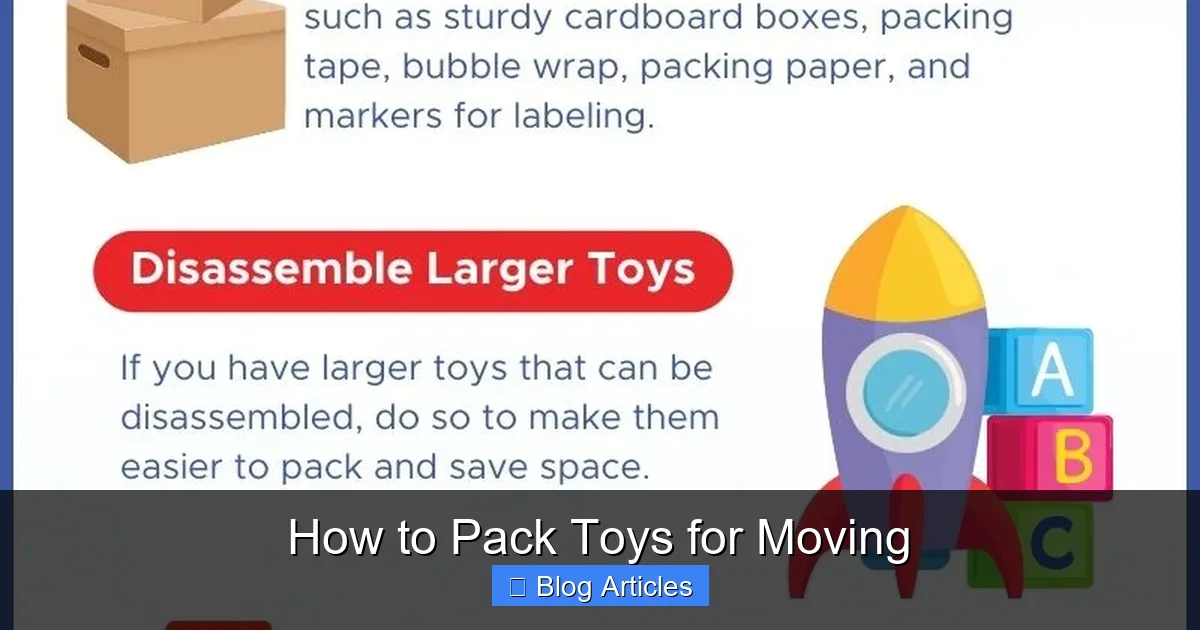
Visual guide about How to Pack Toys for Moving
Image source: heroesmovingandstorage.com
Layering with Protection
The key to packing delicate toys is minimizing friction. Use high-quality packing paper rather than newspaper, which can leave ink smudges on surfaces. Wrap each delicate item individually. If you have a collection of small plastic figurines, place them in a small plastic container or Ziploc bag first, then wrap that container in bubble wrap. This keeps tiny parts from scattering inside a larger box.
Filling the Voids
Movement is the enemy of packing. If a toy shifts inside a box during transport, it is much more likely to break. Use soft items, like socks or small towels, to fill in the empty spaces around your wrapped toys. This provides an extra layer of cushioning while also helping you save space by utilizing items you need to move anyway.
3. Mastering Board Games and Puzzles
Board games are notorious for causing headaches during a move. If you have ever opened a box to find game pieces scattered everywhere, you know exactly what I mean. The goal here is to keep the contents of the game box contained, no matter how much the moving truck jostles.
Keeping Boxes Closed
Don’t rely on the original lids alone; they often pop open during transit. Use a piece of painter’s tape or a large rubber band to secure the lid to the base of the game box. This is a simple trick that works wonders. For puzzles, put the pieces into a sealed freezer bag, then place the bag inside the original puzzle box. This prevents you from finding rogue puzzle pieces hidden at the bottom of your moving cartons.
Grouping Similar Items
When you pack toys for moving, group your board games together in medium-sized boxes. Because these games are usually rectangular and sturdy, they pack quite well together. Just be sure not to overfill the boxes, as they can become heavy quickly. Stick to a weight limit that makes the boxes easy for you or your movers to lift.
4. Storing Plush Toys and Soft Goods
Stuffed animals are bulky and take up a massive amount of room. However, they are also some of the most important items for a child’s emotional well-being. Packing them correctly means keeping them clean, dry, and ready for immediate cuddling upon arrival.
Vacuum Sealing for Efficiency
Vacuum-seal bags are a game-changer for plush toys. By removing the air, you can shrink a giant pile of stuffed animals into a flat, manageable package. This creates more space in your moving vehicle for more fragile items. Always make sure the toys are clean and completely dry before sealing them; moisture trapped in a vacuum bag can lead to mildew.
The “Fresh” Approach
If you don’t have vacuum bags, use clean, large plastic trash bags. Even if you don’t vacuum the air out, the plastic bags serve as an excellent barrier against moisture and dust. Label the bags clearly so you don’t accidentally throw them out with the actual trash on move-in day!
5. Managing Electronics and High-Tech Toys
In 2026, many of our children’s toys require batteries, chargers, and complex components. These items require special care to prevent damage to the internal electronics and to ensure they work when you reach your destination.
Battery Safety Protocols
Always remove batteries from battery-operated toys before packing. Even high-quality batteries can corrode if left inside a toy for a long time, especially in the fluctuating temperatures of a moving truck. Tape the batteries to the outside of the battery cover or place them in a small labeled baggie attached to the toy.
Digital Device Protection
For gaming consoles or tablets, use anti-static bubble wrap. These devices are sensitive to static electricity, which can build up in certain types of plastic wrap. Keep all chargers and controllers together in a dedicated “tech bag” so you aren’t searching for a specific power cord while your kids are trying to set up their favorite games.
6. The “First-Night” Box Strategy
The transition to a new home can be disorienting for kids. They may feel overwhelmed by the change in environment. This is why you should pack a special “first-night box” that stays with you, not in the moving truck.
What to Include
Think of this as an emergency kit for your child. Include their absolute favorite stuffed animal, one or two go-to books, a set of building blocks, and perhaps a tablet or a handheld game. By having these items accessible the moment you arrive, you give your child a sense of normalcy and comfort in an otherwise unfamiliar setting.
Labeling Your Essentials
Label this box clearly as “OPEN FIRST.” When you are exhausted from moving, you will be thankful that you don’t have to tear through dozens of boxes just to find your child’s favorite bedtime companion. This small step significantly lowers stress for the whole family and makes the move feel like an adventure rather than a disruption.
Conclusion
Learning how to pack toys for moving is about more than just organizing boxes; it is about protecting the comfort and happiness of your children during a major life transition. By decluttering, using the right materials, and keeping your child’s most beloved items within reach, you set the stage for a positive experience in your new home.
Remember that the process doesn’t have to be perfect. Even if a few things get out of place, the most important part of the move is the time you spend together. With these tips in your toolkit, you can manage the logistics with confidence and get back to what really matters: helping your children settle into their new space and making new memories. Happy moving!
Frequently Asked Questions
Should I let my children help pack their own toys?
Yes, absolutely! Involving children in the process helps them feel empowered and reduces anxiety about leaving their old home, provided they are supervised to ensure everything is packed securely.
What is the best way to keep small toy pieces together?
Use Ziploc-style freezer bags for small parts like LEGOs or doll accessories. Tape the bag directly to the larger toy or keep all bags in one clearly labeled “small parts” box.
How can I prevent battery corrosion during the move?
Always remove batteries from any electronic toy before packing. This prevents leakage and damage to the device, especially if the moving truck is exposed to extreme temperatures.
Is newspaper safe to use for wrapping toys?
It is best to avoid newspaper because the ink can rub off onto plastic or fabric surfaces. Use acid-free packing paper or clean white butcher paper for better protection.
What should go in my child’s “first-night” box?
Include comfort items like a favorite stuffed animal, a nightlight, a few books, and simple quiet toys. This box should stay in your personal vehicle so it is available the moment you arrive.
How do I handle bulky items like play kitchens or dollhouses?
If possible, disassemble large plastic items and store the screws in a bag taped to the main body. If they cannot be disassembled, wrap them in heavy-duty moving blankets to prevent scratches.