
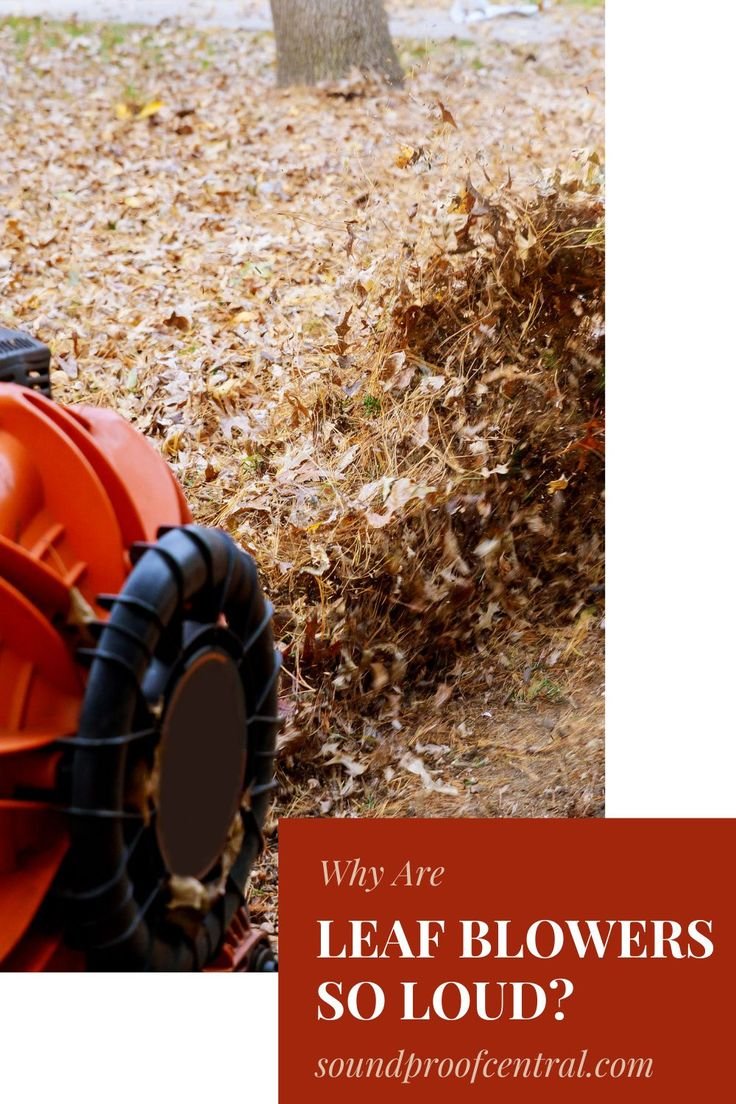
The best way to reduce leaf blower noise is to lower the throttle, keep the machine well maintained, use the right nozzle, increase distance, and choose a quieter electric or battery model when replacement is practical. Hearing protection and smart work hours also help protect people nearby.
Introduction
Leaf blower noise is a common concern across the United States. It can disturb neighbors, pets, schools, hospitals, and people who work from home. It can also harm your hearing when exposure is loud, close, or frequent.
You can reduce the noise without giving up the tool. Start with simple steps, such as cleaning the air filter, checking the tube, and using less throttle. If the blower is still too loud, add distance or consider a newer battery-powered model.
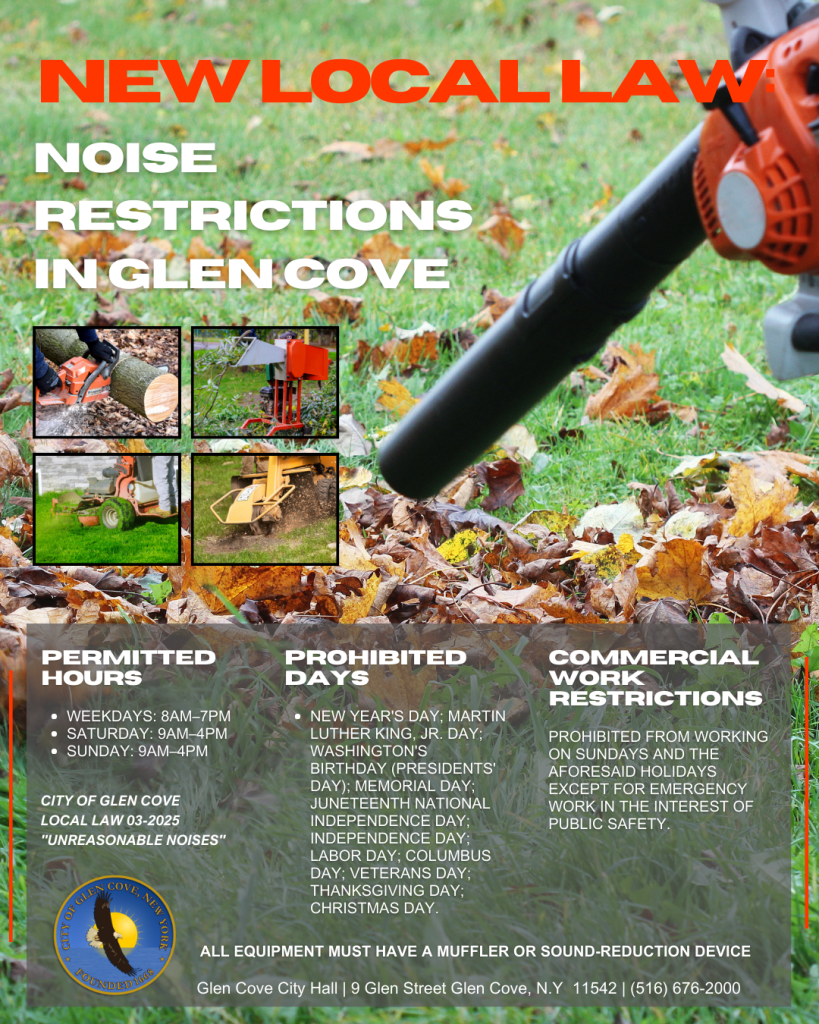
Local rules vary by city, county, and homeowners association. Check your local noise ordinance before using a blower early in the morning, late at night, or during restricted hours.

Why Are Leaf Blowers So Loud?
Leaf blowers make noise from several parts that work at high speed. The motor or engine creates vibration. The fan moves air through a narrow path. The air then exits the tube at high speed, which creates a loud rushing sound.
Gas-powered blowers often produce more noise because they have an internal-combustion engine. The engine, exhaust, vibration, and fan all add sound. Battery and corded electric blowers still make fan and motor noise, but they often avoid the extra sound from combustion and exhaust.
The sound level changes with:
- Engine or motor speed
- Throttle setting
- Blower design
- Nozzle shape
- Distance from the listener
- Hard surfaces near the work area
- Wind and nearby buildings
- The condition of the blower
A blower may sound much louder beside a brick wall than in an open yard. Hard surfaces reflect sound. Grass, soil, shrubs, and mulch absorb some sound energy.
Noise is measured in decibels, written as dB. The dB scale is logarithmic, so a small number change can represent a meaningful change in sound energy. A lower setting may sound only a little quieter to you but can still reduce the noise reaching a neighbor.

1. Use the Lowest Throttle That Gets the Job Done
Lowering the throttle is often the fastest way to reduce leaf blower noise. Full power creates more motor, engine, fan, and air noise. It also moves more dust and debris than you may need.
Use a low or medium setting for:
- Dry leaves on short grass
- Light debris on a driveway
- Leaves gathered in a small pile
- Work near homes, fences, or parked cars
Use higher power only when needed. Wet leaves, pine needles, gravel, and heavy debris may need more airflow.
Work in short bursts instead of holding full power. A slower pass can move leaves with less noise than a fast blast. Keep the nozzle close to the ground, but do not scrape it across hard surfaces.
A lower throttle also uses less fuel or battery power. That can extend run time and reduce operating cost.

2. Maintain the Blower
Poor maintenance can make a leaf blower louder. A dirty air filter can restrict airflow and force a gas engine to work harder. A damaged fan, loose cover, or blocked intake can cause vibration and an uneven sound.
Before each use, inspect the blower for:
- Loose screws or covers
- Cracked plastic
- A damaged blower tube
- A blocked air intake
- Leaves or dirt inside the housing
- A bent or damaged fan
- A loose muffler on a gas model
- A dirty air filter
- A frayed power cord on a corded model
Follow the owner’s manual for cleaning, spark plug service, fuel-system care, and filter replacement. Turn off the blower and disconnect the battery or power cord before inspection. For a gas model, let the engine cool before working near the muffler or exhaust.
Stop using the blower if it makes a new grinding, rattling, screeching, or knocking sound. A repair shop can check the fan, bearings, engine, and housing. Do not keep using a machine that vibrates badly.

3. Use the Correct Nozzle
The nozzle changes how air leaves the blower. A narrow nozzle can create a stronger, more focused air stream. That may help move wet leaves, but it can also create a sharper and louder sound.
Try a wider nozzle for light debris. It may let you work at a lower throttle. Use the narrow nozzle only when you need its extra force.
Never remove the nozzle unless the manufacturer permits that setup. Do not use a cracked or loose tube. A damaged tube can change airflow and may increase vibration.
Keep the nozzle pointed at the ground. Avoid aiming it at walls, fences, garage doors, or other hard surfaces. Reflected sound can make the work area seem much louder.
4. Increase the Distance From People and Buildings
Sound decreases as it spreads through open space. Even a small increase in distance can make the blower less disruptive to a neighbor or another person in the yard.
When possible:
- Start at the edge of the property.
- Work away from homes and occupied rooms.
- Point the blower away from people.
- Keep the machine on the far side of the yard.
- Finish near the property line that is farthest from neighbors.
Do not assume that a fence will block all noise. A typical wood fence may block some direct sound, but it does not create a sealed sound barrier. Gaps, open tops, and nearby walls can allow sound to travel around it.
Distance also protects your own hearing. Do not hold the blower close to your body or face. Keep the motor and exhaust away from enclosed spaces.

5. Choose a Quieter Time of Day
Good timing can reduce conflict more than a small mechanical change. Use a leaf blower during daytime hours when people are less likely to sleep, study, or relax outdoors.
Before using one, check:
- City or county noise rules
- Local park or community rules
- Homeowners association rules
- Apartment or rental policies
- Workplace safety rules
Rules differ across the United States. Some places limit gas-powered landscaping equipment. Others set quiet hours or restrict equipment by sound level. A local rule may apply even if your blower is well maintained.
Avoid using a blower near open windows, outdoor events, schools, hospitals, or quiet work areas. If a neighbor asks for a different time, a simple schedule change may solve the problem.

6. Use Natural and Temporary Sound Barriers
Sound barriers work best when they sit between the blower and the listener. Dense shrubs, hedges, soil banks, and solid walls may reduce direct sound.
For temporary work, you can use the layout of the yard:
- Work behind a hedge when safe.
- Keep the blower on the side of a building away from neighbors.
- Place leaf piles away from bedrooms and patios.
- Use a garage or shed only for storage, not for running the blower.
- Avoid corners where sound can reflect between walls.
Never run a gas-powered blower inside a garage, shed, basement, vehicle, or other enclosed space. Carbon monoxide from the engine can build up quickly. Electric blowers also need proper ventilation and safe electrical use.
A barrier cannot replace safe distance or reasonable work hours. It may reduce direct sound, but it will not make a loud blower silent.

7. Switch From Gas to Battery or Corded Electric
If your blower is still too loud, changing the power source may help. Battery and corded electric blowers do not have engine exhaust or combustion noise. They still produce motor and fan noise, so they are not silent.
A battery blower may be a good fit when you need:
- Lower noise near homes
- No fuel mixing or storage
- Less engine maintenance
- Easier starting
- Short or medium cleanup jobs
A corded electric blower can work well for a small yard with a safe outdoor outlet. It may produce steady noise, but it avoids fuel and battery charging. Keep the cord away from the blower tube, water, sharp edges, and foot traffic.
Gas blowers may still offer longer continuous run time or greater airflow for large properties. The quieter choice depends on the job, the yard size, and local rules.
When comparing models, look for a manufacturer sound rating in dB. Compare ratings only when the test conditions and measurement distance are similar. A published rating is useful, but it may not predict the exact sound at your property.

8. Use Ear Protection
Ear protection does not make the blower quieter for other people. It protects you from the sound.
The National Institute for Occupational Safety and Health, or NIOSH, recommends limiting occupational noise exposure to an average of 85 dBA over an eight-hour workday. Its guidance uses a 3-dB exchange rate, meaning the recommended exposure time drops as sound rises.
For leaf blower use:
- Wear properly fitted earplugs or earmuffs.
- Use both when the blower is very loud or used for long periods.
- Keep children away from active equipment.
- Do not rely on earbuds or music headphones as hearing protection.
- Stop if you notice ringing, muffled hearing, or ear pain.
Hearing protection must fit well. Foam earplugs need to be rolled, inserted, and held in place while they expand. Earmuffs must seal around the ears without large gaps.
If ringing or hearing changes continue after you stop, speak with a health professional. Repeated loud-noise exposure can cause permanent hearing damage.

9. Reduce the Time You Need the Blower
The quietest blower session is a shorter one. You can reduce run time by changing how you handle leaves.
Try these methods:
- Mow leaves into the lawn when appropriate.
- Rake large piles before using the blower.
- Use a tarp to move leaves across a lawn.
- Sweep hard surfaces with a broom.
- Clear leaves in small sessions before they become wet.
- Use a mulching mower where local waste rules allow it.
- Blow leaves into one planned collection area.
Do not blow leaves into streets, storm drains, or neighboring property. Leaves can clog drains and create slippery road conditions. Local rules may also require yard waste to be bagged, composted, or placed in a specific collection area.
Using the blower only for the final cleanup can reduce noise, fuel use, battery drain, and airborne dust.

10. Avoid Unsafe “Quieting” Modifications
Do not modify the exhaust, remove safety screens, block air openings, or wrap the motor to reduce sound. These changes can cause overheating, carbon monoxide hazards, fire risks, poor engine performance, or damage.
Do not attach homemade mufflers or covers to the blower tube. They can restrict airflow and increase pressure inside the machine. They may also cause the blower to overheat.
Use only manufacturer-approved parts. If the machine is too loud because of a failed muffler, damaged fan, or loose housing, repair or replace the part. A qualified repair technician can identify the cause without creating a new hazard.
Never use a gas blower indoors. Do not operate any blower near flammable liquids, loose clothing, or unsecured cords.

11. Select the Right Tool for the Job
A leaf blower is not always the quietest tool. A broom, rake, lawn vacuum, or mulching mower may work better for certain surfaces.
| Task | Lower-noise option |
|---|---|
| Light leaves on a walkway | Broom |
| Leaves on a lawn | Rake or mulching mower |
| Large dry leaf piles | Tarp or lawn vacuum |
| Small patio cleanup | Broom or low-throttle electric blower |
| Wet leaves | Rake first, then use a blower briefly |
| Dust on a hard surface | Avoid blowing when possible; sweep or damp-clean |
The best choice depends on the surface and debris. Blowing dust can send particles into the air. Wear eye protection when debris may strike your face, and avoid blowing toward roads, people, pets, or open windows.

A Simple Noise-Reduction Plan
Use this order when you need a quieter cleanup:
- Check local rules and choose a reasonable time.
- Inspect the blower for damage and loose parts.
- Clear large piles with a rake, broom, or tarp.
- Fit the correct nozzle.
- Start at the lowest useful throttle.
- Work away from homes and occupied areas.
- Point the airflow toward soft ground, not hard walls.
- Wear hearing protection.
- Stop if the machine develops a strange sound or strong vibration.
- Consider a battery or corded electric model if noise remains a problem.
This plan addresses both the source of the noise and the sound that reaches other people. It also reduces exposure time.

Common Mistakes That Make Leaf Blowers Louder
Several habits can increase noise without improving the cleanup:
- Running at full throttle for every task
- Using a narrow nozzle for light debris
- Blowing against walls or fences
- Working close to a neighbor’s house
- Ignoring rattles or new vibration
- Using a damaged tube or fan
- Blowing wet leaves for long periods
- Running a gas blower in an enclosed space
- Removing parts to change the sound
- Using headphones that are not rated for hearing protection
The most useful correction is often simple: lower the throttle, change direction, or use a broom for the last few minutes.
Frequently Asked Questions
Are electric leaf blowers quieter than gas leaf blowers?
Often, yes, because electric models do not produce combustion or exhaust noise. The actual sound depends on the motor, fan, airflow, and operating speed. Check the manufacturer’s dB rating and compare similar test conditions.
How loud is too loud for a leaf blower?
There is no single safe answer without knowing the sound level, distance, and exposure time. NIOSH uses 85 dBA as a recommended occupational exposure limit averaged over eight hours. Wear hearing protection whenever the blower sounds loud, you use it for extended periods, or you notice ringing after use.
Does a leaf blower muffler reduce noise?
A properly designed and maintained muffler can reduce engine exhaust noise on a gas model. Do not remove, block, or replace it with a homemade part. Use the manufacturer’s replacement part or qualified repair service.
Can a fence block leaf blower noise?
A solid fence may reduce some direct sound, but it will not block all noise. Sound can pass through gaps, travel over the fence, or reflect from nearby walls. Distance, lower throttle, and better timing usually help more than a thin fence alone.
Are leaf blowers banned in the United States?
There is no single nationwide ban that applies to every location. Rules vary by state, city, county, park, and homeowners association. Some local governments limit gas-powered equipment, set operating hours, or restrict noise levels. Check the rules where you live.
Key Takeaways
- Use the lowest throttle that moves the debris.
- Keep the blower clean and repair loose or damaged parts.
- Choose the right nozzle for the job.
- Work farther from homes, people, and hard walls.
- Use a broom, rake, tarp, or mower for part of the cleanup.
- Consider a battery or corded electric blower.
- Wear hearing protection during every extended use.
- Never modify the muffler or run a gas blower indoors.
- Check local noise rules before you work.
Conclusion
To reduce leaf blower noise, combine several small changes. Lower the throttle, maintain the machine, use a suitable nozzle, work farther away, and limit the time the blower runs. When those steps are not enough, a quieter electric model may be the most practical long-term option.
Protect your hearing, respect local quiet hours, and use a rake or broom when it can do the job with less noise.