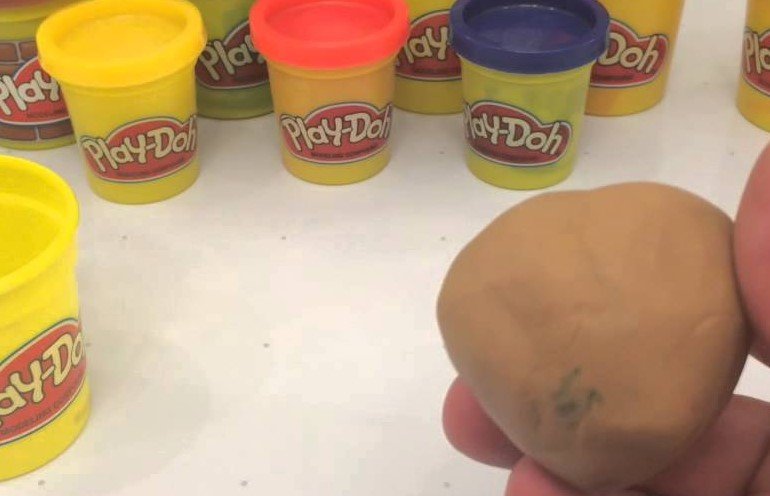
Don’t throw away those crusty toys just yet! Whether it is lodged in tiny plastic crevices or stuck to plush surfaces, you can remove hard Play Doh from toys using common household items and a little bit of patience. This guide covers the safest, most effective cleaning methods to restore your gear like new.
If you are a parent or a caregiver, you know the scenario all too well. One minute, your living room is a creative studio filled with colorful sculptures, and the next, you find a forgotten lump of dough turned into a rock-hard crust stuck inside your child’s favorite toy. It happens to the best of us! As we navigate the playrooms of 2026, it is clear that while toys keep evolving, the mess remains a constant part of childhood.
Many people assume that once the dough dries deep into the gears of a toy or the intricate patterns of a plastic figurine, it is ruined forever. I am here to tell you that is simply not true. You do not need to toss those toys into the bin. With a few simple tricks and some common household items, you can learn exactly how to remove hard Play Doh from toys and get them back into rotation for the next big adventure.
Key Takeaways
- Prevention is key: Store dough in airtight containers immediately after use to prevent it from turning into a rock-hard nuisance.
- Don’t force it: Avoid using metal tools that scratch plastic surfaces when you remove hard Play Doh from toys.
- Use moisture wisely: A tiny drop of water or baby oil can often rehydrate dried bits, making them easier to lift out.
- The “Dough-on-Dough” trick: Fresh, soft dough is an excellent tool for picking up tiny, stubborn, dried-up crumbs.
- Patience wins: Let cleaning agents sit for a few minutes to soften the crust before you attempt to scrub or scrape.
Understanding Why Play Doh Gets Hard
To fix the problem, we have to understand the science of the dough. Play-Doh is essentially a mixture of flour, water, salt, and a few preservatives. When it is fresh, the water content makes it pliable. However, once it is left out in the open air, the water evaporates. This leaves behind a stiff, salty crust that bonds tightly to surfaces, especially porous plastics or textured fabrics.
The “Drying Out” Process
Because the dough is designed to dry and harden (which is how kids keep their sculptures), it naturally wants to stick to whatever it touches. When it gets into the tight spaces of a toy, the salt content can even pull moisture from the air, making it feel brittle yet sticky at the same time. The goal when you remove hard Play Doh from toys is to reintroduce moisture to break that bond without damaging the toy itself.
Why Heat and Chemicals Matter
You might be tempted to use harsh solvents or boiling water, but please pause! Some plastics do not react well to high heat or chemical cleaners. If you want to safely remove hard Play Doh from toys, you need to use gentle, controlled methods. Think of this process as “rehydrating” the mess rather than trying to power-wash it away.
The Best Tools for the Job
Before you dive into cleaning, gather your supplies. You likely have everything you need in your kitchen or bathroom already. Having the right tools makes the process much faster and protects the toy’s finish from scratches.
Visual guide about How to Remove Hard Play Doh from Toys
Image source: tipsbulletin.com
The Essential Cleanup Kit
- A soft-bristled toothbrush: This is your best friend for reaching into tiny crevices.
- A toothpick or wooden skewer: These are perfect for flicking out stubborn, dried bits without scratching the surface.
- A spray bottle with water: A light mist is often better than a soak.
- Baby oil or olive oil: These lubricants help loosen the dough’s grip on plastic.
- Fresh, soft Play Doh: Yes, a fresh ball of dough is one of the best tools to pull out old, dry crumbs.
What to Avoid
Avoid using metal knives or sharp screwdrivers. Even if they feel like they are doing the job, they leave micro-scratches on plastic. Once plastic has micro-scratches, it becomes a magnet for dirt, dust, and future Play-Doh messes, making the toy harder to clean next time.
Step-by-Step: How to Remove Hard Play Doh from Toys
Now that you are prepared, let’s get down to business. Follow these steps to restore your toys safely and efficiently.
Method 1: The Rehydration Technique
If the dough is just a bit dry, a tiny amount of water works wonders. Dip your toothbrush into a little water and gently scrub the affected area. Do not flood the toy, especially if it has electronic parts. Let the water sit for about two minutes. The dough will soften and turn back into a paste, which you can easily wipe away with a damp cloth.
Method 2: The Oil Lubrication Hack
For dough that is really stuck on, water might not be enough. Apply a single drop of baby oil or olive oil to the dried dough. The oil prevents the salt in the dough from bonding to the surface. Let it sit for five minutes. Use a cotton swab to work the oil into the edges of the dough, and then use your toothpick to lift it away. The dried bits should pop right off.
Method 3: The “Dough-on-Dough” Method
This is my personal favorite because it is so satisfying. Take a fresh, soft ball of Play Doh and press it firmly against the dried, crusty bits on your toy. Roll it back and forth. The sticky, fresh dough will grab onto the loose, dry pieces and pull them right out of the plastic crevices. Keep pressing and pulling until the toy is perfectly clean.
Removing Dough from Difficult Areas
Not all toys are smooth plastic surfaces. Sometimes, the dough ends up in places that seem impossible to reach. Here is how to handle those tricky spots.
Cleaning Electronic Toys
If you need to remove hard Play Doh from toys that contain batteries or circuits, safety is the priority. Never use liquid directly on the toy. Instead, use a dry, stiff-bristled brush to knock off the larger chunks. If you absolutely must use a cleaner, dip the brush in a tiny bit of rubbing alcohol (which evaporates quickly) rather than water. Always remove the batteries first!
Cleaning Fabric or Plush Toys
If the dough is stuck in a stuffed animal or fabric toy, wait for it to dry completely. Do not try to clean it while it is soft, or you will just smear it deeper into the fibers. Once it is rock-hard, use a stiff comb or a clean scrub brush to break up the dry dough. It will flake off the fabric. Once the bulk is removed, use a vacuum cleaner hose to suck up the remaining dust.
Maintenance Tips for 2026 Playrooms
Since we are living in a time where keeping our home environment clean and organized is a priority, let’s look at how to prevent these headaches in the future. Teaching kids to respect their toys is part of the game.
The Airtight Rule
Make it a rule that the lids must go back on the containers the moment play is finished. Use high-quality containers that seal well. If the original tubs are lost, invest in small, airtight silicone bags or glass jars. This keeps the dough soft for months and keeps it out of your rugs and toys.
Designated Play Areas
Consider using a plastic mat or a dedicated tray for molding. If the dough stays on the tray, it is far less likely to migrate into the nooks and crannies of your expensive electronic toys or floor vents. A simple tray can save you hours of cleanup time over the course of the year.
Conclusion
Cleaning up after a fun afternoon of creativity doesn’t have to be a chore you dread. By understanding the simple science behind how to remove hard Play Doh from toys, you can quickly restore your children’s playthings to their former glory. Whether you reach for the olive oil, the stiff brush, or simply a fresh lump of dough, the solution is likely already in your kitchen cabinet.
Remember, the goal is to keep the fun going. Don’t let a few crusty crumbs ruin the joy of creative play. With these techniques, you are ready to handle any dough-related disaster that comes your way in 2026 and beyond. Happy cleaning, and may your playrooms stay as tidy as your kids’ imaginations are wild!
Frequently Asked Questions
Can I use vinegar to remove dried Play-Doh?
It is generally better to avoid vinegar. While it can break down the salt, it is acidic and could potentially discolor or damage certain types of painted plastic finishes on toys.
Is it safe to put toys with Play-Doh in the dishwasher?
No, please do not do this! High heat can warp plastic toys, and the dough might dissolve into a gooey mess that clogs your dishwasher filter or gets baked onto other dishes.
What if the Play-Doh is in a toy with lights or sound?
Always remove the batteries first and use only dry cleaning methods like a stiff brush or a toothpick. If you must use a liquid, use a very small amount of rubbing alcohol on a cotton swab and ensure the toy is completely dry before replacing batteries.
How long should I let the oil sit on the dried dough?
Let the oil sit for about five to ten minutes. This gives it enough time to penetrate the crusty layer and break the bond between the dough and the toy surface.
Does this work on carpet too?
For carpets, let the dough dry completely and then vacuum it. If you try to clean it while it is wet, you will only push the color deep into the carpet fibers, leaving a permanent stain.
Can I use a hair dryer to soften the dough?
Using a hair dryer is not recommended as it might melt the plastic or cause it to deform. It is much safer to use moisture-based methods like water or oil to rehydrate the dough safely.