
Introduction
A leaf blower costs about $30 to $800 in the United States, depending on its power source, size, battery system, and intended use. Most homeowners pay $50 to $250 for a corded, battery-powered, or light-duty gas model. Professional backpack and commercial blowers can cost $300 to more than $1,000.
The purchase price is only part of the cost. You may also need batteries, a charger, fuel, oil, extension cords, ear protection, repairs, or seasonal storage. Local rules may also limit gas-powered or high-noise equipment.
This guide explains U.S. leaf blower prices, operating costs, rental rates, and the features that make one model cost more than another.

Leaf blower cost at a glance
The table below shows common U.S. planning ranges. Actual prices change by brand, season, store, included accessories, and sales tax.
| Leaf blower type | Typical U.S. price | Best for |
|---|---|---|
| Small corded electric | $30–$100 | Small yards, patios, driveways |
| Battery blower, tool only | $80–$250 | Buyers who already own compatible batteries |
| Battery blower kit | $150–$400 | Homeowners who need a battery and charger |
| Light-duty gas handheld | $150–$350 | Larger yards and longer work periods |
| Professional gas handheld | $250–$600 | Frequent or heavy yard work |
| Battery backpack blower | $300–$800+ | Large properties and reduced hand strain |
| Gas backpack blower | $300–$900+ | Commercial or high-volume work |
| Commercial blower system | $700–$1,500+ | Landscaping crews and daily use |
These ranges cover the blower itself. They do not always include fuel, replacement batteries, an extension cord, protective equipment, or maintenance supplies.
The short answer
For most U.S. homeowners:
- Choose a corded electric blower if you want the lowest purchase price.
- Choose a battery kit if you want quiet, simple operation without a cord.
- Choose a gas blower if you need long run time and high power.
- Choose a backpack blower if you manage large areas or work for long periods.

What changes the price of a leaf blower?
The largest price differences come from the power source, battery capacity, motor design, airflow, and build quality.
Power source
A corded electric blower usually costs the least because it has a simple motor and does not include a battery or fuel system. Its main limit is the power cord and access to an outdoor outlet.
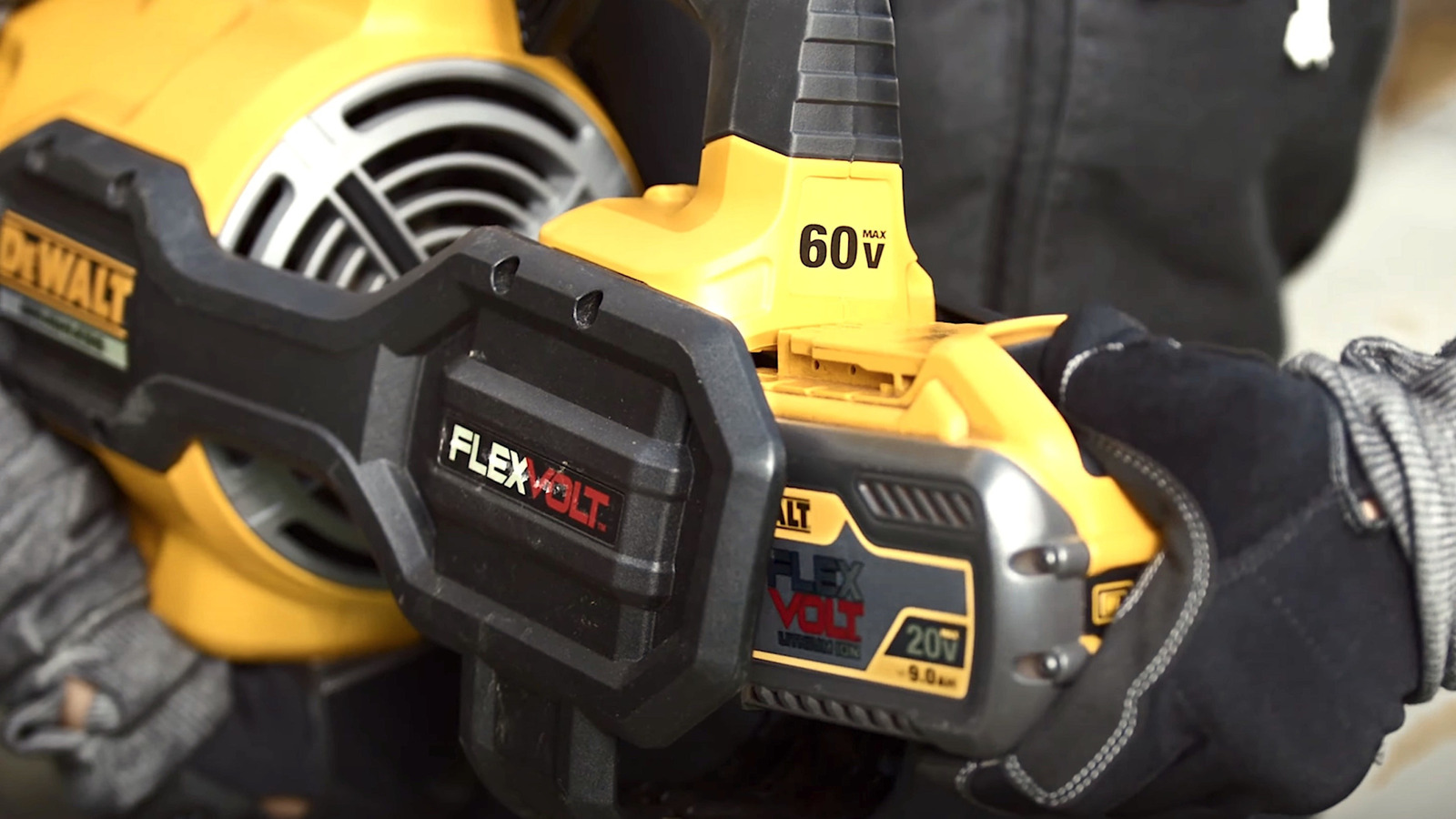
Battery blowers cost more because the battery pack and charger can represent a large share of the kit price. A blower sold as “tool only” may look inexpensive, but it may require a separate battery that costs $50 to $250 or more.
Gas blowers often cost more than basic electric models because they include an engine, fuel system, exhaust parts, and vibration-control components. They also require fuel and routine care.
Battery size and battery platform
A small battery may work well for a patio or small yard. A larger battery can provide longer run time and stronger output, but it raises the initial cost.
Battery brands often use a shared platform. A battery bought for a compatible mower, trimmer, or chainsaw may also power a blower. This can lower the cost of buying a blower kit.
Check these details before buying:
- Battery voltage
– Amp-hour rating - Charger compatibility
- Whether the listing includes the battery
- Whether the battery works with your existing tools
- Replacement battery price
- Warranty coverage for the battery
A low-priced tool-only blower is not a bargain if you must buy a costly battery and charger.
Air volume and air speed
Manufacturers commonly list:
- CFM, or cubic feet per minute, which describes air volume
- MPH, or miles per hour, which describes air speed
CFM helps move a large pile of leaves. MPH helps loosen wet leaves, grass clippings, and debris stuck to pavement. Neither number alone proves that a blower will perform better in your yard.
A blower with high air speed but low air volume may move small areas well but struggle with large leaf piles. A model with high CFM may clear broad areas faster but can cost more and use more battery power.
Motor and engine design
Brushless electric motors usually cost more than basic brushed motors. They can offer better efficiency, longer motor life, and improved battery use, but the actual benefit depends on the full tool design.
Gas engines also vary. Larger engines, commercial components, lower vibration, and easier starting systems add to the price.
Handheld versus backpack design
A handheld blower is usually the least expensive and easiest to store. A backpack blower costs more because it has a frame, shoulder straps, larger power systems, and components designed for longer use.
The extra cost may be worthwhile when you clear a large property. It may be unnecessary for a small city lot.
Build quality and warranty
Commercial models often use stronger housings, better controls, and parts designed for frequent use. They may also have longer or more useful warranty terms.
Do not judge value by warranty length alone. Check what the warranty covers, whether the battery has separate coverage, and whether repairs must go through an authorized service center.

Leaf blower prices by type
Corded electric leaf blowers: $30 to $100
Corded electric models are usually the cheapest leaf blowers for U.S. homeowners. They are light, easy to start, and do not require gasoline or battery charging.
They work best when:
- The property is small or medium-sized
- An outdoor outlet is nearby
- You do not mind managing an extension cord
- You mainly clear dry leaves, grass, and light debris
The main hidden cost is a suitable outdoor extension cord. Use a cord rated for outdoor use and sized for the tool’s electrical needs. Follow the blower manual and extension-cord instructions.
A corded model may be a poor fit for a large yard because the cord limits movement and can catch on shrubs, fences, and outdoor items.
Battery-powered leaf blowers: $80 to $400
Battery blowers are popular because they start with the push of a button and produce no direct exhaust while running. They are often quieter than gas models, although “quiet” does not mean silent.
The price depends on whether the package includes a battery and charger:
- Tool only: about $80 to $250
- Complete kit: about $150 to $400
- High-output kit: often $300 or more
- Extra battery: commonly $50 to $250 or more
Battery blowers are a strong choice for small and medium yards. For large properties, compare the advertised run time with the work you need to do. Maximum-power settings can drain a battery much faster than low or variable-speed settings.
Gas handheld leaf blowers: $150 to $600
Gas handheld blowers can provide strong airflow and long work sessions. You can refill the tank instead of waiting for a battery to charge.
They also require more care. Typical costs include:
- Fresh fuel
- Two-stroke oil or premixed fuel, depending on the engine
- Spark plug replacement
- Air-filter cleaning or replacement
- Fuel-system care
- Seasonal storage preparation
- Possible engine repairs
Gas equipment also creates exhaust and more noise. The U.S. Environmental Protection Agency regulates emissions from nonroad engines, but local rules may be stricter. Some cities and municipalities restrict gas-powered leaf blowers or limit when they may be used.
Backpack leaf blowers: $300 to $900 or more
Backpack blowers shift the machine’s weight from your arm to your back and hips. This can make long jobs easier, but the machine costs more than a basic handheld model.
A backpack model may make sense for:
- Large residential properties
- Long rows of leaves
- Commercial landscaping
- Frequent fall cleanup
- Users who find handheld blowers tiring
A backpack blower is not automatically the best choice. It can be excessive for a small yard, and its higher airflow may increase noise and disturb loose mulch, gravel, or garden soil.
Commercial battery and gas blowers: $700 to $1,500 or more
Commercial blowers are built for frequent use. Some use large battery systems, while others use high-output gas engines.
Their cost can include:
- A commercial-grade blower
- One or more large batteries
- A heavy-duty charger
- Replacement battery planning
- Extended service or maintenance
- Professional warranty terms
For occasional home use, a commercial model may not provide enough extra value to justify its price. For a landscaping business, downtime and repair costs may matter more than the initial purchase price.

How much does it cost to run a leaf blower?
The running cost depends on the power source, work time, energy price, fuel price, and maintenance needs.
Corded electric operating cost
Corded blowers use household electricity. You can estimate the electricity cost with this formula:
Operating cost = kilowatts × hours used × electricity price per kilowatt-hour
For example, a hypothetical 1.5-kilowatt blower used for 20 minutes consumes:
1.5 × 0.33 hours = about 0.50 kilowatt-hours
At an electricity rate of $0.20 per kilowatt-hour, that session would cost about $0.10 in electricity.
Your actual rate may be higher or lower. Check your electric bill for the current price per kilowatt-hour.
Battery blower operating cost
Battery electricity costs are also usually low, but battery replacement affects long-term cost. A simple estimate is:
Charging cost = battery kilowatt-hours × electricity price
A battery’s rated watt-hours can be converted to kilowatt-hours by dividing by 1,000. Charging losses mean the wall outlet may use somewhat more electricity than the battery stores.
The larger financial issue is battery life. Heat, deep discharges, poor storage, and heavy use can shorten battery service life. Store batteries according to the manufacturer’s instructions, especially during extreme temperatures.
Gas blower operating cost
Gas costs vary with:
- Tank size
- Engine efficiency
- Throttle setting
- Fuel price
- Whether the engine uses premixed fuel
- How often the blower is started and stopped
Gas blowers may also need oil, filters, spark plugs, and repairs. A small fuel cost can become significant when the blower is used every week for many months.
Never store gasoline in an unapproved container. Use fuel only as directed by the engine manufacturer, and keep fuel away from heat, sparks, children, and living areas.

Other costs to include in your leaf blower budget
The purchase price may not show the full cost of ownership.
Battery and charger
For a battery blower, confirm whether the listing says:
- Tool only
- Battery included
- Charger included
- Two batteries included
- Battery and charger sold separately
This distinction can change the real price by hundreds of dollars.
Extension cord
A corded model may require an outdoor-rated extension cord. The correct cord depends on the blower’s power draw, cord length, and manufacturer guidance.
Do not use a damaged cord. Keep the cord away from water, sharp edges, heat, vehicles, and the blower nozzle.
Protective equipment
Leaf blowers can throw stones, sticks, and other debris. A basic safety setup may include:
- Safety glasses or a face shield
- Hearing protection
- Closed-toe shoes
- Long pants
- Work gloves when handling debris
- Dust protection when conditions create airborne dust
The Occupational Safety and Health Administration provides safety information for landscaping work. The National Institute for Occupational Safety and Health also provides guidance on noise exposure.
Maintenance and repairs
Electric blowers usually need less maintenance than gas models. You may still need to clean air inlets, inspect the tube, check switches, and replace a battery or charger.
Gas blowers need more routine care. Follow the manual for fuel mix, air-filter service, spark-plug checks, storage, and engine cleaning.
Replacement and disposal
Battery packs eventually lose capacity. Gas equipment may need carburetor or fuel-system repairs. Any blower can become difficult to repair if replacement parts are unavailable.
Before buying, check whether the manufacturer provides parts, service information, and battery replacement options.

Is a cheap leaf blower worth it?
A cheap leaf blower can be worth buying when the job is small and the limitations are clear.
A low-cost model may suit you if you:
- Clear a patio or driveway
- Have a small lawn
- Use the blower only a few times each year
- Already own the matching battery
- Have a nearby outdoor outlet
- Do not need to move wet or heavy leaves
A more expensive model may offer better value when you:
- Clear a large property
- Work for more than 20 or 30 minutes at a time
- Move damp leaves
- Need variable speed control
- Use the tool often
- Want a better service network
- Need a backpack design
The best value is not always the lowest shelf price. It is the model that completes the job without forcing you to buy extra batteries, replace parts often, or spend too much time managing a cord.

How to choose the right leaf blower for your yard
Use this simple process before comparing brands.
1. Measure the work area
Think about the space you need to clear, not just the lawn size. Include:
- Driveways
- Sidewalks
- Patios
- Decks
- Garden beds
- Fences
- Drainage areas
- Leaf piles near the street
A small property with many obstacles may take longer than a larger open lawn.
2. Decide how long one session lasts
Estimate the longest normal cleanup session.
- Under 15 minutes: corded or small battery models may work
- About 15 to 45 minutes: consider a larger battery or gas model
- More than 45 minutes: compare multiple batteries, fast charging, or a backpack model
Run-time claims often use low or moderate power. Maximum power can reduce actual run time.
3. Check local rules
Some U.S. cities, counties, and states restrict gas-powered leaf blowers, limit operating hours, or set noise rules. Search your local government website before buying.
Also check neighborhood, condominium, or homeowners association rules. A model that is legal to own may still be restricted during certain hours.
4. Compare the complete package
Add the cost of:
- Blower
- Battery
- Charger
- Extension cord
- Fuel
- Maintenance items
- Protective equipment
- Replacement parts
Then compare that total with the price of other power types.
5. Match power to the surface
High power is useful for wet leaves and large piles. It can be too aggressive for gravel, mulch, flower beds, and loose soil.
Look for variable-speed control and a lower power setting when you need more control.
Leaf blower rental costs
Renting can be cheaper than buying when you need a blower for one short project.
Typical U.S. rental planning ranges may be:
- Small handheld blower: about $25–$60 per day
- Backpack blower: about $40–$100 per day
- Commercial or specialty blower: about $75–$150 or more per day
Rates vary by city, rental company, model, deposit, taxes, and return time. Fuel may be separate for gas equipment.
Rental makes sense when:
- You clear leaves once or twice a year
- You need a commercial model for one large job
- You want to test a type before buying
- You do not have storage space
Buying usually makes more sense when you use a blower several times each season. Compare the total rental cost over two or three years with the purchase price and maintenance cost.

Used leaf blower prices
Used leaf blowers often cost about 30% to 60% less than comparable new models, but the discount depends on condition, age, brand, and battery availability.
Inspect a used blower before paying:
- Start a gas model from cold, if possible
- Check for fuel leaks
- Listen for unusual rattles
- Inspect the fan housing and tube
- Test all speed controls
- Check battery charge and run time
- Look for a damaged charger
- Confirm that replacement parts are still sold
- Ask whether the blower was stored with old fuel
Be cautious with used battery models. A worn battery can cost nearly as much as the used tool. For gas models, a low sale price may hide fuel-system or engine repairs.
Never test a blower around people, pets, loose stones, or glass.
Common leaf blower buying mistakes
Comparing tool-only and kit prices
A tool-only battery blower is not comparable to a complete kit. Add the battery and charger before comparing prices.
Focusing only on MPH
Air speed does not tell the whole story. CFM, nozzle design, control, battery output, and the type of debris also affect performance.
Ignoring noise
A loud blower can create problems with neighbors and local rules. Use hearing protection and check the manufacturer’s noise information when available.
The U.S. Consumer Product Safety Commission recommends safe operating practices for leaf blowers, including keeping people and pets away from the work area and wearing appropriate protection.
Using a blower on dusty debris
A blower can send dust, pollen, mold particles, and animal waste into the air. Avoid blowing debris toward people, open windows, vehicles, and neighboring property.
Buying more power than the surface needs
High airflow can scatter mulch, gravel, and soil. A variable-speed blower gives you better control than a model that runs at one high speed.
Treating a blower as a leaf vacuum
Some models include vacuum and mulching functions. These features can help collect leaves, but they may add weight, noise, bags, and maintenance. Do not assume every blower can safely vacuum wet leaves or hard debris.
Frequently asked questions
How much should I spend on a leaf blower for a small yard?
Plan to spend about $30 to $150 for a corded or basic battery model. A complete battery kit may cost more, but it removes the need for an extension cord and often feels easier to use.
Are battery leaf blowers cheaper than gas blowers?
The answer depends on the complete package. A battery tool-only model may cost less than a gas blower, but adding the battery and charger can raise the total. Battery models often have lower routine maintenance costs, while gas models may offer longer continuous operation.
How long do leaf blower batteries last?
Run time varies by battery size, blower power, speed setting, temperature, and debris. Use the manufacturer’s run-time estimate as a guide, not a guarantee. High-power operation usually drains a battery faster.
Can I use a leaf blower on wet leaves?
Many blowers can move some damp leaves, but wet debris is heavier and harder to shift. A stronger blower, higher CFM, or a rake may be needed. Do not use an electric blower in unsafe wet conditions, and follow the product manual.
Is it cheaper to rake leaves or use a blower?
Raking has a lower equipment cost, but it takes more physical effort and time. A blower costs more to buy and operate, but it can reduce cleanup time. For occasional small jobs, a rake may be the cheaper choice. For frequent or large cleanups, a blower may provide better value.

Final cost guide
A realistic U.S. budget looks like this:
- Budget homeowner setup: $30–$100
- Convenient battery setup: $150–$400
- Heavy-duty handheld setup: $250–$600
- Backpack setup: $300–$900 or more
- Commercial setup: $700–$1,500 or more
For most homeowners, a $100 to $250 battery or corded electric blower offers a practical balance of price, convenience, and power. Choose a gas or backpack model when property size, wet debris, long work sessions, or commercial use justifies the extra cost.
Before buying, check the complete package price, battery or fuel needs, local operating rules, noise level, warranty, and expected maintenance. That quick check can prevent a low sticker price from becoming an expensive purchase.