

Introduction
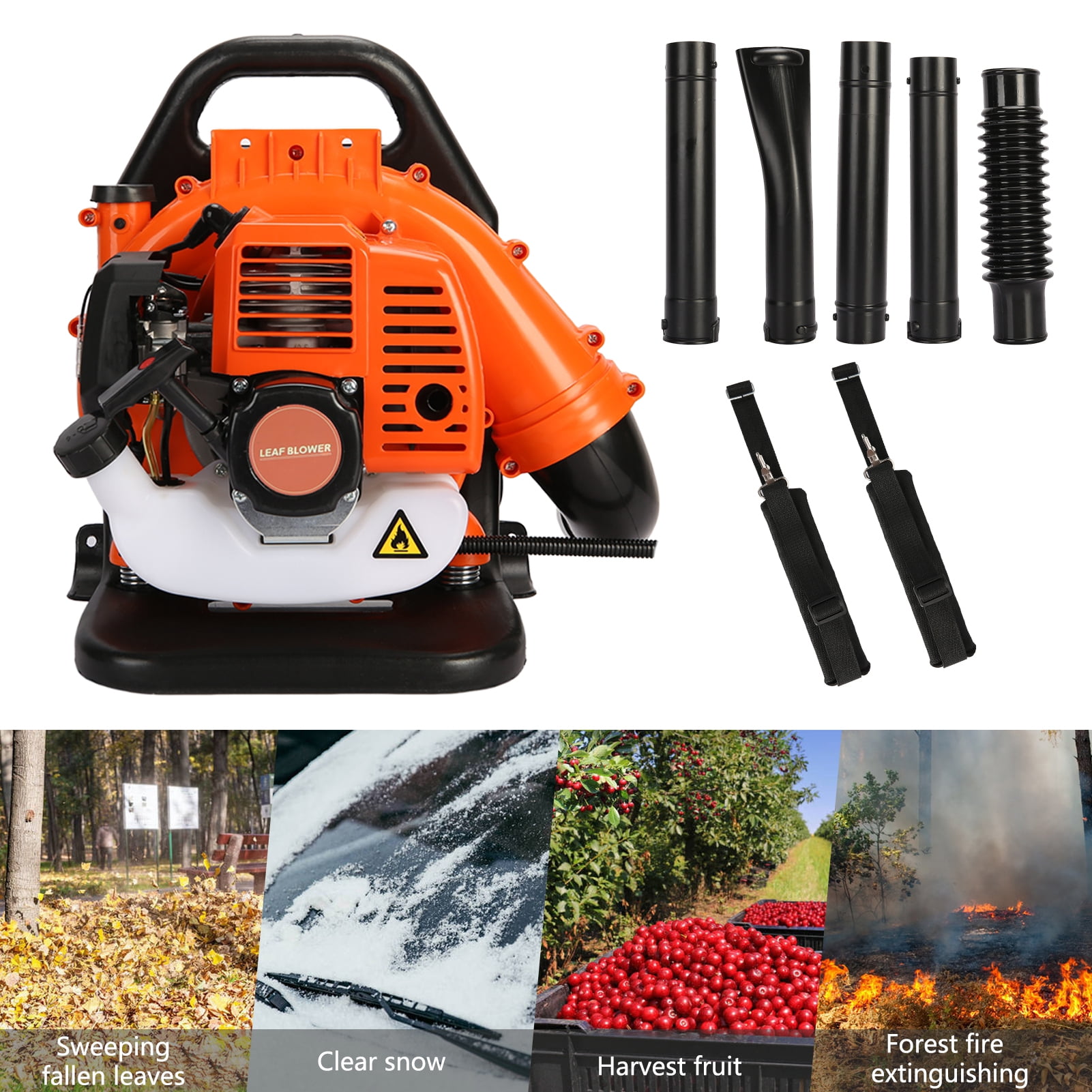
To store a gas leaf blower for winter, clean the machine, remove or stabilize the fuel, protect the engine and air filter, inspect the parts, and keep the blower in a dry, safe place. The best fuel method depends on the owner’s manual. Some makers advise draining the tank and carburetor. Others allow fresh fuel treated with a fuel stabilizer.
This guide applies to homeowners in the United States who use a gasoline-powered leaf blower. Winter storage matters most in cold areas, where the blower may sit unused for several months. Old gasoline can damage fuel parts, while moisture, dust, and freezing temperatures can harm the engine and controls.
Always work outdoors or in a well-ventilated area. Let the engine cool first. Keep gasoline away from flames, pilot lights, heaters, cigarettes, and other ignition sources.
Before You Store the Leaf Blower
Gather the supplies before you begin. You will usually need:
- Fresh gasoline that matches the owner’s manual
- Fuel stabilizer approved for gasoline engines
- A clean fuel can
- Nitrile gloves and safety glasses
- A small brush or soft cloth
- Warm water and mild soap
- A spark plug wrench
- The correct two-cycle oil, if the blower uses a two-stroke engine
- A clean, dry storage cover
- A suitable container for used fuel
Check the owner’s manual for the exact engine type. Most gas leaf blowers use either a two-stroke engine or a four-stroke engine.
A two-stroke engine burns gasoline mixed with two-cycle oil. The oil ratio may be 50:1, 40:1, or another ratio. Use only the ratio listed by the manufacturer.
A four-stroke engine stores gasoline and crankcase oil in separate places. It needs an engine-oil check and may need an oil change before storage.
Do not guess the fuel ratio. Too little oil can cause severe engine wear. Too much oil can cause smoke, poor running, and spark plug fouling.
Check the manual for these details
Look for instructions about:
- Fuel draining
- Fuel stabilizer
- Carburetor storage
- Spark plug removal
- Engine oil
- Air filter cleaning
- Fogging oil
- Storage temperature
- Warranty limits
Manufacturer instructions take priority over general advice. STIHL, Husqvarna, ECHO, and other brands may use different storage steps for different models.
Step-by-Step: How to Store a Gas Leaf Blower for Winter
1. Choose a safe work area
Move the blower outdoors or to a space with strong airflow. Place it on a stable, level surface. Keep children and pets away while you work.
Do not drain gasoline inside a home, basement, attached garage, shed with a heater, or other enclosed space. Gasoline vapors can travel to an ignition source.
Let the engine cool completely before touching the fuel system or spark plug.
2. Remove dirt and plant debris
Brush leaves, grass, and dust from the blower housing, air intake, cooling fins, and muffler area. Use a soft brush or dry cloth first.
If the housing needs washing, use a damp cloth with mild soap. Do not spray water into the carburetor, air filter, starter opening, electrical parts, or muffler.
Clean the blower tube and nozzle. Debris left inside can attract moisture and may block airflow when you start the machine next season.
Let every wet part dry before storage.
3. Inspect the blower
look for:
- Cracked fuel lines
- A loose fuel cap
- Damaged rubber seals
- A split primer bulb
- Loose screws
- A damaged blower tube
- A clogged spark arrestor screen
- A dirty or torn air filter
- Frayed starter cord
- Broken vibration mounts
- Worn or missing fasteners
Replace damaged fuel lines and seals before storage when possible. A small crack can become a fuel leak during the next season.
Do not run the blower if fuel leaks from the tank, fuel line, carburetor, or cap. Have it repaired by a qualified small-engine technician.
4. Choose one fuel-storage method
Use the method stated in your manual. Do not combine methods unless the manufacturer allows it.
Method A: Drain the fuel system
Draining is often a good choice when the blower will sit unused for several months.
- Run the engine outdoors until it is warm.
- Turn the engine off and let it cool.
- Remove the fuel cap.
- Drain the tank into an approved gasoline container.
- Start the blower again outdoors.
- Let it run at idle until it stops from lack of fuel.
- Follow the manual’s instructions for priming or carburetor draining.
Running the carburetor dry can reduce the amount of fuel left in small passages. Some manufacturers specifically advise this step. Others warn against it for certain models, so check the manual first.
Never pour gasoline onto soil, into a drain, or into household trash. Contact your local household hazardous-waste program or a fuel recycling site for disposal guidance.
Method B: Use fresh fuel with stabilizer
Some manuals permit storage with fuel in the tank. If so:
- Add fresh gasoline to an approved container.
- Measure the stabilizer according to its label.
- Mix it with the fuel before filling the blower.
- Add the treated fuel to the tank.
- Run the engine for several minutes so treated fuel reaches the carburetor.
Do not overfill the tank. Leave the space required by the manual and fuel container instructions.
Fuel stabilizer does not restore old gasoline. It helps slow fuel breakdown when used with fresh fuel. It also does not fix water-contaminated fuel or a dirty carburetor.
5. Service the engine
For a two-stroke blower, make sure the fuel system contains the correct gasoline-and-oil mix before storage. Do not pour straight gasoline into a tank meant for premixed fuel.
For a four-stroke blower, check the engine oil. Change it if the manual lists an oil change as part of seasonal storage or if the oil is dirty and near its service interval.
Some manuals recommend adding a small amount of engine oil or fogging oil through the spark plug opening. Do this only when the manual directs it. Too much oil can cause hydraulic lock or make the engine difficult to start.
If the manual permits cylinder oiling:
- Disconnect the spark plug wire.
- Remove the spark plug.
- Add only the specified amount of oil.
- Pull the starter slowly a few times.
- Reinstall the spark plug or install a new one as directed.
Keep oil off the spark plug electrode and ignition parts.
6. Check or replace the spark plug
Remove the spark plug and inspect it. A normal plug may have light tan deposits. Heavy carbon, oil fouling, a cracked insulator, or a worn electrode can cause hard starting.
Use the plug type and gap listed in the manual. Do not assume every spark plug fits every blower.
If you remove the plug for storage, cover the opening so dust cannot enter. Reinstall the plug before the next use unless the manual gives another instruction.
7. Clean and protect the air filter
A dirty air filter reduces airflow and can make the engine run poorly. Clean a foam filter with the method listed in the manual. Some filters can be washed and lightly oiled. Paper filters usually should not be washed.
Replace a torn, brittle, or heavily clogged filter. Let a washable filter dry fully before installing it.
Do not store the blower with a wet filter. Moisture can damage the filter and create starting problems.
8. Lubricate approved moving parts
Apply lubricant only to parts named in the manual. These may include throttle-linkage pivots, starter parts, or tube connection points.
Keep lubricant away from:
- The air filter
- The spark plug
- The muffler
- The carburetor opening
- The flywheel
- The clutch area, if equipped
More lubricant is not better. Excess oil can collect dust and make controls stick.
9. Store the blower correctly
Place the blower in a dry, covered location protected from rain, snow, and direct sunlight. A detached garage, shed, or utility area may work if it remains dry and has no ignition hazards.
Store it:
- Upright, if the manual recommends that position
- Away from heat sources
- Away from fertilizer and corrosive chemicals
- Off damp concrete
- Away from sharp tools
- Where children cannot reach it
Do not wrap a fuel-powered blower in an airtight plastic bag. Trapped moisture can cause rust and condensation. Use a breathable cover after the engine has cooled and the machine is clean and dry.
Store gasoline only in an approved fuel container. Follow local rules for the amount and location allowed in your area.

Should You Drain the Gas From a Leaf Blower?
Drain the gas when the owner’s manual recommends an empty fuel system or when you will store the blower for a long period and cannot ensure the fuel is fresh. Use stabilized fresh fuel when the manual supports that method and you plan to use the blower again soon.
The main trade-off is simple:
| Fuel method | Best use | Main benefit | Main risk |
|---|---|---|---|
| Drain tank and carburetor | Long storage or manual-directed storage | Less old fuel remains | Incorrect draining can create spills |
| Stabilized fresh fuel | Shorter seasonal storage or manual-approved storage | Fast spring start-up | Old or poorly mixed fuel may still cause problems |
| Untreated fuel | Not recommended for winter storage | No preparation cost | Fuel can degrade and clog small passages |
Gasoline does not become safe to store indefinitely just because it contains stabilizer. Follow the product label and the blower manual.
For a two-stroke blower, the fuel must also contain the correct two-cycle oil. For a four-stroke blower, keep gasoline and engine oil in their separate systems.
What to Do With the Gasoline
Keep usable gasoline in an approved container with a tight cap. Label premixed two-stroke fuel with the oil ratio and mixing date.
Do not store gasoline:
- In a glass jar
- In a food or drink container
- In an unapproved plastic bottle
- Near a furnace or water heater
- In direct sun
- In a vehicle passenger area
- Beside a battery charger or electrical panel
Follow local fire-code and household hazardous-waste rules. The U.S. Environmental Protection Agency advises people to manage household hazardous waste through local programs rather than placing it in regular trash or pouring it down a drain.
If gasoline smells sour, looks cloudy, contains sediment, or has visible water, do not use it in the blower. Do not pour it on the ground. Ask your local waste agency how to dispose of it.

Winter Storage Checklist
Use this checklist before putting the blower away:
- Read the owner’s manual.
- Let the engine cool.
- Clean leaves and dust from the blower.
- Inspect the tank, fuel lines, primer bulb, and cap.
- Drain the fuel or add stabilizer as directed.
- Run treated fuel through the engine if required.
- Check the air filter.
- Inspect or replace the spark plug.
- Check engine oil on four-stroke models.
- Lubricate only approved parts.
- Store fuel in an approved container.
- Keep the blower dry and away from ignition sources.
- Record any repairs needed before spring.
A short note on the storage shelf can help. Write down the fuel method, oil change date, spark plug condition, and parts that need replacement.
Common Storage Mistakes
Leaving old fuel in the tank
Old fuel can form gum or varnish. These deposits may restrict the carburetor and fuel passages. The result can be hard starting, surging, stalling, or no start.
Using the wrong two-cycle oil ratio
The ratio is part of the engine design. Use the ratio printed in the manual or on the product label for that specific blower.
Storing the blower while it is dirty
Leaves hold moisture against metal parts. Grass dust can also block cooling openings and attract insects.
Covering a damp machine
A cover can trap water. Dry the blower before covering it, and use a breathable cover.
Forgetting the fuel cap
A loose or damaged cap can allow fuel to evaporate and moisture to enter the tank. Replace a cap that no longer seals well.
Using a household container for gasoline
This creates a serious fire and poisoning risk. Use only a container designed and labeled for gasoline.
Starting the blower indoors
Never run a gas leaf blower inside a home, garage, basement, shed, or other enclosed space. Carbon monoxide can build up quickly and has no color or smell.

What to Do When the Blower Will Not Start After Winter
Start with the safest and most likely checks:
- Move the blower outdoors.
- Check that the stop switch is in the run position.
- Add the correct fresh fuel.
- Confirm the fuel cap is venting as designed.
- Check the air filter.
- Inspect the spark plug.
- Look for cracked fuel lines or a damaged primer bulb.
- Follow the exact cold-start procedure in the manual.
Do not keep pulling the starter if you smell strong gasoline. Move away from the blower, let vapors clear, and inspect it for flooding or a leak.
If the engine starts and then dies, possible causes include stale fuel, a blocked fuel filter, a dirty carburetor, a restricted fuel cap vent, or an air filter problem.
If the engine does not start after fresh fuel and basic checks, stop before disassembling the carburetor. A small-engine repair shop can test fuel flow, spark, compression, and the carburetor safely.
Key Takeaways
- Follow the specific storage instructions for your blower model.
- Drain the fuel system or use fresh fuel with stabilizer, as directed.
- Never use old, cloudy, or water-contaminated gasoline.
- Clean and dry the blower before storage.
- Check the air filter, spark plug, fuel lines, and engine oil.
- Store the blower in a dry place away from heat and ignition sources.
- Never run or drain a gas blower in an enclosed space.
- Dispose of gasoline through an approved local program.
FAQs
Is it better to drain a gas leaf blower or leave fuel in it?
Neither method is correct for every model. Drain the fuel when the manual calls for an empty system. If the manual permits fuel storage, use fresh gasoline treated with the correct amount of stabilizer.
Can I leave mixed gas in a two-stroke leaf blower over winter?
You can only do so safely when the fuel is fresh, mixed at the correct ratio, treated with stabilizer, and approved for storage by the manual. For longer storage, draining the system may be the better choice.
Should I remove the spark plug for winter storage?
Not always. Some manufacturers recommend removing it to add a small amount of oil to the cylinder. Others do not. Follow the manual and use the correct spark plug gap when reinstalling it.
Can I store a gas leaf blower in an attached garage?
Only if local rules allow it and the area is dry, well managed, and free of ignition hazards. Keep gasoline in an approved container and away from furnaces, water heaters, electrical equipment, and other heat sources.
How often should I run a leaf blower during winter?
You do not need to run it on a schedule. Starting it briefly without a clear purpose may add moisture and does not replace proper fuel storage. Prepare it once, then leave it stored until needed.
Conclusion
Winterizing a gas leaf blower is mainly a fuel, moisture, and safety task. Clean the machine, inspect its key parts, follow the correct fuel procedure, and keep it dry and away from ignition sources. Before spring use, add the right fuel, check for leaks, and test the blower outdoors.