

Introduction
The best way to maintain a cordless leaf blower is to clean its air vents and intake screen, inspect the tube and housing, care for the battery and charger, and store the tool in a cool, dry place. Unplug the charger and remove the battery before cleaning or inspecting the blower.
For homeowners across the United States, regular care matters because cordless blowers often face fine dust, wet leaves, grass clippings, pollen, and long periods of storage between seasons. A few minutes of maintenance after each use can help prevent weak airflow, short battery life, overheating, and avoidable repairs.
Always follow the owner’s manual for your exact blower and battery system. Battery voltage, charging rules, removable parts, and cleaning instructions vary by brand and model.

Key Takeaways
- Remove the battery before cleaning, clearing a blockage, or inspecting the blower.
- Keep the intake vents, cooling passages, battery contacts, and blower tube free of debris.
- Do not spray the tool, battery, or charger with water.
- Charge batteries with the approved charger in a dry, ventilated place.
- Store the battery and blower away from heat, moisture, fuel, and direct sun.
- Stop using the blower if the battery swells, leaks, smells unusual, becomes very hot, or shows damage.
- Use the owner’s manual when a repair requires opening the motor housing or battery pack.
What You Need Before Maintaining a Cordless Leaf Blower
Gather the right supplies before you begin. Most routine cordless leaf blower maintenance needs only basic household items.
Basic maintenance supplies
- Clean, dry cloth
- Soft brush or small paintbrush
- Compressed air, used carefully
- Mild soap and water for the plastic tube or exterior
- Safety glasses
- Work gloves
- Manufacturer-approved battery charger
- Owner’s manual
A flashlight can help you inspect the intake screen and tube. A small wooden stick may help remove compacted leaves from the tube, but never push objects into a moving fan or motor area.
Do not use gasoline, carburetor cleaner, strong solvents, or oily sprays on a cordless blower unless the manufacturer specifically approves them. These products can damage plastic parts, seals, labels, and electrical components.
Identify the main parts
Before cleaning, identify these parts:
- Blower tube: Directs air from the fan housing.
- Air intake: Pulls air into the blower.
- Cooling vents: Help move heat away from the motor and electronics.
- Battery pack: Supplies power to the blower.
- Battery contacts: Metal connection points between the battery and tool.
- Charger: Recharges the battery and manages the charging process.
Some models use a separate nozzle or a two-piece tube. Others have a built-in intake screen or removable cover. Never remove a cover unless the manual allows it.

How to Clean a Cordless Leaf Blower After Each Use
Cleaning the blower after each use is the simplest way to protect airflow and reduce wear. Dry debris is much easier to remove before it becomes packed or damp.
Step 1: Turn off and disconnect the blower
Release the trigger, switch off the blower, and remove the battery. If the battery is not removable, follow the manufacturer’s shutdown instructions and keep the power control locked off.
Wait until the fan has stopped completely. Do not clean the blower while the motor is coasting.
Step 2: Brush away loose debris
Use a soft brush to remove leaves, grass, dust, and pollen from:
- The blower tube
- The intake screen
- Cooling vents
- The trigger area
- The battery slot
- The outer housing
Brush away from openings when possible. This helps prevent debris from entering the motor or electronics.
Step 3: Inspect and clear the blower tube
Look through the tube with a flashlight. Remove leaves or clumps by hand if they are easy to reach.
If debris is stuck, use a blunt wooden tool or the cleaning method listed in the manual. Do not use a metal screwdriver near the fan. A sharp tool can damage the housing or contact electrical parts.
Step 4: Wipe the housing
Dampen a cloth with mild soapy water and wring it out well. Wipe the outer housing, handle, and tube.
Do not pour water onto the blower. Do not submerge any part of the tool. Keep moisture away from the battery slot, charger, motor openings, and electrical contacts.
Dry the blower with a clean cloth before installing the battery.
Step 5: Check for damage
Look for:
- Cracks in the tube or housing
- Loose screws
- A damaged trigger
- Missing guards
- Bent or loose battery contacts
- Melted plastic
- Burn marks
- Unusual wear around the fan opening
Do not use the blower if a protective part is cracked, missing, or loose. Contact the manufacturer or an authorized repair center for guidance.

How to Maintain the Cordless Blower Battery
Battery care has a major effect on runtime, charging safety, and service life. Most modern cordless leaf blowers use lithium-ion battery packs, but the correct charging and storage limits depend on the manufacturer.
Use the correct battery and charger
Use only the battery and charger approved for the blower’s brand and model family. A battery that fits physically may not be electrically compatible.
Avoid third-party chargers unless the tool manufacturer specifically approves them. The charger must match the battery system and charging requirements.
Keep battery contacts clean and dry
Remove the battery and inspect its contacts. If they look dusty, wipe them gently with a dry cloth.
Do not scrape the contacts with a knife or sandpaper. Do not apply grease, oil, or water to the contacts. If corrosion appears, stop using the battery until the manufacturer or a qualified service provider evaluates it.
Charge in a safe location
Charge the battery:
- Indoors or in a protected dry area
- On a stable, nonflammable surface
- Away from paper, cloth, sawdust, gasoline, and other combustible materials
- Where air can circulate around the charger
- Away from children and pets
Do not charge a wet, hot, cracked, swollen, or damaged battery. Let a battery cool to room temperature after heavy use before charging if the manual requires this.
The U.S. Consumer Product Safety Commission warns that damaged or improperly handled lithium-ion batteries can create fire hazards. Follow the battery maker’s charging directions rather than relying on a general charging habit.
Store the battery correctly
For seasonal storage, remove the battery from the blower. Keep both items in a cool, dry place away from direct sunlight and extreme temperatures.
Do not leave a battery in a hot vehicle, shed, attic, or enclosed porch during summer. High heat can damage battery cells and electronics. Freezing conditions can also affect battery performance and charging safety.
The exact charge level for long-term storage differs by manufacturer. Check the manual. If the manual gives no special instruction, avoid storing the battery fully empty for long periods, and do not charge it when it is extremely hot or cold.
Know when a battery needs service
Stop using the battery if it:
- Swells or changes shape
- Leaks
- Smells unusual
- Makes a hissing or popping sound
- Becomes unusually hot
- Has a cracked case
- Shows burn marks
- No longer charges normally
Do not open, crush, puncture, repair, or place a damaged lithium-ion battery in household trash. Contact the manufacturer, a household hazardous waste program, or a battery recycling service for disposal guidance in your area.
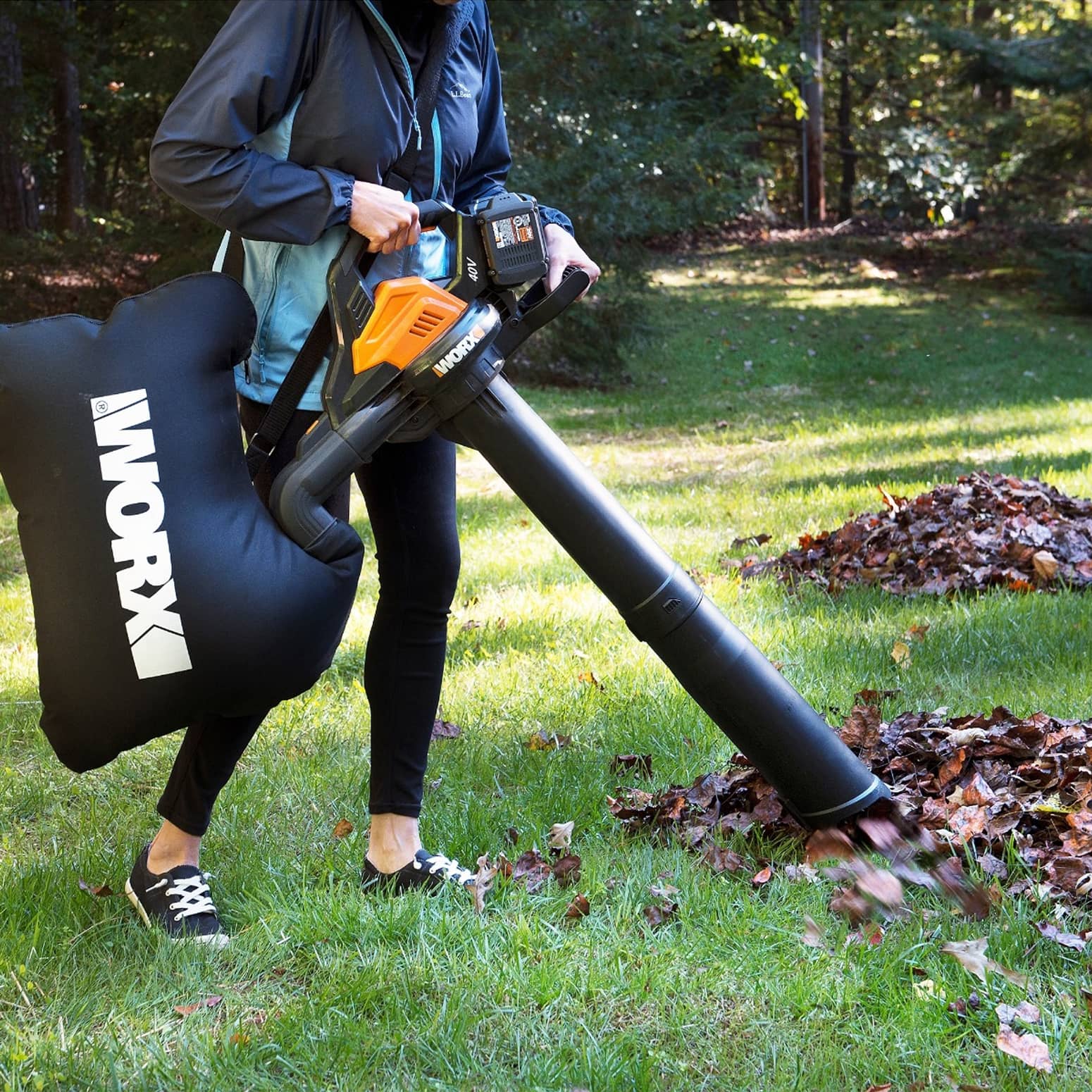
How to Maintain the Charger
A clean, dry charger helps reduce charging problems. Charger maintenance is simple, but electrical safety is essential.
Inspect the charger before each use. Check the cord, plug, housing, and charging contacts for cuts, melting, cracks, or loose parts.
Unplug the charger before cleaning it. Wipe it with a dry cloth. Do not use a wet cloth on the plug, charging port, or electrical contacts.
Keep the charger’s air openings clear. Do not cover it with clothing, towels, or other material while it is operating. If the charger becomes very hot, smells burned, makes unusual sounds, or repeatedly stops charging, unplug it and contact the manufacturer.
Never use a charger with a damaged cord or plug. Do not attempt to repair a charger unless you are qualified and the manufacturer provides an approved repair method.

How Often Should You Maintain a Cordless Leaf Blower?
Use a short inspection after every session and a deeper check at regular intervals. The right schedule depends on how often you use the blower and how much dust or wet debris it handles.
| Maintenance task | Suggested timing | What to check |
|---|---|---|
| Remove leaves and dust | After every use | Tube, intake, vents, housing |
| Inspect the battery | Before every use | Cracks, swelling, heat, contacts |
| Check the charger | Before charging | Cord, plug, housing, contacts |
| Inspect screws and guards | Monthly during use | Loose hardware and missing parts |
| Clean stored equipment | Before seasonal storage | Tool, tube, battery slot |
| Review the owner’s manual | At the start of each season | Updates, storage, service limits |
These are practical intervals, not universal manufacturer requirements. A homeowner who uses a blower once a month may need less frequent deep cleaning than a landscaper who uses one every day.
Increase inspections after blowing wet leaves, sandy soil, mulch, fertilizer, or fine construction dust. These materials can block vents and collect around the motor housing.

Signs Your Cordless Leaf Blower Needs Attention
A change in performance often gives an early warning. Check simple and safe causes before assuming the motor has failed.
| Symptom | Possible causes | Safe first checks |
|---|---|---|
| Weak airflow | Blocked tube, dirty intake, low battery, restricted vent | Remove battery, clean vents and tube, charge battery |
| Blower stops during use | Overheating, low battery, overload, loose connection | Let it cool, inspect debris, check battery seating |
| Short runtime | Cold battery, aging battery, heavy load, blocked airflow | Clean tool, use at normal temperature, compare with normal use |
| Battery will not charge | Hot or cold battery, dirty contacts, charger fault | Let battery reach a safe temperature, inspect contacts, try approved checks |
| Excessive vibration | Damaged fan, loose part, lodged debris | Stop using it and inspect only after removing battery |
| Burning smell | Electrical fault, damaged battery, overheated motor | Stop immediately, disconnect power, seek service |
| Loud grinding or squealing | Fan damage, bearing issue, trapped debris | Stop use and arrange inspection |
Do not keep pulling the trigger to test a blower that smells burned, vibrates badly, or produces smoke. Remove the battery only if you can do so safely, place the tool away from flammable materials, and contact the manufacturer or emergency services if a battery shows signs of fire.

How to Improve Cordless Leaf Blower Performance
Good operating habits reduce the amount of maintenance the blower needs.
Keep the intake away from loose debris
The intake can pull in small leaves, dust, and grass. Avoid placing the intake directly on the ground or against a pile of debris.
When working near gravel, sand, or dry soil, use a lower power setting if it still completes the task. This can reduce dust and lower the load on the motor.
Use the right power setting
High power is useful for wet leaves, heavy piles, and large areas. Lower settings may work better for flower beds, mulch, porches, and delicate surfaces.
Using more power than needed can drain the battery faster and move dust where you do not want it. Start at a lower setting, then increase power as needed.
Keep the tube properly fitted
A loose or partly attached tube can reduce control and change airflow. Install the tube as directed by the manual. Do not operate the blower with a cracked tube or missing nozzle.
Protect people, pets, and property
Wear eye protection when blowing dust, gravel, or dry debris. Hearing protection may also be suitable when using a loud blower for long periods.
Keep people and pets away from the work area. Do not blow debris toward roads, windows, vehicles, open doors, or neighboring property. Check local rules before using powered outdoor equipment, especially in areas with noise restrictions or seasonal wildfire concerns.
Avoid blowing dust or fertilizer into storm drains. Sweep or collect material when practical.

Common Cordless Leaf Blower Maintenance Mistakes
Several common habits can shorten tool life or create safety risks.
Washing the blower with a hose
Water can enter the motor, battery compartment, switch, or control board. Use a dry brush and a lightly damp cloth instead.
Cleaning while the battery is installed
A trigger can activate by accident, and a fan can start unexpectedly. Remove the battery before clearing debris or inspecting moving parts.
Storing the battery in a hot shed or vehicle
Heat can harm lithium-ion cells and may create a serious safety risk. Store the battery in a stable, dry place within the temperature range stated in the manual.
Using an incompatible charger
A charger that appears to fit may not provide the correct control or electrical output. Use the approved charging system.
Opening the battery pack
Battery packs contain cells and control electronics. Opening the pack can cause injury, fire, or loss of warranty protection. Leave battery repairs to qualified service personnel.
Ignoring local use rules
Some U.S. cities, counties, and homeowners’ associations limit gas-powered or loud outdoor equipment. Cordless equipment may be treated differently, but local rules still apply. Check your city or county requirements before regular use.
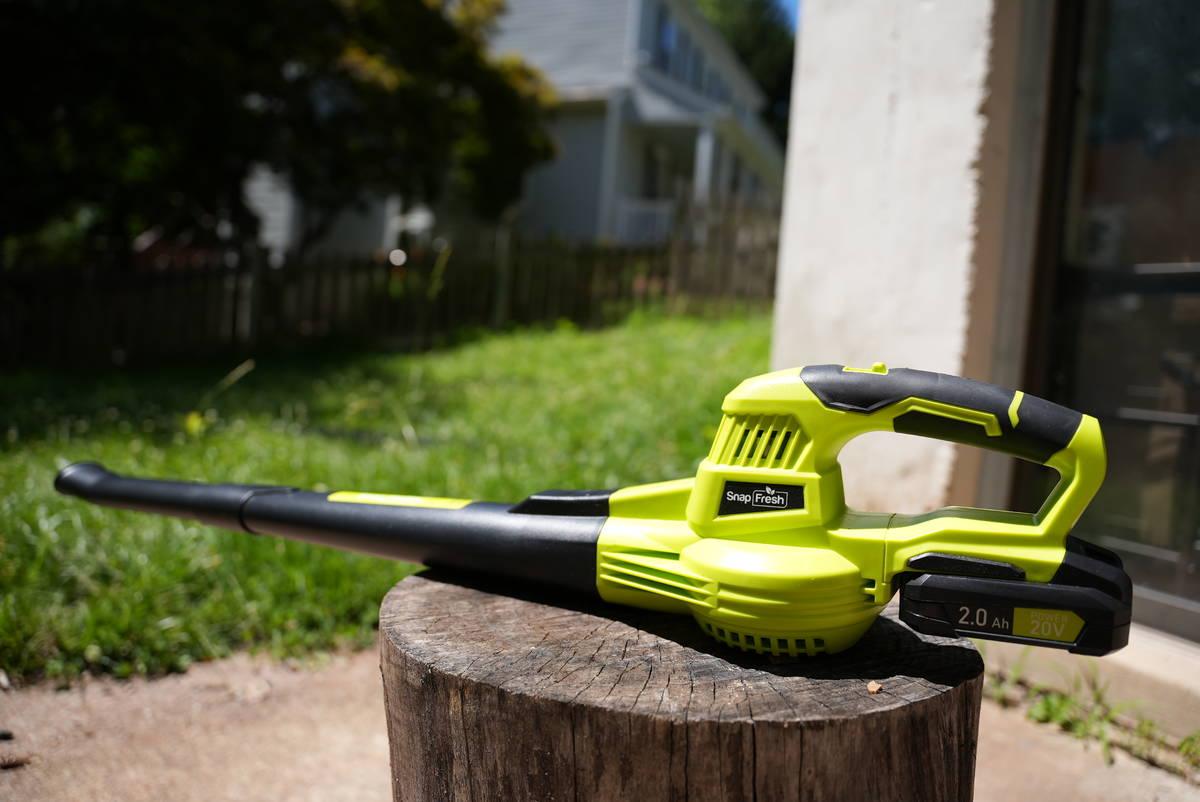
When to Repair or Replace a Cordless Leaf Blower
Routine cleaning is a homeowner task. Electrical faults, damaged fans, battery problems, and internal motor repairs may require professional service.
Contact the manufacturer or an authorized repair center when:
- The blower shuts off after basic cleaning and cooling
- The motor makes grinding or scraping sounds
- The fan appears damaged
- The housing is cracked near the motor
- The charger fails with a known-good battery
- The battery becomes hot, swollen, or damaged
- The tool has exposed wires
- The blower has been exposed to heavy rain or submerged in water
Replacement may make more sense when repair costs approach the price of a new tool, parts are no longer available, or the battery system is obsolete. Before replacing the blower, check whether the battery works with other tools in the same product line. A failed blower does not always mean the battery is unusable, but a damaged battery should not be tested casually.
For disposal, do not place lithium-ion batteries in household trash or curbside recycling unless your local program specifically accepts them. Use the manufacturer’s recycling instructions or a local household hazardous waste facility.

Frequently Asked Questions
How do I clean a cordless leaf blower without damaging it?
Remove the battery first. Brush away dry debris, wipe the housing with a well-wrung damp cloth, and let the tool dry fully before use. Do not hose down the blower, submerge it, or spray cleaner into the vents.
Can I leave the battery in my cordless leaf blower?
It is safer to remove the battery for storage, transport, and cleaning. Removing it also prevents accidental activation and reduces the chance of damage if the tool is exposed to heat or moisture.
Why does my cordless leaf blower keep stopping?
Common causes include a low battery, blocked intake, overheating, a loose battery connection, or an overload. Turn off the blower, remove the battery, clear safe-to-reach debris, and let the tool cool. If it still stops, consult the manual or arrange service.
Should I store a cordless leaf blower with a full battery?
Follow the battery maker’s storage instructions. Storage guidance differs by battery system. In all cases, keep the battery dry and away from extreme heat, and do not store a damaged or swollen battery.
Can I use compressed air to clean a cordless leaf blower?
You may use compressed air carefully on accessible vents and dry exterior areas if the manual allows it. Use low pressure and keep the nozzle at a distance. Do not force debris deeper into the housing or spin the fan at high speed with compressed air.
Conclusion
Maintaining a cordless leaf blower is mostly a matter of clean airflow, safe battery care, and proper storage. Remove the battery before service, clear the tube and vents after use, keep the charger dry, and inspect the tool for damage before each job.
Start with a five-minute check today: remove the battery, brush off debris, inspect the tube and vents, check the battery for damage, and store the equipment in a cool, dry place. If you find heat damage, swelling, exposed wiring, smoke, or a burning smell, stop using the equipment and seek qualified service.